
Desserts
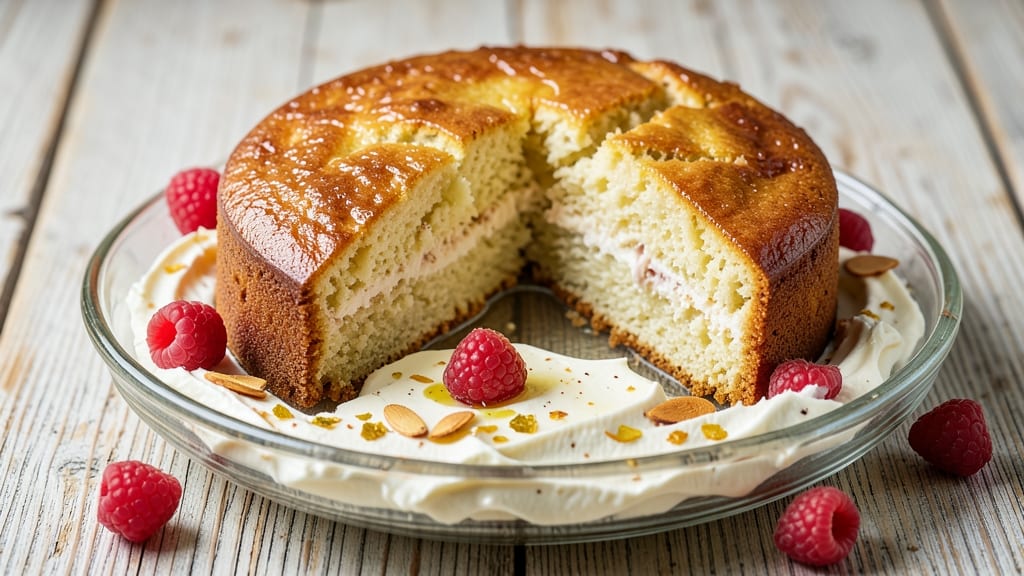
This 2-egg oil cake delivers the perfect balance of a golden crisp crust and moist vanilla heart—all with just two eggs and simple pantry staples. 💛 I developed this recipe after realizing how easy it is to overcomplicate cake baking, especially when working with limited ingredients.
The oil creates a tender crumb while keeping the texture rich and satisfying, without needing butter or excessive mixing.
The secret to this cake's success lies in the room-temperature eggs and oil, which blend seamlessly for a smooth batter that rises evenly in the oven. No fancy equipment or special techniques are required—just a bowl, a whisk, and a 350°F oven for 25-30 minutes of hands-off baking.
The vanilla extract infuses every bite with warmth, while the crisp edges add a satisfying contrast to the soft interior.
What you’ll end up with is a cake that’s light yet substantial, perfect for afternoon tea or a quick dessert. The oil-based method ensures a moist texture that stays fresh for days, making it ideal for meal prep or last-minute gatherings.
Serve it plain, dusted with powdered sugar, or topped with fresh berries for a touch of brightness.
This recipe proves that great baking doesn’t require complexity—just the right technique and a little patience. Whether you're a beginner or a seasoned baker, this cake will become a go-to for effortless, foolproof results. Let’s get started!
Ingredients for 2 egg cake recipe with oil
Simple pantry staples create this perfect 2-egg oil cake with golden crust and moist vanilla heart.
| Ingredient | Amount | Notes |
|---|---|---|
| All-Purpose Flour 🌾 | 2 cups | Sifted for even texture |
| Granulated Sugar 🍚 | 1 ½ cups | White or light brown |
| Vegetable Oil 🫒 | 1 cup | Light or canola preferred |
| Large Eggs 🥚 | 2 whole | Room temperature |
| Pure Vanilla Extract 🍯 | 1 tbsp | High-quality, not imitation |
| Unsalted Butter 🧈 | ½ cup | Melted, full-fat preferred |
| Baking Powder 🧂 | 1 ½ tsp | Aluminum-free for best rise |
| Salt 🧂 | ½ tsp | Fine sea salt preferred |
| Milk 🥛 | ½ cup | Whole or 2% for richness |
| Powdered Sugar 🍚 | ¼ cup | For dusting, optional |
| Fresh Blueberries 🫐 | 1 cup | Optional for topping |
The flour is the backbone here—King Arthur or Gold Medal brands work best for consistent texture. For the vegetable oil, Mazola or Crisco are reliable choices, though any neutral oil will do. The eggs must be room temperature; take them out of the fridge 30 minutes before baking. Pure vanilla extract from McCormick or Lake Champlain adds depth without artificial aftertaste. Butter should be full-fat—Land O'Lakes or Plugrá melt beautifully for that crisp crust. If you're short on time, pre-sifted flour from the baking aisle saves effort.
No vegetable oil? Avocado oil or coconut oil (melted) work in a pinch, though texture may vary slightly. Brown sugar can replace granulated at a 1:1 ratio for deeper flavor. Almond milk replaces dairy milk if needed, though the cake will be slightly less rich. For the vanilla, vanilla bean paste adds flecks of flavor—Nielsen-Massey is a trusted brand. Baking powder should be fresh; if it's over 6 months old, test it first by mixing with hot water—it should bubble vigorously. Blueberries can be swapped for strawberries or raspberries if preferred, but don’t skip the optional dusting of powdered sugar—it’s the finishing touch.
Store leftovers in an airtight container at room temperature for up to 3 days or refrigerate for 5 days. For longer storage, wrap tightly in plastic and freeze for up to 3 months. The cake reheats beautifully—30 seconds in the microwave or 10 minutes at 300°F restores freshness. I always bake an extra half-sheet and freeze one for lazy mornings. The golden crust stays crisp for hours, while the vanilla heart softens slightly—perfect for slicing and sharing.
Why You'll Love This Recipe
- Here’s what sold me: that deep, moist crumb from just eggs and oil—no greasy aftertaste. The sugar caramelizes just enough to give it a subtle sweetness, and the vanilla? It’s the secret weapon that makes every slice taste like a bakery treat.
- I’ll be real: this recipe costs pennies. Two eggs, a cup of sugar, and a splash of oil—you’re not breaking the bank, and the leftovers? They last for days. Perfect for when you need dessert but your wallet’s feeling tight.
Step-by-step instructions for perfect 2-Egg oil cake
Here's the method for a tender, moist oil cake with a golden crust and rich vanilla flavor.
👨🍳 Step 1: Prepare the Dry and Wet Ingredients
First, sift together the 2 cups all-purpose flour, 1.5 tsp baking powder, and 0.5 tsp salt in a medium bowl. This ensures even distribution of leavening agents for consistent rise. Set aside while you prepare the wet ingredients.
In a separate large bowl, whisk together the 1.5 cups granulated sugar, 1 cup vegetable oil, the 2 whole large eggs, 1 tbsp pure vanilla extract, and the 0.5 cup milk. I always use room-temperature eggs for better emulsification—they blend more smoothly into the batter. Whisk vigorously for 2-3 minutes until the mixture is pale and fully combined, with no visible streaks of flour.
🍳 Step 2: Combine Wet and Dry Ingredients
Gradually add the sifted dry ingredients to the wet mixture in three additions, mixing just until combined after each addition. I use a spatula to gently fold rather than overmix—the goal is to maintain air pockets for a light texture. Stop mixing as soon as the batter comes together.
Fold in the 0.5 cup melted unsalted butter last, ensuring even distribution throughout the batter. The butter adds richness and helps create that signature moist crumb. If using the optional 1 cup fresh blueberries, gently fold them in now—don't overmix or they'll burst during baking.
🔥 Step 3: Bake for Even Golden Perfection
Preheat your oven to 350°F and grease an 8-inch round cake pan (or line with parchment paper). Pour the batter into the prepared pan and smooth the top. Bake for 35-40 minutes until a toothpick inserted in the center comes out clean and the edges are golden brown.
Here's the thing about oil cakes—they rise quickly but need even heat to avoid cracking. I like to tent the pan with foil after 20 minutes if the top is browning too quickly, then remove the foil for the final 10 minutes to ensure a crisp crust. The cake should spring back gently when pressed in the center.
⏰ Step 4: Cool and Dust for Presentation
Remove the cake from the oven and let it cool in the pan for 10 minutes before transferring to a wire rack. This prevents collapse while it sets. While still slightly warm, dust the top generously with the 0.25 cup powdered sugar using a fine-mesh sieve for an elegant finish.
For maximum moisture retention, slice the cake 1 hour after baking. The interior should be tender with a fine crumb, and the vanilla flavor should be pronounced. Serve at room temperature with whipped cream or fresh berries for a classic presentation.
Pro Tips For Making 2 Egg Cake Recipe With Oil
- WHISK EGGS AT ROOM TEMP: I learned this the hard way—cold eggs from the fridge mix unevenly and create dense pockets in the batter. Let them sit in warm water for 5 minutes first, or just take them out 10 minutes before you start. The cake will rise higher and stay lighter.
- SIFT FLOUR FIRST: Skip the sifting? Your cake will be tougher and less airy. Use a fine-mesh sieve to remove lumps and incorporate air—even if your recipe doesn’t call for it. I promise, the difference in texture is noticeable, especially in a simple 2-egg cake where there’s no leavening agent like baking powder.
- DON’T OVERMIX THE BATTER: Once the flour’s incorporated, stop stirring the second everything’s just combined. Overmixing develops gluten, which makes the cake dense and chewy. Fold gently with a spatula—think "marble swirls," not a smooth paste.
- Bake UNTIL A TOOTHPICK COMES OUT CLEAN: This isn’t the prettiest method, but it’s the tastiest. A cake baked just until the edges pull away from the pan but still has a slightly springy center stays moist longer. If you pull it out too soon, it’ll taste underdone; too late, and it’ll dry out. Trust the toothpick—yes, even if it looks underbaked.
Best sauces and condiments for these flavors
Vanilla Bean Glaze
Elevate your cake with a simple vanilla bean glaze that enhances the natural vanilla flavor. Whisk together ½ cup powdered sugar, 2 tbsp heavy cream, and ½ tsp vanilla extract (or scrape seeds from 1 vanilla bean) until smooth.
Drizzle over the cake while still warm for a glossy finish. This adds a delicate sweetness that complements the cake’s moist texture without overpowering it. 💛
Lemon Curd Swirl
For a bright, tangy contrast, fold ½ cup lemon curd (homemade or store-bought like Smucker’s) into the batter before baking. The curd swirls create pockets of zesty flavor that cut through the richness.
Alternatively, spread a thin layer of curd over the cake after slicing for a restaurant-worthy touch. I love this pairing for afternoon tea—it’s like a sunshine burst in every bite.
Chocolate Ganache
A dark chocolate ganache adds a sophisticated twist. Melt ½ cup dark chocolate chips (I use Ghirardelli 70%) with ¼ cup heavy cream over a double boiler, then let it cool slightly before drizzling over the cake.
The contrast of the cake’s vanilla and the ganache’s bitterness is pure magic. For extra flair, sprinkle with flaky sea salt to balance the sweetness.
Caramel Drizzle
For a caramel lover’s dream, drizzle warm homemade caramel sauce (or Trader Joe’s caramel sauce) over the cake. The sauce pools beautifully in the grooves of a sliced cake, creating a decadent presentation.
I recommend heating the caramel slightly to make it more fluid—just enough to coat the top without soaking into the cake. A pinch of sea salt on top enhances the flavors further.
Berry Compote
Fresh or frozen berries (like strawberries or raspberries) simmered with 2 tbsp sugar and a splash of water make a vibrant compote. Spread it over the cake or serve it on the side for a burst of fruity freshness.
This works especially well with the cake’s vanilla notes, creating a harmonious balance. The compote also adds a pop of color that makes any presentation look inviting.
Whipped Cream
Classic whipped cream is a foolproof pairing. Whip 1 cup heavy cream with 1 tbsp powdered sugar and a pinch of vanilla until soft peaks form. Pile it generously on top of the cake and dust with powdered sugar for a nostalgic dessert feel.
For extra flair, add a few fresh berries or a sprinkle of crushed pistachios to contrast the cream’s lightness with crunch.
Nutrition facts
Frequently asked questions
Can I substitute butter for the vegetable oil in this recipe?
You can try, but the texture will differ significantly. Oil creates a more tender, moist crumb, while butter adds richness and a slightly denser texture. If substituting, use ½ cup melted butter plus ½ cup milk to compensate for the reduced fat content. The cake will still be delicious but may be slightly less tender.
Why does my 2-egg oil cake sink in the middle?
Overexpansion or underbaking are the most common culprits. Make sure your oven is fully preheated to 350°F and don't open the oven door during the first 20 minutes of baking. Also, check that your baking powder is fresh—old leavening won't provide enough lift. For extra insurance, bake for 5 minutes longer than the recipe suggests.
How do I make this cake gluten-free?
Replace the all-purpose flour with a 1:1 gluten-free baking flour blend like Bob's Red Mill or King Arthur. You may need to add ½ tsp xanthan gum to improve structure. Also reduce the milk by 2 tbsp since gluten-free flours absorb more liquid. The texture will be slightly denser but still delicious.
Can I bake this cake in a different pan size?
Yes, but adjust the baking time accordingly. For a 9-inch round pan, reduce by 5-7 minutes (bake for 30-32 minutes). For a loaf pan, increase by 5-10 minutes (bake for 40-45 minutes). Always use the toothpick test to check doneness. The edges should be golden while the center remains slightly springy.
What's the best way to store leftovers?
Wrap the cake tightly in plastic wrap or store in an airtight container at room temperature for up to 3 days. For longer storage, freeze slices wrapped individually for up to 3 months. To reheat, microwave for 10-15 seconds or warm at 300°F for 5-7 minutes until the edges are crisp again.