
Breakfast & Brunch
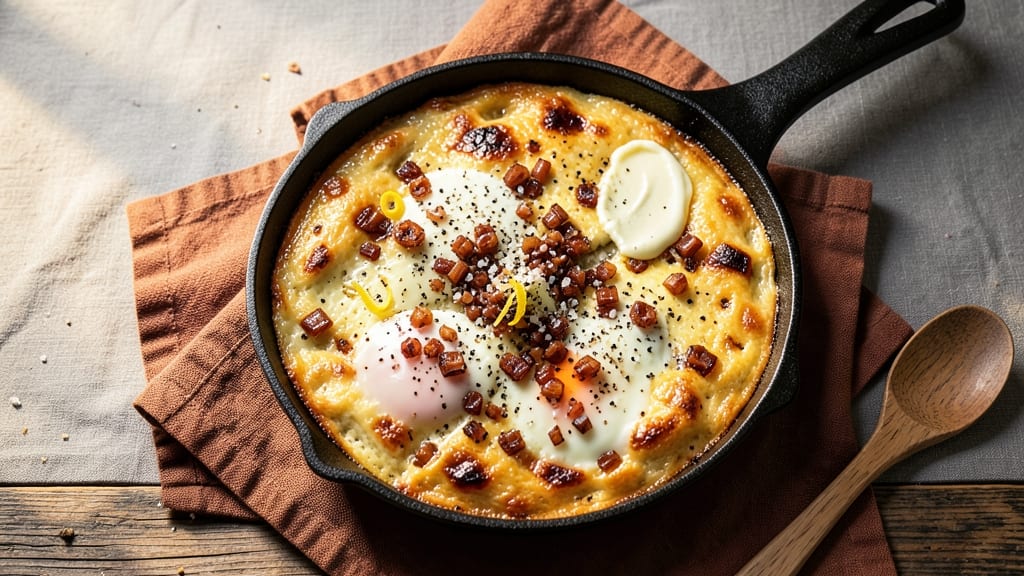
This 4-egg oven frittata recipe delivers crispy edges and perfectly set yolks every time—no flipping required. The secret lies in a precise baking technique that transforms simple eggs into a restaurant-worthy dish with minimal effort.
I developed this method after years of trial and error, ensuring the edges stay golden while the center remains rich and custardy.
What sets this recipe apart is its flexibility—you can customize it with vegetables, cheese, or cooked meats while maintaining the core structure. The eggs are whisked to silky perfection, then baked at 350°F until the edges are crisp and the yolk remains just set.
This method works beautifully for breakfast, brunch, or even a light dinner.
The result is a golden, slightly crispy frittata with a tender interior and a satisfying snap when cut. The texture is ideal for slicing into portions or serving whole, and it reheats beautifully for meal prep.
Whether you're feeding a crowd or just yourself, this recipe delivers professional-quality results with simplicity.
Pair it with fresh herbs, a simple salad, or crusty bread to complete the meal. The crispy edges and set yolk brilliance make this frittata a standout dish that’s both impressive and effortless. Let’s get cooking!
Ingredients for 4 egg frittata recipe oven
Four eggs, one pan, golden perfection—this frittata delivers crispy edges and set yolk brilliance every time.
| Ingredient | Amount | Notes |
|---|---|---|
| Large Eggs 🥚 | 4 whole | Room temperature for even cooking |
| Whole Milk 🥛 | ¼ cup | Whole milk for creamy texture |
| Unsalted Butter 🧈 | 1 tbsp | European-style preferred for flavor |
| Salt 🧂 | ½ tsp | Diamond Crystal kosher preferred |
| Freshly Ground Black Pepper 🌶️ | ¼ tsp | Freshly cracked for best flavor |
| Medium Shallot 🧅 | 1 whole | Finely diced, about 0.25 cup |
| Extra-Virgin Olive Oil 🫒 | 1 tbsp | For sauteing shallots |
| Sharp White Cheddar Cheese 🧀 | ½ cup | Shredded, aged 6 months minimum |
| Fresh Spinach 🌿 | 1 cup | Baby spinach, roughly chopped |
| Fresh Chives 🌱 | 2 tbsp | Finely chopped for garnish |
The eggs are the foundation, so choose large, fresh eggs—they hold shape better when baking. Whole milk adds richness without making the frittata too wet; skip it if you prefer a lighter texture. For the butter, European-style unsalted has higher fat content, which helps create those crispy edges. I always grab mine from Whole Foods or Trader Joe's—the difference in flavor is noticeable. The shallot adds depth without overpowering, and freshly diced makes all the difference compared to jarred minced shallots. Look for vibrant, firm shallots at the store—they'll keep for about 1 week in the fridge.
No whole milk? Half-and-half or heavy cream works in a pinch, though the texture will be slightly richer. Fresh spinach can be swapped for arugula, kale, or sautéed mushrooms—just drain excess liquid to avoid a soggy frittata. The cheddar should be sharp and aged; pre-shredded cheese often contains anti-caking agents that prevent proper melting. For the olive oil, any extra-virgin brand works, but avoid light or refined oils—they lack the fruity notes that complement the eggs. If you're short on chives, green onions or parsley work as garnishes, though chives have that mild onion flavor that pairs perfectly.
Prep the shallots and spinach ahead of time to streamline cooking day. The frittata reheats beautifully—just slice into portions and warm in a skillet for 2-3 minutes per side. Store leftovers in an airtight container for 3-4 days in the fridge, or freeze for up to 1 month by wrapping tightly in plastic wrap. For meal prep, I like to slice into wedges and freeze on a tray before transferring to a bag—this prevents a big frozen block that's hard to reheat evenly.
Why You'll Love This Recipe
- One-Pan Magic: I swear by this recipe because it’s the rare dish where the prep feels like a warm hug. Just melt butter in a skillet, crack in those eggs with milk, salt, and pepper, then let the oven do the rest—no flipping, no fuss, no stress.
- Creamy Crisp Perfection: That buttery richness from the whole milk and butter? It’s what makes this frittata ridiculously good. The edges get golden and crisp while the center stays silky—like a hug from a breakfast chef.
- Meal Prep MVP: Between us, this is my secret weapon for busy mornings. Cook a batch on Sunday, slice it up, and you’ve got grab-and-go protein for days. Honestly, I’ve eaten it cold, reheated, and even straight from the fridge—still delicious.
- Budget Breakfast Win: Four eggs, a splash of milk, butter, and pepper—that’s it. No specialty ingredients, no markup, just pure, filling goodness for pennies. I’ll be real: it’s the kind of recipe that makes me feel clever for spending so little.
Step-by-step instructions for crispy oven frittata
Master the art of frittata with this foolproof method for golden edges and perfectly set yolks.
Sauté Shallots Until Translucent
Heat the 1 tablespoon extra-virgin olive oil in a 10-inch oven-safe skillet over medium heat. Add the 1 whole medium shallot that's been finely diced and cook for 3-4 minutes until soft and just beginning to turn translucent.
Watch the shallots closely—they should sizzle gently without browning. If they start to color too quickly, reduce heat to medium-low. This step builds flavor without burning, which is crucial for a well-seasoned frittata. Remove the skillet from heat and set aside temporarily.
Whisk Egg Mixture Until Fully Combined
In a large bowl, whisk together the 4 whole large eggs (room temperature), 0.25 cup whole milk, 0.5 teaspoon salt, and 0.25 teaspoon freshly ground black pepper until completely blended. The mixture should be smooth with no streaks of white.
Add the 0.5 cup shredded sharp white cheddar cheese and 1 cup roughly chopped fresh spinach, then stir gently to distribute evenly. Fold in the sautéed shallots from the skillet. This preheating step ensures the shallots stay flavorful and don't overcook during baking.
Pour and Bake Until Golden Crust Forms
Return the skillet to medium heat and add the 1 tablespoon unsalted butter. When the butter melts and begins foaming, pour the egg mixture evenly into the skillet, tilting to coat the bottom completely.
Transfer the skillet to a preheated 375°F oven and bake for 12-15 minutes until the edges are deep golden brown and the top appears mostly set. The center should still be slightly jiggly—this indicates perfect doneness. For extra crispy edges, broil for 1-2 minutes at the end if needed.
Garnish and Rest Before Serving
Remove the frittata from the oven and let it rest for 2-3 minutes before garnishing with 2 tablespoons finely chopped fresh chives. This resting period allows the frittata to set completely and redistribute juices for maximum tenderness.
Slice into wedges and serve immediately while still warm. The exterior should be crispy with a golden crust, while the interior remains creamy with perfectly set yolks. For best results, serve with a fresh green salad or crusty bread to soak up any remaining juices.
Pro Tips For Making 4 Egg Frittata Recipe Oven
- Preheat Pan Like It’s Hot: Crank that oven to 425°F (220°C) and let the pan sit for 10 full minutes with the butter—yes, even if you’re in a hurry. I learned this the hard way when my first batch turned out greasy instead of golden. A screaming-hot pan is what gives that crust its crunch.
- Whisk Eggs Until Smooth: Don’t just stir—whisk those eggs vigorously for 30 seconds until the yolks and whites are fully blended. That milk gets absorbed way better, and you’ll avoid those rubbery spots in the middle. (I know, I know—it’s tempting to skip, but trust me.)
- Salt the Egg Mixture: Season the eggs before pouring them in—not after. Salt dissolves into the liquid, so if you wait, you’ll end up with uneven flavor. Use ½ teaspoon salt for 4 eggs (more if your butter is unsalted), and don’t forget the pepper—just a few grinds, but it matters.
- Cover with Foil Early: As soon as you put the frittata in the oven, tent it with foil—even if it doesn’t look done. This traps steam and keeps the center creamy while the edges crisp. I used to wait too long, and half the time, the top stayed soggy. (Your future self will thank you.)
Perfect pairings for this 4 egg frittata recipe oven
Classic Salad Pairings
A simple arugula salad with lemon vinaigrette cuts through the richness of the frittata beautifully. Toss 4 cups baby arugula with 2 tbsp extra-virgin olive oil, 1 tbsp fresh lemon juice, and a pinch of flaky sea salt.
The peppery bite balances the creamy eggs and sharp cheddar perfectly. 🥗
Crusty Bread Essentials
Serve your frittata with warm sourdough or baguette slices to soak up any remaining juices. I love toasting the bread lightly with 1 tbsp olive oil and a sprinkle of flaky sea salt before serving. The crusty texture contrasts wonderfully with the tender frittata.
Fresh Tomato Bruschetta
Add a bright, fresh element with tomato bruschetta. Dice 2 ripe tomatoes and mix with 1 tbsp olive oil, 1 tbsp chopped fresh basil, and a pinch of red pepper flakes. Spoon onto toasted bread slices for a vibrant, flavorful pairing that complements the frittata's richness.
Herb-Infused Yogurt Dip
For a creamy contrast, whip up a herb-infused yogurt dip using ½ cup Greek yogurt, 1 tbsp chopped fresh dill, 1 tbsp chopped chives, and a squeeze of lemon juice. Serve it on the side for dipping or drizzling over the frittata for added freshness.
Coffee or Tea Pairings
Start your day with a bold black coffee or a lightly sweetened chai tea to complement the savory flavors. The bitterness of coffee enhances the richness of the frittata, while chai's warm spices add a cozy touch. Avoid overly sweet drinks that might overpower the dish. ☕
Seasonal Fruit Sides
In warmer months, pair your frittata with sliced peaches or berries for a refreshing contrast. The natural sweetness balances the savory flavors, while the juiciness adds a bright element to the meal. A sprinkle of honey or maple syrup can elevate the pairing even further.
Nutrition facts
Frequently asked questions
Can I make this frittata in a smaller pan?
The recipe assumes a 10-inch oven-safe skillet, but you can adapt it to smaller pans. Use an 8-inch skillet for a thicker frittata that bakes faster (10-12 minutes at 375°F), or a 12-inch skillet for a thinner version that needs 15-18 minutes. Just adjust baking time based on your pan size—smaller pans cook faster!
Why does my frittata come out rubbery?
Rubbery frittatas usually happen when the eggs overcook or the mixture is too wet. First, ensure your eggs are room temperature and whisked thoroughly. Second, avoid overfilling the pan—4 eggs should fill a 10-inch skillet about halfway. Finally, pull it from the oven when the center is still slightly jiggly (it'll set as it rests).
Can I add cooked meat or seafood to this recipe?
Frittatas are incredibly versatile. Add 1 cup cooked shrimp, diced ham, or crumbled sausage to the egg mixture before baking. For seafood, use chilled, cooked shrimp or scallops to prevent overcooking. Just make sure any added proteins are fully cooked before mixing—they'll continue cooking in the oven.
How do I reheat leftovers without drying them out?
Slice the frittata into wedges and reheat in a nonstick skillet over medium-low heat for 2-3 minutes per side, adding a splash of water or butter to create steam. Alternatively, cover with a damp paper towel and microwave for 30-45 seconds—this keeps it moist. Never reheat uncovered in the microwave, or it'll turn rubbery!
Can I make this frittata ahead of time?
Yes! Assemble the frittata up to 24 hours ahead and refrigerate uncovered. When ready to bake, add 1-2 extra minutes to the baking time (it'll be cold). For freezing, bake first, then cool completely, wrap tightly in plastic, and freeze for up to 1 month. Thaw overnight in the fridge before reheating.