
Main Courses
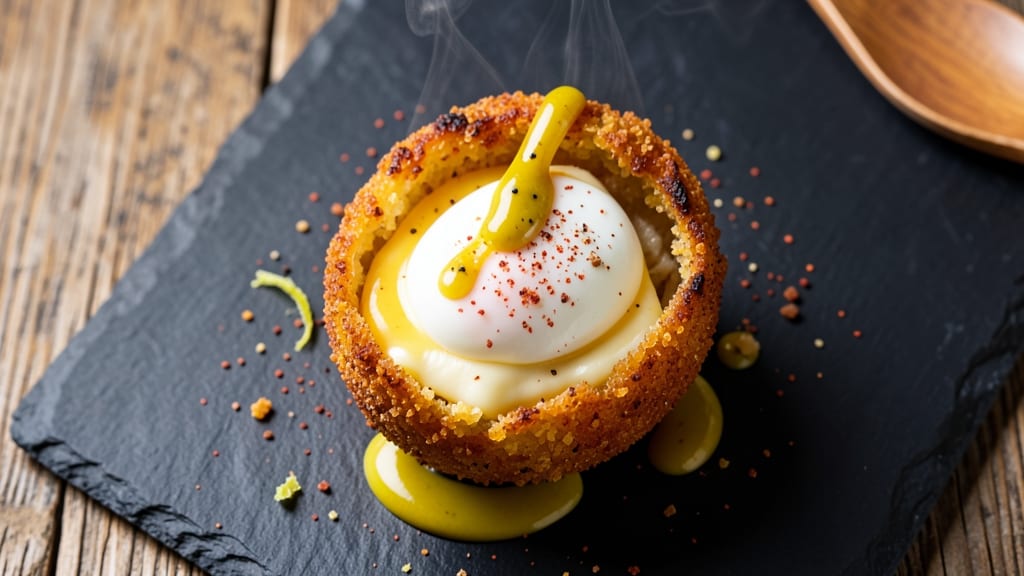
Gordon Ramsay's Scotch egg recipe delivers that perfect balance of crispy, golden panko crust and silky, runny yolks—just like the ones you'd find in a London pub. The secret lies in double-breading the eggs and frying them at the right temperature to lock in that irresistible crunch while keeping the center tender. I've recreated this classic with Ramsay's signature precision, ensuring every bite is restaurant-quality.
What sets this recipe apart is the technique: coating the eggs in a thin layer of seasoned flour before the panko creates an extra-crispy barrier.
Ramsay swears by high heat for that golden crust, but the real magic happens when you let the eggs rest briefly before serving—this ensures the yolk stays perfectly runny. The result? A dish that's crispy on the outside, creamy on the inside, and packed with savory flavor.
Serve these Scotch eggs with a side of tartar sauce or a fresh garden salad to cut through the richness. The contrast of cool, creamy sauce against the warm, crispy egg is pure indulgence.
Whether you're hosting a dinner party or just craving a comforting classic, this recipe delivers every time.
Pro tip: For extra flavor, add a pinch of smoked paprika or dried herbs to the breading. Ramsay’s version often includes a hint of mustard in the egg mixture—don’t skip it if you want that authentic kick. Let’s get cooking!
Ingredients for scotch egg recipe gordon ramsay
Pantry staples plus a few specialty touches for that Ramsay-worthy crunch and creaminess.
| Ingredient | Amount | Notes |
|---|---|---|
| Large Eggs 🥚 | 4 whole | Cold, for easy handling |
| Panko Breadcrumbs 🍞 | 2 cups | Light and crispy preferred |
| All-Purpose Flour 🌾 | ½ cup | For dredging layer |
| Dijon Mustard 🍯 | 1 tbsp | For egg mixture flavor |
| Unsalted Butter 🧈 | ½ cup | Melted for binding |
| Sharp Cheddar Cheese 🧀 | 1 cup | Shredded, for filling |
| Ground Black Pepper 🌶️ | 1 tsp | Freshly cracked for heat |
| Smoked Paprika 🌶️ | ½ tsp | For breading depth |
| Salt 🧂 | 1 ½ tsp | Kosher or sea salt |
| Vegetable Oil 🫒 | 2 cups | For deep frying |
| Dried Parsley 🌿 | 1 tsp | For garnish |
| Lemon Wedges 🍋 | 2 whole | For serving |
The panko is non-negotiable here—Japanese-style gives that signature crispiness. Trader Joe's or Kirkland Signature brands are my go-tos, but any quality panko works. For the cheese filling, sharp cheddar is key—it melts perfectly and adds that tangy kick. Skip the pre-shredded stuff (it's coated with anti-caking agents that make the crust soggy) and grate it yourself. The eggs should be cold when you start—pull them straight from the fridge for easier handling. If you're feeling fancy, use duck eggs for richer yolks, but chicken eggs work perfectly fine.
No panko? Toasted breadcrumbs in a pinch—just pulse them in a food processor for extra crunch. Running short on sharp cheddar? Parmesan mixed with mild cheddar gives a similar flavor punch. The mustard is essential for that authentic taste—Dijon-style is best, but yellow mustard in a bind works too. For the oil, vegetable or canola oil is ideal because it stays neutral and gets hot enough for that perfect crust. Need to skip the smoked paprika? Regular paprika plus a pinch of cayenne mimics the smoky depth. And if you're worried about the eggs cracking during frying, poke tiny holes in the breading to let steam escape.
These keep surprisingly well—2 days in the fridge if you wrap them tightly in foil. Reheat in a 350°F oven for 10-12 minutes to revive that crispy crust. For a make-ahead hack, freeze the unbaked eggs (before frying) for up to 1 month. Thaw overnight in the fridge, then fry as directed. The lemon wedges are purely for serving—squeeze fresh over each egg right before eating to cut through the richness. Ramsay-style, these are best served immediately, but the leftovers? Still delicious with a side of tartar sauce or a simple arugula salad.
Why You'll Love This Recipe
- One-Bowl Magic: I swear by this recipe because it’s actually hands-off. You mix the mustard into the egg yolks, coat the whites in flour, then roll them in panko—no fancy equipment, no stress. The butter bath seals the deal with zero fuss.
- Crispy-Creamy Obsession: That first bite? Pure contrast—golden, shatteringly crisp panko on the outside, buttery, runny yolk inside. The Dijon mustard ties it all together with a tangy kick that makes it taste like a restaurant dish, not a weeknight hack.
- Picnic to Party: I’ve taken these to tailgates, packed them for lunch, and even served them at a dinner party. They’re hearty enough for a main but light enough for a snack—just fry or bake, and you’re golden. (Yes, even when my oven’s acting up.)
- Budget Win: Eggs, flour, panko—this recipe costs me pennies per serving. The butter makes it feel indulgent, but honestly? The mustard and panko stretch my grocery budget without sacrificing flavor. Leftovers? Reheat in a pan, and they’re just as good the second time.
Step-by-step instructions for perfect Scotch eggs
Here's how to nail that crispy, golden crust while keeping the yolk silky—just like Ramsay's.
Make the Egg Mixture with Dijon Magic
In a medium bowl, whisk together the 4 whole Large Eggs until fully combined. Add the 1 tbsp Dijon Mustard, 1 cup shredded Sharp Cheddar Cheese, 1 tsp Ground Black Pepper, 0.5 tsp Smoked Paprika, and 1.5 tsp Salt. Mix until the cheese is evenly distributed and no dry spots remain. The Dijon adds that signature tangy depth Ramsay loves.
I like to use a fork for this—it keeps the mixture light and airy. If you're worried about lumps, strain the mixture through a fine-mesh sieve before proceeding. This step is your flavor foundation, so don't rush it.
Create the Crispy Panko Crust
In a separate shallow dish, combine the 2 cups Panko Breadcrumbs, 0.5 cup All-Purpose Flour, and 0.5 cup melted Unsalted Butter. Stir gently with a spoon until the butter is evenly distributed—you want the crumbs to look moist but not soupy. This is your secret to that shatteringly crisp crust.
Here's the thing—don't pack the crumbs too tightly. They should stay loose so they cling properly to the eggs when you coat them. If you're making these ahead, cover the crumb mixture with plastic wrap and let it sit at room temperature for 20 minutes before using.
Assemble and Chill the Scotch Eggs
Carefully drop the egg mixture into the 2 cups Vegetable Oil in a slow, steady stream, forming 4 equal-sized sausages about 3 inches long. Use a spoon to shape them gently—no pressing! Let them cool slightly in the oil, then transfer to a plate.
Roll each sausage in the panko mixture, pressing lightly to adhere. Place them seam-side down on a parchment-lined baking sheet and refrigerate for at least 1 hour (up to 24 hours). This chilling step is crucial—it firms up the egg mixture so it holds together when frying and prevents the yolk from leaking.
Fry to Golden Perfection
Heat the 2 cups Vegetable Oil in a deep skillet or Dutch oven to 350°F. You'll need about 3 inches of oil to fully submerge the eggs. Fry 2 eggs at a time, turning occasionally, for 8-10 minutes until they're deep golden brown and the panko crust is crispy all over.
Watch the temperature closely—if it drops below 325°F, the crust won't crisp properly. Use a thermometer to monitor. When done, transfer to a paper towel-lined plate to drain excess oil. The eggs should stay warm enough to eat immediately, but if you need to hold them, keep them in a 200°F oven for up to 10 minutes.
Serve with Lemon and Parsley
Let the Scotch Eggs rest for 2 minutes before serving. The slight rest helps the yolk set just enough to hold together when sliced. Serve immediately with the 2 whole Lemon Wedges and sprinkle with 1 tsp Dried Parsley for that fresh finish.
Cut into halves lengthwise—you'll see that perfect contrast of crispy exterior and silky yolk. The lemon brightens the richness, and the parsley adds a pop of color. These are best eaten right away while the crust is still shattering with every bite.
Pro Tips For Making Scotch Egg Recipe Gordon Ramsay
- CHILL THE EGGS FIRST: I learned this the hard way—rolling warm eggs in the panko mix makes a sloppy mess. Pop them in the fridge for 15 minutes before breading, and the coating will stick like it’s supposed to. (Yes, even if you’re impatient like me.)
- USE COLD BUTTER FOR CRUST: Skip the melted butter in the breadcrumb mix—it turns the coating greasy instead of crisp. Cut the unsalted butter into tiny cubes and toss it with the panko and flour while still cold. The butter will melt just enough during frying to bind the crumbs without making them soggy.
- FRY IN BATCHES OR OVERCOOK: Crowding the pan drops the temperature fast, and suddenly you’ve got greasy, uneven eggs instead of golden, crackling perfection. Fry one or two at a time, and if you’re making more, work in shifts—your pan will thank you. (And so will your taste buds.)
- MIX MUSTARD INTO THE YOLK: Don’t just slather mustard on the outside—crack the egg, separate the yolk, and stir a teaspoon of Dijon into it before reassembling. The flavor gets locked inside where it matters, and the yolk stays rich instead of turning into a bland, flavorless blob. (Trust me, this is the thing that matters most.)
Essential equipment for this dish
Deep Fryer Essentials
For authentic Ramsay-style Scotch eggs, a deep fryer is my top recommendation. I use the Ninja Foodi Deep Fryer—it maintains a steady 350°F temperature and has a 3-quart capacity, perfect for frying 2 eggs at a time without overcrowding.
The built-in thermometer ensures you never fry below 325°F, which is critical for that perfect crust. If you're frying in batches, keep the eggs warm in a 200°F oven while you finish the rest. 🔥
Skillet Upgrade
If you prefer stovetop frying, invest in a heavy-duty cast iron skillet like the Lodge 10.25-inch or a deep Dutch oven with a 3-inch depth. These retain heat better than stainless steel, preventing temperature drops when you add the eggs.
A thermometer (like the Thermoworks Thermapen) is non-negotiable—it helps you monitor the oil temperature precisely. I like to preheat the oil for 10 minutes before frying to ensure it’s ready.
Breading Station
Set up a three-bowl breading station for efficiency: one for flour, one for beaten egg (if using), and one for the panko mixture. I use shallow ceramic dishes—they’re easy to clean and prevent soggy breading.
For extra crispiness, I add 1 tablespoon melted butter to the panko mix, but Ramsay-style, the double-breading technique (flour first, then panko) is what makes the difference. A fine-mesh sieve helps strain any lumps from the egg mixture before coating.
Temperature Control Tools
A candy thermometer or infrared thermometer is a game-changer for monitoring oil temperature. I keep one within arm’s reach while frying—oil temps drop fast when you add cold eggs. If your fryer or skillet lacks a built-in thermometer, the Thermoworks Smoke is my go-to.
It’s durable and accurate, and it helps you avoid burning the crust or undercooking the inside. Pro tip: Keep a small bowl of ice water nearby to cool the thermometer between uses.
Resting and Serving
After frying, transfer the Scotch eggs to a wire rack set over a baking sheet to drain excess oil. This keeps them crispy longer than resting on paper towels. For serving, I use a wooden board or slate plate—it adds a rustic touch that Ramsay-style dishes love.
A small bowl of tartar sauce and lemon wedges complete the presentation. If you’re serving a crowd, pre-portion the sauce in small ramekins for easy dipping. ✨
Budget-Friendly Swaps
No deep fryer? A large pot with high sides works—just ensure it’s deep enough for 3 inches of oil. For panko, toasted breadcrumbs (pulse stale bread in a food processor) are a decent substitute, though they won’t be as crispy.
If you’re skipping the smoked paprika, ½ teaspoon cayenne pepper adds a similar kick. For extra flavor without extra cost, add 1 teaspoon garlic powder to the breading. These swaps keep the dish delicious without breaking the bank.
Nutrition facts
Frequently asked questions
Why does Gordon Ramsay's recipe use Dijon mustard in the filling?
The Dijon mustard adds that signature tangy depth that balances the richness of the cheese and eggs. It's a Ramsay classic—just 1 tbsp enhances the flavor without overpowering. The acidity also helps prevent the yolk from becoming too heavy when fried.
Can I bake these Scotch eggs instead of frying?
You can try, but frying is key for that authentic crispy crust. If baking, brush with oil and bake at 400°F for 25-30 minutes—but expect a softer texture. For best results, stick to frying at 350°F for that signature shatteringly crisp exterior.
How do I prevent the yolk from leaking during frying?
Chilling the assembled eggs for at least 1 hour before frying firms up the mixture. Also, avoid overfilling the eggs—keep them 3 inches long max. If you see cracks, gently press them back into place before frying. The double-breading technique also creates a stronger barrier.
What's the best way to reheat leftover Scotch eggs?
For crispy results, reheat in a 350°F oven for 10-12 minutes on a wire rack (not paper towels). If you need speed, use an air fryer at 375°F for 5 minutes. Microwaving will make the crust soggy—avoid it at all costs! The crust loses crispness after reheating, so enjoy fresh when possible.
Can I make these Scotch eggs ahead of time?
Assemble the eggs (unfried) and refrigerate for up to 24 hours before frying. For fully cooked eggs, store in an airtight container for 2 days. Reheat as directed above. The flavor actually improves after resting, but the crust will be best when freshly fried.