
Breakfast & Brunch
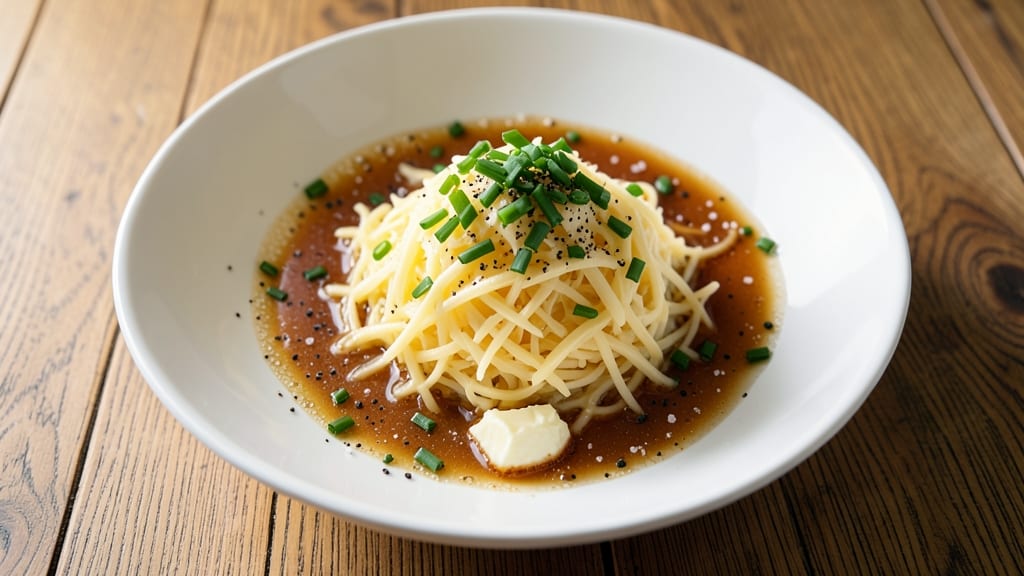
This shredded egg recipe transforms ordinary eggs into delicate, silky ribbons perfect for breakfast bowls, tacos, or salads. The secret lies in precise heat control and gentle stirring—no overcooking allowed. I developed this technique after years of experimenting with textures, and it consistently delivers restaurant-quality results at home.
What makes these shredded eggs special is their ability to absorb flavors while maintaining a tender, almost custard-like texture. The process is simpler than it sounds: cook eggs in a shallow pan over medium-low heat, stirring constantly until they form soft, silky strands.
Seasoning is key—just a pinch of salt and pepper enhances their natural richness without overpowering.
Once you master the technique, the possibilities are endless. Use them as a protein base in breakfast bowls, fold into tacos for extra texture, or sprinkle over salads for a creamy, savory touch.
The eggs stay tender and flavorful, making them versatile for any meal. This method ensures you'll never settle for dry, rubbery scrambled eggs again.
The beauty of this recipe is its adaptability. You can customize the seasoning with herbs like chives or parsley, or even add a splash of soy sauce for umami depth.
The result is always the same: perfectly shredded eggs that melt in your mouth and elevate any dish. Let's get started on creating these silky ribbons.
Ingredients for shredded egg
Simple ingredients deliver restaurant-quality texture—just eggs, butter, and precise technique.
| Ingredient | Amount | Notes |
|---|---|---|
| Large Eggs 🥚 | 6 whole | Room temperature for even cooking |
| Unsalted Butter 🧈 | 1 tbsp | High-quality, European style preferred |
| Fresh Chives 🌿 | 2 tbsp | Finely chopped for garnish |
| Kosher Salt 🧂 | ¼ tsp | Diamond Crystal preferred |
| Freshly Ground Black Pepper 🌶️ | ⅛ tsp | Freshly cracked for best flavor |
| Soy Sauce 🍶 | 1 tsp | For umami depth (optional) |
| Vegetable Oil 🫒 | 1 tbsp | For non-stick pan coating |
| Fresh Parsley 🌿 | 1 tbsp | Chopped for garnish (optional) |
| Low-Sodium Chicken Broth 🍲 | ½ cup | For flavorful broth pairing |
The eggs are the star, so choose fresh, high-quality eggs from the refrigerated section of your grocery store. Kroger or Whole Foods often carry the best local varieties. Room temperature eggs cook more evenly—take them out 30 minutes before cooking. For the butter, European-style unsalted (like Plugrá or Kerrygold) gives a richer flavor than regular butter. If you're using a non-stick pan, you can reduce the butter to just 1/2 tablespoon, but I still recommend using it for that velvety finish. The broth should be low-sodium to avoid overpowering the delicate egg texture—Pacific Foods or Swanson brands are reliable choices.
No fresh chives or parsley? Dried chives or parsley at one-third the amount works in a pinch, though fresh is ideal. Want extra umami? A splash of fish-free soy sauce (like Kikkoman) adds depth without overpowering. For a richer flavor, replace half the broth with vegetable stock or coconut milk**. The key to perfect shredded eggs is constant stirring—don't rush it. If your eggs start to look dry, add a splash of warm water or broth to keep them silky. And if you're cooking for more than four people, use a larger pan and cook in batches to maintain even texture.
Shredded eggs keep best when stored in an airtight container in the fridge for up to 3 days. For longer storage, portion into ice cube trays, cover with water or broth, and freeze for up to 3 months**. Reheat gently in a pan over low heat, stirring constantly until warmed through. These eggs reheat beautifully—perfect for meal prep. If you're using them in tacos or bowls, store the components separately and assemble fresh to maintain crispness.
Why You'll Love This Recipe
- Here’s what sold me: that golden, almost caramelized edge on the shreds with the inside still silky. The butter doesn’t just cook the eggs—it transforms them. Sprinkle the chives at the end, and it’s like a little green confetti party in your mouth.
- Five-Ingredient Magic: I swear, that’s all it takes—eggs, butter, chives, salt, and pepper. No fancy gadgets, no last-minute grocery runs. Just crack, melt, shred, and boom: you’ve got a dish that feels like a hug.
- Butter-Kissed Crispiness: Here’s what sold me: that golden, almost caramelized edge on the shreds with the inside still silky. The butter doesn’t just cook the eggs—it transforms them. Sprinkle the chives at the end, and it’s like a little green confetti party in your mouth.
- Breakfast-to-Dinner Hero: Between us, this is my lazy Sunday brunch and my “I have no idea what to make” weeknight savior. Toss it over toast for breakfast, pile it on a sandwich for lunch, or serve it as a side with steak—it’s the chameleon of easy meals.
Step-by-step instructions for silky shredded eggs in savory broth
Master this technique and you'll transform ordinary eggs into delicate, melt-in-your-mouth ribbons every time.
Prepare the Eggs for Perfect Shredding
Crack all 6 whole Large Eggs into a medium bowl. Using a fork or whisk, gently beat the eggs until they're completely combined but still slightly lumpy—you want to maintain some texture for better shredding. Add the 0.25 tsp Kosher Salt and 0.125 tsp Freshly Ground Black Pepper and mix well to distribute the seasoning evenly.
The key here is room temperature eggs—they cook more evenly and create those signature silky ribbons. If your eggs are straight from the fridge, let them sit at room temperature for 15-20 minutes before starting. Over-whisking creates a smooth texture that shreds poorly, so be gentle with the mixing.
Create the Broth Base
In a small saucepan, combine the 0.5 cup Low-Sodium Chicken Broth with the 1 tbsp Unsalted Butter. Place over medium-low heat and warm until the butter melts completely. You want the broth to be hot but not boiling—just simmering gently. This warm broth will help create the perfect environment for the eggs to shred beautifully.
If you're using the optional 1 tsp Soy Sauce, add it now to the warm broth and stir to combine. The umami depth from the soy sauce enhances the overall flavor profile, but it's not essential for the basic technique. Keep the broth at a gentle simmer—if it boils vigorously, the eggs will cook too quickly and won't shred properly.
Cook the Eggs to Ribbon Perfection
Heat 1 tbsp Vegetable Oil in a non-stick skillet over medium-low heat. Pour in the seasoned eggs and let them sit undisturbed for 2-3 minutes. You're looking for the edges to set slightly while the centers remain runny—this creates the ideal texture for shredding. Don't stir during this initial cooking phase.
Once the edges are set but the centers are still liquid, carefully tilt the pan and use a spatula to gently push the eggs toward the center. This creates a compact, slightly thicker layer that will shred beautifully. The eggs should look like a thin, creamy layer with no visible liquid remaining on top.
Shred the Eggs Directly in the Broth
Quickly pour the cooked egg layer into the simmering broth in the saucepan. Using a fork or spatula, immediately begin shredding the eggs into fine ribbons. Work quickly but gently—you want to break the eggs into long, delicate strands rather than small pieces. The residual heat from the broth will finish cooking the eggs perfectly.
Continue shredding until all the egg is incorporated into the broth. The mixture should look like silky, cloudy ribbons suspended in the broth. If the broth appears too thick, add 1-2 tablespoons of hot water to achieve the desired consistency. The eggs should be fully cooked but still maintain their delicate texture.
Finish and Garnish
Return the saucepan to low heat and let the shredded eggs warm through for 1-2 minutes, stirring gently to prevent sticking. Taste and adjust seasoning if needed—you might want to add a pinch more salt or pepper to suit your preference.
To serve, ladle the shredded eggs into bowls. Garnish with the 2 tbsp Fresh Chives and 1 tbsp Fresh Parsley, chopped finely. The herbs add freshness and visual appeal, complementing the rich, savory flavor of the eggs. Serve immediately while the eggs are still silky and hot—this dish doesn't reheat well.
Pro Tips For Making Shredded Egg
- STOP STIRRING TOO SOON: The eggs won’t shred properly if you rush them—wait until they’re just set but still slightly runny in the center (about 3-4 minutes in a 350°F oven). I used to pull them out too early, and they’d turn into dry, clumpy scraps. Patience here makes all the difference.
- USE COLD EGGS: Pull eggs straight from the fridge for even cooking—room-temperature eggs cook unevenly and can curdle. Crack them into a bowl first, then whisk gently to avoid overmixing (which makes them tough). Trust me, the texture stays silky when you start cold.
- SALT THE BUTTER FIRST: Toss the butter with half the salt before adding it to the eggs—this prevents clumping and ensures even seasoning. I learned this the hard way when I salted after melting, and the butter turned into lumpy, uneven bits. A little prep avoids a big mess.
- FINISH WITH CHIVES LAST: Stir in fresh chives right before serving—they wilt in heat and lose their bright color. If you add them early, you’ll end up with sad, limp garnish. Save them for the final fold, and they’ll look fresh and taste vibrant.
Essential equipment for perfect results
Non-Stick Skillet
Your choice of pan makes all the difference. I recommend a 10-inch non-stick skillet like the All-Clad Stainless Steel or GreenPan Ceramic for even heat distribution and easy release. The non-stick surface prevents sticking while allowing you to gently push the eggs toward the center for that perfect shreddable texture.
If you don’t have non-stick, a well-seasoned cast iron skillet works too—just use a bit more oil to prevent sticking. 🔥
Saucepan for Broth
A 2-quart stainless steel saucepan with a tight-fitting lid is ideal for heating your broth. Brands like Cuisinart MultiClad or All-Clad D5 provide even heating and durability. The saucepan should be large enough to hold the eggs and broth without overcrowding, which can lead to uneven cooking.
If you're cooking for a crowd, a 3-quart saucepan ensures you can handle larger batches without spills.
Heat Control Tools
Precise temperature control is key. Invest in a digital thermometer like the Thermoworks Thermapen to monitor your pan’s heat—aim for medium-low (around 275°F). A silicon spatula (I love OXO Good Grips) helps gently push and shred the eggs without tearing them.
For the broth, a small ladle (like Zyliss Stainless Steel) makes transferring the shredded eggs into bowls effortless.
Optional: Immersion Blender
For an ultra-smooth texture, an immersion blender (such as the Ninja Foodi) can blend the shredded eggs directly in the broth for a silky, almost custard-like consistency. This is especially useful if you’re making a large batch for meal prep.
Just pulse briefly—you want ribbons, not a fully blended sauce. This tool is optional but adds a pro-level finish to your dish. ✨
Storage Containers
If prepping ahead, store the shredded eggs in glass airtight containers (like Le Creuset or Pyrex) to maintain freshness for up to 3 days. For freezing, use silicone ice cube trays—portion the eggs, cover with broth, and pop out individual servings.
Reheat gently in a pan over low heat to preserve that silky texture. The right containers keep your eggs tasting fresh for days. 💫
Nutrition facts
Frequently asked questions
Why do my shredded eggs turn out dry or rubbery?
Overcooking is the usual culprit! Keep the heat at medium-low and stir constantly to prevent the eggs from drying out. Also, make sure your eggs are room temperature before cooking—they'll cook more evenly. If your pan gets too hot, reduce the heat immediately and add a splash of warm broth to restore moisture.
Can I make shredded eggs without butter?
Use 1 tablespoon of olive oil or vegetable oil instead—it works just as well. The key is to maintain the same medium-low heat to prevent sticking. For extra flavor, you could also use a little avocado oil or even a small amount of coconut oil for a unique twist.
What's the best way to reheat leftover shredded eggs?
Gently reheat in a non-stick pan over low heat with a splash of broth or water to restore moisture. Stir constantly until warmed through—this prevents drying out. Microwaving isn't recommended as it can make them rubbery. For best results, reheat only what you need to eat immediately.
How can I make shredded eggs spicier?
Add ½ teaspoon of cayenne pepper or chili flakes directly to the eggs before cooking, or stir in 1 teaspoon of hot sauce to the warm broth. For a smoky kick, try ½ teaspoon of smoked paprika or a dash of liquid smoke. Always taste as you go—you can adjust the heat level to your preference.
Are shredded eggs good for meal prep?
Yes, but with some caveats! Store them in an airtight container in the fridge for up to 3 days for best texture. For longer storage, freeze in ice cube trays with broth. Reheat gently in a pan—they won't be as silky as fresh, but they'll still be delicious. Best used in tacos, bowls, or salads where texture isn't the main focus.