
Breakfast & Brunch
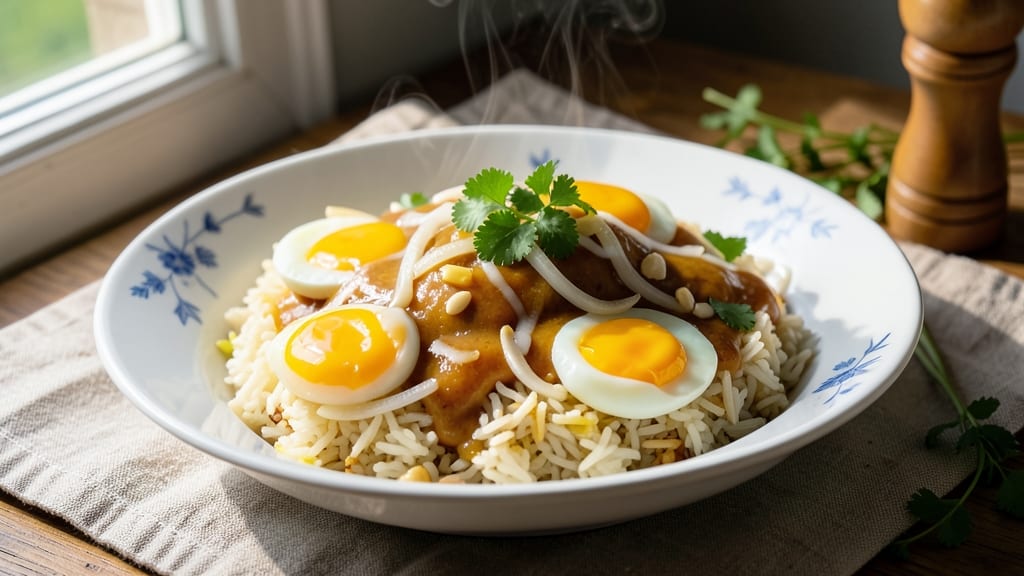
This creamy coconut sipo egg recipe delivers the comforting flavors of Filipino rice porridge—without shrimp—using simple ingredients and a 25-minute process. The secret lies in balancing tender rice, rich coconut milk, and perfectly cooked eggs for a dish that's both hearty and adaptable.
Whether you're craving a cozy breakfast or a light dinner, this version keeps all the warmth of traditional sipo while offering flexibility for different protein preferences.
What sets this recipe apart is its ability to transform basic ingredients into something deeply satisfying. The porridge base simmers until the rice is soft and the coconut milk creates a velvety texture, while the eggs add protein and richness.
Unlike traditional shrimp-based sipo, this version lets you customize with fish, tofu, or extra eggs, making it just as comforting without relying on seafood.
The result is a bowl of creamy, aromatic porridge with tender rice grains and perfectly cooked eggs—each bite offering a mix of coconut sweetness and savory depth. The dish is simple enough for weeknight meals but special enough to serve for guests, proving that comfort food doesn't require complicated techniques.
For added flavor, consider finishing with chili oil or pickled vegetables, though the base alone is already packed with warmth and texture. Ready in just 25 minutes, this sipo egg recipe is the perfect balance of convenience and indulgence—ideal for anyone looking to recreate Filipino comfort at home.
Ingredients for sipo egg recipe without shrimp
Creamy coconut milk and tender rice form the heart of this comforting porridge, balanced by rich eggs and aromatic spices.
| Ingredient | Amount | Notes |
|---|---|---|
| Jasmine Rice 🌾 | 1 cup | Uncooked, long-grain preferred |
| Full-Fat Coconut Milk 🥥 | 13 ½ oz | Canned, full-fat preferred |
| Large Eggs 🥚 | 4 whole | Fresh, room temperature |
| Chicken Broth 💧 | 2 cups | Low-sodium preferred |
| White Onion 🧅 | 1 whole | Medium size, finely chopped |
| Garlic Cloves 🧄 | 4 cloves | Fresh, minced |
| Fresh Ginger 🌿 | 2 tbsp | Finely grated, peeled |
| Coconut Oil 🫒 | 2 tbsp | Refined, for cooking |
| Salt 🧂 | 1 tsp | Kosher or sea salt |
| Black Pepper 🌶️ | ½ tsp | Freshly ground preferred |
| Vegetable Oil 🫒 | 1 tbsp | For egg cooking |
| Green Onions 🧅 | 2 whole | Sliced, for garnish |
| Fish Sauce 🥫 | 1 tbsp | Red Boat preferred |
| Sugar 🍚 | 1 tbsp | White granulated |
The coconut milk is non-negotiable here—full-fat canned delivers the richest texture. Thai Kitchen or Aroy-D brands work well, but avoid the light versions. Fresh ginger should be bright and firm, not fibrous or shriveled. Whole Foods or Asian markets carry the best quality. For the rice, jasmine from Rice Select stays separate and fragrant during cooking. The fish sauce adds depth, so grab Red Boat if possible—it's the gold standard for authentic flavor. If you can't find it, Squanido is a solid backup, though slightly sweeter.
No fish sauce? Soy sauce at half the amount gets you close, though the umami won't be identical. Running low on coconut milk? Heavy cream plus 1 tbsp coconut extract mimics the richness (trust me, it works). Fresh ginger too fibrous? Substitute with 1 tbsp ginger paste—just reduce other liquids by 1 tbsp to balance. The eggs can be swapped for silken tofu if you prefer a vegan option, but they won't set the same way. For a seafood twist without shrimp, add 4 oz cooked white fish like cod or tilapia at the end. The sugar balances the coconut's sweetness, but maple syrup works too if you're avoiding refined sugar.
Store leftover porridge in an airtight container for up to 3 days—the flavors actually deepen overnight. For egg prep, soft-boil the eggs ahead and keep them in ice water until serving to prevent overcooking. The coconut milk separates when refrigerated? Stir vigorously before reheating and add a splash of water to restore creaminess. Freezes beautifully for up to 2 months—portion into single servings before freezing. Garnish with chili oil or crispy fried shallots just before serving to keep textures vibrant.
Why You'll Love This Recipe
- One-Pot Magic: I swear by this recipe when I’m too tired to wash dishes—just rice, coconut milk, and eggs in one pot. The onions caramelize right into the broth, so you don’t even need a separate pan.
- Creamy Without Guilt: That full-fat coconut milk turns the eggs into little pockets of heaven—silky yolks with a crispy top, no heavy cream needed. Honestly, it’s the kind of comfort that doesn’t leave you sluggish.
- Lunchbox Hero: Pack it cold the next day, and it’s still a hit—eggs stay tender, rice doesn’t get soggy, and the coconut flavor holds up. My kids fight over who gets the last piece, even when I tell them to share.
- Budget Stretch: A single carton of eggs and a can of coconut milk feed my family for days. The broth adds depth for pennies, and the onions? Just the one bulb, sliced and forgotten until it’s time to eat.
Step-by-step instructions for sipo egg recipe without shrimp
This creamy coconut curry delivers rich, velvety texture and balanced flavors in just 25 minutes.
Prepare the Coconut Curry Base
Heat the 2 tablespoons coconut oil in a large skillet over medium heat until shimmering. Add the finely chopped white onion and cook for 3-4 minutes until translucent and just beginning to soften. This step develops the base flavor—don't rush it or the onions will burn.
Add the minced garlic cloves and finely grated ginger, stirring constantly for 30 seconds until fragrant. The aroma should fill your kitchen—this is when the real flavor magic begins. Immediately pour in the 13.5 ounces full-fat coconut milk and bring to a gentle simmer. Let it cook for 5 minutes to allow the coconut flavor to deepen and the mixture to thicken slightly.
Build Flavor with Broth and Seasonings
Reduce heat to low and stir in the 2 cups chicken broth, 1 tablespoon fish sauce, and 1 tablespoon sugar. The broth should just barely bubble—you're not boiling, just gently combining. Add the 1 teaspoon salt and ½ teaspoon black pepper, stirring until fully dissolved. Taste the mixture now—it should be savory with a touch of sweetness from the sugar and umami from the fish sauce.
Let the sauce simmer uncovered for 3 minutes to reduce slightly and intensify the flavors. You'll notice the coconut milk begins to separate slightly—this is normal and actually enhances the texture. If it reduces too much and becomes too thick, add 1-2 tablespoons water to reach your desired consistency for the final dish.
Cook the Eggs to Perfect Tenderness
While the sauce simmers, heat the 1 tablespoon vegetable oil in a separate non-stick skillet over medium-low heat. Crack the 4 large eggs directly into the pan, spacing them evenly. Cook gently for 4-5 minutes until the whites are set but the yolks remain runny—this creates that signature silky texture in sipo.
Here's where timing matters: the eggs should be just barely set in the center when you're ready to transfer them. Remove them from the pan and set aside on a plate. The residual heat will continue cooking them slightly when they return to the curry sauce.
Combine and Finish the Dish
Return the cooked eggs to the coconut curry sauce and gently stir to coat them evenly. The heat of the sauce will finish cooking the eggs to perfect doneness—just until the yolks begin to thicken slightly. Let the entire mixture simmer together for 2-3 minutes to meld all the flavors. The sauce should now be creamy and luxurious, perfectly enveloping each egg.
Remove from heat and stir in the sliced green onions just before serving. These add a fresh contrast to the rich coconut curry. Serve immediately over the cooked jasmine rice—the eggs should be warm and the sauce should coat each bite beautifully. The combination of creamy coconut, tender eggs, and fragrant rice creates that comforting, restaurant-quality experience at home.
Pro Tips For Making Sipo Egg Recipe Without Shrimp
- Bloom the Onion First: Dice that onion extra fine—think 1/8-inch pieces—and cook it in the broth until it’s translucent but not browned. I learned this the hard way: skipping this step leaves your sipo with a raw onion bite that ruins the creamy texture. The fine dice also blends better later, so you don’t end up with visible chunks in your coconut milk.
- Simmer, Don’t Boil: Once you add the coconut milk and eggs, keep the heat at a gentle simmer—not a rolling boil. I used to crank it up, and the eggs would turn rubbery instead of silky. A steady, low simmer (barely bubbles at the edges) lets the eggs cook evenly without curdling. Trust me, your future self will notice the difference.
- Whisk Eggs Like Mad: Before folding them into the coconut mixture, whisk those eggs until the yolks and whites are completely blended—no streaks, no marbling. I was lazy once and ended up with a lumpy sipo that looked like scrambled eggs in a soup. A whisk or fork for 30 seconds makes the eggs emulsify properly, giving you that signature smooth, custardy texture.
- Toast the Rice Lightly: After cooking the rice, spread it on a tray and let it dry out slightly—just until the grains are no longer slick to the touch. This prevents your sipo from turning into a gluey mess when you mix in the coconut milk. It’s a small step, but it keeps the dish from feeling heavy or pasty. (Yes, even if you’re impatient like me.)
Perfect pairings for this dish
Creamy Coconut Toppings
Elevate your sipo egg with a drizzle of homemade coconut chili oil—simmer ½ cup coconut oil, 1 tbsp chili flakes, and 1 tsp sugar for 5 minutes until fragrant.
The sweet-spicy contrast cuts through the richness beautifully. For extra decadence, add a spoonful of toasted coconut cream (simmer ½ cup coconut cream with 1 tsp vanilla extract until thickened). 🥥
Veggie Garnishes
Fresh, bright garnishes balance the creamy coconut. Slice ½ cup pickled carrots (quick-pickle with ½ cup rice vinegar, 1 tbsp sugar, and ½ tsp salt for 30 minutes) for tangy crunch.
Thinly sliced radishes or bean sprouts add freshness. I also love a sprinkle of crispy fried shallots for texture—just fry 4 shallots in 2 tbsp oil until golden and drain on paper towels. ✨
Protein Swaps
Since we’re skipping shrimp, try smoked salmon or grilled chicken for extra protein. For a vegetarian option, pan-fry ½ cup silken tofu in 1 tbsp coconut oil until golden, then slice into strips.
If you want seafood, add 4 oz cooked white fish (like cod or tilapia) at the end—it absorbs the coconut sauce perfectly. 🍳
Beverage Pairings
A jasmine green tea complements the coconut’s warmth without overpowering it. For something stronger, try a light Thai iced tea—its sweetness balances the dish’s savory notes. If you prefer coffee, a light roast with oat milk adds creaminess that mirrors the porridge.
Avoid bitter brews like black coffee, as they can clash with the coconut’s richness. ☕
Side Dish Ideas
Serve with steamed bok choy tossed in 1 tsp sesame oil and a pinch of salt for a simple, fresh contrast. For heartier meals, add garlic fried rice—use leftover jasmine rice stir-fried with 2 tbsp soy sauce, 1 tbsp oil, and 2 minced garlic cloves.
A side of mango slices** adds a refreshing sweetness that brightens the dish. 🍽️
Nutrition facts
Frequently asked questions
Can I make this sipo egg recipe with regular milk instead of coconut milk?
While you can substitute regular milk for coconut milk, the dish will lose its signature creamy, tropical flavor and rich texture. Coconut milk provides both the fat needed for a velvety consistency and the subtle sweetness that balances the savory broth. If you must use regular milk, add 1 tablespoon coconut extract to mimic the flavor, but expect a lighter, less authentic result.
What's the best way to cook the eggs for perfect sipo texture?
For that signature silky sipo texture, cook the eggs 4-5 minutes in a non-stick pan over medium-low heat until the whites are just set but the yolks remain runny. The key is to transfer them to the coconut curry sauce while still slightly underdone—the residual heat will gently finish cooking them to a perfect, creamy consistency without overcooking.
How can I adjust this recipe for a spicier sipo?
Add ½ teaspoon chili flakes or 1 teaspoon sambal oelek to the coconut curry base while simmering. For extra heat, stir in 1 tablespoon chili oil at the end. If you prefer a smoky kick, add ½ teaspoon smoked paprika when sautéing the onions. Always taste as you go—Filipino spice levels vary widely!
Can I prepare this sipo egg recipe ahead of time?
Yes, but with a few adjustments. Cook the coconut curry base and rice separately, then store them in airtight containers for up to 3 days in the fridge. When ready to serve, reheat the sauce gently, add the eggs (cooked fresh), and stir together. For best texture, serve immediately—eggs reheat best when added fresh to the warm sauce.
What's the difference between this sipo and traditional Filipino sipo?
Traditional sipo often includes shrimp and sometimes pork, while this version focuses on eggs as the protein. The coconut milk base remains the same, but we've removed seafood to make it more versatile. The texture stays creamy and comforting, but the flavor profile is slightly milder without the shrimp's briny depth—perfect for those who prefer a lighter, egg-forward version.