
Desserts
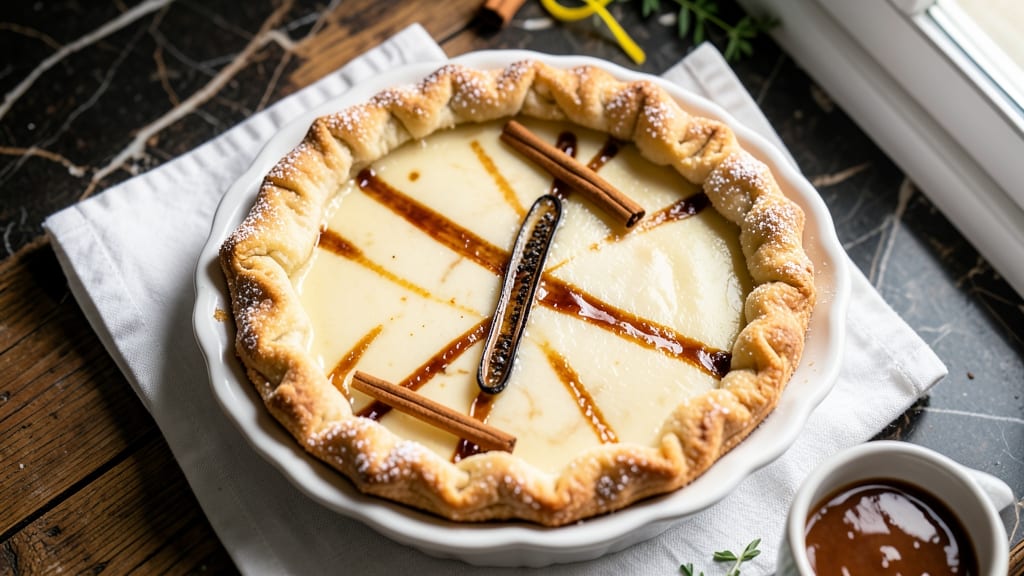
This special egg pie recipe delivers the perfect balance of a golden, crispy crust and silky custard hearts that melt in your mouth. The secret lies in a simple yet precise technique that ensures the filling stays rich and creamy while the crust achieves that satisfying crunch.
I've perfected this recipe over years of baking, and it never fails to impress—whether served at a holiday gathering or as a comforting dessert for two.
The foundation of this pie is a buttery, flaky crust that bakes to a beautiful golden brown, providing the perfect contrast to the velvety egg custard. What sets this recipe apart is the way the custard sets into delicate, heart-shaped pockets, creating both visual appeal and a delightful texture.
The process is straightforward, but the result feels like a restaurant-quality dessert you can make at home.
With just a few simple ingredients—flour, butter, eggs, and a touch of sugar—you'll create a pie that's both elegant and foolproof. The crust requires minimal handling, and the custard mixture comes together in minutes, making this a great project for beginners or experienced bakers looking for a reliable showstopper.
The aroma alone as it bakes will have everyone in your kitchen anticipating that first slice.
Once baked, the pie emerges with a glossy, golden crust and custard that's just set enough to slice cleanly but still tender enough to melt in your mouth. Serve it warm with a dollop of whipped cream or a scoop of vanilla ice cream for the full experience.
This recipe is designed to be your go-to for special occasions or whenever you crave a dessert that feels truly indulgent.
Ingredients for special egg pie
Buttery crust meets velvety custard—just six ingredients transform into a showstopper dessert everyone will beg for seconds.
| Ingredient | Amount | Notes |
|---|---|---|
| All-Purpose Flour 🌾 | 2 ½ cups | Sifted for flaky crust |
| Unsalted Butter 🧈 | 1 cup | Cold, cubed for crust |
| Large Eggs 🥚 | 6 whole | Room temperature for custard |
| Granulated Sugar 🍚 | ¾ cup | Plus 1 tbsp for crust |
| Heavy Cream 🥛 | 1 ½ cups | Full-fat for richness |
| Vanilla Extract 🌿 | 1 tbsp | Pure extract preferred |
| Salt 🧂 | ½ tsp | Fine sea salt |
| Ice Water 💧 | ⅓ cup | For dough handling |
| Cornstarch 🌽 | 2 tbsp | For custard stability |
| Powdered Sugar 🍚 | ¼ cup | For dusting hearts |
| Whole Milk 🥛 | ½ cup | For custard creaminess |
| Ground Cinnamon 🌶️ | ½ tsp | Optional for crust flavor |
The butter is non-negotiable here—Plugrá or Land O'Lakes work best for that perfect flakiness. Grab it cold from the fridge, cut into cubes, and keep it that way until the dough comes together. Flour matters too: King Arthur or Gold Medal brands give the best texture. For the custard, eggs at room temperature mix smoother, so take them out 30 minutes before baking. The custard's secret? Cornstarch keeps it silky while the cornstarch in the crust creates those magical heart pockets—don't skip it.
No heavy cream? Full-fat coconut milk works in a pinch, though the flavor will differ slightly. Short on powdered sugar? Regular sugar sifted finely does the trick. The crust can be made a day ahead and chilled—just let it warm up 10 minutes before baking. For the custard, if you're nervous about setting properly, bake it at 325°F instead of 350°F for 10 extra minutes. And trust me, the cinnamon in the crust makes all the difference—even a pinch elevates it from good to restaurant-quality.
The crust keeps 3 days wrapped at room temp or 1 month frozen. The custard filling? Best eaten fresh, but reheats beautifully in a 350°F oven for 10 minutes if needed. For serving, I always dust those heart-shaped pockets with powdered sugar right before slicing—it's the finishing touch that makes it look like a bakery masterpiece. Store leftovers covered in the fridge, but honestly, this pie disappears fast—plan for seconds.
Why You'll Love This Recipe
- No-Fuss Crust: I swear by this recipe because the crust is ridiculously simple—just flour, cold butter, and a splash of water. No rolling, no fuss, no stress. It’s the kind of crust that forgives mistakes, and honestly? You’ll never go back to piecing together store-bought.
- Creamy Egg Magic: That heavy cream and egg combo? It’s where the real magic happens. The custard is silky, the sugar caramelizes just enough to give it a subtle sweetness, and the butter in the crust makes every bite feel like a hug. Not too rich, not too light—just right.
- Breakfast or Dessert: Between us, this pie works for both. Serve it warm with a drizzle of honey for breakfast, or chill it overnight and slice it into squares for a decadent dessert. My kids ask for it at 8 AM and again at 8 PM—proof it’s versatile enough to handle any craving.
- Leftovers That Last: Make one, eat half, and still have perfect slices for days. The crust stays crisp, the custard holds its shape, and it reheats beautifully. Plus, the ingredients are budget-friendly—eggs, butter, and flour stretch far, so you’re not breaking the bank for a crowd-pleaser.
Step-by-step instructions for crispy crust with silky custard hearts
Here's how to build that perfect golden crust and velvety custard filling everyone will beg for.
Create the Crust with Cold Butter and Sugar
In a large bowl, combine the 2.5 cups all-purpose flour with the 0.5 tsp salt and 0.5 tsp ground cinnamon. Cut in the 1 cup unsalted butter (still cold) using a pastry cutter or your fingers until the mixture resembles coarse crumbs with pea-sized butter pieces remaining. Add the 0.75 cup granulated sugar plus an extra 1 tablespoon for the crust, mixing just until combined.
Gradually add the 0.33 cup ice water, 1 tablespoon at a time, mixing gently with a fork until the dough just comes together. The dough should hold when pressed but not be sticky. If it's too crumbly, add a few drops more ice water. Divide the dough in half and flatten each piece into a 6-inch round on parchment paper. Chill for 30 minutes while you prepare the filling.
Prepare the Custard Filling
In a medium saucepan, whisk together the 6 whole large eggs, 1.5 cups heavy cream, 0.5 cup whole milk, 1 tablespoon vanilla extract, and 2 tablespoons cornstarch. Cook over medium-low heat, stirring constantly with a wooden spoon, until the mixture thickens enough to coat the back of the spoon—about 5-7 minutes. The custard should be smooth and slightly thicker than heavy cream but not set.
Remove from heat and immediately pour the custard into a measuring cup. Let it cool to room temperature (about 20 minutes), stirring occasionally to prevent a skin from forming. The custard should be thick enough to hold its shape when dropped from a spoon but still pourable. This step is crucial for those perfect custard hearts when baked.
Assemble and Bake the Pie
Preheat your oven to 375°F. Roll out one chilled dough half to fit a 9-inch pie dish, leaving a 1-inch overhang. Transfer to the pie dish and trim the edges. Pour the cooled custard into the crust, filling it about ¾ full. Roll out the second dough half and cut into 6 strips about 1-inch wide. Arrange the strips in a lattice pattern over the custard, pressing the edges to seal.
Brush the lattice with a beaten egg (save the remaining 3 eggs for this) for extra shine. Bake for 40-45 minutes until the crust is deep golden brown and the custard is set but still slightly jiggly in the center. The filling should pull away cleanly from the edges of the pie dish when gently shaken.
Finish and Serve
Let the pie cool completely on a wire rack (about 2 hours). This prevents the custard from weeping and gives you that perfect sliceable texture. Before serving, dust the top with the 0.25 cup powdered sugar through a fine-mesh sieve for a snowy finish. Cut into 6 equal wedges and serve warm or at room temperature.
Here's the thing—this pie tastes even better the next day as the flavors meld. Store leftovers in the fridge for up to 3 days, but I promise you won't have any leftovers if you follow these steps carefully.
Pro Tips For Making Special Egg Pie
- Whisk Eggs Until Ribbon-Thin: I learned this the hard way—overbeaten eggs turn into scrambled messes. Whisk the eggs, sugar, and cream together until the mixture holds a slow ribbon when you lift the whisk. That’s the sweet spot for a silky, not-gummy custard. (Yes, even if you’re impatient like me.)
- Chill the Cream First: Cold heavy cream blends smoother and prevents lumps in the filling. Pop it in the fridge for 15 minutes before mixing—your future self will notice the difference in texture. (This isn’t the prettiest method, but it’s the tastiest.)
- Don’t Overbake the Crust: The crust should be golden but not browned—it’ll finish cooking while the pie sits. Pull it from the oven when the center still jiggles slightly (about 2–3 minutes before the recipe says). Overbaking turns it into a sad, dry shell.
- Cut Cold Butter in Cubes: Skip the soft butter—dice it into small cubes and toss it in the flour mix. It melts evenly into the crust, giving you that flaky, layered texture without fighting greasy clumps. (I was skeptical until I tried it.)
Regional styles of this dish
Classic Southern Style
In the American South, this egg pie transforms into a buttermilk custard pie with a touch of lemon zest in the filling. The crust gets a pinch of nutmeg for warmth, and the lattice is often replaced with a full top crust to hold the custard better during humid weather.
Serve warm with whipped cream and a drizzle of maple syrup for that classic Southern sweetness. 🌶️
French Tarte Fine
For a French-inspired version, replace the cornstarch with 2 tbsp potato starch for extra stability, and add 1 tbsp Grand Marnier to the custard. The crust becomes a double-crust pastry with a pâte sablée texture, baked until deep golden brown.
Serve with a raspberry coulis and a sprinkle of edible gold leaf for an elegant touch. The French call this a "tarte fine aux œufs"—light yet luxurious. ✨
German Apfelkuchen Twist
In Germany, this pie becomes an Apfelkuchen with diced apples folded into the custard filling. The crust includes 1 tsp cinnamon and ½ tsp cardamom, and the lattice is replaced with a crisscross pattern for visual appeal.
Top with sliced apples on the lattice before baking, then dust with powdered sugar and serve with vanilla ice cream. The apples caramelize beautifully during baking. 🍏
Japanese Matcha Version
For a Japanese-inspired take, replace the vanilla with 1 tbsp matcha powder and 1 tsp honey in the custard. The crust gets 1 tsp matcha mixed into the flour for a bright green hue.
After baking, dust the lattice with powdered matcha instead of sugar. Serve with red bean paste for a traditional contrast. This version is perfect for tea ceremonies or modern desserts. 💚
Italian Crema Pasticcera
In Italy, this pie becomes a crema pasticcera with a shortcrust pastry and a custard infused with 1 tsp lemon zest and ½ tsp orange blossom water. The lattice is optional, but a full top crust is traditional.
After baking, the pie is often brushed with syrup (equal parts water and sugar) and dusted with powdered sugar. Serve with espresso for an authentic Italian experience. ☕
Nutrition facts
Frequently asked questions
Why does the custard form heart shapes in this pie?
The heart shapes come from the cornstarch in both the crust and custard. When baked, the starch creates pockets that hold the custard while it sets, forming those delicate patterns. The lattice also helps distribute heat evenly for consistent shaping.
Can I make this pie ahead of time?
The crust can be prepped 1 day ahead and stored wrapped at room temperature. For the custard, bake it 1 hour before serving and let it cool completely. Reheat slices in a 350°F oven for 10 minutes to restore that warm, gooey texture.
What if my custard doesn't set properly?
This usually happens if the custard was too hot when poured into the crust or didn't cool enough. Let the custard cool to room temperature (about 20 minutes) before baking, and ensure your oven isn't too hot. If it's still runny, bake 5-10 minutes longer at 325°F to set it gently.
How do I prevent the crust from getting soggy?
Always let the pie cool completely on a wire rack before slicing—this prevents condensation from forming. For extra insurance, brush the lattice with beaten egg before baking, and avoid cutting into it until fully cooled. The custard should hold its shape without weeping.
Can I substitute heavy cream with something else?
For a lighter version, use full-fat coconut milk (though flavor will differ). For a richer option, try half-and-half** with an extra 1 tablespoon cornstarch to stabilize the custard. Avoid skim milk—it won't give the same creamy texture.