
Breakfast & Brunch
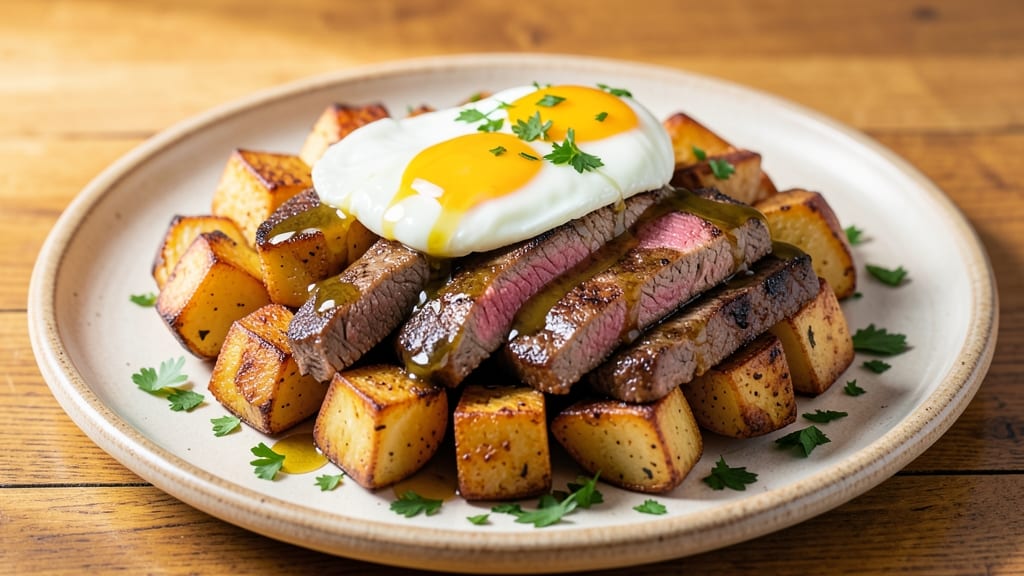
This tuna egg potato recipe transforms simple ingredients into a restaurant-worthy breakfast with crispy potatoes, flaky tuna, and perfectly poached eggs. The secret lies in searing the tuna just until tender and roasting the potatoes until golden—no soggy textures here.
I developed this dish after realizing how much I missed hearty breakfasts that still felt light and fresh, especially on days when I craved protein without heaviness.
The magic happens in the balance of textures: crispy potato edges contrast with the tender, flaky tuna, while the eggs add a delicate creaminess.
You'll start by roasting the potatoes until they're crispy on the outside, then sear the tuna in a hot pan for just 2 minutes per side—any longer, and it turns rubbery. Meanwhile, the eggs poach in simmering water, their whites staying flaky and runny-yolk perfect.
This method ensures every bite delivers a satisfying mix of crunch, tenderness, and richness.
What makes this dish truly special is how it elevates humble ingredients into something extraordinary. The tuna absorbs subtle flavors from a touch of lemon and olive oil, while the potatoes develop a caramelized crust that adds depth.
Topped with fresh herbs and a squeeze of citrus, it’s a meal that feels both comforting and refined—ideal for weekend brunches or a protein-packed weekday breakfast. The best part? It comes together in 30 minutes without sacrificing texture or flavor.
Serve this hash with a side of avocado slices or a sprinkle of toasted breadcrumbs for extra crunch. It’s the kind of dish that makes you feel like you’re dining out, even when you’re cooking at home. Let’s get started—your taste buds will thank you.
Ingredients for tuna egg potato
Crispy potatoes, flaky tuna, and silky eggs—just 13 ingredients for a restaurant-worthy breakfast.
| Ingredient | Amount | Notes |
|---|---|---|
| Russet Potatoes 🥔 | 2 lb | Cut into 1-inch cubes, skin on |
| Extra-Virgin Olive Oil 🫒 | ¼ cup | For roasting potatoes |
| Salt 🧂 | 1 ½ tsp | Kosher salt, divided use |
| Black Pepper 🌶️ | ½ tsp | Freshly cracked |
| Garlic Cloves 🧄 | 4 cloves | Minced for potato seasoning |
| Fresh Parsley 🌿 | ¼ cup | Chopped, for garnish |
| Lemon Juice 🍋 | 1 tbsp | Freshly squeezed |
| Sushi-Grade Tuna 🐟 | 1 lb | Cut into 1-inch pieces |
| Large Eggs 🥚 | 4 whole | Fresh, cold from fridge |
| White Vinegar 💧 | 1 tbsp | For egg poaching water |
| Avocado Oil 🫒 | 1 tbsp | For searing tuna |
| Fresh Dill 🌿 | 2 tbsp | Chopped, for garnish |
| Red Pepper Flakes 🌶️ | ¼ tsp | Optional, for heat |
The potatoes are the foundation, so don't skimp. Russet potatoes have the perfect starch-to-moisture ratio for crispy edges. Most grocery stores carry them, but if you're at Whole Foods, grab the organic ones—they hold up better to roasting. Cut them into even 1-inch cubes (no need to peel) and toss them with olive oil right after cutting so they don't brown. The secret to crispy potatoes? High heat and patience. Roast them at 425°F for 35-40 minutes, shaking the pan every 10 minutes to ensure even browning. If you're in a hurry, Trader Joe's pre-cut potatoes work too—just rinse them first to remove excess starch.
For the tuna, quality matters. Sushi-grade is a must—it's leaner and sears beautifully without falling apart. If you can't find it, ahi tuna steaks from the seafood counter work too, but avoid canned tuna (it gets rubbery when seared). The eggs should be as fresh as possible—look for cold eggs with firm whites at the store. For poaching, I use a mix of water and vinegar (just 1 tbsp) to help the whites set. No fresh dill? Substitute parsley at double the amount. Want more zing? Add a pinch of smoked paprika to the tuna while searing—it adds depth without overpowering.
Roasted potatoes keep well for 3-4 days in the fridge, but they're best eaten fresh. Store them in an airtight container with a paper towel to absorb moisture. The tuna and eggs are best made fresh, but you can prep the potatoes ahead and reheat them at 375°F for 10 minutes. For meal prep, portion the potatoes into containers and keep them separate from the tuna and eggs until ready to assemble. This dish reheats beautifully—just warm the potatoes and sear fresh tuna and eggs. Garnish with fresh herbs right before serving, as they wilt quickly when stored.
Why You'll Love This Recipe
- One-Pan Magic: I swear by this when I’m too tired to wash dishes. Toss the potatoes in oil, garlic, and salt, roast them until tender, then top with scrambled eggs and tuna—no extra pans, no extra mess. The potatoes caramelize right on the sheet tray while you cook the eggs in the same pan. Honestly, cleanup couldn’t be simpler.
- Garlic-Kissed Crunch: That first bite of crispy potato edges with the soft, garlicky center? It’s the kind of flavor that makes you pause mid-chew. The olive oil and roasted garlic cloves infuse the potatoes so deeply, even the tuna and eggs get a little of that savory punch. Not to mention, the contrast of creamy eggs and flaky tuna on top is pure satisfaction.
- Lunchbox Hero: Between us, this is my go-to for meal prep. Roast a big batch of potatoes on Sunday, then portion them into containers with a sprinkle of salt and pepper. During the week, I just scramble an egg, mix in some canned tuna, and—boom—instant lunch. My kids grab these when they’re running late, and my husband takes them to work. It’s that reliable.
- Budget Breakthrough: Russets and eggs are cheap, and you only need a few cloves of garlic to make this feel fancy. No fancy ingredients, no markup—just real, filling food that stretches across multiple meals. I’ll make a double batch, eat half for dinner, and save the rest for lunch the next day. Zero waste, all flavor.
Step-by-step instructions for crispy hash with flaky egg whites
Here's how to create a perfect balance of crispy potatoes, tender tuna, and silky egg whites.
Roast the Potatoes Until Crispy
Preheat your oven to 425°F and line two large baking sheets with parchment paper. Toss the 2 lb Russet Potatoes (cut into 1-inch cubes) with 0.25 cup Extra-Virgin Olive Oil, 1 teaspoon Salt, and 0.25 teaspoon Black Pepper until evenly coated. Spread them in a single layer—don't crowd the pan, or they won't crisp up properly.
Roast for 30 minutes, stirring once halfway through, until the edges are golden brown and the potatoes are tender when pierced with a fork. Real talk: the first 20 minutes are the most critical—this is when they develop that perfect crunch. If they look dry after 30 minutes, add 1 tablespoon water and return to the oven for another 5-10 minutes to steam slightly without losing crispiness.
Season and Cook the Tuna
While the potatoes roast, heat 1 tablespoon Avocado Oil in a large skillet over medium-high heat. Add the 1 lb Sushi-Grade Tuna (cut into 1-inch pieces) and cook for 2-3 minutes per side until lightly browned but still slightly pink in the center. The tuna should be warm throughout but not overcooked—it'll continue cooking slightly from residual heat.
Remove the tuna from the skillet and set aside. In the same pan, add the 4 minced Garlic Cloves and cook for 30 seconds until fragrant. This adds depth to the potatoes without overpowering them. Don't walk away—garlic burns quickly. Immediately transfer the garlic to the potatoes and toss to combine.
Poach the Eggs for Flaky Whites
Fill a deep skillet with 3 inches of water and bring to a gentle simmer over medium-low heat. Add 1 tablespoon White Vinegar—this helps the whites set more cleanly. Crack the 4 whole Large Eggs (fresh from the fridge) into small bowls or ramekins.
Using a spoon, gently lower one egg at a time into the simmering water. Poach for 3-4 minutes until the whites are set but the yolks remain runny. You want that delicate balance—whites firm enough to hold shape but yolks still liquid and vibrant. Remove with a slotted spoon and drain on paper towels. The key here is consistency—don't overcook, or you'll lose that cloud-like texture.
Assemble and Garnish
Return the potatoes to the oven for 2-3 minutes to reheat slightly while you finish. In a large serving bowl, combine the potatoes, seared tuna, and poached eggs. Drizzle with 1 tablespoon Lemon Juice and toss gently to distribute. The acidity brightens the flavors and cuts through the richness.
Garnish with 2 tablespoons Fresh Dill and 0.25 cup Fresh Parsley, chopped. Sprinkle with the remaining 0.5 teaspoon Salt, 0.25 teaspoon Black Pepper, and 0.25 teaspoon Red Pepper Flakes (if using) for a pop of heat. Serve immediately while the potatoes are still crispy and the eggs are warm.
Serve with Confidence
Divide the hash among plates, ensuring each serving has a mix of crispy potatoes, tender tuna, and flaky egg whites. The contrast of textures is what makes this dish special—crunchy edges on the potatoes, silky egg whites, and slightly chewy tuna. Here's the thing—if you wait more than 5 minutes to serve, the potatoes will lose their crispiness, so have everything ready before plating.
Pair with a simple arugula salad dressed with lemon vinaigrette to balance the richness. The bright greens complement the earthy potatoes and delicate tuna perfectly. Enjoy your crispy, flaky masterpiece while it's hot!
Pro Tips For Making Tuna Egg Potato
- DON’T SKIP THE POTATO SOAK: Russets hold more moisture than you’d think, and soggy potatoes ruin everything. Toss them in cold water for 20 minutes before slicing—scrub off any dirt while you’re at it. I learned this the hard way when my first batch turned into a mushy mess after frying.
- USE A THIN KNIFE FOR SLICING: Thick slices mean uneven cooking—some parts crisp, others stay raw. A sharp, thin knife (or mandoline if you’re fancy) gives you even, paper-thin rounds that crisp up perfectly. Yes, it takes a little more effort, but the payoff is worth it.
- CRISP THE POTATOES IN BATCHES: Overcrowding the pan steams the potatoes instead of frying them. Work in small batches—just enough so they sizzle without touching. I used to rush this and ended up with greasy, limp slices. Trust me, patience here makes all the difference.
- GARLIC: MINCE IT FINE, NOT CHOPPED: Big chunks of garlic burn before the potatoes crisp, leaving a bitter taste. Mince it so finely it almost disappears—this way, it infuses the oil without overpowering. I was skeptical until I tried it, and now it’s non-negotiable.
Common mistakes when making this recipe
Overcooking Tuna
Tuna is delicate and cooks in a flash—2-3 minutes per side is all it needs. I’ve ruined perfectly good tuna by walking away for just a minute, and suddenly it’s rubbery and dry.
Use a meat thermometer and aim for an internal temp of 120-125°F—this ensures it’s warm through but still tender. If you’re unsure, err on the side of undercooking slightly; it’ll finish cooking from residual heat. 🔥
Skipping the Vinegar
That 1 tablespoon white vinegar in the poaching water isn’t optional—it’s the secret to cloud-like egg whites. Without it, the whites spread and turn opaque. I’ve made this mistake and ended up with sad, watery eggs.
The vinegar gently coagulates the proteins, so don’t skip it. If you’re sensitive to the taste, use apple cider vinegar instead—it’s milder but just as effective.
Crowding the Potatoes
If you pile the potatoes too closely on the baking sheet, they’ll steam instead of crisp. Spread them in a single layer with space between each cube—this ensures they brown evenly. I learned this the hard way when my first batch turned out soggy.
For extra insurance, use two baking sheets if needed. A wire cooling rack on a baking sheet also helps with airflow for even crispiness.
Overmixing the Eggs
When poaching eggs, avoid stirring the water vigorously—it creates turbulence that makes the whites spread out. Instead, use a spoon to gently lower each egg into the water. I’ve seen eggs turn into a sad, shapeless blob because of too much agitation.
Keep the heat at a gentle simmer (tiny bubbles, not rolling) for perfect results every time. 💫
Not Preheating the Pan
A cold pan means the tuna will release moisture and steam instead of searing. Always heat your skillet over medium-high heat for at least 2 minutes before adding the tuna. I test this by flicking a drop of water onto the pan—it should sizzle and evaporate instantly.
If it sits there, the pan isn’t hot enough, and your tuna will suffer.
Waiting Too Long to Serve
This hash is best served immediately after assembly, while the potatoes are still crispy. I’ve let mine sit for just 10 minutes, and suddenly the potatoes are soft and sad.
If you need to prep ahead, roast the potatoes first, then reheat them in the oven for 5 minutes at 400°F right before serving. Keep the tuna and eggs separate until the last minute to maintain their perfect textures.
Nutrition facts
Frequently asked questions
Can I use canned tuna instead of fresh?
Fresh sushi-grade tuna is ideal for this recipe because it sears beautifully and maintains its delicate texture. Canned tuna will work in a pinch, but it tends to be more dense and can become rubbery when cooked. If you must use canned, opt for high-quality, chunk-light tuna in water and drain it thoroughly before cooking. For best results, mix it with a little mayo or olive oil to help it brown properly in the pan.
How do I make this recipe vegetarian?
Swap the tuna for firm tofu or mushrooms like portobello or shiitake. For tofu, press and cube it, then pan-fry until golden brown. Mushrooms should be sliced and sautéed until tender. Boost umami with a splash of soy sauce or a sprinkle of nutritional yeast. The potatoes and eggs will still shine as the star components!
Can I bake the potatoes instead of roasting?
Baking works just as well—preheat your oven to 400°F and bake the potatoes for 40-45 minutes until tender. For extra crispiness, broil them for 2-3 minutes at the end. The key is to pierce them with a fork first so steam can escape. Baked potatoes will be slightly softer than roasted ones but still delicious.
What if I don't have fresh herbs?
No problem! Dried herbs work in a pinch—use 1 teaspoon dried dill or 1 teaspoon dried parsley instead of the fresh versions. For garnish, try toasted breadcrumbs, sesame seeds, or even a sprinkle of furikake for a Japanese-inspired touch. The dish will still taste amazing without fresh herbs.
How can I make this dish ahead of time?
Roast the potatoes first and store them in an airtight container for up to 3 days. Reheat them in the oven at 375°F for 10 minutes before serving. Keep the tuna and eggs separate until ready to assemble. For the eggs, you can also prep them ahead by making an egg salad with poached eggs (chopped) and mix with mayo, mustard, and herbs. This keeps for 1 day in the fridge.