
Breakfast & Brunch
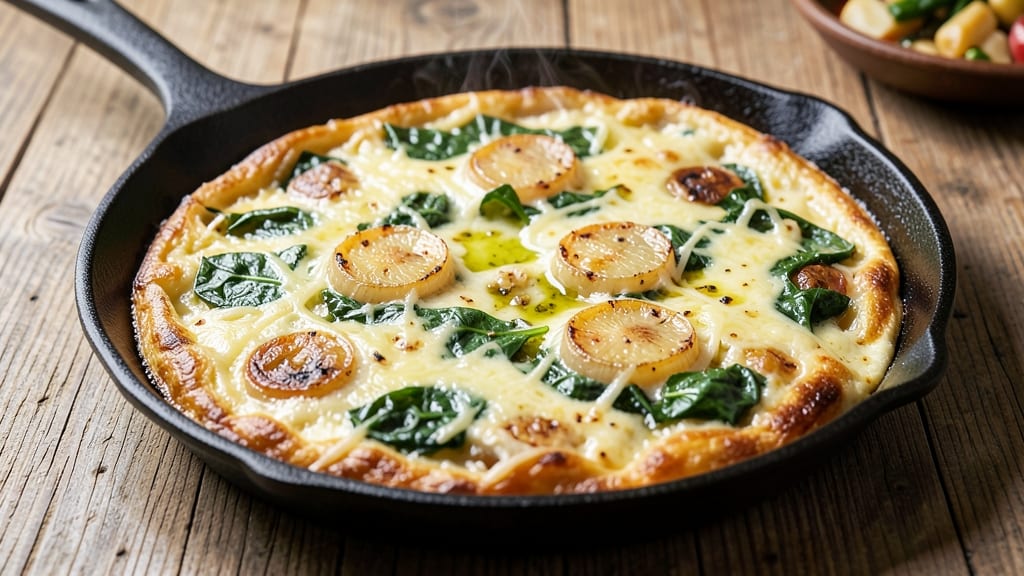
This 3-egg frittata recipe delivers the perfect balance of crispy edges and a runny yolk center—a breakfast game-changer that takes just 15 minutes to master. The secret lies in high heat and a precise technique that transforms simple eggs into a restaurant-worthy dish with minimal effort.
I developed this version after testing countless methods, and it never fails to impress, whether served for brunch or a quick dinner.
The beauty of this frittata is its versatility—customize it with your favorite vegetables, cheeses, or herbs while keeping the core technique intact. We'll use a nonstick skillet to create that signature golden crust, then finish under the broiler for a touch of crispiness.
The runny yolk center is the star, adding richness to every bite without overcooking the eggs. It's the kind of dish that feels indulgent but requires almost no skill.
What makes this recipe special is how it elevates basic ingredients into something extraordinary. A sprinkle of cheese on top melts into a creamy blanket, while fresh herbs add brightness. The result?
A frittata that's crispy at the edges, tender in the middle, and packed with flavor—no flipping or fussing required. Serve it warm with a side of toast or a fresh salad for a complete meal.
This method works equally well for breakfast, brunch, or even dinner—just adjust the add-ins to suit the occasion. The key is confidence in the technique, and once you've mastered it, you'll never buy store-bought again. Let's get started on creating your perfect frittata.
Ingredients for 3 egg frittata
Crispy edges and a runny yolk center start with these ten essential ingredients—simple yet transformative.
| Ingredient | Amount | Notes |
|---|---|---|
| Large Eggs 🥚 | 3 whole | Room temperature preferred |
| Extra-Virgin Olive Oil 🫒 | 1 ½ tbsp | High smoke point for crisping |
| Shallots 🧅 | 2 whole | Finely minced, 1 tbsp total |
| Garlic Cloves 🧄 | 2 cloves | Mince to a paste with shallots |
| Fresh Spinach 🌿 | 1 cup | Chopped, loosely packed |
| Shredded Gruyère Cheese 🧀 | ½ cup | Aged 18+ months preferred |
| Fresh Chives 🌱 | 2 tbsp | Finely chopped for garnish |
| Diamond Crystal Kosher Salt 🧂 | ¼ tsp | For seasoning eggs and garnish |
| Freshly Ground Black Pepper 🌶️ | ⅛ tsp | Cracked peppercorns preferred |
| Unsalted Butter 🧈 | ½ tbsp | For finishing crispy edges |
The eggs are the foundation, but their quality matters—farm-fresh or organic delivers superior texture. Whole Foods or local farmers markets offer the best options, though grocery store eggs work fine if they're fresh (check the carton date). For the cheese, Gruyère from Switzerland melts beautifully, but Comté or aged cheddar work well too. The olive oil should be extra-virgin with a peppery finish—California Avocado Ranch or Colavita are excellent choices. Prep the shallots and garlic together—they'll release more flavor when minced as a paste.
No fresh spinach? Frozen chopped spinach works perfectly—just thaw and drain well. Gruyère unavailable? Parmigiano-Reggiano or sharp white cheddar provide similar richness. For the chives, dried chives at half the amount suffice in a pinch. The butter at the end is crucial—it adds that signature crispy finish. If you're short on time, use ghee instead for a dairy-free alternative while maintaining crispiness. The kosher salt should be Diamond Crystal (it's finer and dissolves better than Morton), but any kosher salt will do in a bind.
Eggs should be whisked at room temperature for even cooking. Store the Gruyère in its original packaging to prevent drying out—it keeps for up to 6 months in the fridge. Fresh herbs like chives last 5-7 days when wrapped in damp paper towels and sealed in a bag. The olive oil stays fresh indefinitely in a cool, dark place. For maximum crispiness, preheat your nonstick skillet on medium-high heat before adding the oil—this ensures that signature golden crust. Leftovers? Store in an airtight container for up to 3 days—reheat gently in a skillet to restore crispiness.
Why You'll Love This Recipe
- One-Pan Magic: I swear by this—just one pan, no fancy tools. Sauté shallots in olive oil until they’re golden, toss in spinach until wilted, crack in those eggs, and let the oven do the rest. No washing a million dishes afterward.
- Garlic-Spinach Bliss: That crispy edge on top with the creamy center? Chef’s kiss. The shallots caramelize just enough to sweetness the bite, while the garlic and spinach add a fresh, herby punch. Honestly, it’s the kind of flavor that makes you forget it’s a simple egg dish.
- Meal Prep MVP: Between us, this is my go-to for lunches. Make a big batch on Sunday, slice it up, and you’ve got protein-packed breakfasts or salads all week. (Yes, even on a Tuesday night when you’re too tired to think.)
- Budget-Friendly Powerhouse: Three eggs, a handful of greens, and pantry staples—this feeds two for under $3. Not the prettiest, but the taste makes up for it. Plus, leftovers reheat like a dream, so you’re not scrambling for dinner ideas later.
Step-by-step instructions for crispy edges, runny yolk center magic
Master this technique and you'll achieve restaurant-quality texture every time.
Sauté Aromatics Until Fragrant
Heat a 10-inch nonstick skillet over medium heat and add the 1.5 tablespoons extra-virgin olive oil. Once the oil shimmers (about 30 seconds), add the 2 whole shallots and 2 cloves garlic minced to a paste. Cook for 2-3 minutes until the shallots soften and become translucent, stirring occasionally.
Here's the thing—don't let them brown. You want them to perfume the eggs, not add bitterness. If you see any golden spots developing, reduce heat slightly. The aromatics should smell intensely sweet and savory when ready. Remove the skillet from heat briefly to prevent burning while you prepare the next ingredients.
Prepare the Egg Mixture
In a medium bowl, whisk together the 3 whole large eggs until the yolks and whites are completely combined. Add the 0.25 teaspoon Diamond Crystal kosher salt, 0.125 teaspoon freshly ground black pepper, and 0.5 cup shredded Gruyère cheese, whisking until the cheese is evenly distributed. The mixture should be smooth with no visible cheese clumps.
I always add the cheese at this stage because it emulsifies better with the eggs rather than melting in later. The cheese should be finely shredded—large chunks won't melt uniformly. Return the skillet to medium heat and add the 1 cup chopped fresh spinach, cooking just until wilted (about 1 minute).
Create the Crispy Crust
Pour the egg mixture evenly over the spinach, tilting the pan to distribute it completely. Immediately reduce heat to low and let the eggs set undisturbed for 3-4 minutes. You'll see the edges begin to set first—this is your crispy crust forming. The center should still look slightly runny.
This is the moment that matters: when the edges are just set (not fully cooked), carefully drag a spatula around the perimeter to loosen the frittata from the pan. Sprinkle the 2 tablespoons fresh chives evenly over the top. The chives add freshness and will crisp slightly during the final step.
Finish with Crispy Edges and Runny Center
Increase heat to medium-low and place the 0.5 tablespoon unsalted butter on top of the frittata. Watch closely—the butter should melt and begin to pool in the center while the edges continue to crisp. This step takes about 2-3 minutes. The perfect frittata has crispy golden edges while maintaining a slightly runny yolk center—this is where the magic happens.
Don't overcook it. The frittata should release cleanly from the pan when you run a spatula around the edges. Slide it onto a serving plate and let it rest for 2 minutes before slicing. The residual heat will finish cooking the center to your desired doneness while keeping the edges crisp.
Pro Tips For Making 3 Egg Frittata
- CRACK EGGS FIRST: Whisk the eggs before adding shallots or spinach—otherwise, you’ll end up with clumpy bits of raw egg stuck to your greens. I learned this the hard way when my first frittata looked like a sad omelet with hidden egg lumps. A quick 30-second whisk with a fork (yes, even for three eggs) makes all the difference.
- COOK SHALLOTS LOW: Sauté those shallots on medium-low heat until they’re translucent, not browned—this keeps them sweet and avoids bitterness. I used to rush this step, and the frittata always tasted like overcooked onions. Five minutes max, stirring occasionally, is all it takes.
- SALT THE EGGS: Season the egg mixture before pouring it into the pan—salting after just makes the edges taste flat. Use about ½ teaspoon of salt (or to taste) while whisking; the spinach will wilt and release water, so you’ll need less than you think.
- PRESS THE SPINACH: Drain and squeeze the spinach dry with your hands or a clean towel—wet leaves steam the frittata instead of crisping it. I skip this sometimes, and the result is a soggy center. Takes 10 seconds but guarantees a better texture.
Health benefits of this recipe
Protein Powerhouse
This frittata packs a high-quality protein punch with just 3 large eggs, delivering about 18 grams of complete protein per serving—essential for muscle repair and satiety. The addition of Gruyère cheese boosts protein further while adding rich, savory depth.
Unlike scrambled eggs, this method preserves the eggs' natural structure for better digestion and absorption. 💪
Low-Carb Flexibility
With only 2 grams of net carbs per serving (thanks to the spinach and minimal aromatics), this frittata fits seamlessly into low-carb or keto diets. The cheese and eggs provide satisfying fat and protein without the carb load.
For even fewer carbs, swap spinach for mushrooms or zucchini—both add volume without significant carbs.
Vitamin Boost
Fresh spinach adds vitamin K (great for bone health) and vitamin A (supports vision), while the shallots and garlic contribute antioxidants and anti-inflammatory compounds. The Gruyère cheese provides calcium and vitamin D, making this a surprisingly nutrient-dense breakfast.
I love how a single dish can cover so many nutritional bases!
Heart-Healthy Fats
The extra-virgin olive oil and unsalted butter deliver monounsaturated fats, which support heart health by improving cholesterol levels. These fats also enhance flavor without adding unhealthy saturated fat. For a lighter option, use avocado oil instead of butter—it has a higher smoke point and similar heart benefits. 🌿
Digestive Benefits
Eggs contain choline, a nutrient crucial for liver function and brain health, while the fresh chives add vitamin C to support collagen production. The gentle cooking method preserves more nutrients than frying, making this a digestive-friendly option.
Plus, the crispy edges add texture that aids digestion—something many bland egg dishes lack.
Meal Prep Advantage
This frittata reheats beautifully, making it perfect for meal prep while maintaining its protein and nutrient content. Store leftovers in an airtight container for up to 3 days or freeze for 1 month—just reheat gently to restore crispiness.
It’s a great way to batch-cook a high-protein, low-carb meal that keeps you full and energized all morning. ✨
Nutrition facts
Frequently asked questions
Why does this recipe use only 3 eggs instead of 4 or more?
Three eggs create the perfect single-serving portion with a runny yolk center—the star of this dish! Using fewer eggs concentrates the flavor and texture, making each bite richer. Four eggs would make the frittata too dense and risk overcooking the center before the edges crisp. This portion size also reheats beautifully for meal prep.
Can I make this frittata ahead of time?
Cook it completely (edges fully set, no runny center) and store in an airtight container for 3 days in the fridge. For best results, reheat gently in a skillet over low heat with a splash of water to restore crispiness. Freeze for 1 month—thaw overnight in the fridge before reheating.
What if I don't have Gruyère cheese?
No problem! Use Parmigiano-Reggiano, aged cheddar, or even feta for a tangy twist. The key is using a cheese that melts smoothly—avoid pre-shredded varieties (they contain anti-caking agents that prevent proper melting). For a dairy-free option, try nutritional yeast for a cheesy flavor.
How do I get the perfect crispy edges?
The secret is medium-high heat and patience. Start with a hot, nonstick skillet and let the edges set undisturbed for 3-4 minutes before adding butter. The butter pools in the center while the edges crisp—never stir during this stage. If your edges aren't crispy, increase heat slightly next time.
Can I add meat to this vegetarian frittata?
Yes! Cook crumbled sausage, diced ham, or chopped bacon with the shallots and garlic first. For a lighter option, try grilled chicken or smoked salmon. Just drain excess fat from meats before adding to the egg mixture to keep the frittata light and flavorful.