
Beverages
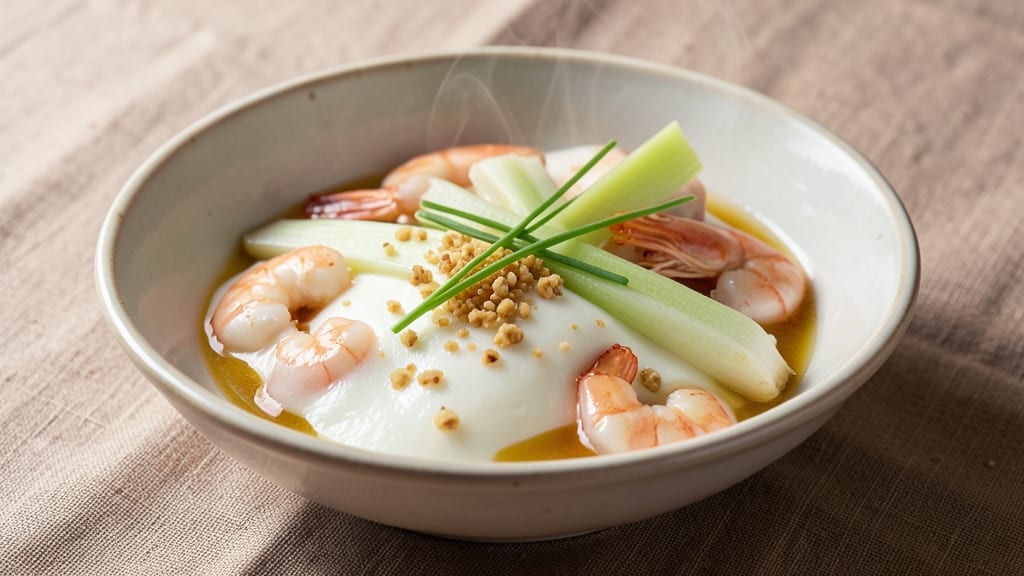
This steamed egg chawanmushi recipe delivers the delicate balance of silky custard and delicate ingredients that defines Japanese comfort food. The secret lies in a carefully crafted dashi broth that infuses the egg mixture with umami depth, while the steaming process creates that signature tender, jiggly texture.
I've refined this technique over years to ensure every bite achieves that perfect harmony of flavors and textures.
The beauty of chawanmushi is its versatility—traditional versions feature shrimp, mushrooms, and ginkgo nuts, but modern adaptations allow for vegetarian options or protein additions like chicken or salmon. The key is proper assembly: ingredients must be arranged carefully before steaming to maintain their distinct textures and flavors.
This is where patience pays off, as the gentle heat transforms simple ingredients into something truly special.
What you'll achieve is a dish that's as beautiful as it is delicious—golden custard with perfectly set edges, delicate ingredients peeking through, and a broth that's rich yet light.
The aroma alone will transport you to a quiet Japanese café, while the texture offers that perfect contrast between creamy custard and tender fillings. This recipe captures the essence of chawanmushi while making it accessible for home cooks.
Whether you're serving this as a light meal or elegant appetizer, the presentation matters just as much as the taste. The traditional approach emphasizes simplicity and balance, but you can adapt it to suit your preferences. Let's create something that feels both comforting and refined—exactly as chawanmushi should be.
Ingredients for steamed egg chawanmushi
Silky custard begins with precise ingredients—each plays its part in perfect harmony.
| Ingredient | Amount | Notes |
|---|---|---|
| Large Eggs 🥚 | 4 whole | Room temperature for best blending |
| Dashi Broth 🍜 | 1 ½ cups | Homemade or quality store-bought |
| Mirin 🍶 | 2 tbsp | Sweet rice wine for balance |
| Sake 🍶 | 2 tbsp | Dry variety preferred |
| Fresh Shrimp 🦐 | ½ lb | Peeled, deveined, butterflied |
| Shiitake Mushrooms 🍄 | 4 whole | Stems removed, thinly sliced |
| Ginkgo Nuts 🌰 | ¼ cup | Toasted lightly for nuttiness |
| Green Onions 🧅 | 3 whole | Thinly sliced, white and green parts |
| Kuzu Powder 🌾 | 1 tsp | Dissolved in 2 tbsp cold water |
| Unsalted Butter 🧈 | 1 tbsp | For ramekin preparation |
| Diamond Crystal Kosher Salt 🧂 | ½ tsp | Fine grain for delicate seasoning |
| White Pepper 🌶️ | ¼ tsp | Freshly ground for subtle heat |
The dashi broth is the soul of chawanmushi, so don't cut corners here. Homemade dashi using kombu and bonito flakes delivers unmatched depth, but Hondashi brand from Asian markets is a reliable shortcut. The mirin and sake should be dry varieties—sweet mirin can overpower the delicate balance. For the shrimp, freshness is critical: look for translucent flesh and a clean ocean scent at the seafood counter. Shiitake mushrooms should be firm with a rich umami aroma; avoid any that feel slimy or discolored. Ginkgo nuts can be found in the Asian foods aisle or online—toast them lightly in a dry pan to enhance their natural nuttiness before adding to the custard.
No shrimp? Thinly sliced chicken breast or salmon works beautifully as a protein substitute. For a vegetarian version, swap in tofu or king oyster mushrooms and increase the shiitake quantity by half. If you can't find kuzu powder, cornstarch at half the amount creates a similar thickening effect, though the texture will be slightly less refined. The butter used for the ramekins should be high-quality unsalted—it adds subtle richness that complements the custard. For the green onions, select fresh bunches with vibrant green tops; the white parts add a delicate sweetness that balances the dish's umami notes. If you're short on time, pre-sliced green onions from the refrigerated section work in a pinch.
Prevent the custard from overcooking by using hot water for steaming—not boiling. The ramekins should sit in about 1 inch of water, covered with a lid or foil. Once steamed, chawanmushi keeps beautifully for 2 days in the refrigerator, though the texture is best enjoyed fresh. To reheat, steam for 5-7 minutes over hot water. The delicate ingredients like shrimp and mushrooms can be prepped ahead and stored separately in the fridge for up to 2 days—just assemble just before steaming. For presentation, serve in the ramekins with a small side of soy sauce for dipping, which enhances the umami harmony without overpowering.
Why You'll Love This Recipe
- Silky Smooth Magic: The custardy egg center? It’s like biting into a cloud—no lumps, no fuss. Just whisk eggs with dashi, mirin, and sake, steam gently, and poof—creamy perfection every time. Honestly, the texture alone makes it worth the effort.
- Umami Bomb: That shrimp in the broth? It’s the star. The dashi and mirin marry into something rich and savory, while the sake cuts through with just the right brightness. One bite and you’ll understand why this dish feels like a hug in a bowl.
- Weeknight or WOW: Steamed in ramekins, it’s my go-to for busy nights—ready in 20 minutes. But serve it at a dinner party? The delicate presentation and layered flavors make it feel fancy. (Yes, even on a Tuesday night.)
- Budget-Friendly Luxury: Eggs, shrimp, and a splash of sake? It’s affordable without skimping. Leftovers reheat beautifully, and the ingredients stretch across multiple meals. Between us, this is the kind of dish that makes you feel like you’re eating well without breaking the bank.
Step-by-step instructions for steamed egg chawanmushi
Master the delicate balance of texture and flavor in this classic Japanese custard.
Prepare the Ingredients for Perfect Texture
Toast the 0.25 cup ginkgo nuts in a dry skillet over medium heat for 2-3 minutes until fragrant and lightly golden. Watch them closely—they burn quickly. Transfer to a cutting board and roughly chop them with a knife. This step enhances their nutty flavor and prevents bitterness.
Slice the 4 whole shiitake mushrooms stems removed into ¼-inch thick pieces. Thinly slice the 3 whole green onions, separating the white and green parts. Peel and devein the 0.5 lb fresh shrimp, then butterfly them lengthwise. Keep all prepared ingredients at room temperature—they'll blend more smoothly into the custard.
Create the Silky Egg Mixture
In a heatproof mixing bowl, whisk together the 4 whole large eggs until the yolks and whites are fully combined. Add the 1.5 cups dashi broth, 2 tbsp mirin, 2 tbsp sake, 0.5 tsp diamond crystal kosher salt, and 0.25 tsp white pepper. Whisk gently but thoroughly—you're aiming for a uniform, pale yellow mixture without developing too many bubbles.
Dissolve the 1 tsp kuzu powder in 2 tbsp cold water until completely smooth, then slowly whisk this mixture into the egg combination. The kuzu acts as a natural thickener, giving chawanmushi its signature silky texture. Strain the entire mixture through a fine-mesh sieve into a clean bowl to remove any potential lumps or impurities.
Assemble and Steam the Custards
Butter 4 ramekins generously with the 1 tbsp unsalted butter, coating both the interior and rims. Divide the shrimp, mushrooms, ginkgo nuts, and green onion whites evenly among the ramekins. Pour the egg mixture over the ingredients, filling each ramekin about ¾ full. Sprinkle the remaining green onion greens on top for presentation.
Arrange the ramekins on a steamer rack set over 2 inches of simmering water in a pot. Cover with a tight-fitting lid and steam over medium-low heat for 12-15 minutes. The custards are perfectly set when they've just barely begun to pull away from the edges and have a slight wobble in the center when gently shaken.
Finish and Serve Immediately
Remove the ramekins from the steamer and let them sit for 1 minute before serving. The custards will continue setting slightly as they cool. For presentation, run a knife around the edges to loosen them, then invert onto individual plates. The delicate texture means they should be served immediately while still warm.
Each bite should reveal a silky, almost gelatinous texture with distinct pockets of shrimp, mushrooms, and ginkgo nuts. The balance of umami from the dashi, sweetness from the mirin, and subtle heat from the white pepper creates a harmonious flavor profile that defines this traditional dish.
Pro Tips For Making Steamed Egg Chawanmushi
- Whisk Eggs Like Silk: Beat the eggs until they’re nearly white—no streaks, no yellow blobs—just pale and ribbony. I used to stop when the bowl looked "done," but the texture suffers. Keep going until the mixture clings to the whisk like liquid silk, then fold in the broth gently. This is what makes the custard set smooth, not rubbery.
- Prep Shrimp Like a Pro: Pat the shrimp bone-dry with paper towels before adding them to the custard—no wet shells, no splashing broth. I learned this the hard way when my shrimp turned mushy from sitting in liquid too long. Also, leave the shells on while steaming (for flavor), but peel them off right before eating—they’re just for the broth.
- Steep Mirin and Sake: Mix the mirin and sake with the dashi ahead of time—let them sit for 10 minutes while you prep the rest. This softens the alcohol’s bite and deepens the umami. I skip this now and then, but the broth tastes flatter when I do. (Yes, even if you’re impatient like me.)
- Test Doneness with a Spoon: The custard is done when the center wobbles but doesn’t run—like a firm Jell-O. Poke with a spoon: if it holds a clean dip but isn’t fully set, keep steaming. Overcooking turns it dense; undercooking leaves it soupy. My grandmother swore by this, and she was right: the spoon knows best.
Flavor customization for these flavors
Sweet and Savory Balance
Adjust the mirin-to-sake ratio to control sweetness—try 3 tbsp mirin and 1 tbsp sake for a sweeter profile, or 1 tbsp mirin and 3 tbsp sake for more umami depth.
I find 2 tbsp each gives the perfect harmony, but don't be afraid to experiment. For extra richness, add ½ tsp sugar to the custard mixture.
Spicy Kick Variations
Add ½ tsp grated daikon radish or ¼ tsp sansho pepper (Japanese pepper) for subtle heat. For a bolder kick, fold in 1 tsp finely chopped chili oil or ½ tsp gochujang paste into the egg mixture. The heat should complement, not overpower, the delicate flavors of the custard.
Vegetarian Protein Swaps
Replace shrimp with ½ lb king oyster mushrooms sliced into thin strips, or ½ lb silken tofu pressed and cubed. For extra umami, marinate the tofu in 1 tbsp soy sauce and 1 tsp mirin for 15 minutes before adding.
I've also used ½ lb thinly sliced eggplant with great success.
Seafood Alternatives
Swap shrimp for ½ lb scallops or ½ lb thinly sliced salmon. For scallops, sear them lightly in a dry pan for 1 minute per side before adding to the ramekins.
Salmon should be cooked to 125°F internal temperature before incorporating. Both options add luxurious texture while maintaining the dish's delicate balance.
Herb and Aroma Boosts
Add 1 tsp finely chopped shiso leaves or ½ tsp furikake seasoning to the custard mixture for herbal notes. For a floral touch, infuse the dashi with 1 strip of kombu and 1 tsp dried yuzu peel while simmering. These additions elevate the dish without overpowering its traditional essence.
Texture Contrast Additions
Incorporate ¼ cup finely chopped lotus root or ¼ cup pickled ginger for crunch. For creaminess, fold in 2 tbsp crème fraîche or 1 tbsp mascarpone cheese into the custard. These additions create delightful textural surprises that make each bite more interesting.
Nutrition facts
Frequently asked questions
Why does chawanmushi have that signature wobbly texture?
The silky, jiggly texture comes from the combination of kuzu powder (a Japanese arrowroot) and gentle steaming. The kuzu creates a natural gel-like consistency while the slow heat preserves the custard's delicate structure. Oversteaming breaks this texture, so 12-15 minutes is critical for that perfect set.
Can I make chawanmushi without a steamer?
Yes! Use a heatproof bowl or ramekins placed over a pot of simmering water with a tight lid. The key is maintaining medium-low heat—never boiling—to prevent the custard from curdling. A makeshift steamer with a colander over a pot works too, just ensure the water doesn't touch the ramekins.
What if my custard comes out too runny or too firm?
Too runny? Your kuzu mixture wasn't fully dissolved or the steaming time was insufficient. For next time, whisk the kuzu longer and steam 1-2 minutes longer. Too firm? Oversteaming or insufficient liquid in the egg mixture caused it. Reduce steaming time by 2-3 minutes and ensure your egg mixture is properly whisked.
How do I store leftovers without ruining the texture?
Chawanmushi keeps best when refrigerated in the ramekins for 2 days. To reheat, steam over hot water for 5-7 minutes until just warmed through. Avoid microwaving—it creates rubbery texture. For longer storage, freeze individual portions (without ramekins) for up to 1 month, thawing overnight in the fridge.
What's the best way to serve chawanmushi?
Traditionally served in the ramekins with a small side of soy sauce or ponzu for dipping. For presentation, invert onto plates and garnish with extra green onions or a sprinkle of furikake seasoning. The custard's delicate nature means it's best enjoyed immediately while warm and jiggly!