
Breakfast & Brunch
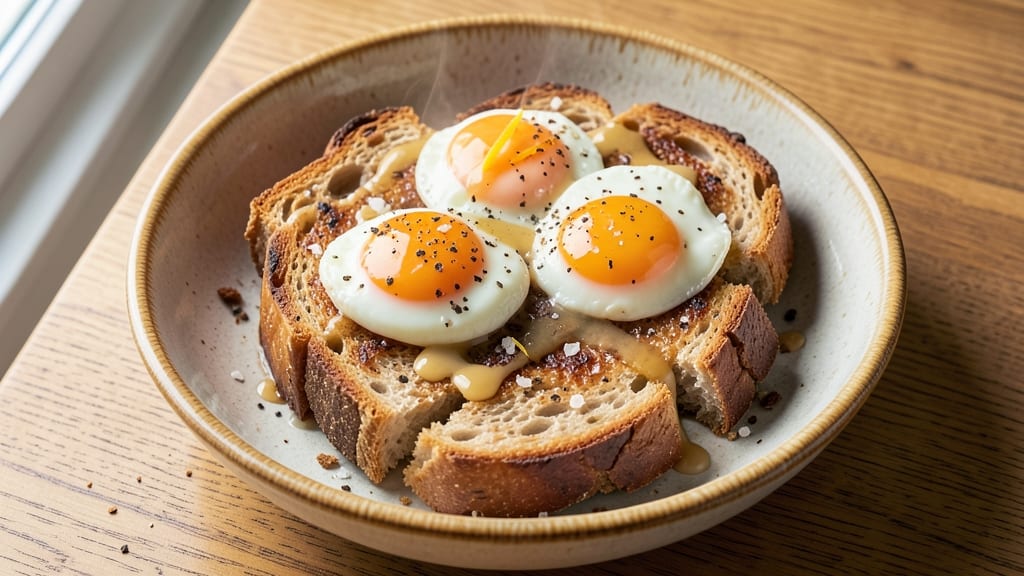
This wheat bread with egg recipe transforms ordinary loaves into something extraordinary—crisp golden crusts and tender, egg-enriched crumb that melts in your mouth. The secret lies in the egg's magic: it binds the dough for structure while adding richness that keeps every slice moist for hours.
I developed this recipe after years of baking wheat bread that either dried out too quickly or lacked that perfect balance of texture.
The beauty of this method is its simplicity: you'll mix the dough, let it rest, then brush it with an egg wash before baking. That simple step creates a crust so golden and crackly it looks like it came from a bakery.
The egg also prevents the bread from becoming dense—what you end up with is a loaf that's both hearty and delicate, perfect for breakfast toast or sandwiches that won't fall apart.
What makes this recipe truly special is how the egg transforms the wheat flour's natural heartiness into something lighter yet still substantial. The result is a bread with a crisp exterior that gives way to a soft, slightly chewy interior—ideal for soaking up jam or butter.
The aroma alone as it bakes will have your whole house smelling like a morning bakery.
This recipe works equally well for beginners and experienced bakers, with clear steps that ensure success every time. Whether you're making it for a family breakfast or a special occasion, the egg's contribution makes all the difference. Let's get started with the ingredients you'll need to create this perfect loaf.
Ingredients for wheat bread with egg
Twelve ingredients for a bakery-style loaf with golden crust and tender crumb.
| Ingredient | Amount | Notes |
|---|---|---|
| Wheat Flour 🌾 | 4 cups | All-purpose or bread flour preferred |
| Large Eggs 🥚 | 2 whole | Room temperature for best mixing |
| Warm Water 💧 | 1 ½ cups | 110°F, not boiling |
| Active Dry Yeast 🍞 | 2 ¼ tsp | Or 1 packet instant yeast |
| Granulated Sugar 🍚 | 1 tbsp | For yeast activation |
| Salt 🧂 | 1 ½ tsp | Diamond Crystal preferred |
| Unsalted Butter 🧈 | ½ cup | Cold, cubed for easy mixing |
| Whole Milk 🥛 | ¼ cup | Warmed to room temperature |
| Extra Large Egg 🥚 | 1 whole | For egg wash |
| Olive Oil 🫒 | 1 tbsp | For egg wash |
| Coarse Sugar 🍚 | 1 tbsp | For egg wash |
| Cornmeal 🌽 | ¼ cup | For dusting loaf pan |
The flour is everything here—King Arthur or Bob's Red Mill wheat flour gives that perfect balance of heartiness and lightness. I always grab mine from Whole Foods or the bulk section at Costco—both keep it fresh. The eggs? Pasture-raised from local farms if you can find them, but any large eggs work. Room temperature eggs mix better, so take them out 30 minutes before starting. The yeast should be fresh—if it's more than a few months old, toss it. For the butter, Land O'Lakes or Plugrá are my go-tos, but any unsalted will do. Don't melt it—keep those cold cubes for better texture.
No wheat flour? White whole wheat flour works in a pinch, though the color will be lighter. Short on eggs? Replace one with 1/4 cup applesauce—it won't be quite as rich, but still delicious. The milk can be any kind (dairy, almond, oat), but warm it up first. For the egg wash, if you're out of olive oil, melted butter works too. The coarse sugar? Turbinado or sanding sugar gives that perfect crunch, but regular sugar in a pinch is fine. And if you don't have cornmeal? Semolina or all-purpose flour dusts the pan just as well.
This dough is a dream to handle—sticky but not too wet. Let it rest 1-2 hours before shaping for best results. Shape it into a round loaf for that classic boulesque look, or a batard if you're feeling fancy. The egg wash keeps 2 days in the fridge, so make extra for quick breakfast toast. Store the loaf wrapped in a clean kitchen towel to keep it soft. Freezes beautifully for up to 3 months—just thaw at room temperature before slicing. Slice it thick for French toast or thin for sandwiches—either way, it's magic.
Why You'll Love This Recipe
- No-Fuss Mix-In: I swear by this recipe because it’s the kind of bread where you just dump ingredients in—no fancy kneading, no waiting for hours. The yeast and warm water activate while I measure flour, eggs, and sugar, and by the time I mix it all, the dough’s ready to shape in under 10 minutes.
- Golden Crust Secret: That egg in the dough? It’s not just for binding—it gives the crust this irresistible golden sheen and a subtle richness that makes it taste like a bakery loaf. Honestly, I’ve tried skipping it, and I always regret it.
- Weeknight Hero: This bread is my go-to for sandwiches, toast, or even garlic butter dipping—no one will guess it’s made with just five ingredients. I make a double batch on Sundays so I always have slices ready for quick lunches or midnight cravings.
- Budget Baking Wins: A single egg and a packet of yeast stretch this dough into two loaves, and the flour is cheap enough that I can afford to bake fresh bread without breaking the bank. Plus, leftovers toast just as well the next day, so it’s basically free lunch.
Step-by-step instructions for wheat bread with egg
Let's create a bread with a golden crust and tender crumb—this egg-enriched dough makes all the difference.
Activate the Yeast and Mix the Dough
In a large mixing bowl, combine the 1.5 cups warm water (around 110°F—not hot enough to kill the yeast), 2.25 teaspoons active dry yeast, and 1 tablespoon granulated sugar. Let this sit for 5-10 minutes until the mixture becomes frothy and bubbly—this confirms your yeast is alive and ready to work.
Next, add the 4 cups wheat flour and 1.5 teaspoons salt to the bowl. Stir with a wooden spoon until a shaggy dough forms. In a separate small bowl, melt the 0.5 cup unsalted butter and let it cool slightly. Pour in the 0.25 cup warm whole milk and mix until smooth. Add this butter-milk mixture to the flour, along with the 2 whole large eggs, and mix with your hands or a dough hook until the dough comes together.
Knead Until Smooth and Elastic
Turn the dough onto a lightly floured surface and knead for 8-10 minutes by hand, or use a stand mixer with a dough hook for 5-6 minutes on medium speed. You're looking for a dough that's smooth, elastic, and springs back slightly when poked. If it feels sticky, add a little more flour 1 tablespoon at a time—but don't overdo it, or your bread will be dense.
Here's the thing—this dough is richer thanks to the eggs and butter, so it might feel softer than usual. That's okay! The extra fat and protein will give your bread a tender crumb and a beautiful rise. Once kneaded, place the dough in a lightly oiled bowl, cover it with a damp towel, and let it rise in a warm place for 1-1.5 hours, or until it has doubled in size.
Shape and Let It Rise Again
After the first rise, punch down the dough to release air and shape it into a loaf. Lightly grease a 9x5-inch loaf pan with 1 tablespoon olive oil, then dust it generously with 0.25 cup cornmeal to prevent sticking. Place the dough seam-side up in the pan and let it rise again for 30-45 minutes—this second rise ensures a light, airy texture.
While the dough rises, preheat your oven to 375°F. The pan should be in the oven for 10-15 minutes before baking to ensure even heat distribution. This step is key—it prevents a dense loaf and helps create that golden crust we're after.
Egg Wash and Bake to Perfection
Whisk together the 1 whole extra large egg, 1 tablespoon olive oil, and 1 tablespoon coarse sugar in a small bowl. Brush this mixture generously over the risen dough in the pan—this creates that gorgeous golden crust and adds a touch of sweetness. Bake the bread for 30-35 minutes, or until the top is deep golden brown and the internal temperature reaches 190-200°F.
To test doneness, tap the loaf gently—it should sound hollow. If the top browns too quickly, tent the pan with foil to prevent over-browning. Once baked, remove the bread from the pan and let it cool on a wire rack for at least 30 minutes before slicing. This resting time allows the crumb to set, making it easier to slice without falling apart.
Slice and Serve Warm
Slice the bread while it's still warm for the best texture—each slice should have a tender, slightly chewy crumb with a crisp, golden crust. The eggs and butter in this recipe give it a rich, almost brioche-like quality, while the wheat flour adds a subtle nutty flavor. Serve it fresh with butter, jam, or enjoy it toasted for the ultimate breakfast experience.
Pro Tips For Making Wheat Bread With Egg
- Bloom Yeast in Warm Water: Skip the dry mix—yeast needs a cozy bath to wake up. Dissolve the sugar in the warm water first (110°F or just warm to the touch), then sprinkle yeast on top and wait exactly 5 minutes until it foams like a tiny beer mug. If it’s sluggish, your water’s too hot (yeast hates that).
- Whisk Eggs Until Ribbon-Thin: Don’t just crack and stir—beat those eggs until they hold a slow ribbon when you lift the whisk. This ensures even distribution in the dough and prevents dense, gummy bread. I used to rush this, and my loaves turned out like hockey pucks.
- Knead Until Windowpane: Test dough readiness by stretching a small piece—if it resists but doesn’t tear (like a thin window), you’re golden. Wheat flour is stubborn, so knead 8–10 minutes by hand or 5–6 minutes with a mixer. Over-kneading? The dough gets tough and chewy.
- Proof Loaves in a Warm Drawer: Your oven’s light-on trick works: turn it on low (70°F), place a bowl of hot water inside, then shut the door. Pop your shaped loaves in for 45–60 minutes until puffy but not doubled—wheat dough expands differently than white. No oven? A sunny windowsill with a towel draped over the bowl does the job.
Storing and reheating this dish
Refrigerator Storage
Wrap your freshly baked loaf in a clean kitchen towel or place it in an airtight container with a slice of bread to maintain moisture. Store it in the refrigerator for up to 5 days—the egg wash helps preserve freshness longer than plain bread.
I always keep a loaf wrapped this way on hand for quick toast or sandwiches. The crust stays crisp, while the interior remains soft and delicious. 💛
Freezing for Later
Slice your loaf before freezing for easy grab-and-go breakfast options. Wrap each slice individually in plastic wrap, then place them in a freezer-safe bag for up to 3 months.
When ready to eat, toast directly from frozen—no thawing required. For whole loaves, wrap tightly in foil and freeze for 2 months maximum. Thaw overnight at room temperature before slicing.
Reheating Slices
For the best texture, reheat slices in a toaster or toaster oven at 375°F for 3-5 minutes until golden and crisp. If you prefer stovetop, heat a dry skillet over medium heat and toast slices for 1-2 minutes per side.
Avoid microwaving—it makes the crust soggy. The egg components in this bread reheat beautifully, giving you that fresh-baked taste even days later. ✨
Reviving Stale Bread
Got stale bread? No problem! Spritz slices with water, then place them on a baking sheet. Pop in a 350°F oven for 5-7 minutes until crisp again. For extra richness, brush with a little melted butter after reheating.
The egg wash in this recipe makes it more forgiving than regular bread—it holds up better to reheating without drying out completely.
Egg Wash Preservation
Save any leftover egg wash in a small container in the fridge for up to 3 days. Whisk before using to maintain consistency. I often use it to brush the tops of bagels or dinner rolls for that same bakery-style shine.
The olive oil in the wash prevents it from drying out, making it perfect for quick crust enhancements on other baked goods too.
Serving Warm Tips
For that just-out-of-the-oven experience, reheat slices in a 300°F oven for 8-10 minutes on a wire rack. This method crisps the crust while keeping the interior tender. The egg components in this bread make it particularly forgiving for reheating—you'll barely notice the difference from fresh-baked.
Perfect for lazy weekend brunches or impromptu charcuterie boards. 🔥
Nutrition facts
Frequently asked questions
Why does this recipe use eggs in wheat bread?
The eggs add incredible richness and structure to the wheat flour, preventing a dense crumb while keeping slices moist for days. They also create that perfect golden crust when brushed on top—essential for bakery-style bread. The extra protein from eggs makes the dough more elastic, giving you a tender yet sturdy loaf.
Can I make this without a stand mixer?
This dough is perfect for hand-kneading—just work it on a lightly floured surface for 8-10 minutes until smooth and elastic. The eggs and butter make it softer than regular dough, so it might feel stickier. If needed, add flour 1 tablespoon at a time while kneading, but don't overdo it or the bread will be dense.
How do I know when the bread is fully baked?
Look for a deep golden brown crust and listen for a hollow sound when you tap the bottom. The internal temperature should reach 190-200°F. If the top browns too quickly, tent with foil. Let it cool on a wire rack for 30 minutes before slicing—this resting time prevents a gummy crumb and lets the egg components set properly.
What if my dough doesn't rise properly?
Check your yeast first—it should be fresh (test by dissolving 1 tsp in 1/4 cup warm water; it should bubble within 5 minutes). If the dough rises slowly, try these fixes: place the bowl in a 70°F oven with the light on, or use a warm (not hot) spot in your kitchen. Cold dough rises slower, so let it sit in a warm place for 1-1.5 hours.
Can I add seeds or nuts to this recipe?
Yes! Add 1/2 cup seeds (sunflower, sesame) or chopped nuts during the final kneading. Soak them in warm water for 10 minutes first to prevent dryness. For extra flavor, toast the seeds/nuts in a dry pan for 3-5 minutes before mixing. Just reduce the flour by 1/4 cup to maintain the right dough consistency.