
Main Courses
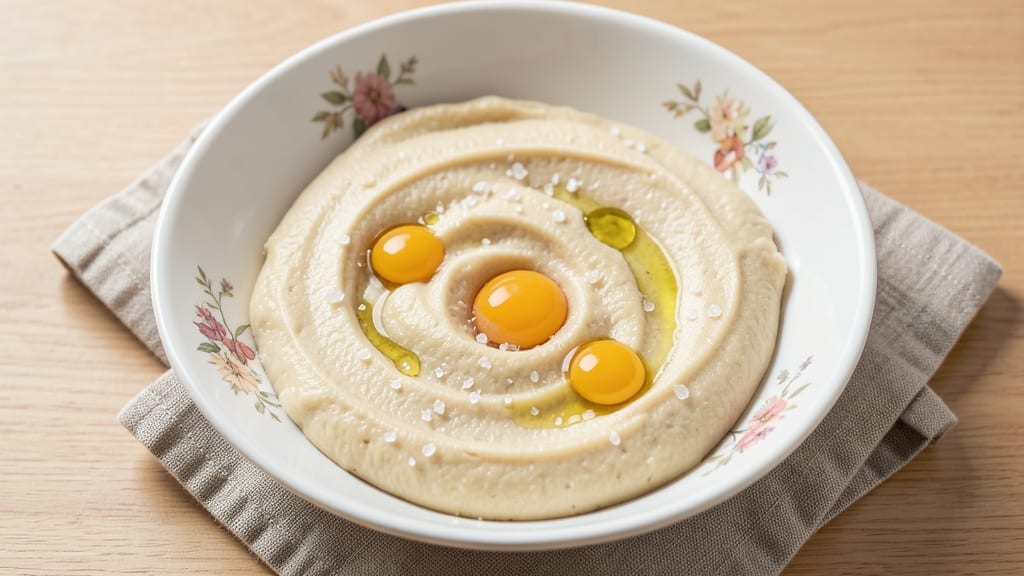
This 3-egg pasta dough recipe delivers the lightest, most tender homemade pasta you'll ever make—no kneading required. The secret lies in the perfect balance of eggs, flour, and a quick rest, creating strands that are impossibly delicate yet sturdy enough to hold any sauce.
I've perfected this method over years of testing, and it consistently yields restaurant-quality pasta with just five simple ingredients and 15 minutes of active time.
The beauty of this recipe is its versatility—you can shape it into classic tagliatelle, rustic pappardelle, or even delicate farfalle. The dough develops gluten naturally during the short rest, resulting in a silky texture that's far superior to store-bought.
What's more, this method works equally well with all-purpose flour, whole wheat, or even a mix of both for added nutrition.
What you'll achieve is pasta so tender it practically melts in your mouth, with a subtle eggy richness that pairs perfectly with tomato sauces, creamy Alfredo, or even simple olive oil and garlic.
The dough's elasticity ensures it won't stick to your rolling pin or break when cutting, making it ideal for beginners and experienced cooks alike.
Once you master this technique, you'll never buy dried pasta again. The process is surprisingly simple—mix, rest, roll, and cut—and the results are nothing short of transformative. Let's get started on creating your perfect homemade pasta.
Ingredients for 3 egg pasta dough
Five ingredients transform into silky pasta strands that rival restaurant quality.
| Ingredient | Amount | Notes |
|---|---|---|
| Large Eggs 🥚 | 3 whole | Room temperature for best mixing |
| All-Purpose Flour 🌾 | 2 cups | Plus 2 tbsp for dusting |
| Fine Sea Salt 🧂 | 1 tsp | Diamond Crystal preferred |
| Extra-Virgin Olive Oil 🫒 | 1 tbsp | High quality for richness |
| Water 💧 | 1 tbsp | Only if needed for elasticity |
The eggs are your secret weapon here—room temperature is key for smooth mixing. Pastorized eggs from the grocery store work fine, but if you're feeling fancy, grab a dozen from a local farm for that extra richness. The flour matters too—King Arthur or Caputo Tipo 00 give the best results, but Bob's Red Mill all-purpose works in a pinch. That extra 2 tablespoons for dusting? Don't skip it—prevents sticking when rolling. The olive oil adds tenderness, so don't use the cheapest bottle. If your dough feels too stiff after mixing, that's when you add the water—just a tablespoon at a time.
No olive oil? Avocado oil or melted butter works in a bind, though the flavor won't be identical. Short on eggs? Replace one with 2 tbsp unsalted butter for richness, but keep the total at 3. The salt is non-negotiable—it balances the eggy flavor. If you're using whole wheat flour, add an extra 1 tbsp of water since it absorbs more moisture. And pro tip: Weigh your flour if you can—2 cups by volume varies wildly by brand. For a lighter dough, let the eggs sit out for 30 minutes before mixing.
This dough keeps beautifully—wrap tightly in plastic and refrigerate for up to 24 hours. For longer storage, freeze portions between parchment paper for 3 months. When ready to use, let it sit at room temperature for 30 minutes before rolling. The dough doubles in size during its 30-minute rest—don't panic. It's normal! And if you're making farfalle, roll it paper-thin before cutting—the secret to perfect shapes. Leftovers? Toss in the freezer and cook straight from frozen—no thawing needed.
Why You'll Love This Recipe
- No-Knead Magic: I swear by this dough—just flour, eggs, and a pinch of salt. No stand mixer, no overworking, just a quick toss and rest. My lazy Sundays thank me every time.
- Rich, Buttery Bite: That third egg makes all the difference—silky yet sturdy, with a golden crust when cooked right. Honestly, it’s the kind of pasta that makes store-bought taste sad.
- Weeknight Workhorse: Roll it out for fettuccine, cut into squares for ravioli, or even press into a sheet for lasagna. I’ve used it for everything from quick weeknight dinners to impressing in-laws.
- Pantry Staple, Wallet-Friendly: Flour, eggs, and oil? You’re already stocked. A single batch feeds four, and leftovers freeze like a dream. Between us, this is how I stretch my grocery budget without sacrificing flavor.
Step-by-step instructions for light-as-air no-knead pasta dough
Here's how to make the perfect 3-egg dough that's tender, elastic, and ready for any shape.
Combine Wet Ingredients for Smooth Mixing
In a large mixing bowl, crack the 3 whole Large Eggs and add the 1 tbsp Extra-Virgin Olive Oil and 1 tsp Fine Sea Salt. Use a fork to whisk vigorously until the yolks and whites are fully combined and the mixture becomes pale yellow. This step ensures even distribution of fat and salt throughout the dough.
I like to add the eggs one at a time, whisking well after each addition. This prevents overmixing and helps create tiny air pockets that contribute to that signature light texture. The mixture should be smooth with no visible streaks of white—this indicates proper emulsification.
Gradually Incorporate the Flour
Add the 2 cups All-Purpose Flour to the egg mixture all at once. Using a wooden spoon or your hands, gently fold the flour into the eggs from the center outward, being careful not to overwork the dough. You'll notice it starts as a shaggy mass, but with each fold, it begins to come together.
Here's the thing—this dough shouldn't look perfectly smooth yet. It should be slightly crumbly but hold together when pressed. If it feels too dry after adding all the flour, add the 1 tbsp Water one teaspoon at a time until it just comes together. Too much water makes the dough sticky and difficult to work with.
Knead Just Enough for Elasticity
Lightly dust your work surface with flour and turn out the dough. Gently shape it into a loose ball, then press down with the heel of your hand. Fold the dough over itself and repeat this process for about 3-4 minutes, just until the surface becomes smooth and elastic. This minimal kneading develops enough gluten for structure without making the pasta tough.
Don't be tempted to overwork it—this is a no-knead dough designed to be tender. You'll know it's ready when it springs back slightly when pressed and feels smooth to the touch. If it sticks too much, dust with a little more flour, but don't add more than 2 tbsp total or it'll affect the texture.
Rest the Dough for Perfect Texture
Wrap the dough tightly in plastic wrap and let it rest at room temperature for at least 30 minutes. This resting period allows the gluten to relax and redistribute, making it much easier to roll out later. I usually let mine rest for 1 hour if I have time—it makes a noticeable difference in how smoothly it rolls.
During this time, the dough will firm up slightly. This is normal and actually helps prevent sticking when you're ready to roll. Keep it covered to prevent drying out, and avoid the temptation to check on it too often—every time you handle it, you're working more gluten into the dough.
Roll and Cut for Fresh Pasta
After resting, divide the dough into 4 equal portions (about 1/4 pound each) and roll each portion through a pasta machine set to the widest setting. Fold the sheet in half and repeat this process 2-3 times before gradually decreasing the machine settings by one notch each time until you reach your desired thickness.
For filled pastas, keep the dough wrapped in plastic until ready to use. For cutting into shapes, use a sharp knife or pasta cutter. The dough should be cool to the touch and hold its shape well when cut. If it's too sticky, dust lightly with flour—but remember, a little resistance when rolling is normal and actually helps create that beautiful al dente texture when cooked.
Pro Tips For Making 3 Egg Pasta Dough
- WARM THE EGGS FIRST: Crack those eggs into a bowl, then place it in warm water for 5 minutes before mixing. Cold eggs make the dough tougher and harder to work with—this trick keeps the gluten supple and the texture silky. (Yes, even if you’re impatient like me, the extra 5 minutes pay off.)
- WEIGH THE FLOUR: Skip the scooping—use a kitchen scale for the flour. A cup of all-purpose flour can vary by 20-30 grams between brands, and this dough is fussy about ratios. Aim for 250g flour per 3 eggs, or your pasta will either stick like glue or turn out dry and crumbly.
- KNEAD JUST ENOUGH: Stop when the dough stops fighting you. Mix the flour, eggs, olive oil, and a pinch of salt (about ½ tsp), then knead until smooth—roughly 8-10 minutes by hand or 3-4 in a stand mixer. Overworking it makes the pasta tough; underworked dough tears when rolling. Feel for a windowpane-like elasticity, not a rubbery mess.
- REST THE DOUGH (EVEN IF YOU FORGET): Wrap the dough in plastic and let it sit at room temp for at least 30 minutes before rolling. I learned this the hard way—skipping the rest leads to uneven thickness and dough that cracks when cutting. Pro move: Set a timer or leave it on the counter while you prep sauce. (Your future self will thank you.)
Essential equipment for this dish
Must-Have Tools
You don’t need a fancy setup—just a few essentials. A pasta machine like the Marcato Atlas (around $50) is a game-changer, but a rolling pin works in a pinch. For cutting, a sharp chef’s knife or pasta cutter (like the OXO Good Grips) prevents jagged edges.
I’ve even used a wooden dowel for rolling when traveling—just dust with flour to prevent sticking. 🔥
Work Surface Essentials
Your countertop needs to be clean and lightly floured. A marble slab (if you’re fancy) keeps dough cool and prevents sticking, but any smooth surface works. Avoid glass—it’s too slippery. I keep a small bowl of flour nearby to dust between folds.
For extra grip, try a silicone mat under your dough to reduce sliding. Pro tip: Chill the dough for 10 minutes before rolling if your kitchen feels warm.
Optional Upgrades
A digital scale (like the OXO Good Grips) ensures precision—2 cups of flour can weigh 250g, but brands vary. For filled pastas, a pasta press (such as the Imperia) speeds up shaping.
I also love a dough scraper (like Kitchy) to cleanly divide portions without tearing. These aren’t essential, but they make the process smoother—especially when making larger batches.
Budget-Friendly Swaps
No pasta machine? Use a bottle (like a 1-liter soda bottle) for rolling—just flatten the dough first. A fork works for cutting fettuccine if you’re in a bind. For resting dough, a ziplock bag (squeezed of air) keeps it fresh just as well as plastic wrap.
The key is patience—let the dough rest even without fancy tools. You’ll still get silky results. ✨
Cleanup Made Easy
Line your work surface with parchment paper to catch stray flour and dough bits—no scrubbing required. Keep a damp towel nearby to wipe sticky hands quickly. I also stash a small bowl of water for rinsing tools between uses.
A bench scraper helps gather scraps for remaking dough. Less mess means more time enjoying your pasta! 💫
Nutrition facts
Frequently asked questions
Why does your recipe use 3 eggs instead of 2 or 4?
The 3-egg ratio creates the perfect balance between tenderness and structure. Fewer eggs (2) can make the dough too dry, while more (4) risks overly rich, sticky pasta. Three eggs deliver that signature light-as-air texture while maintaining elasticity for rolling and cutting. The fat from the eggs also prevents cracking when dried or cooked.
Can I make this dough without a pasta machine?
Roll the dough between two sheets of parchment paper using a rolling pin or even a 1-liter soda bottle. For thickness control, fold the dough in thirds after each roll to create even layers. A fork works for cutting fettuccine, or press the dough through a colander for spaghetti-like strands. Just work quickly to prevent sticking.
What if my dough feels too sticky when rolling?
Sticky dough usually means it needs more flour or less resting time. Lightly dust your work surface and rolling tools with flour, but avoid over-dusting—too much can make the pasta dry. If the dough feels tacky after resting, let it sit uncovered for 5-10 minutes to absorb excess moisture. For stubborn stickiness, chill the dough for 10 minutes before rolling.
How do I store leftover dough or cooked pasta?
Wrap unused dough tightly in plastic and refrigerate for up to 24 hours or freeze for 3 months. For cooked pasta, cool it quickly under cold water, then store in an airtight container with a splash of olive oil to prevent sticking. Reheat in boiling water for 1-2 minutes or microwave with a damp paper towel. Fresh pasta reheats beautifully—no soggy results!
Can I substitute whole wheat flour?
Yes, but replace half the all-purpose flour with whole wheat and add 1 extra tbsp water since it absorbs more moisture. Whole wheat dough will be slightly denser but still delicious. For a lighter texture, mix 1 cup all-purpose with 1 cup whole wheat. Avoid 100% whole wheat—it lacks the gluten structure needed for rolling.