
Soups & Stews
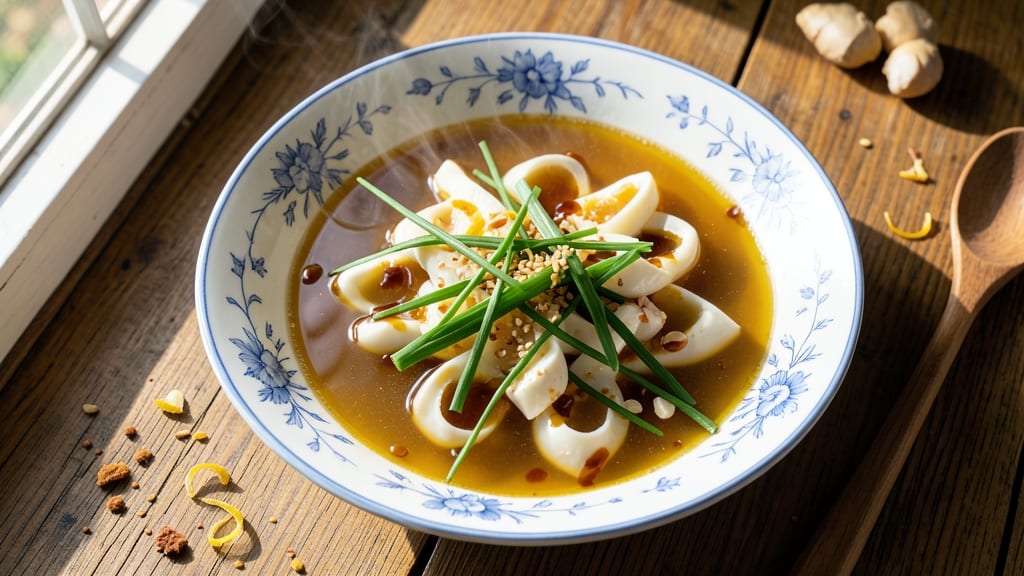
This vegetarian egg drop soup recipe delivers restaurant-quality comfort in a steaming bowl of silky egg ribbons and fragrant ginger broth. The secret lies in slow-simmered aromatics—fresh ginger, garlic, and scallions—that infuse every sip with warmth, while the delicate egg swirls create a velvety contrast.
I developed this version after realizing how easily traditional recipes can be adapted without sacrificing depth, making it perfect for both weeknight dinners and special occasions.
The broth builds flavor through a 30-minute simmer, where ginger and green onions release their natural sweetness while chicken-free stock (or vegetable broth) develops a rich, savory base.
What sets this apart is the technique for cooking the eggs—dropping them in thin, even ribbons that melt into the broth without breaking, creating that signature silky texture. This method ensures every spoonful is both comforting and elegant, with no lumps or overcooked edges.
By the time you serve this soup, you'll have a bowl that's visually stunning with its golden egg strands floating in a vibrant broth, garnished with scallions and a drizzle of sesame oil.
The aroma alone will draw everyone to the table, while the balance of ginger's spicy kick and the eggs' delicate creaminess makes it universally appealing. It's the kind of dish that feels both simple and sophisticated—ideal for pairing with steamed dumplings or a side of rice.
For extra depth, consider adding mushrooms or tofu to the broth, or finish with a sprinkle of red pepper flakes for heat. The recipe scales effortlessly, so you can easily double it for gatherings. Here's how to create this comforting classic from scratch.
Ingredients for ww egg drop soup
These simple ingredients transform into a velvety vegetarian egg drop soup with restaurant-quality aroma and texture.
| Ingredient | Amount | Notes |
|---|---|---|
| Vegetable Broth 💧 | 4 cups | Low-sodium preferred, homemade or quality store-bought |
| Fresh Ginger Root 🧄 | 2 tbsp | Finely grated, aromatic variety |
| Garlic Cloves 🧄 | 3 cloves | Minced, fresh preferred |
| Green Onions 🧅 | ½ cup | Sliced, white and green parts separated |
| Large Eggs 🥚 | 4 whole | Room temperature for silky ribbons |
| Sesame Oil 🫒 | 1 tbsp | Toasted, for finishing |
| Low-Sodium Soy Sauce 🥢 | 1 tbsp | For umami depth |
| White Wine Vinegar 🍶 | 1 tsp | Balances richness |
| Cornstarch 🌾 | ½ tsp | Dissolved in 1 tbsp water |
| Red Pepper Flakes 🌶️ | ¼ tsp | Optional, for subtle heat |
| Sesame Seeds 🌰 | ½ tsp | Toasted, for garnish |
| Vegetable Oil 🫒 | 1 tbsp | For gentle simmering |
| Salt 🧂 | ½ tsp | Adjust to taste |
The ginger is non-negotiable here—fresh, aromatic ginger from the produce section (not powdered) creates that signature warmth. For the best flavor, look for ginger with tight, bumpy skin and vibrant color at Whole Foods or your local Asian market. The vegetable broth should be rich but not salty—Imagine or Pacific Foods brands are reliable, or make your own from scratch. Green onions add freshness, so use the white parts for cooking and save the greens for garnish. For extra depth, consider adding a small piece of kombu to the broth while simmering.
No fresh ginger? Substitute with 1 tbsp ginger juice (from a jar) but expect less complexity. The eggs must be room temperature for perfect ribbons—crack them into a separate bowl first before adding to the broth. Soy sauce can be swapped for vegetable bouillon powder if needed, but the umami will be milder. For a clearer broth, strain it through a fine-mesh sieve after simmering. The cornstarch slurry is optional but helps thicken the broth slightly for a more luxurious texture. If you're sensitive to heat, omit the red pepper flakes entirely—the soup still shines without them.
This soup reheats beautifully—simmer gently for 2-3 minutes before serving to restore its velvety texture. Store leftovers in an airtight container in the fridge for up to 3 days. For a quick weeknight meal, prep the broth and aromatics ahead, then finish with fresh eggs and garnishes when ready to serve. The sesame oil should be added last—just before serving to preserve its delicate aroma. Garnish with extra green onions, sesame seeds, and a sprinkle of red pepper flakes for color and depth.
Why You'll Love This Recipe
- Five-Ingredient Magic: I swear by this—just broth, ginger, garlic, greens, and eggs. That’s it. No clutter, no stress, just pure simplicity that somehow still feels like a hug in a bowl.
- Silky Egg Perfection: The way the egg ribbons melt into the broth? Chef’s kiss. Thin, wispy strands with that crispy edge—it’s the little details (like slow drizzling the egg) that make this taste like a restaurant secret.
- Lunchbox or Dinner: Pack it for work when it’s still steaming, or serve it at a potluck where everyone’s bringing casseroles. The same ingredients work for a quick reset midday or a cozy Sunday dinner—no rules, just flexibility.
- Budget-Friendly Leftovers: A single batch feeds four, and the leftovers? Even better the next day. The flavors deepen, the broth gets richer, and you’ve got a $5 meal that tastes like you slaved over it. (Between us, I’ve had worse takeout.)
Step-by-step instructions for silky egg drop soup
Aromatic ginger and delicate egg ribbons create this restaurant-quality soup in minutes.
Prepare the Ginger-Garlic Broth Base
Heat the 1 tablespoon vegetable oil in a medium saucepan over medium heat. Add the 2 tablespoons finely grated fresh ginger root and 3 minced garlic cloves, cooking for 1-2 minutes until fragrant and the raw garlic aroma disappears. This step develops the soup's signature warmth without bitterness.
Pour in the 4 cups vegetable broth and bring to a gentle simmer. Add the 0.5 teaspoon salt and 1 tablespoon low-sodium soy sauce, stirring until fully dissolved. The broth should taste balanced—savory from the soy, bright from the ginger, and slightly salty. If using the optional 0.25 teaspoon red pepper flakes, add them now and simmer for 30 seconds to infuse subtle heat.
Create the Silky Egg Ribbons
In a small bowl, whisk the 4 whole large eggs until the yolks and whites are fully combined. In another bowl, dissolve the 0.5 teaspoon cornstarch in 1 tablespoon cold water—this slurry will help thicken the egg ribbons slightly. Let the eggs come to room temperature before proceeding; cold eggs create tough strands instead of delicate ribbons.
While the broth simmers gently (small bubbles breaking the surface), slowly drizzle the egg mixture into the center of the pot. Use a heatproof spatula to gently swirl the broth in wide circles, creating long, silky strands. The key is patience—don't rush the process. The egg should cook immediately upon contact with the hot broth, forming elegant ribbons that sink gracefully.
Finish and Garnish for Restaurant Quality
Remove the pan from heat and stir in the 1 teaspoon white wine vinegar—this brightens the flavors and balances the richness of the eggs. The vinegar should dissipate quickly, leaving just a hint of acidity. Add the 0.5 cup sliced green onions, reserving the white parts for garnish. Simmer for 1 additional minute to incorporate the flavors.
For the final touch, drizzle 1 tablespoon toasted sesame oil over the surface and sprinkle with 0.5 teaspoon toasted sesame seeds. Garnish with the reserved white green onion slices. Serve immediately in warm bowls, ensuring each spoonful captures the perfect harmony of silky egg, fragrant broth, and aromatic toppings.
Pro Tips For Making Ww Egg Drop Soup
- Simmer Ginger Low: The broth needs time to marry with the ginger—don’t rush it. After adding the sliced root, let it steep on low heat for at least 5 minutes, stirring occasionally. I used to blast it on high, and the flavor would always taste sharp and underdeveloped. Patience here makes the difference between background spice and real depth.
- Whisk Eggs Like a Pro: Separate the yolks and whites, then beat the whites alone until frothy (not stiff). Gently fold in the yolks—this keeps the ribbons silky when they hit the broth. I learned this the hard way after ending up with rubbery egg clumps that sank like stones. A fork works fine, but a rubber spatula gives you more control.
- Salt the Broth Early: Add half the salt when you first bring the broth to a simmer, then adjust later. The egg ribbons absorb flavor as they cook, and if you wait too long, they’ll turn bland. I was skeptical—salt before the eggs?—but it actually makes the ribbons taste richer, like they’re part of the soup from the start.
- Chop Green Onions Last: Save the whites for garnish and reserve the greens until the very end. Their bright color and fresh bite disappear fast in hot broth, so toss them in just before serving. I used to add them early, and they’d wilt into nothing—now I keep them crisp and vibrant, like a final flourish. (Yes, even if you’re impatient like me.)
Pro cooking tips for great ww egg drop soup
Egg Temperature Matters
Room-temperature eggs are non-negotiable for perfect ribbons—I always let mine sit in a bowl for 10-15 minutes before whisking. Cold eggs create tough, rubbery strands instead of delicate silkiness. Crack them into a separate bowl first, then whisk vigorously until no streaks remain.
The cornstarch slurry (½ tsp dissolved in 1 tbsp water) is my secret weapon—it helps the egg strands hold their shape better in the broth. 💫
Broth Heat Control
Your broth must simmer gently, not boil—think of tiny bubbles just breaking the surface. Too much heat causes the eggs to cook too quickly and break apart. I use a medium-low heat setting and a wide, shallow pot (like a 3-quart saucepan) to maintain even temperature.
If your broth starts boiling, reduce heat immediately or the eggs will scramble instead of ribboning beautifully.
Swirling Technique
The magic happens when you drizzle the egg mixture into the broth's center, then use a heatproof spatula to swirl in wide circles. This creates those signature long, elegant ribbons. Work quickly but deliberately—once the egg hits the broth, it cooks instantly.
I like to make 2-3 ribbons at a time, then repeat, until all the egg is incorporated. The goal is to keep the broth moving gently so the strands form evenly.
Ginger Infusion Tips
Fresh ginger is essential—never use powdered. I grind 2 tbsp ginger root with a microplane for maximum surface area and flavor. Sauté it in oil for 1-2 minutes until fragrant but not browned.
For extra depth, add a small piece of kombu seaweed to the broth while simmering (remove before serving). The ginger should perfume the entire soup, not overpower it—balance is key.
Vinegar Timing
Add the 1 tsp white wine vinegar just before removing the pot from heat—this brightens the broth and cuts through the richness of the eggs. Stir gently and let it sit for 30 seconds before adding garnishes.
The acidity should be subtle, not sharp. I find this step makes the difference between a good egg drop soup and a truly exceptional one. 🌟
Garnish Like a Pro
Toast your sesame seeds in a dry pan for 1-2 minutes until golden, then sprinkle over the finished soup. Reserve the white parts of the green onions for garnish—they add freshness and color.
A final drizzle of toasted sesame oil (just before serving) enhances aroma and ties all the flavors together. Presentation matters—serve in warm bowls with extra garnishes on the side for customization.
Nutrition facts
Frequently asked questions
Why does my egg drop soup turn out lumpy instead of silky?
The most common cause is using cold eggs or adding them too quickly to hot broth. Always let eggs sit at room temperature for 10-15 minutes before whisking, and drizzle them slowly into the broth while swirling gently. The broth should simmer at medium-low heat—never boil—to prevent the eggs from breaking apart.
Can I make this soup ahead of time?
Yes, but with a few adjustments. Prepare the broth and aromatics up to 2 days ahead, then store in an airtight container in the fridge. When ready to serve, reheat gently and cook the eggs fresh. For best texture, make the egg ribbons just before serving—they lose their delicate quality when reheated.
What's the best way to add protein to this vegetarian version?
For extra protein, try adding ½ cup firm tofu cubes (pan-fried until golden) or 2 oz shiitake mushrooms (sautéed with a pinch of salt). Both work beautifully in the broth and add texture. For a seafood option, shrimp or scallops can be added to the broth for the last 2 minutes of cooking.
How do I adjust the spice level?
The recipe includes optional ¼ tsp red pepper flakes for subtle heat. For more spice, add ½ tsp or swap for 1 tsp chili crisp at the end. If you prefer no heat, simply omit it entirely—the ginger and soy sauce provide plenty of flavor without spice.
Can I use powdered ginger instead of fresh?
Fresh ginger is ideal for maximum aroma, but if you must use powdered, reduce to 1 teaspoon (about ½ the amount) and toast it briefly in the oil with the garlic. Powdered ginger lacks the complex depth of fresh, but it will still add warmth to the broth. For best results, invest in fresh ginger from an Asian market.