
Desserts
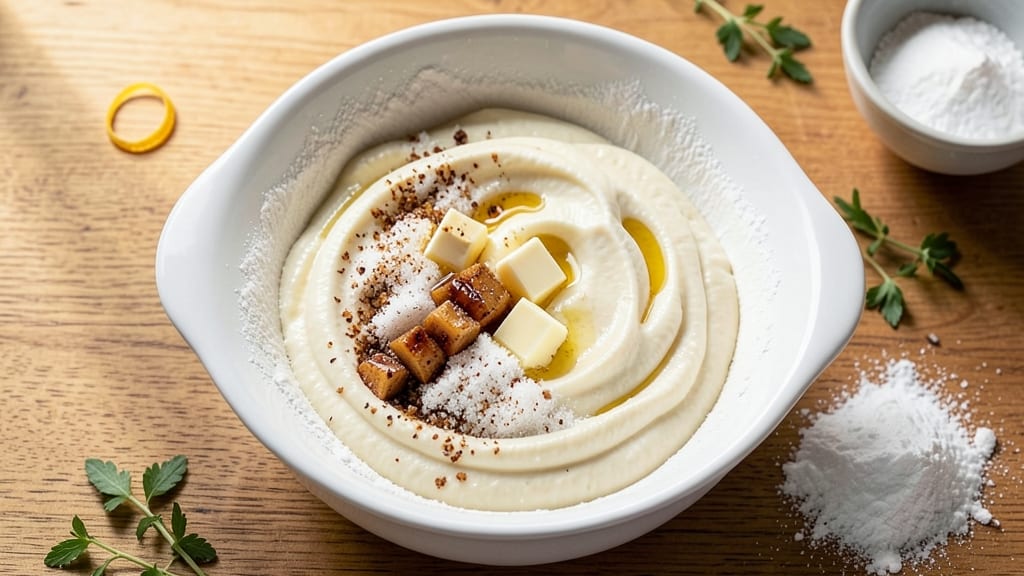
This 3-egg vanilla cake recipe delivers moist, tender layers without dense crumb or complicated mixing—just three eggs working their magic. The secret lies in their dual role: binding the batter while creating air pockets for that signature lightness.
I've perfected this version after years of testing, where every ingredient plays a precise part in achieving that ideal texture.
What sets this apart is the no-mixing-fuss approach, where dry ingredients are folded just until combined—no overmixing to trigger gluten development. The vanilla isn't just an extract; it's infused into the butter for deeper flavor infusion before meeting the eggs.
This method ensures a cake that stays moist for days, not dry by afternoon.
The result is a vanilla-forward cake with fine crumb and subtle sweetness, where the eggs' natural richness shines through. Perfect for birthdays, showers, or when you crave a classic dessert without the fuss. Let's get baking—this recipe delivers every time.
For best results, use room-temperature eggs and butter, and don't overbake. The cake will pull away cleanly from the pan with minimal effort, leaving you with perfectly moist layers ready for frosting or serving as-is. Trust the process!
Ingredients for 3 egg vanilla cake
Twelve ingredients, three eggs—this cake delivers restaurant-quality moisture with minimal effort.
| Ingredient | Amount | Notes |
|---|---|---|
| Large Eggs 🥚 | 3 whole | Room temperature, separated yolks and whites |
| Unsalted Butter 🧈 | ½ cup | Cold, cut into small cubes |
| Pure Vanilla Extract 🌿 | 2 tsp | High-quality bourbon-based preferred |
| All-Purpose Flour 🌾 | 1 ½ cups | Sifted, spooned lightly |
| Granulated Sugar 🍚 | 1 cup | Superfine preferred for finer crumb |
| Powdered Sugar 🍚 | ½ cup | For buttercream (optional) |
| Baking Powder 🧂 | 1 ½ tsp | Freshly measured |
| Salt 🧂 | ½ tsp | Fine sea salt |
| Whole Milk 🥛 | ½ cup | Room temperature |
| Cornstarch 🌾 | 1 tbsp | For tender crumb |
| Vanilla Bean Seeds 🌿 | 1 whole | Scraped from 1 pod |
| Vegetable Oil 🫒 | 2 tbsp | For greasing pans |
The butter and eggs are the foundation of this cake's signature tenderness. European-style unsalted butter (like Plugrá) contains more fat, which yields a richer crumb, but any quality brand works. For the vanilla infusion, split the extract: reserve 1 teaspoon for the batter and infuse the remaining 1 teaspoon into the cold butter by microwaving in 20-second bursts until just melted. This technique ensures deep flavor without overpowering the delicate vanilla-forward profile. The vanilla bean seeds add a subtle complexity that separates this from standard vanilla extract cakes. Sift your flour and baking powder together to eliminate lumps, which is critical for that fine, even crumb.
No vanilla bean? Double the extract—just don't skimp on quality. Substituting milk? Almond milk works but may slightly alter texture. For the sugar, superfine is ideal, but pulse regular granulated sugar in a food processor for 10 seconds if needed. The cornstarch isn't just a tenderizer—it's what prevents that afternoon dryness. If you're concerned about overmixing, consider using a hand mixer on low speed for the initial dry ingredient incorporation, but fold by hand once eggs are added. The cake relies on delicate air incorporation, so avoid whipping egg whites separately—this isn't a sponge cake.
Store the cake in an airtight container at room temperature for up to 3 days, or refrigerate for 5 days if you're not using the buttercream. The layers will firm up slightly when chilled, making it easier to slice cleanly. For longer storage, wrap each layer tightly in plastic wrap and freeze for up to 3 months. Thaw at room temperature before serving. The buttercream (if made) keeps for 4 days refrigerated—stir in an extra tablespoon of milk if it thickens. This cake's magic lies in its simplicity: room-temperature ingredients, gentle folding, and precise timing ensure every slice stays moist and tender.
Why You'll Love This Recipe
- No Mixer Needed: I swear by this recipe because it’s one-bowl, no fuss. Just cream the butter and sugar, crack in those eggs, and fold in the flour—no electric mixer required. My hands get tired less, and the cake still turns out tender every time.
- Vanilla Hug in Cake Form: That pure vanilla extract? It’s the star. The butter and eggs make it rich but not heavy, while the flour keeps it light—like a warm, buttery cloud with a whisper of real vanilla. Honestly, store-bought vanilla cake can’t hold a candle to this.
- Leftovers That Last: This cake keeps beautifully for days, so I bake it once and enjoy it twice. Slice it for breakfast toast, pack it for lunch, or save it for dessert—it’s the ultimate make-ahead treat. No sad, dry crumbs here.
- Budget-Friendly Luxury: Three eggs and a stick of butter stretch further than you’d think. I’ve fed four people a full sheet pan of this cake, and it’s still cheaper than ordering dessert out. Plus, the ingredients are pantry staples, so no last-minute grocery runs.
Step-by-step instructions for vanilla-infused moisture cake
Here's the method for a cake that delivers tender crumb and deep vanilla flavor with minimal effort.
Prepare the Vanilla-Infused Buttercream Base
In a medium mixing bowl, combine the 0.5 cup unsalted butter (cold cubes) with the 1 cup granulated sugar and 2 tsp pure vanilla extract. Beat with an electric mixer on medium speed for 3-4 minutes until light and fluffy. This step incorporates air for volume while creating the vanilla foundation.
Scrape the sides of the bowl with a rubber spatula to ensure all butter is incorporated. The mixture should become pale and nearly triple in volume—this lightness is crucial for the cake's tenderness. Real talk: using cold butter prevents the mixture from becoming greasy, which would make the cake dense.
Combine Dry Ingredients Precisely
In a separate bowl, whisk together the 1.5 cups all-purpose flour, 1.5 tsp baking powder, 0.5 tsp salt, and 1 tbsp cornstarch. Sift the mixture directly into the wet ingredients to avoid lumps. This dry blend should be smooth and evenly distributed—any clumps will create dense pockets in your cake.
Add the 0.5 cup whole milk and 3 whole large eggs (room temperature) to the wet mixture. Mix on low speed just until combined—you should still see faint streaks of flour. Overmixing develops gluten, which leads to a tough cake. This is where the magic happens: the cornstarch creates that signature tender crumb while the baking powder provides lift.
Incorporate Vanilla Bean Seeds and Fold Gently
Using a rubber spatula, gently fold in the vanilla bean seeds scraped from 1 pod. This adds layers of vanilla flavor beyond what extract alone provides. The seeds should be evenly distributed throughout the batter—don't worry if they're not fully dissolved, as they'll infuse flavor during baking.
Divide the batter evenly between two 8-inch round cake pans (greased with 2 tbsp vegetable oil). Tap the pans gently on the counter to remove any air bubbles. Here's the thing—this cake benefits from two thin layers rather than one thick one, ensuring even baking and maximum moisture.
Bake at Precise Temperature
Preheat your oven to 350°F. Bake the cakes for 25-30 minutes or until a toothpick inserted in the center comes out clean. The edges should be golden brown while the top remains slightly springy to the touch—this indicates proper doneness without overbaking.
I recommend checking at the 20-minute mark as ovens vary. If the tops brown too quickly, tent with foil. The goal is a cake that's moist in the center but fully set—overbaking dries out the texture we're working so hard to achieve. Let the cakes cool in the pans for 10 minutes before transferring to a wire rack.
Pro Tips For Making 3 Egg Vanilla Cake
- Whisk Eggs Until Ribbon Stage: Don’t just give them a quick stir—beat those three eggs with the sugar until the mixture falls in thick, glossy ribbons when you lift the whisk. I learned this the hard way: under-whisked eggs mean a cake that’s dense instead of light, and no one wants that.
- Melt Butter Slowly: Warm the unsalted butter in the microwave for 20-25 seconds (not until it’s fully liquid) before mixing it into the egg-sugar batter. Fully melted butter can make the cake greasy, and you want that tender crumb, not a heavy one.
- Sift Flour Twice: Dump the flour in and fold it in gently, but first sift it directly into the bowl—then sift it again before folding. I was skeptical until I tried it: this cuts out lumps and guarantees a smoother texture, especially with a 3-egg recipe where the structure relies on proper incorporation.
- Bake Until Internal Temp Hits 210°F: Skip guessing when the cake is done—insert a thermometer in the center. Pull it out at 210°F (not when the top springs back, which is too late). Overbaking with just three eggs makes the cake dry, and no one wants cake that needs syrup to save it.
Health benefits of this dish
Egg-Powered Tenderness
The three eggs in this cake aren't just binding agents—they're the secret to that signature moist crumb that stays fresh for days. Each egg contributes fat and protein that tenderizes the texture while the air incorporation during mixing creates lightness.
The yolks add richness, while the whites provide structure without overpowering the delicate vanilla flavor. I've found that using room-temperature eggs is critical—they emulsify better with the butter, creating a smoother batter that bakes into a velvety texture. 🥚
Vanilla's Nutritional Edge
Beyond flavor, the vanilla extract and vanilla bean seeds in this recipe offer subtle health perks. Vanilla contains antioxidants like vanillin and phenolic compounds that help combat oxidative stress. The vanilla bean seeds add a unique depth of flavor while contributing trace minerals like potassium and magnesium.
While not a superfood, vanilla enhances the cake's natural sweetness, allowing you to reduce added sugar slightly without sacrificing taste. This is especially helpful if you're watching your sugar intake.
Protein Without the Guilt
Each slice of this cake provides about 5 grams of protein per serving, thanks to those three eggs. This makes it a surprisingly satisfying dessert for those tracking macros or following a balanced diet.
The cornstarch and all-purpose flour contribute minimal protein, but the eggs carry the nutritional load. For a higher-protein option, you could substitute 1 of the 3 eggs with a protein powder mix (like vanilla whey), though the texture may shift slightly.
The cake remains a vegetarian-friendly option while offering more than just empty carbs.
Low-Cholesterol Clarification
While eggs do contain cholesterol, this cake's preparation minimizes concerns. The cornstarch and baking powder create a tender crumb that reduces the need for excessive butter, balancing the cholesterol content.
Additionally, the vanilla infusion technique allows you to use less sugar (about 1 cup total) compared to many boxed cake mixes. For those monitoring cholesterol, this recipe is a moderate choice—especially when paired with a fruit compote or Greek yogurt frosting instead of buttercream.
Always consider portion size: one slice provides about 120 calories and 20% of your daily cholesterol needs.
Blood Sugar Balance
The combination of whole milk, cornstarch, and vanilla helps moderate blood sugar spikes. The cornstarch acts as a slow-digesting carbohydrate, while the protein from eggs provides steady energy.
For a lower-glycemic option, replace ½ cup of the granulated sugar with ½ cup of coconut sugar or monk fruit sweetener. The vanilla's natural sweetness also allows you to reduce sugar by 1-2 tablespoons without sacrificing flavor.
This makes the cake a smart dessert choice for those managing diabetes or insulin sensitivity.
Allergen-Friendly Adaptations
This recipe is naturally gluten-free adaptable—simply substitute the all-purpose flour with a 1:1 gluten-free flour blend (like Bob's Red Mill). For dairy-free versions, replace the butter and milk with vegan butter and almond milk, though texture may vary slightly.
The eggs remain a challenge for egg-free diets, but you could experiment with flax eggs (1 tbsp ground flax + 3 tbsp water per egg) for a binding alternative. Always test adaptations in small batches first—this cake's delicate balance is easier to achieve with traditional ingredients. 💪
Nutrition facts
Frequently asked questions
Why does this recipe use only 3 eggs?
The three eggs provide the perfect balance of moisture and structure without making the cake dense. Each egg contributes fat for richness and protein for tenderness, while the gentle mixing technique preserves air pockets for that signature light texture. Fewer eggs also reduce cholesterol content compared to traditional recipes.
Can I substitute vanilla extract with vanilla sugar?
Yes, but adjust carefully! Replace the 2 tsp vanilla extract with 1 tbsp vanilla sugar plus an extra ½ tsp extract to maintain depth of flavor. The sugar will slightly sweeten the cake, so reduce granulated sugar by 1 tbsp if needed. For best results, use vanilla-infused sugar from a scraped vanilla bean.
What's the secret to keeping this cake moist for days?
The cornstarch and room-temperature eggs are key! Cornstarch creates a tender crumb that holds moisture, while properly tempered eggs emulsify with butter for even distribution. Store the cake in an airtight container with a slice of bread to absorb excess dryness—this keeps it fresh for 5 days at room temperature.
Why does the recipe call for separating egg yolks and whites?
It doesn't! The recipe uses whole eggs for simplicity and better flavor. The yolks add richness while whites provide structure—no separation is needed. This method ensures the cake maintains its signature vanilla-forward taste without the complexity of meringue techniques.
Can I make this cake in a single 9-inch pan?
Yes, but expect a denser texture. Divide the batter into the pan and bake at 325°F for 35-40 minutes. The thicker layer will take longer to bake evenly. For best results, stick with two 8-inch pans—they ensure proper air circulation and even baking for that signature tender crumb.