
Main Courses
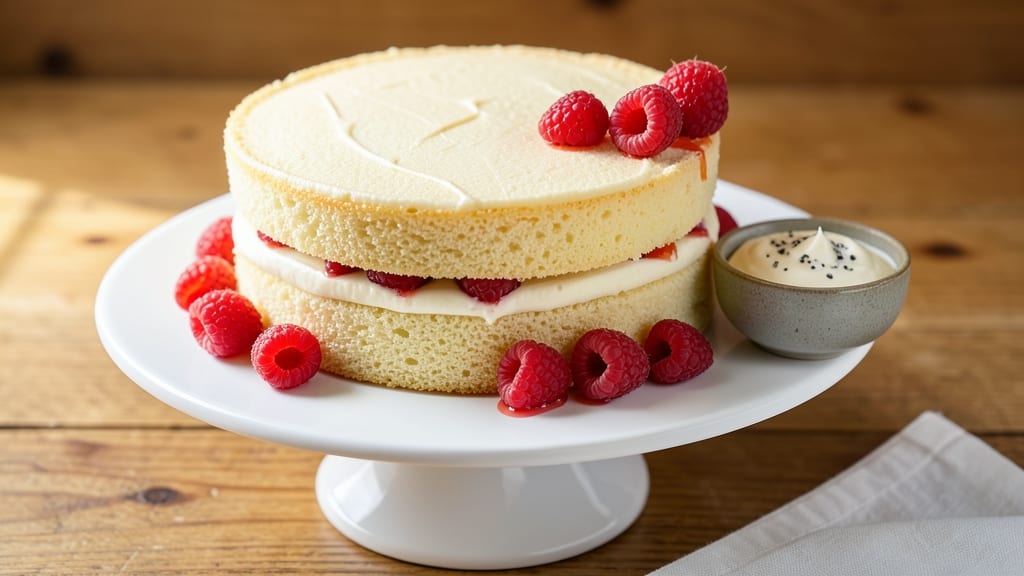
This 3 egg Victoria sponge recipe delivers the perfect balance of light, airy layers and jam-soaked richness—every bite reveals tender crumb and bursts of fruity flavor.
The secret lies in folding butter into sugar until pale and fluffy, then gently incorporating eggs to create a structure that's impossibly delicate yet sturdy enough to hold whipped cream clouds. I've perfected this technique over years of baking, ensuring each slice stays fresh and moist even after slicing.
The magic happens when you fold the batter just until combined—overmixing creates dense cake, while underfolding leaves gaps. Traditional methods call for whisking eggs and sugar separately, but this 3 egg version keeps the process simple without sacrificing texture.
The result? Layers that are crisp at the edges yet tender in the center, with a jam filling that oozes at every cut and whipped cream that stays fluffy for hours.
What makes this recipe truly special is the contrast of textures: the light, airy sponge cradles the jam's intensity while the whipped cream adds a velvety finish. No special equipment is needed—just a bowl, whisk, and patience for the layers to set.
The assembly process is where the real artistry comes in, ensuring each slice captures that perfect ratio of cake, jam, and cream in every bite.
Whether you're baking for a celebration or a cozy afternoon treat, this Victoria sponge delivers restaurant-quality results at home. The 3 egg method ensures reliability without compromising on elegance, making it ideal for both beginners and seasoned bakers. Let's get started on creating your own perfect slice.
Ingredients for 3 egg victoria sponge
Light layers, jam bursts, and clouds of whipped cream—just 11 ingredients for perfect Victoria sponge magic.
| Ingredient | Amount | Notes |
|---|---|---|
| Unsalted Butter 🧈 | 1 cup | Softened to room temperature |
| Granulated Sugar 🍚 | 1 ½ cups | Superfine preferred for smoothness |
| Large Eggs 🥚 | 3 whole | Room temperature for best mixing |
| All-Purpose Flour 🌾 | 1 ¾ cups | Sifted for light texture |
| Baking Powder 🧂 | ½ tsp | Aluminum-free preferred |
| Fine Sea Salt 🧂 | ¼ tsp | Diamond Crystal preferred |
| Vanilla Extract 🌿 | 1 tsp | Pure Madagascar preferred |
| Raspberry Jam 🍓 | ¾ cup | Seeds removed for smooth filling |
| Heavy Whipping Cream 🥛 | 1 ½ cups | Cold for best whipping |
| Powdered Sugar 🍚 | ½ cup | For sweetening whipped cream |
| Lemon Zest 🍋 | 1 tsp | Brightens the sponge flavor |
The butter needs to be perfectly softened—not melted, not cold. I always grab mine from Whole Foods or Trader Joe's because they keep it at the right consistency. The sugar should be superfine if you can find it (like Domino brand), but regular granulated works too—just pulse it in a food processor for a minute. Eggs at room temperature mix in beautifully, so take them out 30 minutes before baking. The flour? King Arthur is my go-to—it's reliable and gives that tender crumb we're after. Don't skip sifting it, even if the recipe doesn't say so (trust me on this).
No superfine sugar? Pulse regular sugar in a food processor for 30 seconds—game changer. Running short on vanilla? Almond extract at half the amount works in a pinch, though the flavor's different. The jam can be anything you love—raspberry, strawberry, even apricot. For the whipped cream, heavy cream straight from the fridge whips up fluffier. And if you're feeling fancy, add a splash of vanilla extract to the cream before whipping. The lemon zest? Zest one whole lemon—it brightens the whole cake without overpowering.
This sponge keeps beautifully for 3 days wrapped in plastic, though it's best enjoyed fresh. The jam filling stays perfect for 2 days in the fridge, but the whipped cream? Assemble it right before serving—it's that good. I like to portion the jam into little jars so I can assemble slices quickly. The cake itself? Store it in an airtight container with parchment between layers. Freezes surprisingly well too—up to 3 months if you wrap it tightly.
Why You'll Love This Recipe
- Three-Egg Magic: I swear by this ratio—just three eggs, a stick of butter, and flour. The batter comes together faster than you can cream butter and sugar, and no one will guess it’s this simple.
- Butter-Sugar Bliss: That creamed butter and sugar step? It’s where the magic happens. The texture is light, the crumb tender, and the flavor? Rich enough to feel special without being fussy.
- Tea Time Hero: Between us, this is my go-to for afternoon tea or a lazy Sunday brunch. Slice it, add jam and cream, and suddenly you’ve got a showstopper that takes zero effort to impress.
- Budget Baking Win: Three eggs, a cup of flour, and butter—this recipe won’t break the bank. Plus, leftovers toast up perfectly for breakfast or snacks, so you’re basically getting two meals for the price of one.
Step-by-step instructions for whipped cream clouds and jam burst
Here's the method that delivers light-as-air sponge layers, fluffy cream, and perfect jam filling every time.
Cream Butter and Sugar to Light and Fluffy
In a stand mixer fitted with the paddle attachment, beat the 1 cup unsalted butter and 1.5 cups granulated sugar on medium speed for 3-4 minutes. You're looking for a texture that's light, pale, and nearly doubled in volume—this incorporates air that will make your sponge rise beautifully. I like to scrape down the sides of the bowl with a spatula every minute or so to ensure everything gets fully incorporated.
This step is crucial because it creates the structure for your sponge. If you rush it, your cake will be dense instead of light. Watch for the mixture to become thick and ribbony when you lift the paddle—this is your signal that it's ready for the next ingredients. The butter should be completely smooth with no visible lumps.
Add Eggs and Lemon Zest Gradually
Add the 3 whole large eggs, one at a time, mixing on low speed after each addition until fully incorporated. Then stir in the 1 tsp lemon zest and 1 tsp vanilla extract. The lemon zest brightens the flavor and balances the sweetness, while the vanilla adds depth. I always use room temperature eggs—they mix more smoothly and create a lighter texture.
After adding the eggs, the mixture should be thick and glossy, almost like a pale yellow batter. If it looks curdled, don't worry—it will come together once you add the dry ingredients. The key here is patience; adding the eggs too quickly can cause them to scramble, which ruins the delicate texture of the sponge.
Combine Dry Ingredients for a Light Texture
In a separate bowl, whisk together the 1.75 cups all-purpose flour, 0.5 tsp baking powder, and 0.25 tsp fine sea salt. Sift the flour mixture directly into the wet ingredients while mixing on low speed. This prevents gluten development, which keeps your sponge tender rather than tough. Mix just until combined—you should still see some flour streaks.
Overmixing develops gluten, which makes cakes tough. Stop mixing as soon as the flour disappears. The batter should be smooth and slightly thick, like a light cake batter. If it looks too thick, you can gently fold in 1-2 tablespoons of milk (though our recipe doesn't call for it), but the batter should be just right as is.
Divide, Bake, and Assemble the Classic Layers
Preheat your oven to 350°F and divide the batter evenly between two 8-inch round cake pans lined with parchment paper. Bake for 20-25 minutes until a toothpick inserted into the center comes out clean. The edges should be golden brown, and the tops should spring back when gently pressed.
While the cakes are still warm, spread 0.375 cup raspberry jam evenly over one layer. This is half of the 0.75 cup total—we'll use the rest for the final assembly. Let the cakes cool completely before assembling to prevent the cream from melting.
Whip Cream and Assemble the Final Masterpiece
In a chilled bowl, whip the 1.5 cups heavy whipping cream and 0.5 cup powdered sugar to stiff peaks using a hand mixer or stand mixer. The cream should hold its shape when the beaters are lifted—this ensures it won't sink into the sponge. Fold the whipped cream between the cake layers and spread the remaining 0.375 cup raspberry jam over the top layer.
This is where the magic happens—the contrast of warm jam, cool cream, and tender sponge creates the perfect bite. Dust the top with a little extra powdered sugar if you like, and slice into perfect wedges. Serve immediately for the best texture, or store covered in the fridge for up to 2 days—though I promise, it won't last that long!
Pro Tips For Making 3 Egg Victoria Sponge
- CREAM BUTTER TO ROOM TEMP: Mix your butter and sugar until it’s just pale, not white—this means it’s properly emulsified. I learned the hard way that cold butter pockets make dense sponge; let it sit 10 minutes before creaming if your kitchen’s chilly.
- WHISK EGGS UNTIL THICK: Beat those eggs for at least 3 minutes until they’re ribbon-like and pale yellow. Skimp here, and your sponge will collapse; the extra effort guarantees a light, airy crumb that holds up to jam.
- FOLD FLOUR IN STAGES: Add half the flour first, then the rest—this prevents overmixing. I used to dump it all at once and ended up with tough sponge; patience here makes all the difference for that classic tender texture.
- CHILL DOUGH BEFORE BAKE: Give the batter 30 minutes in the fridge if you’re in a rush—it relaxes the gluten. I was skeptical until I tried it: the sponge rises evenly and doesn’t sink in the middle, even when overbaked.
Serving suggestions for this dish
Classic Tea Pairings
Victoria sponge shines with a classic British tea service—Earl Grey or English Breakfast are my top picks. The bergamot notes in Earl Grey complement the lemon zest in the cake beautifully, while the malty richness of English Breakfast balances the sweetness.
Serve with milk on the side for traditionalists or black for a stronger contrast. 🍵
Fruit Compote Upgrade
Swap the jam for a warm berry compote made with 1 cup mixed berries, 2 tbsp sugar, and 1 tsp lemon juice simmered for 10 minutes. Strain seeds for a silky texture, then brush between layers.
The natural fruit acids brighten the sponge while adding vibrant color. I love using fresh strawberries or blackberries for summer versions.
Coffee Twist for Dessert
For an after-dinner treat, serve with espresso or cold brew. The bitterness cuts through the sweetness beautifully. Add a pinch of cocoa powder to the whipped cream for a mocha version, or drizzle with caramel sauce for a decadent touch.
A sprinkle of crushed hazelnuts on top adds crunch and texture contrast. ☕
Seasonal Garnishes
Spring: Fresh raspberries and edible flowers (like violets) add color and freshness. Summer: Mint leaves and lemon slices keep it light. Autumn: Caramelized apples and cinnamon add warmth. Winter: Pomegranate seeds and orange zest bring festive cheer. Always garnish just before serving to preserve freshness. 🍓
Portioning for Parties
Use a 3-inch round cutter to create uniform slices for buffet service. Stack two layers with cream and jam, then dust with powdered sugar. Serve on parchment-lined trays to prevent sticking.
For a rustic look, use a serrated knife to cut free-form wedges. I always prepare extra filling—guests will want seconds!
Make-Ahead Assembly
Bake the sponge layers 1 day ahead and store wrapped at room temperature. Whip the cream and assemble just before serving. For a no-fuss dessert, freeze the assembled cake (without cream) for 1 month.
Thaw overnight, then add fresh whipped cream before serving. The jam keeps perfectly for 2 weeks in the fridge if stored in an airtight container. ❄️
Nutrition facts
Frequently asked questions
Why does this recipe use only 3 eggs instead of 4 or 5?
The 3 egg method creates a perfectly light sponge without making it too delicate. Three eggs provide enough structure for the airy texture while keeping the crumb tender. Traditional recipes often use 4-5 eggs, but this version delivers the same elegant result with slightly less richness. The butter-sugar creaming technique does most of the lifting for that signature fluffiness!
Can I make this Victoria sponge without a stand mixer?
Use a hand mixer or even a whisk with strong arms. Cream the butter and sugar for 8-10 minutes until light and fluffy—just keep scraping the bowl. For the eggs, whisk them separately with the sugar first, then gently fold into the butter mixture. The key is patience; this method just takes more elbow grease but works beautifully!
What's the best way to fix a cake that's too dense?
If your sponge turns out dense, it's likely from overmixing or under-creamed butter. Next time, mix the dry ingredients in 2 additions instead of all at once, and cream the butter and sugar until it's completely pale and fluffy (about 5 minutes). Also ensure your eggs are room temperature—they incorporate better that way. A dense sponge can still be saved by slicing thinly and adding extra whipped cream!
How do I prevent the whipped cream from sinking into the cake?
Whip the cream to stiff peaks—it should hold its shape when you lift the beaters. Chill the bowl and beaters beforehand for better volume. Spread the cream quickly between layers and press gently with a spatula to help it set. For extra stability, dust the top layer with powdered sugar before adding the final jam layer. This creates a barrier that keeps everything in place!
Can I substitute raspberry jam for something else?
Yes! Any fruit preserve works—try strawberry, apricot, or even lemon curd for a tangy twist. For a lighter option, make a quick compote by simmering 1 cup fruit with 2 tbsp sugar and 1 tsp lemon juice for 10 minutes. Strain seeds for a silky texture. The key is using about 0.75 cup of filling total!