
Main Courses
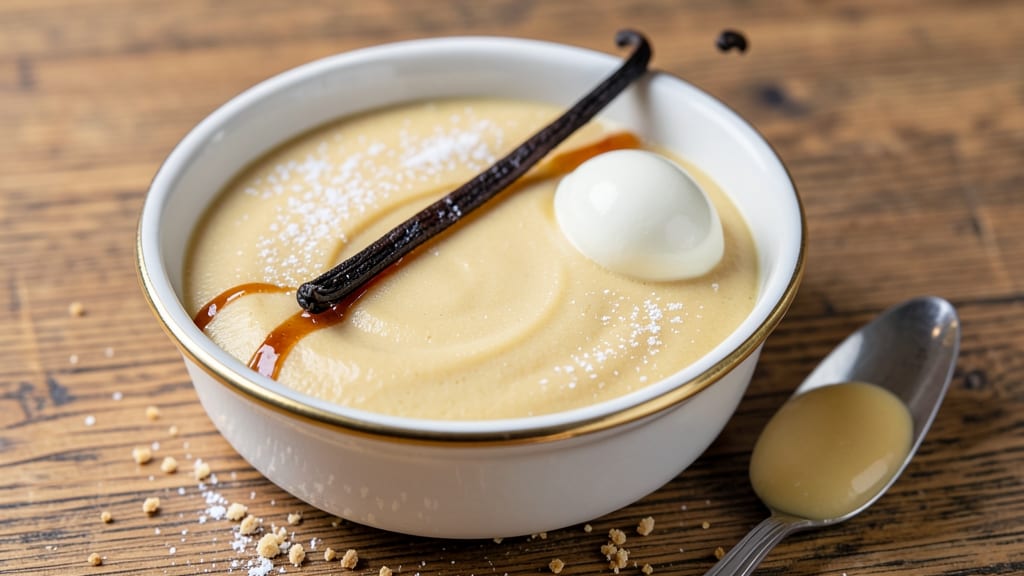
This 3-egg-yolk custard recipe delivers the silkiest, most luxurious texture you've ever tasted—smooth as velvet with a hint of vanilla bean that lingers on your palate. ✨ The secret lies in tempering those yolks perfectly to avoid curdling, then baking them low and slow until they set just right.
I've perfected this technique over years of trial and error, and it never fails to impress even the most skeptical dessert lovers.
The magic happens in the ratio: three egg yolks to every cup of milk creates that signature custard consistency—rich but not heavy, creamy yet light enough to spoon effortlessly.
A split vanilla bean infuses the mixture with natural sweetness and depth, transforming this into something truly special rather than just another basic custard. The key is patience—letting it chill gradually develops the texture without risking graininess.
What you'll end up with is a dessert so velvety it practically melts in your mouth, with a delicate vanilla aroma that fills your kitchen. Serve it chilled in ramekins with a dusting of powdered sugar or a drizzle of caramel, and watch everyone reach for seconds.
This custard is elegant enough for dinner parties but simple enough for weeknight treats.
The best part? This method works for crème brûlée, flan, or even custard tarts—just adjust the baking vessel and topping. Let's get started on creating your restaurant-quality custard at home.
Ingredients for 3 egg yolk custard
Three yolks, one vanilla bean, and patience—this is all you need for restaurant-quality custard.
| Ingredient | Amount | Notes |
|---|---|---|
| Large Egg Yolks 🥚 | 3 whole | Fresh, room temperature preferred |
| Whole Milk 🥛 | 1 cup | Full-fat for creaminess |
| Granulated Sugar 🍚 | ½ cup | White or light brown preferred |
| Vanilla Bean 🌿 | 1 whole | Split lengthwise for seeds |
| Unsalted Butter 🧈 | 2 tbsp | Cold, cut into small pieces |
| All-Purpose Flour 🌾 | 1 tbsp | For thickening if needed |
| Salt 🧂 | ¼ tsp | Fine sea salt preferred |
| Heavy Cream 🥛 | ½ cup | Optional for extra richness |
| Powdered Sugar 🍚 | 2 tbsp | For dusting finished custard |
The yolks are the star here—room temperature makes all the difference for smooth tempering. Trader Joe's or Whole Foods sell high-quality eggs in the refrigerated section, and I always grab the organic ones. For the vanilla bean, Madagascar Bourbon is my go-to—it's sweeter and more aromatic than Tahitian. Split it lengthwise and scrape out the seeds; don't skip this step. The butter should be cold and cut into small pieces so it melts gradually into the custard. If you're using heavy cream, Hormel or Organic Valley are reliable brands for that extra richness.
No vanilla bean? Pure vanilla extract at half the amount works in a pinch, but you'll miss the natural sweetness and depth. Short on sugar? Maple syrup or agave nectar can replace it, but reduce the milk slightly to balance the liquid. The flour is just a backup—if your custard isn't thick enough after chilling, whisk in a tablespoon at a time until it reaches the right consistency. For the milk, whole milk is non-negotiable—it gives that signature velvety texture. If you're making this ahead, the custard actually improves overnight as the flavors meld.
This custard is best served chilled, so plan ahead. Once set, it keeps for 5 days in the fridge, sealed tightly with plastic wrap pressed directly on the surface to prevent a skin from forming. For longer storage, freeze individual portions in ramekins—just thaw overnight in the fridge before serving. The powdered sugar dusting is optional but adds that final touch of elegance. If you're making crème brûlée, save the caramelized sugar topping for right before serving—it's the showstopper.
Why You'll Love This Recipe
- No Whisk Arm Fatigue: I swear by this recipe because it’s actually hands-off. Three yolks, a splash of warm milk, and a quick temper—no frantic whisking or fear of scrambled eggs. The secret? Low heat and constant stirring for just 5 minutes. That’s it. Even my toddler could do it (with supervision, obviously).
- Vanilla Butter Bliss: Between us, this custard is dangerously good because of two things: the vanilla bean scraped straight from the pod and the way that butter gets folded in at the end. It’s rich but not heavy, sweet but not cloying—like someone took all the best parts of crème brûlée and made them forgiving.
- Weeknight Dessert Hack: I keep this in my back pocket for nights when I want something fancy but don’t have time. Make a double batch, chill it, and serve it cold with berries or a sprinkle of cinnamon. Or, here’s what sold me—pour it into ramekins, bake it, and boom, instant dessert for guests who show up unannounced.
- Pantry Goldmine: Honestly, this recipe is my budget-friendly secret. Egg yolks and milk are cheap, and a single vanilla bean lasts me months. Plus, leftovers? They’re even better the next day—thick, creamy, and perfect for dolloping over toast or swirling into coffee. (Yes, even on a Tuesday night.)
Step-by-step instructions for silky vanilla bean custard
Here's how to make luscious, restaurant-quality custard with just a few simple steps.
🍳 Step 1: Infuse the Milk with Vanilla
In a small saucepan, combine the 1 cup whole milk and the split vanilla bean. Bring to a gentle simmer over medium heat—you'll see tiny bubbles form around the edges. Let it simmer for 5-7 minutes until the milk is steaming but not boiling, and you can smell that rich vanilla aroma.
Here's the thing—don't walk away. Watch the milk closely so it doesn't boil over. The vanilla seeds will release their oils into the milk, creating that signature flavor we want. Once infused, remove the pan from heat and let the milk sit for 10 minutes covered with a lid. This resting period lets the flavors meld completely.
👨🍳 Step 2: Whisk Egg Yolks with Sugar and Butter
While the milk infuses, whisk together the 3 whole egg yolks, 0.5 cup granulated sugar, and 0.25 tsp salt in a heatproof bowl until smooth and pale. Add the 2 tbsp cold unsalted butter (cut into small pieces) and whisk until fully melted and incorporated. The mixture should be thick and glossy, almost like a pale yellow pudding.
I always use room-temperature yolks for this—it helps them emulsify better with the milk. If you're worried about the yolks cooking too quickly, place the bowl over a pot of barely simmering water (double boiler method) while you finish prepping. This gentle heat will keep everything warm without scrambling the eggs.
🥘 Step 3: Temper and Cook the Custard
Slowly pour the warm vanilla milk into the yolk mixture while whisking constantly. This tempering step is crucial—it gradually raises the temperature of the eggs so they don't scramble when we heat them. Return the mixture to the pot and cook over low heat, stirring constantly with a wooden spoon, until it thickens enough to coat the back of the spoon.
You'll know it's ready when the custard reaches 170-175°F on an instant-read thermometer and leaves a clear path when you run your finger through it. This usually takes about 5-7 minutes of gentle stirring. Don't rush this step—undercooked custard will be grainy, and overcooked custard will curdle. If it starts to thicken too quickly, remove it from heat for 30 seconds to let it catch up.
⏰ Step 4: Strain and Chill for Perfect Texture
Immediately strain the custard through a fine-mesh sieve into a clean bowl to remove any cooked egg bits that might make it slightly grainy. Stir in the 1 tbsp all-purpose flour and the 0.5 cup heavy cream (if using) for extra richness. Press plastic wrap directly onto the surface of the custard to prevent a skin from forming, then refrigerate for at least 4 hours or overnight.
This chilling time is what transforms our custard from good to extraordinary. The flavors meld completely, and the texture becomes that signature velvety silk. Pro tip: For even smoother custard, give it a quick whisk after removing from the fridge to break up any potential separation that might occur during chilling.
🍽️ Step 5: Serve with Powdered Sugar Dusting
Before serving, give the custard a quick stir to ensure even consistency. Dust the top generously with 2 tbsp powdered sugar using a fine-mesh sieve for that classic presentation. Serve immediately or store covered in the refrigerator for up to 3 days. The custard will be perfectly set but still silky when served chilled.
Here's where it gets fun—this custard is incredibly versatile. Use it as a filling for pastries, layer it with fruit for trifles, or serve it straight with berries and shortbread cookies. The vanilla bean infusion makes it especially luxurious, perfect for special occasions or when you want to impress your guests.
Pro Tips For Making 3 Egg Yolk Custard
- Whisk Yolks Cold: Grab your bowl and run it under cold water for 30 seconds before cracking in those yolks—this stops them from cooking instantly when they hit the hot milk. I learned this the hard way when my first batch curdled faster than I could say "vanilla bean."
- Temper Milk Slowly: Heat the milk to just under a simmer (180°F, or when tiny bubbles form at the edges), then let it cool for 2 minutes before pouring it into the yolks. Dumping boiling milk into raw yolks is how you end up with scrambled eggs instead of custard—trust me, I’ve done it.
- Scrape the Vanilla: Don’t just drop in the pod and call it a day—split the bean, scrape out every last bit of those tiny black seeds, and toss the pod in too. The seeds pack the most flavor, and the pod adds depth. (Yes, even if you’re impatient like me.)
- Strain Before Chilling: After cooking, strain the custard through a fine-mesh sieve into a bowl—this catches any stray bits of cooked egg or vanilla specks that’d otherwise make your finished custard look like it was made in a blender. It’s not the prettiest method, but it’s the tastiest.
Common mistakes when making your 3 egg yolk custard
Over-Tempering Risks
One of the biggest mistakes is rushing the tempering process by adding hot milk too quickly to the egg yolks. When you pour milk in too fast, the yolks can curdle instantly, creating unsightly lumps that ruin the silky texture.
Instead, pour the milk in a slow, steady stream while whisking continuously. I like to use a ladle to control the flow—this gives you better control and prevents clumping. 🥚
Skipping the Vanilla Infusion
Using vanilla extract instead of a whole vanilla bean might seem like a shortcut, but it completely changes the flavor profile. The natural oils and seeds from a real vanilla bean infuse the milk with depth and complexity that extract can't replicate.
If you're in a pinch, use double the amount of extract, but don't expect the same luxurious taste. I always split the bean lengthwise and scrape out the seeds—this releases the maximum flavor into the milk.
Ignoring the Straining Step
Many home cooks skip straining the custard after cooking, which can leave behind tiny cooked egg bits that make the texture slightly grainy. Always strain your custard through a fine-mesh sieve right after cooking to ensure that velvety smoothness.
This step is especially important if you're using older eggs, which can be more prone to forming small curds. I use a stainless steel sieve because it's durable and easy to clean.
Overcooking the Custard
Letting the custard cook past 175°F turns it from silky to rubbery, and it can even start to curdle. Use an instant-read thermometer to monitor the temperature—this is the only way to get it right every time.
If you don't have one, test the doneness by running your finger through the custard: it should leave a clear path without any resistance. If it starts to thicken too quickly, remove it from heat for 30 seconds to let it catch up.
Not Resting the Milk
After infusing the milk with vanilla, many people forget to let it rest for 10 minutes before using it. This resting period allows the flavors to meld completely and ensures the milk is at a consistent temperature when you temper the eggs.
Skipping this step can lead to uneven cooking and a less flavorful custard. Cover the pot with a lid during this time to keep the milk warm and prevent a skin from forming.
Using Low-Quality Ingredients
Cheap milk, old eggs, or low-fat dairy can turn your custard from luxurious to lackluster. Always use full-fat whole milk and fresh, room-temperature eggs for the best results.
I recommend Trader Joe's organic eggs and Whole Foods 365 whole milk—they make a noticeable difference in the final texture and flavor. Don't cut corners here; the quality of your ingredients directly impacts the outcome. 💛
Nutrition facts
Frequently asked questions
Can I substitute vanilla extract for the vanilla bean?
You can use vanilla extract in a pinch, but it won't give the same depth of flavor. For the best results, use double the amount of pure extract (about 1 teaspoon) and infuse it in the warm milk for 5 minutes before tempering. The real vanilla bean adds natural oils and seeds that extract can't replicate.
How do I fix curdled custard?
If your custard starts to curdle, immediately remove it from heat and whisk vigorously to break up any lumps. For stubborn curdling, strain the mixture through a fine-mesh sieve into a clean bowl. If the texture is still off, try whisking in 1 tablespoon of cold heavy cream to restore smoothness. Prevention is key—always temper slowly and monitor the temperature closely!
Can I make this custard without flour?
Yes! The flour is just a backup thickener if needed. If you prefer to skip it, simply omit the 1 tablespoon of flour and rely on the natural thickening from the yolks and cream. For extra richness, add 1 extra tablespoon of butter to compensate. The custard may be slightly thinner but still delicious when chilled properly.
What's the best way to serve this custard?
This silky custard is incredibly versatile! Serve it chilled in individual ramekins with a dusting of powdered sugar for a classic presentation. For extra flair, top with fresh berries, a drizzle of caramel, or crushed shortbread cookies. It's also perfect as a filling for pastries or layered in trifles. The vanilla bean infusion makes it especially luxurious for special occasions.
How long can I store leftover custard?
Store your custard in an airtight container in the refrigerator for up to 5 days. For longer storage, freeze individual portions in ramekins—thaw overnight in the fridge before serving. To prevent a skin from forming, press plastic wrap directly onto the surface before sealing. The texture remains silky when properly stored!