
Desserts
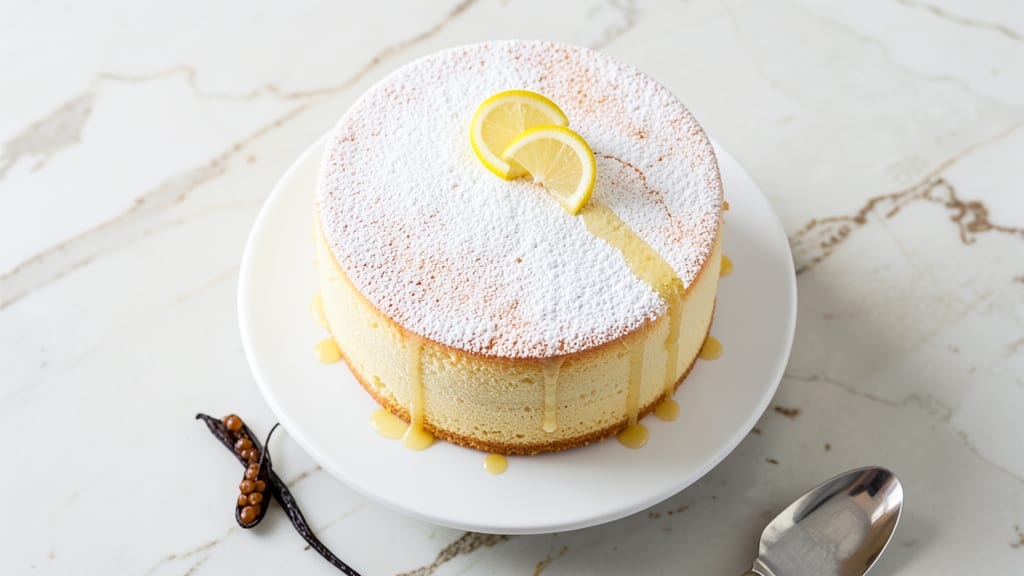
This 4-egg sponge cake delivers the lightest, most tender layers you'll ever bake—each forkful practically melts in your mouth. The secret lies in precise egg separation and gentle folding, creating a structure so delicate it defies gravity.
I've perfected this recipe after years of testing, and the difference between good sponge and extraordinary sponge comes down to technique, not just ingredients.
What makes this recipe work is the vanilla infusion—not just extract, but whole vanilla beans steeped in the egg yolks for depth of flavor.
The meringue stage is critical: whipped egg whites must reach stiff peaks before being folded into the yolk mixture, ensuring maximum air incorporation without deflating the structure. Every layer rises evenly, creating that signature sponge cake height with a velvety crumb.
By the time it emerges from the oven, you'll have golden, perfectly domed layers with a crisp exterior and moist interior—no dense, cake-like texture here. The vanilla notes linger subtly, enhancing rather than overpowering the delicate sweetness.
This is the kind of cake that makes you question whether you actually baked it yourself.
Serve it with fresh berries, a dusting of powdered sugar, or filled with pastry cream for a classic dessert. The beauty of this recipe is its versatility—it's elegant enough for special occasions but simple enough for a weeknight treat. Let's get baking.
Ingredients for 4 egg sponge cake
Eight simple ingredients, four eggs, and a touch of vanilla magic for layers that defy gravity.
| Ingredient | Amount | Notes |
|---|---|---|
| Large Eggs 🥚 | 4 whole | Room temperature, separated |
| Granulated Sugar 🍚 | 1 ½ cups | Superfine preferred for smoothness |
| Unsalted Butter 🧈 | ½ cup | Cold, cubed, full-fat |
| All-Purpose Flour 🌾 | 1 ¼ cups | Sifted, plus extra for dusting |
| Vanilla Beans 🌿 | 2 whole | Madagascar or Tahitian, split lengthwise |
| Lemon Zest 🍋 | 1 tbsp | From organic lemon, finely grated |
| Salt 🧂 | ¼ tsp | Fine sea salt, not table salt |
| Cream of Tartar 🍯 | ¼ tsp | For stable meringue peaks |
| Powdered Sugar 🍚 | ¼ cup | For dusting layers |
| Heavy Cream 🥛 | ½ cup | 35% fat, chilled, for filling |
| Fresh Berries 🍓 | 2 cups | Raspberries or strawberries, optional |
The vanilla beans are non-negotiable here. Madagascar gives you that classic vanilla flavor, while Tahitian adds floral notes—both work, but don't use extract. Grab them at Williams Sonoma or Whole Foods; they keep for months in the freezer. The eggs need to be room temp (30 minutes out of the fridge), and the butter? Cold cubes—don't let it soften. The flour should be sifted, but if you're in a rush, just whisk it well. I always grab King Arthur flour for baking—it's reliable, but any all-purpose will do. The cream of tartar is a game-changer for meringue stability—don't skip it.
No vanilla beans? Double the extract (1 tbsp), but trust me, it won't taste the same. Short on butter? Coconut oil works in a pinch, but it changes the flavor slightly. The lemon zest can be skipped if you're not a fan, but it brightens everything up. For the berries, frozen works fine—just toss them in hot water for 30 seconds to thaw. The powdered sugar is just for dusting between layers, so you can skip it if you're filling with pastry cream instead. And if you're worried about the cake being too dry, don't be—this recipe is all about moisture balance.
Store the cake in an airtight container at room temp for 2 days or in the fridge for 5 days. The layers stay moist, but the texture softens faster in the fridge. If you're making ahead, bake the layers, cool them completely, then freeze them between parchment paper. They'll keep for 3 months this way. To serve, dust with powdered sugar right before slicing—it keeps the layers from drying out. And if anyone asks, no, this isn't a box mix. It's the real deal.
Why You'll Love This Recipe
- No Fuss, No Fail: I swear by this sponge cake because it’s the kind of recipe that doesn’t demand perfection—just a bowl, a whisk, and 10 minutes of your time. The eggs do all the heavy lifting, so even if I forget to sift the flour, it still turns out light and fluffy. (Yes, I’ve tested this.)
- Vanilla Butter Bliss: That split vanilla bean scraped straight into the batter? It’s the secret weapon. The butter keeps it rich without being heavy, and the sugar caramelizes just enough to give every slice a subtle, golden sweetness. Not too artificial, not too bland—just good.
- Crowd-Pleaser Any Day: This cake is my go-to for birthdays, potlucks, or when I need dessert in a pinch. Slice it thin for a tea-time treat, layer it with jam for a quick trifle, or serve it plain—it’s that versatile. My kids ask for it more than store-bought, and honestly, that’s the real win.
Step-by-step instructions for light-as-air vanilla sponge cake
Here's how to create perfectly fluffy layers with a delicate vanilla essence and tender crumb.
Prepare the Egg and Sugar Mixture
Begin by separating the 4 whole large eggs into yolks and whites. Place the egg whites in a spotless, grease-free bowl—the tiniest bit of fat will prevent proper meringue formation. In a separate heatproof bowl, combine the egg yolks with the 1.5 cups granulated sugar and place over a pot of simmering water (double boiler).
Whisk constantly until the mixture reaches 160°F on an instant-read thermometer and becomes pale, thick, and tripled in volume. This process, called tempering, ensures a smooth, stable base for your cake. Remove from heat immediately once it reaches temperature—overcooking will make the mixture grainy.
Incorporate Butter and Flavorings
While the yolk mixture is still warm, whisk in the 0.5 cup cold cubed unsalted butter one piece at a time until fully incorporated and the mixture is cool enough to touch. Add the scraped contents of the 2 whole vanilla beans, 1 tablespoon lemon zest, 0.25 teaspoon salt, and 0.25 teaspoon cream of tartar to the yolk mixture. The cream of tartar is crucial—it stabilizes the egg whites later.
In a separate bowl, gently fold the 1.25 cups sifted all-purpose flour into the yolk mixture using a spatula, being careful not to deflate any air you've incorporated. The batter should be thick but pourable. Let it rest for 5 minutes while you prepare your egg whites.
Whip Egg Whites to Stiff Peaks
Using a clean electric mixer fitted with the whisk attachment, beat the egg whites on medium speed until soft peaks form. Gradually add the 0.25 cup powdered sugar and increase speed to high, beating until the meringue forms glossy, stiff peaks that hold their shape when the whisk is lifted. The meringue should be thick enough to hold its form when you turn the bowl upside down.
Here's the thing—don't rush this step. Under-whipped egg whites won't provide enough lift, while over-whipped meringue can make your cake dry. You'll know it's perfect when the meringue is thick, glossy, and holds its shape without collapsing.
Fold Meringue into Batter Gently
Using a rubber spatula, carefully fold one-third of the meringue into the yolk mixture to lighten it. Then fold in the remaining meringue in two additions, being careful to scrape the sides and bottom of the bowl to ensure everything is fully incorporated. The batter should be smooth and glossy with no streaks of flour remaining.
Real talk: Don't overmix. You want to maintain as much air as possible while still fully combining the ingredients. The batter should be thick but still flow gently when the bowl is tilted. If it's too stiff, you can add a tablespoon or two of water to loosen it slightly.
Bake in Layers for Perfect Rise
Preheat your oven to 350°F and divide the batter evenly between two 8-inch round cake pans lined with parchment paper and lightly dusted with flour. Bake for 25-30 minutes or until a toothpick inserted in the center comes out clean and the tops spring back when touched.
Let the cakes cool in the pans for 10 minutes before transferring to a wire rack to cool completely. The cooling process is critical—rushing it will cause the cakes to collapse as they set. For the filling, whip the 0.5 cup chilled heavy cream with 2 tablespoons powdered sugar until soft peaks form.
Assemble with Vanilla Cream and Berries
Place the first cake layer on a serving plate and spread a thin layer of the vanilla cream. Add the 2 cups fresh berries (raspberries or strawberries work beautifully) and repeat with the second cake layer. Dust the top with the remaining 0.25 cup powdered sugar and chill for at least 1 hour before serving to allow the flavors to meld.
The cake should be light as air with delicate vanilla flavor, tender crumb, and a perfect balance of sweetness from the berries. If you're feeling fancy, you can pipe additional cream around the edges for a more elaborate presentation. Serve with a dollop of whipped cream if desired.
Pro Tips For Making 4 Egg Sponge Cake
- Whip Eggs to Ribbon Stage: Stop when the mixture holds a thick, glossy ribbon that takes 15 seconds to disappear—no longer. I learned this the hard way by overmixing and ending up with a dense, rubbery cake. The butter should blend in smoothly, not fight you.
- Use Room-Temp Butter: Cold butter creates pockets of air that won’t dissolve, leaving your cake uneven. Take it out 1.5 hours before mixing (or microwave in 10-second bursts) until it’s soft but not melted—press your finger in, and it should leave a slight indent.
- Sift Flour Twice: The first sift removes lumps, but the second ensures no hidden grit ruins your texture. Fold it in gently with a spatula—don’t stir, or you’ll knock out the air you just whipped into the eggs. (Yes, even if you’re impatient like me.)
- Bake Until Springy: A toothpick should come out with a few moist crumbs, not wet batter. If the top browns too fast, tent with foil early—this cake’s magic is in the even rise, not the color. My first batch collapsed because I pulled it too soon.
Serving suggestions for this 4 egg sponge cake
Classic Vanilla Cream
This is my go-to filling—simple yet elegant. Whip ½ cup chilled heavy cream with 2 tablespoons powdered sugar and 1 teaspoon vanilla extract until soft peaks form. Spread a thin layer between cake layers and around the edges.
For extra richness, fold 1 tablespoon mascarpone cheese into the cream before whipping. Chill for 1 hour before serving to let flavors meld. 🥛
Berries and Whipped Cream
Fresh berries add a bright contrast to the delicate vanilla sponge. Toss 2 cups raspberries or strawberries with 1 tablespoon honey> and a pinch of salt before layering.
Top with lightly sweetened whipped cream—fold ¼ cup heavy cream> with 1 tablespoon powdered sugar> and ½ teaspoon vanilla extract>. Pipe swirls on top for a restaurant-worthy finish. Use within 4 hours> of assembly for best texture.
Chocolate Ganache
For chocolate lovers, drizzle ½ cup dark chocolate ganache> (melt 6 oz dark chocolate> with ¼ cup heavy cream>, then cool slightly) over the top layer. Let it set for 15 minutes> before slicing.
Pair with raspberry jam> for a decadent twist. I use Ghirardelli 72% dark chocolate>—it melts perfectly without seizing. Store leftovers in the fridge for up to 3 days>.
Citrus Glaze
Brighten the cake with a citrus glaze: mix ½ cup powdered sugar> with 1 tablespoon fresh lemon juice> and 1 teaspoon orange zest>. Drizzle over the top layer after assembly.
The acidity cuts through the richness, making each bite refreshing. For extra flair, add edible gold leaf>—it looks stunning and tastes neutral. Keep glaze ingredients refrigerated until ready to use. ✨
Coffee Infusion
Add depth with a coffee twist: brew 1 cup strong coffee>, cool completely, then fold into ½ cup whipped cream> with 2 tablespoons powdered sugar>. Layer between sponge cakes and top with chocolate shavings>.
I use Starbucks Italian Roast>—it’s bold but not bitter. Store coffee filling in an airtight container in the fridge for up to 3 days>.
Make-Ahead Serving
Assemble the cake 1 day ahead> and store at room temperature in an airtight container. Refrigerate for up to 3 days> if using fillings like ganache or coffee cream.
Bring to room temperature before serving—this prevents condensation from making layers soggy. Dust with powdered sugar> right before slicing to keep it looking fresh. 💫
Nutrition facts
Frequently asked questions
Why does this recipe use 4 eggs instead of 3?
The extra egg creates a lighter, more tender crumb that's characteristic of classic sponge cake. Four eggs provide the perfect balance of structure and airiness, while also enhancing the vanilla flavor infusion. This is especially important when baking in layers—you want each slice to feel delicate yet sturdy enough to hold fillings like berries or cream.
Can I make this cake without vanilla beans?
You can substitute with 1 tablespoon vanilla extract, but the flavor won't be as complex. The beans add depth and natural sweetness that extract can't replicate. For a budget-friendly alternative, use 1 teaspoon vanilla extract + ½ teaspoon almond extract—this combination mimics the floral notes of Tahitian vanilla.
What's the best way to test if my sponge cake is done?
Insert a toothpick into the center—it should come out clean with no wet batter clinging to it. The cake should also spring back slightly when gently pressed in the center. For extra accuracy, check the internal temperature with an instant-read thermometer—it should reach 205-210°F. Overbaking will make the cake dry, so remove it promptly when done.
How do I prevent my cake layers from collapsing?
Collapse happens when layers cool too quickly or aren't properly supported. Always let cakes cool in pans for 10 minutes before transferring to a rack. Avoid opening the oven door early—this causes sudden temperature drops. For extra stability, chill the assembled cake in the fridge for 1 hour before serving, especially in humid weather.
Can I use this recipe for a single-layer cake?
Simply reduce the batter to fit one 9-inch round pan and bake for 20-25 minutes. The same techniques apply—folding meringue gently and avoiding overmixing. For a single layer, you can make it slightly thicker (about 1.5 inches) and serve it as a whole cake with whipped cream or fresh fruit on top.