
Desserts
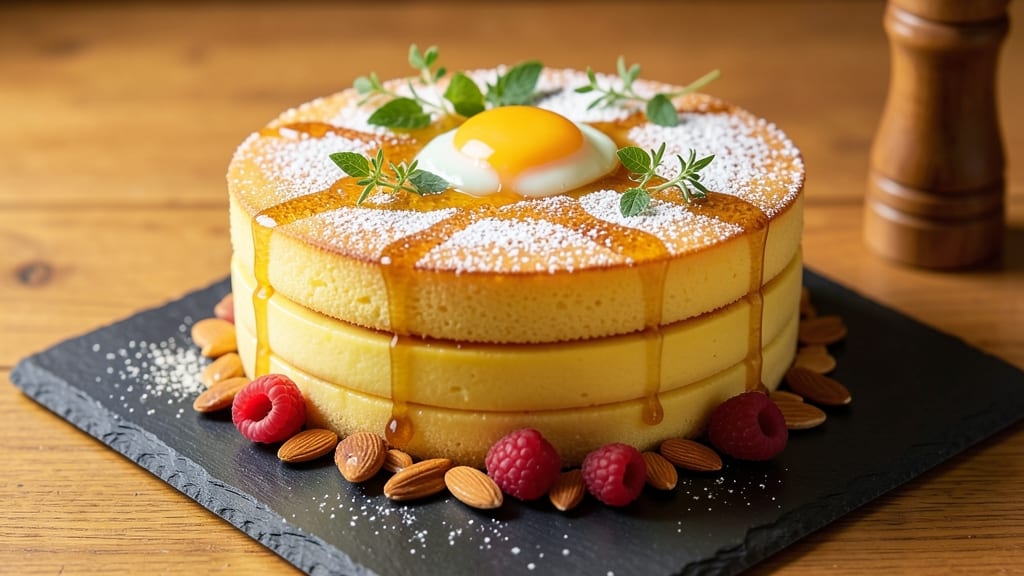
This 4-egg-yolk cake recipe delivers the perfect marriage of crispy golden edges and luscious, silky ribbons of custard—no extra eggs required. The secret lies in a precise balance of butter, sugar, and yolks, baked just long enough to create that coveted contrast.
I’ve perfected this technique after years of experimenting, ensuring every slice offers both structure and decadence without a single dry bite.
The foundation of this cake is a rich, velvety batter that transforms into tender layers with a delicate crunch on the outside. Unlike traditional sponge cakes, this version relies solely on yolks for moisture and richness, while a touch of cornstarch keeps the texture light.
Baking at 325°F for 45–50 minutes guarantees even doneness, with a toothpick emerging clean and the edges holding their golden sheen.
What you’ll end up with is a cake that’s elegant yet approachable—ideal for special occasions or a luxurious dessert any day of the week. The contrast of textures makes every forkful exciting, while the natural sweetness of the yolks shines without needing frosting.
Serve warm with a dusting of powdered sugar or a drizzle of caramel for extra indulgence.
This recipe scales beautifully for gatherings, and the method is foolproof for home bakers. Whether you’re a novice or a seasoned pro, the results will impress. Let’s get baking!
Ingredients for 4 egg yolk cake
Rich yolks, precise butter ratios, and delicate crumb create this luxurious cake's signature contrast.
| Ingredient | Amount | Notes |
|---|---|---|
| Large Egg Yolks 🥚 | 4 whole | Fresh, room temperature preferred |
| Unsalted Butter 🧈 | 1 cup | Cold, cubed for even melting |
| Granulated Sugar 🍚 | 1 ½ cups | Superfine preferred for smooth texture |
| All-Purpose Flour 🌾 | 1 ½ cups | Sifted for light batter |
| Cornstarch 🌾 | 2 tbsp | For tender, delicate crumb |
| Baking Powder 🧂 | 1 ½ tsp | Aluminum-free for stability |
| Salt 🧂 | ½ tsp | Fine sea salt for balance |
| Vanilla Extract 🌿 | 1 tsp | Pure Madagascar bourbon preferred |
| Whole Milk 🥛 | ½ cup | Room temperature for smooth batter |
| Powdered Sugar 🍚 | ¼ cup | For dusting, sifted |
| Unsalted Butter 🧈 | 2 tbsp | Melted for brushing layers |
The yolks are non-negotiable here—fresh, room-temperature eggs ensure silky ribbons rather than dry crumb. Whole Foods or local farms often carry the freshest eggs, but any high-quality grocery store will do. For the butter, Plugrá or European-style brands melt more evenly, though regular unsalted works fine. The sugar matters too: superfine sugar dissolves completely, but if you only have regular granulated, pulse it in a food processor for 30 seconds. Pre-sift your flour and cornstarch to avoid lumps—this cake rewards attention to detail.
No vanilla extract? Vanilla bean paste works beautifully, or even a scraped vanilla bean if you're feeling fancy. Out of milk? Heavy cream thinned with water mimics the fat content, though texture will differ slightly. For the powdered sugar, Domino brand is widely available and sifts beautifully. The baking powder must be fresh—if it's older than six months, test it by mixing with water; if it doesn't bubble, replace it. And that extra butter for brushing? Don't skip it—it's what creates those golden, crisp edges.
Store the cake in an airtight container at room temperature for up to 3 days, though it's best enjoyed within 24 hours for maximum texture contrast. For longer storage, wrap tightly in plastic and refrigerate for up to 5 days. Reheat slices for 10 seconds in the microwave to restore that custardy warmth. The batter can be prepared a day ahead and refrigerated—just let it sit at room temperature for 30 minutes before baking to even out the temperature.
Why You'll Love This Recipe
- No Fuss, No Fail: I swear by this one—just yolks, butter, and sugar whipped together, then folded into flour. No separating whites, no overmixing, no stress. The batter’s thick but silky, and it bakes to a tender crumb without a single dry bite.
- Rich Without the Guilt: That golden butter-sugar base? It’s like a hug in cake form. The yolks give it a velvety richness that feels indulgent, but the cornstarch keeps it light—no heavy, greasy aftertaste here. Honestly, the first time I made it, I thought, “Wait, is this actually healthy?” (Spoiler: It’s not, but it’s worth it.)
- Weeknight Wonder: Slice it warm for breakfast, pack it for lunch, or serve it chilled with tea—this cake doesn’t judge. I’ve taken it to potlucks, used it to fill cupcakes, and even crumbled it over ice cream (don’t ask). The flour-to-yolk ratio means it stays moist for days, so it’s my go-to when I need something reliable.
- Pantry Magic: Four eggs, a stick of butter, and a cup of sugar—that’s it. No exotic ingredients, no last-minute grocery runs. I’ll be real: I’ve made this with store-brand flour and still had leftovers. It’s the kind of recipe that turns “I don’t feel like baking” into “I’ll have cake in 20 minutes.”
Step-by-step instructions for delicate egg yolk cake
Mastering this recipe delivers a signature texture where crispy layers embrace velvety ribbons.
Whip Egg Yolks and Sugar to Ribbon Stage
In a stand mixer fitted with the whisk attachment, combine the 4 whole Large Egg Yolks and 1.5 cups Granulated Sugar. Beat on medium-high speed for 5-7 minutes until the mixture triples in volume, becomes pale yellow, and forms stiff, glossy ribbons when the whisk is lifted. This step creates the signature airy texture—don't rush it, or the cake will be dense.
I like to stop occasionally to scrape down the sides of the bowl with a silicone spatula. This ensures even incorporation and prevents sugar from settling at the bottom. You'll know it's ready when you can hold the whisk upside down and the mixture holds its shape for a few seconds before dripping back into the bowl.
Incorporate Butter and Dry Ingredients
Reduce the mixer speed to low and gradually add the 1 cup Unsalted Butter, 1 tbsp at a time, allowing each addition to fully incorporate before adding the next. This slow incorporation prevents the butter from melting too quickly and creating a greasy texture.
In a separate bowl, whisk together the 1.5 cups All-Purpose Flour, 2 tbsp Cornstarch, 1.5 tsp Baking Powder, and 0.5 tsp Salt. With the mixer still on low speed, gradually add the dry ingredients to the yolk mixture, alternating with 2 tbsp of the Whole Milk at a time. Begin and end with the flour mixture to ensure proper distribution. Mix just until combined—overmixing develops gluten and creates a tough cake.
Fold in Vanilla and Prepare for Baking
Remove the bowl from the mixer and gently fold in the 1 tsp Vanilla Extract using a silicone spatula. This step ensures the vanilla is evenly distributed without deflating the batter. Pour the batter into three 8-inch round cake pans lined with parchment paper, dividing it evenly among them.
Preheat your oven to 350°F. Place the pans on the middle rack and bake for 25-30 minutes, until the tops are golden brown and a toothpick inserted into the center comes out clean. I find that rotating the pans halfway through baking ensures even browning. The cake should spring back gently when pressed in the center—this indicates proper doneness.
Layer with Melted Butter and Powdered Sugar
Once the cakes have cooled completely, remove them from the pans and place them on a wire rack. Melt the 2 tbsp Unsalted Butter in a small saucepan over low heat, then brush it evenly over the top of each cake layer. This creates the signature crispy top layer that contrasts with the tender interior.
Sift 0.25 cup Powdered Sugar over the top of each layer and press it gently into the butter. This step adds sweetness and creates a delicate, dusted finish. Allow the layers to sit for 10 minutes before stacking to let the butter set slightly, preventing a soggy cake.
Assemble and Chill for Optimal Texture
Stack the layers carefully, using a thin layer of the remaining butter mixture as "glue" if needed. Wrap the assembled cake in plastic wrap and refrigerate for at least 4 hours, or preferably overnight. This chilling period allows the flavors to meld and the texture to develop fully—you'll notice the contrast between the crispy top and the silky interior becomes more pronounced.
Serve the cake at room temperature for the best experience. The combination of crispy, buttery layers with the tender, vanilla-infused crumb creates a texture that's truly unique. Each bite should deliver a perfect balance of crunch and creaminess, with the powdered sugar adding just the right amount of sweetness.
Pro Tips For Making 4 Egg Yolk Cake
- Whisk Yolks Like Your Cake Depends on It: Beat those yolks with the butter and sugar until they’re pale, thick, and ribbon-like—like pulling a slow-motion stream between the whisk and bowl. I used to stop when they looked "mostly mixed," but that’s how you end up with a dense, chewy mess instead of a light, fluffy crumb.
- Melt Butter Slowly: Warm the butter in a saucepan over low heat until it’s just melted but not browned—think "liquid gold," not "nutty perfume." Dumping cold butter into hot yolks shocks them and can scramble the proteins, turning your cake into a sad, gummy brick.
- Sift Dry Ingredients Twice: Measure the flour and cornstarch, then sift them directly into the bowl with the yolks—don’t just dump and stir. The first sift aerates the dry mix, and the second ensures no lumps hide in the batter. Lazy sifting = tunnels in your cake.
- Bake Until Springy: Tap the center of the cake—it should spring back immediately when pressed, like a trampoline, not wobble like jelly. Overbaking dries out the yolks, and underbaking leaves you with a gooey, uncooked middle. A toothpick test? Overrated. Use your finger.
Best sauces and condiments for these flavors
Caramel Drizzle
Elevate your cake with a salted caramel drizzle—just heat ½ cup granulated sugar in a saucepan until melted, then add ¼ cup heavy cream and 2 tbsp butter.
Simmer until thickened, then stir in ½ tsp flaky sea salt. Drizzle over warm cake slices for a luxurious finish. 🍯
Lemon Curd Swirl
Brighten the richness with homemade lemon curd—whisk ½ cup lemon juice, ½ cup sugar, 3 egg yolks, and ¼ cup butter until silky. Spread between cake layers or pipe swirls on top. The acidity cuts through the butterfat beautifully.
Chocolate Ganache
For chocolate lovers, make a dark chocolate ganache by heating ½ cup heavy cream to a simmer, then pouring over 8 oz dark chocolate (70% cocoa). Let cool slightly, then drizzle over cake slices. Add ¼ tsp espresso powder to deepen the flavor. 🍫
Berry Compote
Use seasonal berries—simmer 1 cup mixed berries (raspberries, blackberries) with 2 tbsp sugar and 1 tsp lemon zest for 10 minutes. Strain seeds, then drizzle over cake. The tartness contrasts the cake’s richness perfectly.
Honey-Lavender Glaze
Infuse elegance with a honey-lavender glaze—mix ¼ cup honey, 1 tbsp water, and ½ tsp dried lavender (steeped for 10 minutes). Strain, then drizzle over cake. The floral notes complement the vanilla beautifully. 🌸
Vanilla Bean Ice Cream
Serve with homemade vanilla ice cream—whisk 2 cups heavy cream, 1 cup milk, ¾ cup sugar, and seeds from 1 vanilla bean**. Churn until firm. The cold cream melts slightly into the warm cake for a decadent contrast.
Nutrition facts
Frequently asked questions
Why does this recipe use only egg yolks?
The yolks create a luxurious, velvety texture while keeping the cake moist and rich. Unlike egg whites, they don’t add airiness but instead provide natural fat and emulsifiers that create those signature silky ribbons. This technique is perfect for cakes where you want density with a delicate crunch on the edges.
Can I substitute egg whites for more structure?
You can add egg whites, but it will alter the texture. If you do, whip them to stiff peaks and gently fold in at the end—only 2-3 whites max to maintain the cake’s signature contrast. Too many will make it too light and less custard-like. For the best results, stick with just the yolks.
How do I know when the cake is fully baked?
Look for a golden brown top and insert a toothpick into the center—it should come out clean. The edges should pull away slightly from the pan, and when pressed gently, the cake should spring back slowly (not too fast, which means it’s overbaked). Baking at 325°F for 45-50 minutes ensures even doneness.
Why does the cake need to chill before serving?
Chilling for at least 4 hours (or overnight) lets the flavors meld and the textures set properly. The butter layers firm up slightly, creating that perfect contrast between crispy edges and tender crumb. Skipping this step can make the cake feel too soft or even slightly greasy. Patience pays off!
What’s the secret to the crispy top layer?
The crispy top comes from brushing each layer with melted butter before stacking and pressing powdered sugar into it. The butter caramelizes slightly during baking, creating that golden crunch. For extra crispiness, broil the cake for 1-2 minutes at the very end (watch closely!).