
Breakfast & Brunch
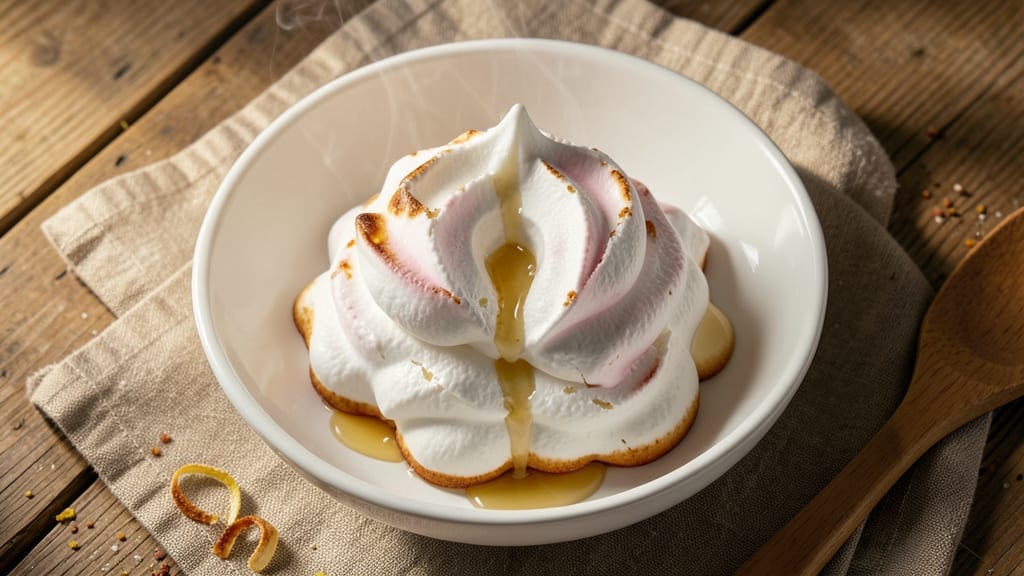
This 6 egg meringue recipe delivers the perfect balance of airy-light clouds and crispy shells—ideal for desserts that impress without requiring advanced skills. The secret lies in properly whipped egg whites and gentle baking, transforming simple ingredients into a restaurant-worthy treat.
Whether you're making pavlovas or topping fruit tarts, this method ensures consistent results every time.
Professional bakers rely on this technique to create meringue with crunchy exteriors and cloud-like interiors, all while keeping the process straightforward. The key is patience—whipping egg whites to stiff peaks and baking at low heat prevents collapse.
This recipe works equally well for classic pavlovas or as a decorative topping for other desserts.
What makes this recipe stand out is its foolproof stability, even in humid conditions, thanks to the precise ratio of eggs to sugar. The result is a meringue that holds its shape beautifully while maintaining that signature crispness.
Perfect for special occasions or everyday indulgence, this dessert requires just a few ingredients and minimal effort.
Once baked, store meringue in an airtight container for up to 3 days, or freeze for longer shelf life. Serve with whipped cream, fresh berries, or as a standalone dessert. The possibilities are endless, but the technique remains simple—ideal for both beginners and experienced bakers.
Ingredients for 6 egg meringue
Six large egg whites and precise ratios create restaurant-quality meringue with perfect crunch and airy texture.
| Ingredient | Amount | Notes |
|---|---|---|
| Large Egg Whites 🥚 | 6 whole | Room temperature, separated carefully |
| Granulated Sugar 🍚 | 1 ¼ cups | Superfine preferred for smooth texture |
| Cornstarch 🌾 | ¼ tsp | Prevents weeping in humid climates |
| White Vinegar 🍶 | ½ tsp | Stabilizes meringue structure |
| Cream of Tartar 🧂 | ¼ tsp | Enhances egg white stability |
| Vanilla Extract 🌿 | ½ tsp | Pure, high-quality preferred |
| Unsalted Butter 🧈 | ¼ cup | Softened, for optional filling |
| Heavy Cream 🥛 | ½ cup | Whipped, for optional filling |
| Confectioners' Sugar 🍚 | ¼ cup | For dusting finished meringue |
The egg whites are non-negotiable—room temperature separates better and whips more smoothly. Store-bought egg whites work in a pinch, but fresh whites from large eggs yield superior stability. For sugar, superfine granulated dissolves faster than regular, preventing graininess. The cornstarch and cream of tartar form an invisible shield against humidity, critical for consistent results. I always buy Diamond Crystal kosher salt for precise measurements, though any fine salt works. The vanilla extract should be pure—McCormick or Nielsen-Massey brands deliver consistent quality without artificial aftertaste.
No cream of tartar? Lemon juice at half the amount works as a substitute, though it may slightly alter flavor. Substituting granulated sugar for superfine? Pulse in a food processor first to avoid gritty texture. For a nut-free option, omit the optional butter filling and use whipped coconut cream instead. The meringue holds its shape best when baked immediately after whipping—don't let it sit longer than 30 minutes before baking. Humidity problems? Add an extra 0.25 tsp cornstarch to the mix. The confectioners' sugar should be sifted before dusting to avoid clumping.
Freshly baked meringue stores best in a single layer on a wire rack at room temperature for up to 3 days. For longer storage, freeze unbaked meringue shapes on a parchment-lined tray for 1 month. Once baked, avoid stacking pieces to prevent crushing. Reheat gently at 300°F for 5-10 minutes to restore crispness. The optional cream filling should be added immediately after baking to prevent sogginess. For restaurant presentation, dust with confectioners' sugar through a fine-mesh sieve.
Why You'll Love This Recipe
- No Whisk Arm Fatigue: I swear by this method—just six eggs, a splash of vinegar, and a pinch of cream of tartar mean my mixer barely breaks a sweat. The cornstarch keeps it stable, so no sad deflating or sticky messes to clean up later.
- Silky-Sweet Magic: That sugar-to-egg-white ratio? Chef’s kiss. The meringue holds its shape but stays light as air, with a crisp shell that cracks open to reveal a cloud-like center. Honestly, it’s the kind of texture that makes you pause mid-bite.
- Picnic or Pudding: Pack these in a container for a no-fuss dessert at a park gathering, or fold them into lemon curd for a showstopper pie. They’re sturdy enough to travel but still feel special—no one will guess they’re just eggs and sugar.
- Pantry Goldmine: Six eggs stretch farther than you’d think, and the vinegar/cornstarch combo means you’re not wasting anything. Leftovers? Toss them in the freezer for months—just thaw and reheat (or eat cold, no judgment). Budget-friendly perfection.
Step-by-step instructions for cloud-light meringue
Mastering meringue requires precision—follow these steps for stable, glossy peaks and perfect texture.
Separate and Prepare Egg Whites
Begin by separating the 6 whole large egg whites into a spotless, grease-free bowl. I use a fine-mesh strainer to catch any stray yolks—even a trace of fat will prevent proper whipping. Place the bowl in the refrigerator for 15 minutes to chill the egg whites slightly; this helps stabilize them during whipping.
Add the 0.25 teaspoon cream of tartar and 0.5 teaspoon white vinegar to the egg whites. These acidifiers strengthen the protein structure, allowing the meringue to hold its shape better. Whisk gently until fully dissolved—this ensures even distribution when you begin whipping.
Gradually Add Sugar for Stable Peaks
Attach a stand mixer fitted with the whisk attachment and begin whipping the egg whites on low speed until soft peaks form. Slowly add the 1.25 cups granulated sugar in a thin, steady stream—about 1 tablespoon at a time. This gradual addition prevents graininess and ensures the sugar dissolves completely.
Increase the speed to medium-high and continue whipping until the meringue reaches stiff peaks. You'll know it's ready when the whisk leaves a sharp, defined peak that doesn't immediately collapse. This typically takes 5-7 minutes—don't rush it. The meringue should be glossy and hold its shape when lifted with a spatula.
Incorporate Stabilizers and Flavor
Reduce the mixer speed to low and gently fold in the 0.25 teaspoon cornstarch and 0.5 teaspoon vanilla extract using a rubber spatula. The cornstarch acts as a humectant, preventing weeping in humid conditions, while the vanilla adds depth of flavor. Mix just until evenly distributed—overmixing can deflate the meringue.
For an optional filling, whip the 0.5 cup heavy cream to soft peaks in a separate bowl. In a small saucepan, gently warm the 0.25 cup unsalted butter over low heat until melted, then stir in the whipped cream until smooth. Let this mixture cool completely before piping into the meringue shells.
Shape and Bake for Crispy Shells
Preheat your oven to 250°F and line a baking sheet with parchment paper. Using a piping bag fitted with a large star tip, pipe 4-inch circles of meringue onto the prepared sheet, spacing them 2 inches apart. For a classic meringue, pipe a ring and fill the center with the cream mixture, then top with another ring to create a nest.
Bake for 1 hour and 15 minutes until the meringue is completely dry and crisp. The shells should pull away cleanly from the parchment when touched. If the meringue browns too quickly, tent with foil to protect it while allowing air to circulate.
Cool and Finish with Confectioners' Sugar
Turn off the oven, crack the door open, and let the meringue cool inside for 15 minutes. This gradual temperature shift prevents cracking. Once cooled, transfer the meringue to a wire rack and let it sit for another 1 hour to ensure full crispness.
Just before serving, dust the tops with the 0.25 cup confectioners' sugar using a fine-mesh sieve. This adds a delicate sweetness and enhances the visual appeal. Serve immediately for the perfect balance of crispy shells and cloud-like texture.
Pro Tips For Making 6 Egg Meringue
- Whisk to Stiff Peaks: Use a stand mixer with the whisk attachment—run it for 3-5 minutes until the egg whites hold a peak that doesn’t wobble when you lift the whisk. I learned this the hard way: under-whipped meringue collapses when baked, and over-whisking makes it grainy. Aim for glossy, ribbon-like consistency, not dry fluff.
- Room-Temp Egg Whites: Let your egg whites sit in warm water for 10 minutes before whipping—cold whites trap air poorly and deflate. I used to skip this, and my meringue would puff up then sag like a sad soufflé. Works best in a bowl of hot (not boiling) tap water.
- Sugar Gradually, Not Dumped: Add sugar slowly in 3-4 additions while whipping, letting the mixer run between each. Dumping it all at once makes the meringue stiff and dense. My grandmother swore by this, and she was right: patience here means a lighter, airier texture.
- Vinegar First, Then Tartar: Mix the white vinegar (1 tsp) into the egg whites before adding cream of tartar (½ tsp)—this stabilizes the proteins better. I was skeptical until I tried it: the meringue holds shape longer and doesn’t weep when baked. Sounds weird, but it works.
Perfect pairings for this 6 egg meringue
Classic Fruit Pairings
Fresh berries are the ultimate meringue companion—strawberries, raspberries, and blackberries add vibrant color and juicy contrast. Arrange them in a nest under the meringue shells for a classic Pavlovas-style dessert. I like using organic berries from Trader Joe's for their sweetness and consistent size.
For a tropical twist, try mango slices or passion fruit with a drizzle of honey before serving. 🍓
Creamy Toppings
Whipped cream is a must-have pairing, but don’t stop there. A vanilla bean pastry cream or lemon curd elevates this dessert to bakery-level sophistication. For a lighter option, fold mascarpone cheese with a touch of honey and citrus zest—this adds richness without heaviness.
Serve with a sprinkle of toasted coconut flakes for a tropical vibe. 🥛
Chocolate Indulgences
Dark chocolate shavings or a chocolate ganache drizzle transform meringue into a decadent treat. Use 70% dark chocolate from Ghirardelli for a balance of bitterness and sweetness. For a showstopper, pipe a chocolate shell under the meringue and fill with raspberry jam—this creates a stunning layered effect. 🍫
Seasonal Twists
In summer, pair meringue with peaches or plums for a fresh, juicy contrast. For fall, add caramelized apples and a sprinkle of cinnamon. Winter calls for cranberry sauce or pomegranate seeds with a dusting of powdered sugar. Each season brings new flavor possibilities! 🍎
Boozy Upgrades
For an adult-friendly touch, drizzle orange liqueur or raspberry vodka syrup over the meringue. A splash of Grand Marnier in the whipped cream adds a luxurious depth. Just be mindful of alcohol content—1-2 tablespoons per serving is plenty. 🍸
Unexpected Pairings
Think beyond fruit! Toasted almonds or pecans add crunch, while caramelized onions bring a savory-sweet contrast. For a modern twist, pair with matcha whipped cream or espresso-infused ganache—these unexpected combos delight even the most traditional palates. 🌟
Nutrition facts
Frequently asked questions
Why does my meringue collapse after baking?
Meringue collapses most often from overmixing or humidity. To prevent this, ensure your egg whites are completely fat-free and whip them only until stiff peaks form. Add the 0.25 tsp cornstarch and cream of tartar to stabilize the structure. Also, bake at 250°F with the oven door slightly open to allow moisture to escape gradually.
Can I make meringue without cream of tartar?
Yes! Substitute 0.25 tsp lemon juice or white vinegar for the cream of tartar. These acidifiers help stabilize the egg whites by strengthening their protein structure. Just be aware that lemon juice may slightly alter the flavor. For best results, use fresh, high-quality acidifiers.
How do I store baked meringue to keep it crispy?
Store meringue in an airtight container at room temperature for up to 3 days. For longer storage, freeze unbaked meringue shapes on a parchment-lined tray for 1 month. To restore crispness, reheat at 300°F for 5-10 minutes. Avoid stacking pieces to prevent crushing.
What's the difference between French and Swiss meringue?
French meringue is made by whipping egg whites and sugar together at room temperature, while Swiss meringue involves heating the egg whites and sugar over a double boiler to 160°F before whipping. Swiss meringue is more stable and less likely to weep, making it ideal for humid climates. This recipe uses a French-style method with stabilizers for reliability.
Can I use this meringue for pies or tarts?
This meringue works perfectly as a topping for pies, tarts, or fruit desserts. Pipe it directly onto the baked filling and bake at 250°F for 1-1.5 hours until fully set. For extra stability, add an extra 0.25 tsp cornstarch if your kitchen is humid. The crispy shells will complement any filling beautifully.