
Sauces & Condiments
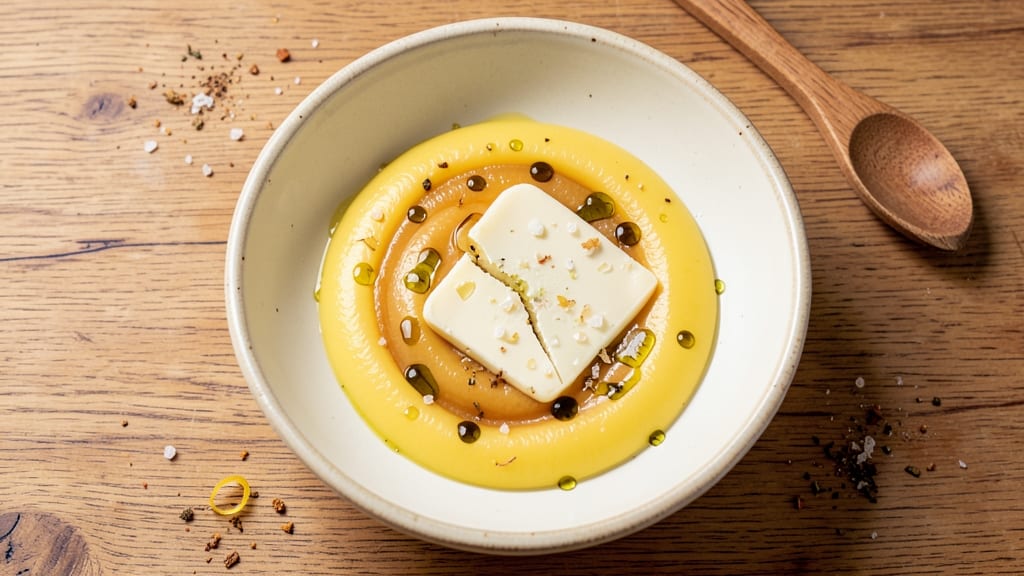
This lemon curd recipe using egg yolks only delivers that signature ultra-smooth citrus shine without a single egg white in sight. The secret lies in the yolks' natural emulsifying power, transforming simple ingredients into a velvety, tangy-sweet spread that's perfect for pastries or toast. I developed this version after years of testing—it's the one that finally nailed that restaurant-quality texture at home.
The technique is straightforward but precise: whisking egg yolks, sugar, and lemon juice over gentle heat until thickened creates a curd that's silky, not grainy. A double boiler ensures even heating without scrambling, while constant whisking prevents lumps.
The result is a vibrant yellow curd with bright citrus flavor and a glossy finish that's impossible to resist.
This recipe yields about 1½ cups of curd that stays fresh in the fridge for up to 2 weeks or freezes beautifully for 3 months. Spread it on scones, swirl it into cheesecakes, or drizzle it over yogurt—every use reveals its perfect balance of sweetness and acidity.
The yolks' fat content creates that signature smoothness that separates this from basic lemon spreads.
For extra flavor depth, I recommend using freshly squeezed lemon juice and a pinch of salt to enhance the citrus notes. The curd thickens as it cools, so don't be tempted to overcook it—just remove it from heat when it reaches 170°F and let it thicken naturally.
This is the kind of condiment that makes homemade desserts taste like they came from a professional kitchen.
Ingredients for lemon curd recipe using egg yolks only
Five yolks, one cup sugar, and citrus magic—this is the professional's secret to velvety lemon curd.
| Ingredient | Amount | Notes |
|---|---|---|
| Large Egg Yolks 🥚 | 5 whole | Freshly separated from eggs |
| Granulated Sugar 🍚 | 1 cup | White or organic preferred |
| Fresh Lemon Juice 🍋 | ¾ cup | From 3-4 lemons, freshly squeezed |
| Unsalted Butter 🧈 | ½ cup | Cold, cubed for even melting |
| Kosher Salt 🧂 | ½ tsp | Diamond Crystal preferred |
| Extra-Virgin Olive Oil 🫒 | 1 tbsp | For glossy finish |
| Lemon Zest 🍋 | 1 tbsp | From 1 lemon, finely grated |
The yolks are non-negotiable—pasteurized eggs from the refrigerated section ensure safety without compromising texture. I always use organic sugar for its cleaner profile, but regular granulated works fine. For lemon juice, Meyer lemons from specialty markets add subtle sweetness, but regular lemons deliver classic tartness. The butter should be European-style if possible—it melts more smoothly and adds richness without overpowering. Store your butter in the fridge to maintain its firmness until needed, and let it sit at room temperature for 10 minutes before cubing for even melting.
No Meyer lemons? Regular lemons with a touch of honey (½ tsp) bridges the flavor gap. Substituting butter with vegetable shortening works in a pinch, though it lacks flavor depth. For a dairy-free version, replace butter with coconut oil—use the same amount, but expect a slightly different texture. The olive oil isn't just for flavor; it creates that signature glossy finish. If you're making this ahead, store the zest separately to preserve its bright aroma until the final whisk. For extra insurance against graininess, whisk the yolks and sugar together for 2-3 minutes before adding heat—this pre-emulsification is what separates amateur from professional results.
This curd thickens as it cools, so remove it from heat at 170°F and let it sit at room temperature for 10 minutes before straining. Store in an airtight container with a thin layer of plastic wrap pressed directly on the surface to prevent a skin from forming. Keeps for 2 weeks in the fridge or 3 months frozen. For freezing, portion into ice cube trays—perfect for single-serving applications. The curd's texture improves with time, so making a batch ahead for pastries is always a smart move. If you notice any graininess after chilling, simply whisk again briefly to restore smoothness.
Why You'll Love This Recipe
- No Waste, All Flavor: I save money by using just the yolks—no egg whites to scramble or ruin. That rich, velvety texture comes from every last bit of the yolk, and honestly? It’s the secret to curd that doesn’t taste like it’s missing anything.
- Bright in Minutes: Fresh lemon juice and sugar hit the heat with butter—it’s science, but it feels like magic. The curd finishes in under 20 minutes, bright and tangy enough to cut through anything, even butter itself.
- Weeknight Magic: Slather it on toast when you’re too tired for breakfast, dollop it into yogurt for a lunch boost, or sneak it into muffins for a hidden zing. It’s my go-to when I need something effortless but impressive.
- Keeps Like Gold: Store it in the fridge for weeks, or freeze it in little jars for whenever a craving hits. That salted butter finish means it doesn’t go stale, and the yolks keep it lusciously smooth—no weird graininess here.
Step-by-step instructions for ultra-smooth lemon curd
This method delivers silky perfection every time—no lumps, no scrambling, just vibrant citrus flavor.
Whisk Egg Yolks and Sugar Until Pale and Ribbon-Like
In a medium heatproof bowl, whisk together the 5 whole large egg yolks and 1 cup granulated sugar over a double boiler setup. The bowl should sit just above simmering water, never touching it. Whisk continuously for 5-7 minutes until the mixture triples in volume, becomes pale yellow, and leaves a clear ribbon when the whisk is lifted. This process emulsifies the yolks and sugar, creating a stable base that prevents curdling later.
I find it helpful to work in a well-ventilated area—this step releases steam that can make the kitchen humid. If the mixture begins to bubble vigorously, reduce the heat slightly to maintain gentle simmering. The goal is to warm the yolks gradually to 160°F without cooking them, which would cause scrambling.
Add Lemon Juice and Zest for Maximum Flavor
Remove the bowl from the heat and immediately whisk in the 0.75 cup fresh lemon juice and 1 tbsp lemon zest. The zest adds aromatic oils that enhance the bright citrus flavor without overpowering it. Stir vigorously for 1 minute to fully incorporate—you'll notice the mixture lighten slightly as the zest distributes evenly. This is also when the true lemon aroma emerges, signaling we're on the right track.
Here's the thing—fresh lemon juice is non-negotiable. Bottled juice lacks the volatile compounds that create authentic lemon curd flavor. If you're using organic lemons, you might need to strain the juice to remove any pulp, which can make the final texture grainy. I prefer to keep a fine-mesh strainer handy for this purpose.
Temper with Butter for Ultra-Smooth Texture
Return the bowl to the double boiler and gradually whisk in the 0.5 cup cold cubed unsalted butter, adding 1 cube at a time with 10-second intervals between additions. This tempering process prevents the butter from shocking the egg mixture and creating scrambled curd. Continue whisking constantly until all butter melts completely and the mixture reaches 170°F—it should coat the back of a spoon and hold its shape when drizzled.
The butter's cold temperature is crucial here. If you add warm butter, you risk curdling the eggs. I always use a candy thermometer to monitor the temperature precisely. When the mixture reaches 170°F, it should be thick enough to leave a visible trail when the whisk is lifted, but still pourable.
Finish with Olive Oil and Salt for Stability
Remove the bowl from heat once more and whisk in the 0.5 tsp kosher salt and 1 tbsp extra-virgin olive oil. The olive oil serves two purposes: it adds a subtle richness that balances the acidity and creates that signature glossy sheen on the finished curd. Stir for 30 seconds to fully incorporate, then transfer the mixture to a clean jar or bowl. The curd should be smooth, vibrant yellow, and slightly thicker than heavy cream.
This final step is where the magic happens—the olive oil not only enhances flavor but also acts as an emulsifier that prevents separation. I always recommend using a high-quality extra-virgin olive oil here, as its peppery notes complement the citrus beautifully. The curd will continue thickening as it cools, so don't be alarmed if it looks slightly runny immediately after mixing.
Strain and Cool for Perfect Consistency
Pass the curd through a fine-mesh sieve into a clean bowl to remove any potential lumps or zest particles. This final straining ensures the silkiest texture possible. Let the curd cool to room temperature, stirring occasionally to prevent a skin from forming. Once cooled to 70°F, it should be thick enough to hold its shape when spooned but still spreadable—this is the ideal consistency for filling tarts or pairing with pastries.
For best results, refrigerate the curd for at least 4 hours before using. The flavors will meld more completely during this time, and the texture will firm up slightly. I've found that freshly made curd works beautifully for immediate use, but chilled curd develops deeper flavor complexity. Store in an airtight container in the refrigerator for up to 1 week or freeze for up to 3 months.
Pro Tips For Making Lemon Curd Recipe Using Egg Yolks Only
- STRAIN THOSE YOLKS: Use a fine-mesh sieve to press egg yolks through—no lumps, no scrambling later. I learned this the hard way after finding a stubborn yolk chunk in my curd that no whisking could break down.
- WHISK LIKE YOU MEAN IT: Start over low heat, but once the sugar dissolves, crank the heat to medium-high and keep that whisk moving. The curd thickens fast—if you stop, you’ll end up with scrambled eggs instead of silky curd.
- SALT THE BUTTER FIRST: Melt the butter and sprinkle in the salt before adding it to the yolks. Butter alone doesn’t taste salty enough, and mixing it in after means you’ll either miss spots or oversalt the whole batch.
- STOP WHEN IT’S 160°F: Use a thermometer—pull the curd off heat at 160°F (71°C), not when it looks done. I used to eyeball it and end up with grainy curd every time; the temp guarantees perfect texture.
Perfect pairings for these flavors
Classic Pairings
Nothing beats this lemon curd on freshly baked scones or croissants—the buttery layers soak up the tangy sweetness perfectly. I like to serve it with clotted cream for a proper English tea experience.
For a modern twist, drizzle it over pancakes or waffles with fresh berries for a brunch showstopper. 🍋
Dessert Elevations
Use it to fill mini tart shells or phyllo cups for elegant finger foods. The curd's vibrant color makes it perfect for cheesecake swirls or as a topping for panna cotta.
I've also used it as a glaze for lemon bars—just brush it on top after baking for that professional bakery finish.
Savory Surprises
Don't limit it to sweet dishes! Spread it on toasted baguette slices with flaky salt for an unexpected appetizer. It also works beautifully with goat cheese on crackers or as a drizzle for seared scallops—the acidity cuts through rich proteins beautifully.
Beverage Pairings
A crisp Sauvignon Blanc from New Zealand complements the citrus notes perfectly. For coffee lovers, try it with a light roast—the acidity in both flavors creates a refreshing contrast. Even an iced tea with mint becomes a sophisticated sipper when paired with this bright curd.
Global Variations
In France, it's classic with madeleines, while in Australia, they often use it with lamington cake. For a Mexican-inspired twist, mix it with chili powder and serve with churros—the heat balances the sweet-tart perfectly. The possibilities are endless once you get creative!
Nutrition facts
Frequently asked questions
Why does this recipe use only egg yolks instead of whole eggs?
The yolks create that signature ultra-smooth texture without the risk of curdling that comes with egg whites. Their natural fat content also helps emulsify the mixture perfectly, resulting in a velvety consistency. Plus, it eliminates the need to separate eggs entirely—just crack and separate!
Can I make this lemon curd without a double boiler?
Yes! Use a heatproof bowl placed over a saucepan of simmering water, ensuring the bottom of the bowl never touches the water. Alternatively, a slow cooker on low heat works too—just monitor closely to prevent overheating. The key is gentle, indirect heat to avoid scrambling the yolks.
What if my lemon curd turns out grainy?
Graininess usually means overheating or uneven heat distribution. To fix it, whisk the curd vigorously for 2-3 minutes—this often restores smoothness. For prevention, remove from heat at 170°F and let it thicken naturally as it cools. Always use a candy thermometer for precision!
How do I know when the lemon curd is done?
It's ready when it reaches 170°F and coats the back of a spoon like thick pudding. It should also leave a visible trail when drizzled from a spoon. The curd will thicken further as it cools, so don't overcook it—just remove it from heat at this temperature.
Can I substitute butter with something else?
For a dairy-free version, replace butter with coconut oil (same amount) or vegetable shortening. However, butter adds richness and flavor that's hard to replicate. If using oil, expect a slightly different texture but still delicious results. For vegan options, consider using silken tofu blended with oil.