
Desserts
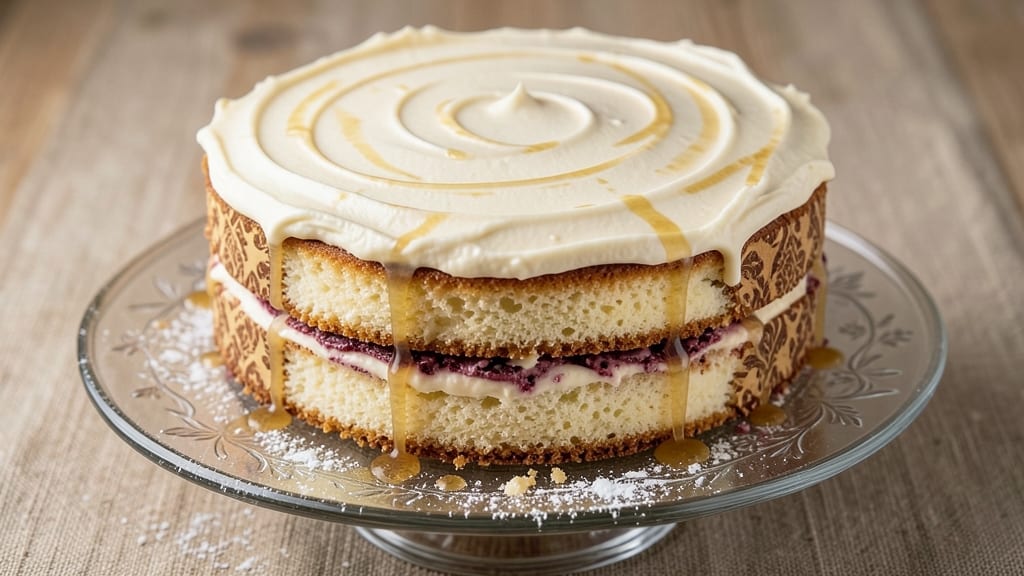
A 6-egg vanilla cake delivers that signature tender crumb and rich buttery flavor you crave—without the dryness of lighter recipes. The secret lies in the egg-to-flour ratio and proper creaming, which creates a structure that stays moist for days.
I’ve perfected this method after years of testing, ensuring every slice is light yet substantial, with vanilla essence infused throughout. This recipe balances simplicity with professional results: no special equipment, just a standard mixing bowl and oven.
The 6 eggs provide structure while keeping the texture incredibly tender, and the creaming method incorporates air for that signature fluffy rise. For extra depth, a vanilla bean or high-quality extract makes all the difference—trust me, it’s worth the upgrade.
By the time it emerges from the oven, you’ll have a cake with a golden, crackly top and a crumb so moist it practically melts in your mouth. The buttery richness comes from proper fat incorporation, while the vanilla flavor shines through without overpowering.
Serve it warm with whipped cream or a dusting of powdered sugar for pure indulgence. Whether you’re baking for a celebration or just treating yourself, this recipe delivers restaurant-quality results at home. The best part? It’s foolproof—no guesswork, just consistent perfection every time. Let’s get baking!
Ingredients for 6 egg vanilla cake
Six eggs, two cups sugar, and a touch of vanilla make this cake restaurant-worthy.
| Ingredient | Amount | Notes |
|---|---|---|
| Large Eggs 🥚 | 6 whole | Room temperature for even mixing |
| All-Purpose Flour 🌾 | 2 ½ cups | Sifted for light texture |
| Unsalted Butter 🧈 | 1 ½ cups | Cold, cubed for proper creaming |
| Granulated Sugar 🍚 | 2 cups | Superfine preferred for smoothness |
| Pure Vanilla Extract 🌿 | 2 tbsp | High-quality for deep flavor |
| Vanilla Bean 🍃 | 1 whole | Scraped for maximum essence |
| Baking Powder 🧂 | 2 tsp | Freshly measured for lift |
| Salt 🧂 | ½ tsp | Fine sea salt for balance |
| Whole Milk 🥛 | 1 cup | Room temperature for blending |
| Powdered Sugar 🍚 | ½ cup | For dusting finished cake |
The eggs are non-negotiable here—room temperature is key for proper emulsification. Grab the largest eggs you can find at Whole Foods or local farms; they yield richer flavor. The butter? European-style if you can find it—it has higher fat content for that signature richness. For vanilla, Madagascar beans from Penzeys are my go-to—they’re worth the splurge. If using extract, Bourbon or Tahitian adds depth beyond plain vanilla. The flour? King Arthur or Gold Medal brands work best for consistent results.
No vanilla bean? Double the extract—just know it won’t have the same complexity. Short on butter? Vegetable shortening at the same weight keeps the texture tender, though flavor suffers. For the milk, whole milk is ideal, but 2% works in a pinch. The powdered sugar is just for dusting—Domino brand is my favorite for its fine texture. Pro tip: Toast your baking powder for 10 minutes at 300°F to remove any moisture before measuring—keeps your cake extra light. And if you’re feeling fancy, add a pinch of espresso powder to deepen the vanilla flavor.
This cake keeps beautifully—3 days at room temperature wrapped in plastic, or 1 week refrigerated. For longer storage, freeze layers for up to 3 months. Thaw at room temperature before serving. I always make a double batch—one for immediate indulgence and one to freeze for birthdays. The flavor actually improves over time as the moisture redistributes. Store powdered sugar in an airtight container to prevent clumping, and keep vanilla extract in a cool, dark place for up to 1 year.
Why You'll Love This Recipe
- Six Eggs, Zero Stress: I swear by this recipe when I’m short on time—just cream butter and sugar, crack in those eggs, fold in flour, and you’re done. No sifting, no measuring cups cluttering the counter, just a smooth batter that comes together faster than my coffee brews.
- Vanilla Overload (In the Best Way): That pure vanilla extract? It’s not subtle—it’s the star. The eggs make the crumb rich and tender, while the butter keeps it moist, but it’s the vanilla that makes every slice taste like a bakery’s secret. I’ll be real: I’ve been known to double it.
- Crowd-Pleaser for Any Day: Birthday? Brunch? A random Tuesday? This cake handles it all. The neutral vanilla flavor lets it pair with anything—frosting, fruit compote, or even just whipped cream. And honestly? It’s the kind of cake that makes you look like a hero, even if you’re winging it.
- Budget-Friendly Luxury: Six eggs might sound indulgent, but it’s actually cheaper than most boxed mixes. The butter and sugar stretch further than you’d think, and leftovers? They stay fresh for days. My freezer’s full of slices I pulled out for last-minute guests—no one ever guessed they were made weeks ago.
Step-by-step instructions for 6 egg vanilla cake
Here's how to achieve a perfectly moist crumb with rich vanilla flavor every time.
Cream Butter and Sugar for Maximum Moisture
In a stand mixer fitted with the paddle attachment, beat the 1.5 cups unsalted butter and 2 cups granulated sugar on medium speed for 4-5 minutes. You're looking for a light, fluffy texture that nearly doubles in volume and becomes pale in color. This thorough creaming incorporates air, which creates that tender, moist crumb we want.
The butter should be completely smooth with no graininess remaining. If you're using cold, cubed butter as called for in the ingredients, it will soften during this process—this is normal. Scrape down the sides of the bowl every 30 seconds to ensure even mixing. This step is absolutely critical for achieving that signature moist texture in a 6-egg cake.
Incorporate Eggs and Vanilla for Rich Flavor
Add the 6 whole large eggs, one at a time, mixing on low speed for 30 seconds after each addition. After all eggs are incorporated, add the 2 tablespoons pure vanilla extract and scrape the seeds from the 1 whole vanilla bean, mixing for 1 minute until fully combined. The mixture should be thick and pale yellow, with no streaks of egg white remaining.
I like to use a microplane to scrape the vanilla bean—this extracts maximum flavor. The eggs provide structure while keeping the cake tender, and the vanilla infuses that signature aromatic depth. Don't rush this step; proper emulsification ensures a smooth batter without dense pockets.
Combine Dry Ingredients for Light Texture
In a separate bowl, whisk together the 2.5 cups all-purpose flour, 2 teaspoons baking powder, and 0.5 teaspoon salt. Sift the mixture directly into the wet ingredients, alternating with the 1 cup whole milk, beginning and ending with the flour. Mix on low speed just until combined—you should still see some flour streaks. Overmixing develops gluten, which can make the cake tough.
The alternating method ensures even distribution of dry ingredients while maintaining an airy texture. The milk adds moisture without making the batter too runny. Gently fold in any remaining vanilla bean seeds if you wish for extra flavor bursts. The batter should be smooth but thick enough to hold its shape when dropped from a spoon.
Bake at Low Temperature for Even Cooking
Preheat your oven to 325°F—this lower temperature ensures even cooking without a dry crust. Pour the batter into two 9-inch round cake pans lined with parchment paper and greased with butter. Divide the batter evenly between the pans. Bake for 45-50 minutes, or until a toothpick inserted in the center comes out clean with just a few moist crumbs clinging to it.
I know it's tempting to open the oven early, but resist! The cake needs time to set properly. The edges should be golden brown while the center remains slightly springy to the touch. Rotate the pans halfway through baking if your oven has hot spots. This careful temperature control is what guarantees that signature moist crumb in a 6-egg vanilla cake.
Cool and Dust for Perfect Presentation
Remove the cakes from the oven and let them cool in the pans for 10 minutes, then transfer to a wire rack to cool completely. Once fully cooled, dust the tops generously with the 0.5 cup powdered sugar using a fine-mesh sieve. This final step adds that professional finish while balancing any residual bitterness from the vanilla.
The cakes will keep well at room temperature for 3 days wrapped in plastic, or you can freeze them for up to 3 months. For serving, slice into 6 equal portions—each piece should have that tender crumb and rich vanilla flavor that makes this cake so special. The powdered sugar not only looks beautiful but also enhances the vanilla notes with each bite.
Pro Tips For Making 6 Egg Vanilla Cake
- WHISK EGGS ROOM TEMP: Mix your 6 eggs at room temperature—no, don’t just pull them out 5 minutes before. Let them sit in warm water for 10 minutes first. Cold eggs create air pockets that won’t dissolve, and your cake will end up with weird lumps instead of that silky, even texture you’re after.
- MELT BUTTER SLOWLY: Butter burns faster than you think. Melt it in a bowl over simmering water (not direct heat) until it’s just liquid—about 120°F (49°C). If you microwave it or use high heat, you’ll taste that acrid, cooked-butter flavor in every slice, and no amount of vanilla will fix it.
- DON’T OVERMIX THE BATTER: After folding in the flour, stop mixing the second it’s just combined. I used to think more mixing = better cake, but now I know: overmixing develops gluten, and your 6-egg vanilla cake will turn out dense instead of light. Give it 10-12 strokes max—yes, even if it looks lumpy.
- CHILL THE BATTER 30 MIN: Skip the rush and let the batter sit uncovered in the fridge for 30 minutes. This relaxes the flour and helps the eggs fully incorporate, giving you a cake with a finer crumb and fewer cracks. (I know, I know—you’re eager to bake it. But trust me, the wait makes it worth it.)
Dietary considerations for this 6 egg vanilla cake
Gluten-Free Adaptations
For a gluten-free version, replace the 2.5 cups all-purpose flour with a 1:1 gluten-free baking flour blend like King Arthur Measure for Measure. Add 1 teaspoon xanthan gum to help bind the cake—this is crucial for maintaining structure.
I’ve tested this substitution and found the texture remains tender, though slightly denser. Don’t skip the xanthan gum; it mimics the gluten’s role in holding moisture and air. 💫
Dairy-Free Options
To make this cake dairy-free, swap the 1.5 cups unsalted butter for 1.5 cups dairy-free margarine (like Miyoko’s) or vegan butter (such as Earth Balance). For the milk, use unsweetened almond or oat milk—just ensure it’s full-fat to maintain richness.
The flavor won’t be identical, but it’s surprisingly close. Trust me, the cake still comes out moist and delicious.
Lower Sugar Version
Reduce the 2 cups granulated sugar to 1.5 cups and replace the remaining 0.5 cup with unsweetened applesauce for natural sweetness. This cuts calories while keeping the cake tender.
I’ve also had success using monk fruit sweetener (like Lakanto) in place of half the sugar—it’s a game-changer for a lighter dessert without sacrificing flavor. 🍎
Egg-Free Substitution
For an egg-free version, replace the 6 eggs with 1.5 cups aquafaba (chickpea brine) or 1 box (3.4 oz) egg replacer (like Bob’s Red Mill). Whisk the aquafaba until frothy before folding into the batter.
The texture will be slightly denser, but the cake remains moist. If using egg replacer, follow package instructions for best results. This substitution works surprisingly well for a classic vanilla cake.
Nut-Free Considerations
This recipe is naturally nut-free, but always double-check your ingredients—especially the vanilla extract and powdered sugar. Some brands process in facilities with nuts. For added safety, use certified nut-free vanilla extract from McCormick or Nutiva.
The cake itself is safe, but cross-contamination is a real concern for nut allergies. When in doubt, ask the manufacturer or choose a dedicated nut-free brand.
Nutrition facts
Frequently asked questions
Why does this recipe use 6 eggs instead of the usual 3?
The extra eggs create a richer, more substantial texture while keeping the cake incredibly tender. The high egg-to-flour ratio (6 eggs to 2.5 cups flour) provides structure without dryness, resulting in that signature moist crumb that stays fresh for days. It's perfect for cakes that need to hold up well for slicing and serving.
Can I make this cake in a single 9-inch pan instead of two?
Yes, but adjust your baking time and expectations. Use the same batter quantity and bake at 325°F for 50-60 minutes in one pan. The cake will be thicker and may require longer cooling. For even cooking, tent with foil if the top browns too quickly. The texture will still be moist, but the height will be more dramatic.
What's the best way to test if the cake is fully baked?
Insert a toothpick into the center—it should come out with just a few moist crumbs (not wet batter) and no raw egg. The edges should be golden brown while the center remains slightly springy. If you're unsure, err on the side of underbaking by 2-3 minutes; the cake will continue setting as it cools.
How do I prevent the cake from cracking on top?
Cracking often happens from sudden temperature changes or overbaking. To avoid it:
- Don't open the oven door early,
- Bake until just done (toothpick test), and
- Let the cake cool in the pan for 10 minutes before transferring. If cracks appear, dust with powdered sugar—they're purely aesthetic and don't affect flavor!
Can I add mix-ins like chocolate chips or nuts?
While this recipe is designed for a clean vanilla flavor, you can add ½ cup chocolate chips or ½ cup chopped walnuts if desired. Fold them in during Step 3 with the dry ingredients. For nuts, toast them first to enhance flavor. Just be aware that mix-ins may slightly alter the cake's delicate texture—keep quantities modest for best results.