
Breakfast & Brunch
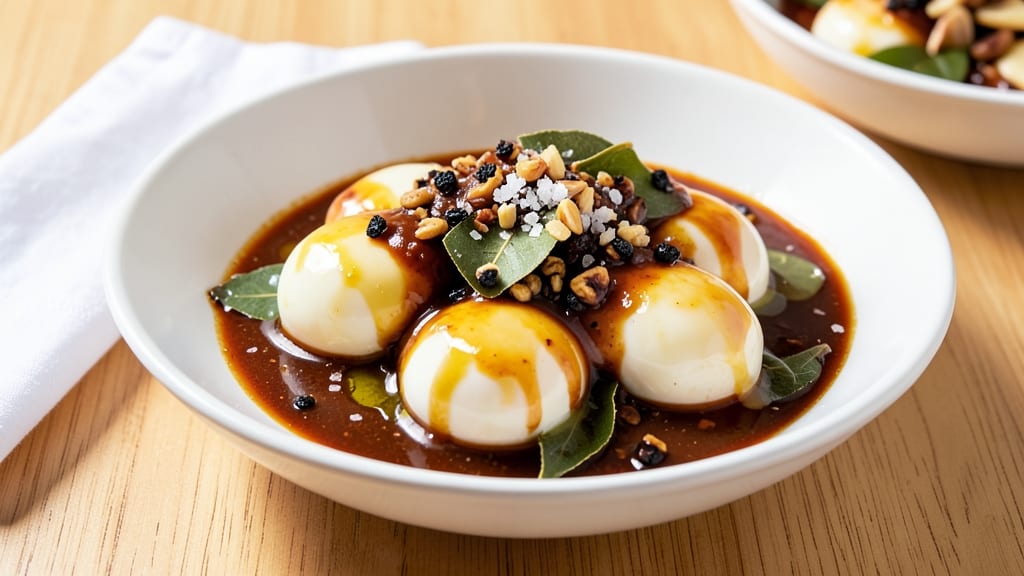
This Filipino-style adobong egg recipe transforms simple eggs into a restaurant-worthy dish with a rich, tangy-savory glaze. The secret lies in balancing garlic, soy sauce, and vinegar for that signature umami depth—perfect for breakfast or a light dinner.
I’ve perfected this technique to ensure the yolks stay silky while the whites absorb the bold flavors without falling apart.
The process is straightforward but requires patience: marinate the eggs in a mixture of soy sauce, vinegar, garlic, and bay leaves for at least 30 minutes (or overnight for deeper flavor).
Then, simmer them gently until the sauce reduces to a glossy, caramelized finish. The result? Eggs with a tender, custardy texture and a glossy, savory-sweet glaze that clings perfectly.
What makes this dish special is how it elevates ordinary eggs into something extraordinary—no fancy ingredients, just a few pantry staples and a little time. The aroma alone will fill your kitchen with warmth, while the first bite delivers a perfect harmony of tangy, garlicky, and slightly sweet notes.
Serve with steamed rice or crusty bread to soak up every last drop of that flavorful sauce.
This recipe is versatile enough for weeknight meals or weekend gatherings, and the leftovers reheat beautifully. Whether you're introducing Filipino flavors to your table or looking for a new way to enjoy eggs, this dish delivers restaurant-quality results with minimal effort. Let’s get cooking!
Ingredients for adobong egg
Eight simple ingredients transform ordinary eggs into Filipino-style adobong masterpieces.
| Ingredient | Amount | Notes |
|---|---|---|
| Large Eggs 🥚 | 8 whole | Room temperature for even cooking |
| Soy Sauce 🍶 | ½ cup | High-quality, preferably Filipino brand |
| White Vinegar 🍶 | ¼ cup | White or cane vinegar preferred |
| Garlic Cloves 🧄 | 8 cloves | Minced finely for deep flavor infusion |
| Bay Leaves 🌿 | 2 whole | Fresh or dried, removed before serving |
| Olive Oil 🫒 | 2 tbsp | Extra-virgin for best flavor |
| Granulated Sugar 🍚 | 1 tbsp | Balances tangy-savory profile |
| Salt 🧂 | ½ tsp | Adjust to taste after simmering |
| Black Peppercorns 🌶️ | ¼ tsp | Crushed for subtle heat |
| Water 💧 | ½ cup | For sauce consistency |
| Steamed White Rice 🍚 | 2 cups | For serving (optional) |
The soy sauce makes or breaks this dish—Filipino brands like Silver Swan or Lee Kum Kee deliver that authentic umami depth. If you can't find them, Japanese soy sauce works in a pinch, but it'll taste slightly different. Fresh garlic is non-negotiable here; the minced cloves should be finely chopped to dissolve completely into the sauce. Bay leaves add subtle earthiness, but if you're short, dried thyme at half the amount works too. I always grab extra bay leaves since they can be reused in other dishes—they're worth the small investment.
No white vinegar? Cane vinegar or apple cider vinegar both work, though the flavor will shift slightly. The sugar might seem odd, but it's essential for balancing the tangy-savory profile—brown sugar adds a caramel note if you prefer. For the eggs, room temperature is key; cold eggs won't cook evenly. If you're making this ahead, marinate the eggs in the sauce mixture for at least 30 minutes (overnight is ideal) to develop deeper flavor. The olive oil might seem unnecessary, but it creates a silky sheen on the finished sauce—don't skip it unless you're using a very high-quality soy sauce that's naturally glossy.
This dish reheats beautifully—microwave for 1-2 minutes or gently warm on the stovetop. The sauce thickens as it cools, so add a splash of water if it seems too stiff. Store leftovers in the fridge for up to 5 days, though the flavors actually improve after the first night as everything melds. For serving, steamed jasmine rice is traditional, but crusty bread works too. The eggs keep their custardy texture when reheated properly, so don't overcook them initially—just until the whites are set but yolks remain runny.
Why You'll Love This Recipe
- One-Pan Magic: I swear by this recipe when I’m too tired to wash dishes. Just crack eggs into a pan, add the vinegar-soy mix, and let the garlic and bay leaves work their savory spell—no flipping, no fuss.
- Umami Bomb: That tangy-salty balance? Chef’s kiss. The vinegar cuts through the richness of the eggs while the soy sauce deepens the flavor, and the garlic? It’s the star—crispy bits clinging to eggs that taste like they’ve been slow-cooked.
- Lunchbox Hero: Between us, these eggs are my secret weapon for packed lunches. They hold up for days in the fridge, and the bold flavors actually make me look forward to leftovers—no sad, soggy sandwiches here.
- Pocketbook Performer: Honestly, this is one of those rare recipes where you get restaurant-quality taste for pennies. A dozen eggs, a bottle of soy sauce, and a bag of garlic? That’s it. My wallet and my taste buds thank me every time.
Step-by-step instructions for adobong egg
Here's how to create silky eggs with a perfect soy-vinegar glaze every time.
Prepare the Eggs and Aromatics
Place the 8 whole large eggs in a saucepan and cover them completely with cold water. Bring to a gentle boil over medium-high heat—this should take about 5-7 minutes. Once boiling, immediately reduce heat to low and let the eggs simmer for exactly 6 minutes. You're aiming for jammy yolks with perfectly set whites.
While the eggs cook, mince the 8 cloves garlic cloves finely—you want them almost paste-like for maximum flavor infusion. In a separate small bowl, crush the 0.25 teaspoon black peppercorns with the flat side of a knife to release their oils. This preparation ensures every bite carries that essential aromatic depth characteristic of authentic adobo.
Build the Soy-Vinegar Base
Heat the 2 tablespoons olive oil in a large skillet over medium heat until shimmering. Add the minced garlic and sauté for 1-2 minutes until fragrant but not browned—this prevents bitterness that can overpower the delicate egg flavors. Remove the pan from heat temporarily and add the 0.5 cup soy sauce, 0.25 cup white vinegar, 1 tablespoon granulated sugar, 0.5 teaspoon salt, and 2 whole bay leaves.
Return the pan to medium heat and bring the mixture to a gentle simmer. Let it reduce for 3-4 minutes until slightly thickened and glossy. The sugar helps balance the acidity while the vinegar's tang will penetrate the eggs beautifully during the final step. Stir occasionally to prevent scorching at the bottom of the pan.
Simmer the Eggs in Glaze
Using a slotted spoon, carefully transfer the cooked eggs to the skillet with the soy-vinegar mixture. Pour in the 0.5 cup water and bring everything to a gentle simmer again. The liquid should just barely cover the eggs—this ensures even glaze distribution without making them soggy.
Simmer uncovered for 8-10 minutes, turning the eggs gently every 2-3 minutes with tongs. You're looking for a glossy, amber-colored glaze that coats the eggs completely. The eggs should be heated through but still maintain their jammy centers. If the glaze reduces too quickly, add 1 tablespoon water at a time until you reach the desired consistency.
Rest and Serve
Remove the eggs from the skillet and let them rest on a wire rack for 5 minutes. This resting period allows the glaze to set slightly and prevents the yolks from breaking when you serve. Remove and discard the bay leaves before serving—though they add wonderful aroma during cooking, their texture is too fibrous for the final dish.
Serve immediately over the 2 cups steamed white rice, spooning the rich soy-vinegar glaze generously over each portion. The contrast between the tender eggs, silky yolks, and slightly tangy-sweet sauce creates the perfect balance. For best results, eat while warm to enjoy the full depth of flavors in this classic Filipino preparation.
Pro Tips For Making Adobong Egg
- CRACK EGGS COLD: Grab eggs straight from the fridge—room temperature eggs make a mess when you drop them into hot oil. I learned this the hard way when I tried to rush and ended up with scrambled yolks instead of whole poached eggs. Give them 10 minutes in the fridge if you’re impatient, but cold is better.
- MINCE GARLIC FINE: Skip the rough chop—adobong egg needs garlic to dissolve into the sauce, not just sit as chunks. Use a knife or garlic press to get it into a paste, then sauté it until it’s almost colorless before adding vinegar. This makes a real difference in flavor distribution.
- LOW AND SLOW: Start with medium heat, then drop it to low once the eggs are submerged. High heat turns the whites rubbery, and you’ll end up with a sad, uneven cook. The eggs need steady, gentle warmth to poach evenly—think of it like a bath, not a boil.
- SALT THE WATER: Add a pinch of salt to the vinegar-water mix before submerging the eggs. The salt helps the whites firm up faster and keeps them from sticking together when you remove them. It’s a tiny step, but it guarantees cleaner, easier-to-serve eggs every time.
Best sauces and condiments for adobong egg
Classic Adobo Sauce
This dish relies on a balanced adobo sauce that marries soy sauce, vinegar, and garlic for that signature Filipino tang. The ½ cup soy sauce (preferably Filipino brands like Silver Swan) provides umami depth, while ¼ cup white vinegar adds bright acidity.
For extra richness, I recommend reducing the sauce until it reaches a glossy, syrupy consistency—this ensures it clings beautifully to the eggs. 🍶
Sweet-Savory Glaze
The 1 tbsp granulated sugar is essential for balancing the tangy-savory profile, creating a subtle caramel note that rounds out the flavors. For a deeper sweetness, swap in brown sugar or add ½ tsp honey during the final reduction.
The glaze should coat the eggs like a silky lacquer, so stir frequently to prevent burning at the bottom of the pan.
Garlic-Infused Oil
Never skip the 2 tbsp olive oil—it creates a luxurious sheen and prevents the sauce from sticking. Sauté the 8 minced garlic cloves until fragrant but not browned (about 1-2 minutes), or they’ll turn bitter.
For a stronger garlic flavor, let the oil infuse for 5 minutes before adding the other ingredients. This step is what makes the dish truly aromatic. 🧄
Bay Leaf & Pepper
Add 2 whole bay leaves for earthy depth and ¼ tsp crushed black peppercorns for subtle heat. Remove the bay leaves before serving—they’re flavorful during cooking but too fibrous for the final dish.
If you’re short on bay leaves, dried thyme works in a pinch, though the flavor will differ slightly.
Finishing Touches
For an extra layer of complexity, finish with a sprinkle of toasted sesame seeds or a drizzle of chili oil before serving. The contrast of nutty crunch or spicy heat elevates the dish to restaurant-quality.
Garnish with fresh cilantro if you love its bright, citrusy note—it’s optional but adds freshness. 🌿
Nutrition facts
Frequently asked questions
Can I use this recipe with hard-boiled eggs instead of fresh?
No, fresh eggs are essential for that signature silky yolk texture. Hard-boiled eggs will absorb too much of the sauce and lose their custardy center. If you're short on time, boil the eggs for just 5 minutes instead of 6 minutes to keep yolks slightly runnier, but they won't be as tender as fresh eggs.
How do I adjust this recipe for fewer or more servings?
For 2 servings, halve all ingredients (4 eggs, ¼ cup soy sauce, etc.). For 6 servings, multiply by 1.5 (12 eggs, ¾ cup soy sauce, etc.). Keep the sauce-to-egg ratio consistent—too much liquid will make the eggs soggy, while too little will prevent proper glaze formation. The simmering time remains the same per batch.
What if I don't have bay leaves?
No problem! Substitute with ½ teaspoon dried thyme or ¼ teaspoon ground allspice for earthy depth. Skip them entirely if you're out of both, but you'll lose that classic adobo aroma. For extra garlic flavor, add 1 extra clove to compensate. The dish will still taste delicious—just slightly different.
Can I make this ahead of time?
Yes, but with a few key adjustments. Cook the eggs completely (no runny yolks) and store them in the sauce at room temperature for up to 4 hours. For longer storage, refrigerate for up to 3 days—reheat gently in the sauce over low heat until warmed through. The flavors actually improve overnight as the sauce melds! Just add fresh rice when serving.
Why did my eggs turn out rubbery?
Overcooking is the most common culprit! Eggs should simmer gently for only 8-10 minutes total (after initial boiling). If the sauce was too hot or simmered too long, the yolks will firm up. For perfect texture, maintain a gentle simmer and turn eggs frequently. Another tip: Use room-temperature eggs and don't overcrowd the pan.