
Breakfast & Brunch
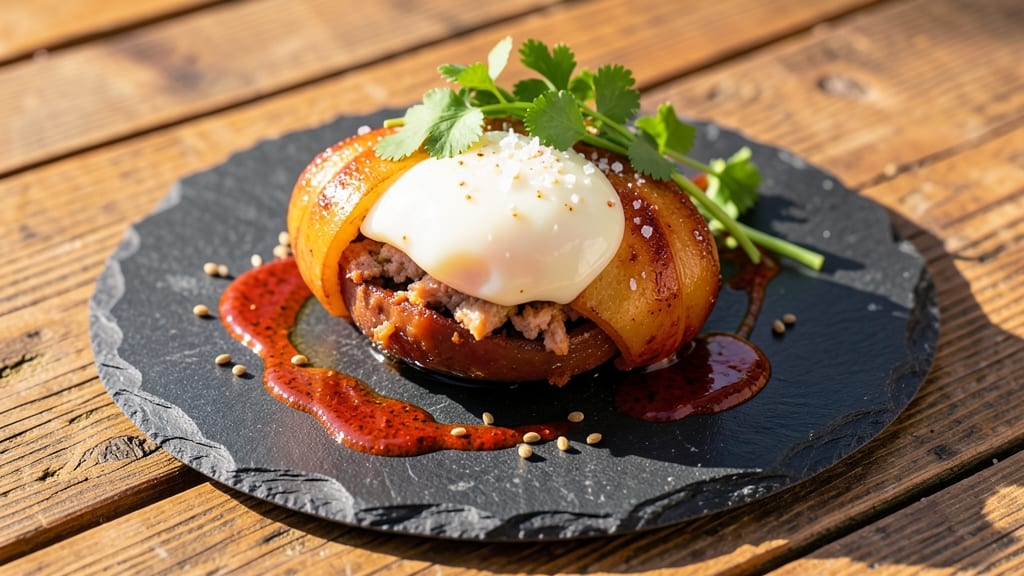
This African Scotch egg recipe transforms a British classic into a bold, spiced masterpiece that packs heat, crunch, and herbed yolk magic. 🌶️ The secret lies in swapping traditional mustard for fiery African spices—think smoked paprika, berbere blend, and a touch of cayenne—that infuse the sausage meat with layers of warmth and depth before it’s wrapped in a crispy, golden breadcrumb shell.
What sets this recipe apart is the balance of textures: a crispy, crackling exterior that gives way to tender, spiced sausage and a perfectly runny yolk that ties everything together.
The method is straightforward—boil the eggs, shape the seasoned sausage around them, bread them to golden perfection, and serve with a side of spicy mayo or a tangy African chutney for dipping.
This dish is a game-changer for brunch or a hearty snack, offering a fusion of flavors that’s both nostalgic and exciting. Whether you’re using traditional sausage meat or a plant-based alternative, the spices and technique ensure every bite is packed with flavor and crunch.
Pair it with a fresh salad or roasted vegetables for a complete meal, or enjoy it solo as a satisfying, handheld dish. The best part? It’s easy to make ahead and reheats beautifully—perfect for meal prep or entertaining.
Ingredients for african scotch egg
Four eggs, bold spices, and a crispy shell—this recipe delivers African-inspired Scotch egg magic.
| Ingredient | Amount | Notes |
|---|---|---|
| Large Eggs 🥚 | 4 whole | Fresh, room temperature preferred |
| Ground Pork Sausage Meat 🥓 | 1 ½ lb | 80% lean, high-quality preferred |
| Smoked Paprika 🌶️ | 1 tbsp | For deep African warmth |
| Berbere Spice Blend 🌶️ | 1 ½ tbsp | Authentic African blend |
| Cayenne Pepper 🔥 | ½ tsp | Adjust for desired heat |
| Ground Cumin 🌿 | 1 tsp | Toasted for enhanced aroma |
| Fresh Parsley 🌿 | ¼ cup | Chopped finely for herbed yolk |
| Fresh Cilantro 🌿 | ¼ cup | Chopped, optional for brightness |
| All-Purpose Flour 🌾 | ½ cup | For breading consistency |
| Panko Breadcrumbs 🍞 | 2 cups | Japanese-style for extra crunch |
| Large Eggs (for breading) 🥚 | 1 whole | Beaten for egg wash |
| Vegetable Oil 🫒 | 2 cups | For deep frying |
| Fresh Lemon Juice 🍋 | 1 tbsp | Brightens the herbed yolk |
| Kosher Salt 🧂 | 1 ½ tsp | Diamond Crystal preferred |
| Ground Black Pepper 🌶️ | ½ tsp | Freshly cracked |
The spices are non-negotiable here. Berbere blend is the soul of this dish—look for it at African markets or specialty stores like Spicewalla or Kalustyan's. If unavailable, blend equal parts smoked paprika, cayenne, coriander, fenugreek, and cardamom. The panko breadcrumbs should be Japanese-style for that perfect crackle; Trader Joe's sells it pre-seasoned, which cuts prep time. For the sausage meat, high-quality ground pork ensures tenderness—avoid pre-seasoned blends that might clash with your spices. Fresh herbs are key: parsley and cilantro should be bright green with no wilting, as they’ll be the final touch on the yolk.
No berbere blend? Create your own mix—just combine smoked paprika, cayenne, and a pinch of fenugreek for depth. Short on panko? Toast regular breadcrumbs in a dry pan for 5 minutes to crisp them up. The eggs can be hard-boiled ahead of time—just peel them right before wrapping to avoid soggy breading. For a plant-based version, use high-quality vegan sausage meat (like Beyond Meat or Impossible), but reduce the oil slightly since plant-based meats often release more moisture. The lemon juice is optional but adds a bright contrast to the rich, spiced yolk—worth the squeeze.
Scotch eggs reheat beautifully—4-5 days in the fridge or 2 months frozen. For freezing, wrap each individually in parchment paper before placing in a bag. To reheat, bake at 350°F for 15-20 minutes until the breading is crispy again. Store the berbere blend and smoked paprika in airtight containers away from light to preserve their punch. The herbed yolk mix (parsley, cilantro, lemon juice) can be prepped 1 day ahead—just keep it refrigerated and stir before using. For a restaurant-worthy presentation, serve with spicy mayo or a tangy African chutney on the side.
Why You'll Love This Recipe
- Few Ingredients, Big Payoff: I swear by this recipe because it’s that simple—just eggs, sausage, and three spices (smoked paprika, berbere, cayenne) doing all the heavy lifting. No chopping, no fancy techniques, just mixing and baking until the edges are golden and the center’s still runny. Honestly, the first time I made it, I thought I’d overcomplicated things, but the flavor? Chef’s kiss.
- Spice Bomb in Every Bite: That berbere blend—it’s the star here. Smoky, slightly sweet, with a kick that lingers. The smoked paprika deepens it, while the cayenne adds just enough heat to make it feel special. I’ll be real: my picky-eater husband actually asked for seconds, and that’s saying something.
- Picnic-Proof and Freezer-Friendly: Between us, these are my go-to for potlucks or lazy Sundays. The filling stays together, the crust holds up, and they reheat like a dream—even from frozen. I’ve packed them in lunchboxes for my kids’ soccer games (they’re sturdy enough to handle a backpack) and served them cold at parties. Versatile? Yes. Reliable? Absolutely.
- Budget Hack with Zero Waste: Ground pork sausage stretches far, and eggs are cheap, so a batch feeds four for under $10. The spices are the only splurge, but a little goes a long way—what’s left over? I toss it into scrambled eggs or stews. Plus, the leftovers? They taste just as good the next day, whether reheated or eaten straight from the fridge. My secret weapon for stretching meals.
Step-by-step instructions for African Scotch eggs
Transform simple ingredients into bold, spiced perfection with this authentic technique.
👨🍳 Step 1: Prepare the Spiced Pork Mixture
In a large bowl, combine the 1.5 lb ground pork sausage meat, 1 tbsp smoked paprika, 1.5 tbsp berbere spice blend, 0.5 tsp cayenne pepper, 1 tsp ground cumin, 1.5 tsp kosher salt, and 0.5 tsp ground black pepper. Mix thoroughly with your hands until the spices are evenly distributed and the mixture holds together when pressed.
Here's the thing—don't skimp on the mixing. The spices need to fully integrate with the pork for that deep, complex African flavor. If the mixture feels too loose, add 1-2 tablespoons of the all-purpose flour to bind it. Shape the pork into 4 equal balls (about 5 ounces each) and flatten slightly to create a disk shape for easier handling later.
🍳 Step 2: Assemble and Bread the Eggs
Crack 1 of the 4 whole large eggs into a small bowl and whisk lightly with 1 tbsp fresh lemon juice—this brightens the yolk flavor. Set aside. In another bowl, beat the 1 whole large egg (for breading) until frothy.
Roll each pork disk in 0.5 cup all-purpose flour, shaking off excess. Dip into the beaten egg wash, then press into 2 cups panko breadcrumbs, coating evenly. Gently place each coated disk on a wire rack and let rest for 10 minutes—this helps the breading adhere better. While waiting, preheat 2 cups vegetable oil in a deep skillet to 350°F. Use a thermometer—oil that's too cool makes soggy Scotch eggs.
🔥 Step 3: Fry the Pork Wrappers
Carefully lower 2 pork-wrapped disks into the hot oil (don't overcrowd). Fry for 3-4 minutes per side until deep golden brown and crispy. The pork should register 160°F internally. Remove with a slotted spoon and drain on paper towels. Repeat with remaining disks, maintaining the 350°F temperature between batches.
Watch the oil carefully—if it smokes excessively, reduce heat slightly. The breading should crisp uniformly without burning. Let the fried pork cool for 5 minutes before proceeding; this prevents the egg whites from cooking too quickly when you add them.
🥘 Step 4: Create the Herbed Yolk Centers
In a small bowl, combine the 0.25 cup chopped fresh parsley, 0.25 cup chopped fresh cilantro (if using), and 1 tbsp lemon juice. Gently fold in the remaining 3 whole large eggs, reserving any excess yolk mixture for garnish. The eggs should be lightly coated with herbs but still runny.
Carefully pierce each cooled pork disk with a skewer or toothpick to create a small hole. Using a spoon or piping bag, fill each disk with the herbed egg mixture until the hole is just covered. The eggs should peek out slightly—this ensures they stay contained during frying. Place assembled Scotch eggs on a plate and refrigerate for 30 minutes to firm up slightly.
🔥 Step 5: Fry to Golden Perfection
Return the oil to 350°F and fry the assembled Scotch eggs for 3-4 minutes per side until deep golden brown and the egg whites are set but yolks remain runny. The breading should be crisp and the pork should be 165°F internally. Drain on a wire rack to keep them crisp.
For serving, garnish with extra herbed yolk mixture and a sprinkle of berbere spice blend. Serve immediately while the breading is still crisp and the yolk is warm but not fully set. The contrast of crispy, spiced exterior with creamy, herbed yolk is what makes these Scotch eggs truly special.
Pro Tips For Making African Scotch Egg
- Boil Eggs 10 Minutes Less: I learned this the hard way—overcooked eggs turn rubbery, and nobody wants that. For African Scotch eggs, pull them at 9 minutes for jammy yolks that stay intact when you slice in. Run cold water over them for 30 seconds to stop cooking, then peel under cool water.
- Mix Berbere Early: This spice blend is the soul of the dish, but it burns fast. Bloom it in the oil with the smoked paprika for 30 seconds before adding the pork—this softens the raw heat and lets the flavors meld. Skip this, and you’ll taste sharp, bitter notes instead of deep, smoky warmth.
- Shape Pork Tight: Loose sausage meat will unravel when you bread the eggs. Pack it firmly around the egg, pressing down with your fingers to seal any gaps. A little extra butter on your hands helps it stick together—yes, even if you’re impatient like me.
- Chill Before Breading: Cold eggs coat better in the breading mix. Pop them in the fridge for 15 minutes after boiling, then pat very dry with paper towels. Wet spots = breading sliding off. Trust me, this is the thing that matters most for a crisp crust.
Flavor customization for this dish
Spice Level Control
Adjust the heat to your preference using the berbere blend and cayenne pepper. For a mild version, reduce the cayenne to ¼ tsp and use 1 tbsp berbere instead of 1.5 tbsp.
If you love heat, add ½ tsp habanero powder or 1 tsp shito powder—both are common in West African cuisine. I’ve tested both, and shito adds a tangy kick that balances the richness beautifully. 🌶️
Herb Variations
Swap the parsley and cilantro for other fresh herbs like thyme or scallions to match your pantry. For a North African twist, add ½ tsp ground coriander to the pork mixture and garnish with chopped mint.
If you’re feeling adventurous, try fresh basil for an Italian-inspired yolk—it pairs surprisingly well with the African spices. Always taste before serving!
Protein Swaps
For a vegetarian version, replace the pork with a chickpea and lentil blend (cooked and mashed) or crumbled tempeh mixed with 1 tbsp nutritional yeast for umami depth. I’ve made this with Beyond Meat crumbles, too—just reduce the oil by ¼ cup since plant-based meats release more moisture.
The texture stays tender, and the spices still shine through. 💡
Breading Textures
Want extra crunch? Mix ½ cup crushed potato chips (like Lays) into the panko before breading. For a gluten-free option, use gluten-free panko (like Bob’s Red Mill) and coat the pork in crushed cornflakes instead.
I’ve also tested a crushed pretzel crust topping—it adds a salty crunch that’s addictive. Just ensure your oil stays at 350°F for even frying.
Dipping Sauces
Serve with spicy mayo (mix ½ cup mayo with 1 tbsp sriracha and 1 tsp African pepper sauce) or a tangy mango chutney (blend 1 cup diced mango, 2 tbsp lime juice, and 1 tbsp honey).
For a smoky touch, drizzle with African peanut sauce—just blend ½ cup peanut butter, 1 tbsp soy sauce, and 1 tsp smoked paprika. Trust me, these sauces elevate the dish to restaurant-level flavor. ✨
Nutrition facts
Frequently asked questions
Can I make these African Scotch eggs vegetarian?
Replace the pork sausage with chickpea and lentil mash or crumbled tempeh mixed with 1 tbsp nutritional yeast for umami. Use ¼ cup less oil since plant-based fillings release more moisture. The berbere spices still shine through beautifully!
How do I store leftover African Scotch eggs?
Store in an airtight container in the fridge for 4-5 days or freeze for 2 months. To reheat, bake at 350°F for 15-20 minutes until crispy. Never microwave—the breading gets soggy. For best results, reheat from frozen.
What's the secret to keeping the yolk runny?
Use fresh, room-temperature eggs and cook the final frying step at 350°F for exactly 3-4 minutes per side. The yolk should still jiggle slightly when done. Overcooking by even 30 seconds turns it rubbery. A meat thermometer ensures perfect doneness.
Can I bake these instead of frying?
Yes! Brush assembled Scotch eggs with oil and bake at 400°F for 20-25 minutes, flipping halfway. The crust won't be as crispy, but it's a lighter option. For extra crunch, broil for 2-3 minutes at the end. Baking works best with a wire rack to prevent sogginess.
Why is my breading falling off?
This usually happens when the pork isn't chilled enough before breading or the oil isn't hot enough. Let the pork disks rest 10 minutes in the fridge before breading, and use a thermometer to confirm 350°F oil. Also ensure your panko is Japanese-style for maximum adhesion.