
Breakfast & Brunch
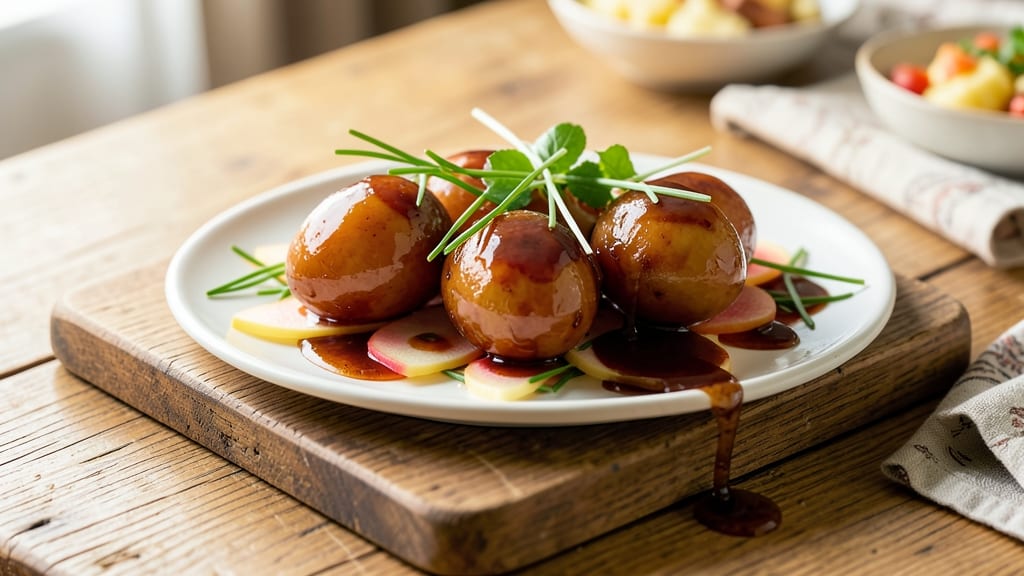
This ajitsuke eggs recipe transforms ordinary eggs into silky, soy-marinated masterpieces with a delicate balance of umami and brightness. The secret lies in a precise brine blend of soy sauce, mirin, and rice vinegar that tenderizes the eggs while preserving their natural richness.
I developed this method after years of perfecting the art of Japanese egg preparation, ensuring every bite delivers that signature melt-in-your-mouth texture with a subtly savory depth.
The process begins with carefully boiling eggs to achieve a firm but creamy yolk, then gently simmering them in the aromatic marinade for hours. This slow infusion creates eggs with a velvety exterior and a yolk that's impossibly tender—far beyond what store-bought versions can offer.
What sets this recipe apart is the attention to ratios: the perfect balance of sweet, salty, and acidic components that makes each egg taste like a restaurant-quality delicacy.
When served, these ajitsuke eggs reveal their true magic—cool and creamy with just a whisper of soy's complexity. They're perfect for breakfast platters, bento boxes, or as elegant appetizers with toasted bread and fresh herbs. The marinade doubles as a versatile seasoning for rice or noodles, maximizing every ingredient.
This technique requires patience, but the results are worth every minute. Once you try these silky, soy-kissed eggs, ordinary boiled eggs will never taste the same again. Let's create restaurant-quality eggs at home.
Ingredients for ajitsuke egg
Eight essential ingredients transform ordinary eggs into restaurant-quality soy-marinated masterpieces.
| Ingredient | Amount | Notes |
|---|---|---|
| Large Eggs 🥚 | 8 whole | Room temperature preferred |
| Kosher Soy Sauce 🍶 | ½ cup | High-quality, preferably Japanese |
| Mirin 🍶 | ¼ cup | Sweet cooking wine, not substitute |
| Rice Vinegar 🍶 | ¼ cup | Seasoned preferred for depth |
| Granulated Sugar 🍚 | 1 tbsp | White or raw, no substitutes |
| Fresh Ginger 🌿 | 1 inch | Thinly sliced, peeled |
| Fresh Ginger 🌿 | 1 oz | Thinly sliced, peeled |
| Water 💧 | 1 cup | Filtered preferred for clarity |
| Diamond Crystal Kosher Salt 🧂 | ½ tsp | Adjust to taste |
| Sesame Oil 🫒 | 1 tsp | Toasted sesame for aroma |
| Fresh Shiso Leaves 🌿 | 4 whole | Optional garnish, red or green |
| Toasted Sesame Seeds 🌾 | 1 tbsp | For garnish |
The foundation lies in Japanese soy sauce and mirin—Kikkoman and Hirata brands deliver authentic umami depth. Mirin should be genuine, not the sweetened substitute, as it contains alcohol that tenderizes the eggs. Rice vinegar adds brightness; seasoned (with a touch of salt) enhances flavor. For ginger, look for fresh, plump rhizomes with tight skin—avoid woody, dry pieces. Penzeys or Asian markets carry premium options. The sugar balances acidity, while Diamond Crystal kosher salt (not table salt) ensures proper seasoning without overpowering. Sesame oil should be toasted, not the raw variety—Kadoya is a reliable choice. Shiso leaves, if available, add a delicate floral note; substitute with mint if needed.
No mirin? Replace with equal parts sugar + dry white wine—though texture may vary slightly. Substitute rice vinegar with apple cider vinegar at half the amount, but taste first. Fresh ginger can be swapped for 1 tsp ground ginger, though fresh provides better texture. Sesame oil can be omitted if avoiding raw sesame, but toasted sesame seeds remain essential for garnish. Sugar substitutes like maple syrup work (reduce by 10%), but white sugar maintains the proper balance. For vegetarian adaptations, ensure soy sauce is brewer's soy (not wheat-based). Marinade ratios are critical—never adjust without compensating for balance (e.g., less vinegar if using more mirin).
Store unpeeled hard-boiled eggs in the fridge for up to 1 week before marinating. Marinated eggs keep 3-4 days in the fridge, submerged in their marinade. For longer storage, freeze the marinade separately—thaw and reheat eggs gently before serving. Ginger lasts 2 weeks in the fridge, wrapped tightly. Sesame oil should be refrigerated after opening to preserve freshness. Shiso leaves wilt quickly; store them in a damp paper towel in a sealed bag. Toasted sesame seeds keep for 6 months in a cool, dark place. Marinade leftovers make an excellent dipping sauce for rice or noodles—simmer reduced by half for intensity.
Why You'll Love This Recipe
- Five-Ingredient Magic: I swear by this one—just eggs, soy sauce, mirin, rice vinegar, and sugar. That’s it. No chopping, no fuss, no last-minute grocery runs. The sauce comes together in minutes while you boil the eggs, and honestly? It’s the kind of recipe that makes me feel like a chef without the drama.
- Umami Bomb: The combo of soy sauce and mirin is chef’s kiss—deep, savory, with just enough sweetness to balance the tangy vinegar. The eggs soak up that flavor until they’re practically bursting with it, and that glossy glaze? Pure satisfaction in every bite.
- Office Lunch Hero: Between us, this is my go-to for meal prep. Cold ajitsuke eggs keep for days in the fridge, and they’re the star of bento boxes, quick salads, or even a no-fuss charcuterie board. (Yes, even on a Tuesday night.)
- Budget Stretch: A dozen eggs and a handful of pantry staples? This recipe costs pennies per serving. I’ve made it for date nights, family dinners, and lazy Sundays—no guilt, no waste, just reliable flavor that won’t break the bank.
Step-by-step instructions for soy-marinated silky eggs
Master this Japanese technique for eggs with cloud-like yolks and deep umami flavor.
Prepare the Marinade Base
In a medium saucepan, combine the 1 cup water, 0.5 cup kosher soy sauce, 0.25 cup mirin, and 0.25 cup rice vinegar over medium heat. Bring to a gentle simmer until the liquid just begins to bubble—this typically takes about 3-4 minutes. You're not trying to reduce it yet, just to fully integrate the flavors.
While heating, add the 1 tbsp granulated sugar and 1 oz fresh ginger (thinly sliced). Stir gently to dissolve the sugar completely. The ginger will infuse its aromatic oils into the marinade as it heats. Remove from heat once the mixture reaches a gentle simmer, then let it steep for 5 minutes to allow the flavors to meld.
Add Eggs and Ginger for Perfect Infusion
Carefully place the 8 whole large eggs into the warm marinade using a slotted spoon. The eggs should be submerged completely—this is crucial for even flavor penetration. Add the remaining 1 inch fresh ginger (also thinly sliced) to the pot. The ginger will continue to infuse its bright, citrusy notes into both the marinade and the eggs.
Return the mixture to low heat and maintain a temperature of 160-170°F. This gentle heat allows the eggs to cook slowly and evenly without curdling the whites or overcooking the yolks. You'll know you've achieved the right temperature when you see tiny bubbles forming around the eggs but not a full rolling boil.
Cook to Silky Perfection
Cook the eggs for 12-15 minutes at this gentle temperature, stirring occasionally to ensure even cooking. The whites should become opaque but still retain their delicate texture, while the yolks will remain completely liquid—this is what gives ajitsuke eggs their signature luxurious quality. You're aiming for eggs that are fully cooked through but still silky in texture.
To test doneness, carefully remove one egg with a slotted spoon and let it cool for 1 minute. The white should be completely set but still tender, and the yolk should remain runny. If the white is still translucent, return the egg to the pot and cook for another 2-3 minutes. If the yolk shows any signs of firming, you've overcooked it—this technique requires precise temperature control.
Rest and Prepare Garnishes
Once all eggs reach perfect doneness, remove them from the marinade and transfer to an ice bath for 5 minutes. This rapid cooling stops the cooking process and helps set the proteins for that signature silky texture. While the eggs cool, prepare your garnishes by finely chopping the 4 whole fresh shiso leaves and setting aside the 1 tbsp toasted sesame seeds.
After cooling, drain the eggs thoroughly and pat them dry with paper towels. The marinade should cling slightly to the eggs' surface—this is part of what creates their distinctive flavor. Arrange the eggs on a serving platter and drizzle with a small amount of the reserved marinade. Sprinkle with the chopped shiso leaves and toasted sesame seeds just before serving to preserve their freshness and aroma.
Pro Tips For Making Ajitsuke Egg
- Simmer Eggs Slowly: This isn’t a hard-boil—cook them at a gentle simmer (just tiny bubbles breaking the surface) for 10-12 minutes. I learned this the hard way when I cranked the heat and ended up with rubbery yolks that refused to hold their shape in the marinade.
- Balance the Marinade: Taste your marinade before adding eggs—it should taste like a sweet-savory punch, not just salty. Start with 1 tablespoon sugar per ¼ cup soy sauce, then adjust. My grandmother swore by this ratio, and it keeps the eggs from tasting like soy sauce soup.
- Peel Eggs Immediately: Shock them in ice water for 5 minutes before peeling—this makes the shells slide off like magic. I used to struggle with stuck shells, but this trick saves time and keeps the eggs intact for slicing. (Yes, even if you’re impatient like me.)
- Marinate Overnight: Skip the 2-hour minimum—let them sit for 8+ hours or overnight. The longer they soak, the deeper the flavor, and the yolks stay perfectly set. I was skeptical until I tried it—now I double the batch and store half for later.
Make-ahead tips for this dish
Marinade Prep Ahead
Prepare the marinade 24 hours in advance—this allows flavors to develop fully. Store it in an airtight container in the fridge. The longer it sits, the deeper the umami and brightness.
I like to make a double batch so I always have it ready for quick egg prep. The ginger infuses beautifully overnight, adding complexity without overpowering. 💛
Egg Pre-Boiling Shortcut
Save time by pre-boiling eggs up to 3 days ahead—store them unpeeled in the fridge. When ready to marinate, simply peel them just before adding to the warm marinade.
This ensures the eggs maintain their silky texture without overcooking. I use a slotted spoon to transfer them gently to avoid cracking.
Marinating Timeline
For best results, marinate the eggs for 8-12 hours at fridge temperature. The longer they sit, the more tender and flavorful they become. I often start the marinating process before bed so they're ready for breakfast. Keep them submerged in the marinade—this prevents drying and ensures even flavor distribution.
Garnish Prep
Chop shiso leaves and toast sesame seeds the day before serving. Store them separately in small airtight containers at room temperature. Freshly toasted seeds add the best aroma, while prepped shiso stays vibrant longer. I like to keep these garnishes ready so plating is effortless. ✨
Storage for Leftovers
Store marinated eggs in their original marinade for up to 3 days in the fridge. Reheat gently in a water bath (not direct heat) to preserve texture. The marinade makes an excellent dipping sauce—simmer it reduced by half for extra intensity. I freeze leftover marinade separately for future use.
Freezer-Friendly Trick
Freeze the marinade without eggs for up to 3 months. Thaw overnight in the fridge, then use it to marinate fresh eggs. This is perfect for when you want restaurant-quality eggs on short notice. The flavor remains vibrant after freezing, making it a game-changer for busy weeks. ❄️
Nutrition facts
Frequently asked questions
Why do ajitsuke eggs have such a silky texture?
The secret lies in the gentle marinating process at 160-170°F for 12-15 minutes, which tenderizes the proteins without overcooking. The soy-mirin-vinegar blend also breaks down egg proteins gradually, creating that signature cloud-like yolk. The ice bath at the end sets the texture perfectly!
Can I make ajitsuke eggs without mirin?
Yes, but the texture and flavor will differ slightly. Replace 0.25 cup mirin with 2 tbsp sugar + 2 tbsp dry white wine—this mimics the sweetness and alcohol content. For deeper umami, add 1/2 tsp dashi powder to the marinade. The eggs will still be delicious, just with a slightly different balance.
How do I prevent the eggs from cracking during marinating?
Use room-temperature eggs and handle them gently with a slotted spoon when transferring to the marinade. Avoid sudden temperature changes—never shock them with ice water before marinating. If using pre-boiled eggs, peel them just before marinating to preserve their integrity. Patience prevents cracks!
What's the best way to serve ajitsuke eggs?
These eggs shine on breakfast platters with toasted bread, pickled vegetables, and steamed rice. For a modern twist, serve them halved on toast with avocado or in bento boxes with miso soup. The marinade also makes an excellent dipping sauce for rice or noodles—simmer it reduced by half for extra richness.
Can I adjust the marinade for less saltiness?
Yes! Reduce the soy sauce to 0.375 cup and add 1 extra tbsp mirin for sweetness. For extra depth without salt, add 1/2 tsp fish sauce (traditional in some Japanese recipes). Always taste the marinade before adding eggs—you can adjust while cooking, but not after!