
Breakfast & Brunch
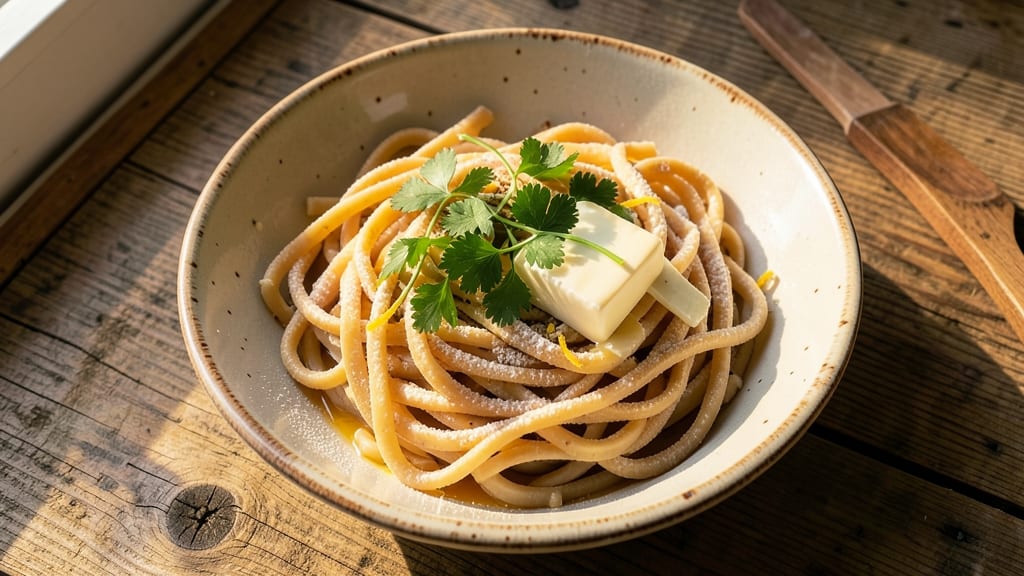
This Amish homemade egg noodle recipe brings the heart of Pennsylvania Dutch country to your kitchen table with hand-rolled freshness that store-bought simply can't match.
The secret lies in the simple dough—just flour, eggs, salt, and water—kneaded by hand until smooth, then rolled paper-thin for those signature chewy yet tender bites.
I first made these after visiting an Amish farm where the aroma of freshly boiled noodles filled the air, and I knew I had to recreate that homestyle magic at home.
The beauty of these noodles is in their versatility—they absorb flavors beautifully whether tossed with butter and herbs, served in hearty soups, or paired with rich stews.
What sets them apart is the traditional rolling technique: using a wooden dowel or rolling pin to achieve that signature thickness, then cutting them into wide ribbons that cook up perfectly al dente.
The process might take a little patience, but the results are worth every minute of that hands-on time.
What you'll end up with is a batch of golden, hand-rolled noodles that are fluffy in the center and just slightly chewy at the edges—exactly how they should be. The dough comes together quickly, and the rolling process, while methodical, becomes almost meditative once you get the rhythm.
These noodles aren't just a side dish; they're a labor of love that transforms any meal into something special.
For those who want to elevate them further, consider adding a pinch of dried herbs to the dough or sprinkling grated cheese on top before boiling. Serve them immediately with your favorite butter sauce, or save some for later—they reheat beautifully while maintaining that handmade texture.
Let's get started on creating your own batch of these classic Amish egg noodles.
Ingredients for amish homemade egg noodle
Four simple ingredients transform into golden, hand-rolled noodles with that signature Amish farmhouse flavor.
| Ingredient | Amount | Notes |
|---|---|---|
| All-Purpose Flour 🌾 | 3 cups | Unbleached preferred for best texture |
| Large Eggs 🥚 | 4 whole | Room temperature for even mixing |
| Kosher Salt 🧂 | 1 tsp | Fine grain preferred |
| Water 💧 | ¾ cup | Lukewarm for smoother dough |
| Unsalted Butter 🧈 | 2 tbsp | Cold, cubed for flaky texture |
| Fresh Parsley 🌿 | ¼ cup | Finely chopped, optional garnish |
| Dried Dill 🌿 | ½ tsp | Or 1 tsp fresh dill if available |
| Wooden Dowel or Rolling Pin 🪵 | 1 whole | For traditional rolling technique |
| Sharp Knife ✂️ | 1 whole | For cutting noodles cleanly |
The flour is everything here—King Arthur or Gold Medal work perfectly for that tender bite. I always grab the unbleached version from the bulk bins at Whole Foods or WinCo for the best texture. The eggs should be large, not jumbo, for proper dough consistency. Room temperature eggs mix better, so take them out 30 minutes before you start. For the rolling technique, a wooden dowel gives that authentic Amish texture, but a regular rolling pin works too (just roll a bit thinner).
No wooden dowel? A wine bottle or even a thick marker works in a pinch. Short on parsley? Fresh chives or dried thyme at half the amount gives a nice herbal note. The butter is optional but worth it—those flaky layers make all the difference. If you want to add more flavor to the dough, try 1/4 tsp onion powder or garlic powder. The dough should be soft but not sticky—add a splash more water if needed, but don't overdo it or the noodles will turn out gummy.
Freshly rolled noodles keep for 2 days in the fridge, wrapped in a damp towel. For longer storage, freeze them on a floured tray first, then transfer to a bag for up to 3 months. Reheat by boiling for 2-3 minutes—no need to thaw first. I always make extra because they freeze beautifully. Pro tip: save some of the starchy water from boiling to toss with butter and herbs for a quick sauce.
Why You'll Love This Recipe
- No-Fuss Dough: I swear by this recipe because it’s just flour, eggs, and salt—no yeast, no waiting. Mix it, roll it, boil it. Done. My kids even help (and don’t complain about the sticky hands).
- Butter-Kissed Magic: That little pat of butter in the water while they cook? Transforms them from good to ridiculously good. Silky, tender, with just enough richness to make you want to eat them plain.
- Weeknight Workhorse: Serve them under roasted chicken, smothered in gravy, or tossed with sautéed veggies. They’re my go-to for dinner parties (impresses everyone) and lazy Mondays (no stress).
- Pantry Staple: A big batch keeps for weeks in the freezer—perfect for when I’m too tired to cook. And honestly? The cost is half what store-bought charges. Worth every penny.
Step-by-step instructions for Amish homemade egg noodles
Here's how to make these classic Amish noodles with a tender bite and perfect texture every time.
Mix the Dough Until Smooth
On a clean surface or in a large mixing bowl, combine the 3 cups all-purpose flour and 1 teaspoon kosher salt. Create a well in the center and add the 4 room-temperature eggs and 0.75 cup lukewarm water. The dough should come together quickly—if it's too dry, add 1 teaspoon more water at a time until it forms a shaggy mass.
Use your hands to knead the dough for about 5 minutes until it's smooth and elastic. The dough should be slightly tacky but not sticky. If it sticks to your fingers, add a little more flour, but don't overdo it—too much flour makes the noodles tough. Wrap the dough in plastic wrap and let it rest for 30 minutes at room temperature. This resting period relaxes the gluten, making rolling easier later.
Roll the Dough Thin for Perfect Noodles
After resting, divide the dough into 4 equal pieces. Working with one piece at a time, roll it out on a lightly floured surface using the wooden dowel or rolling pin. Roll gently at first, then increase pressure until you achieve an even thickness of about 1/8 inch. The goal is thin but not translucent—you should be able to see very light green through the dough.
I like to roll the dough in one direction first, then turn it 90 degrees and roll again. This creates a nice even texture. If the dough starts to stick, dust with a little more flour, but don't over-flour or the noodles will be dry. Keep the other dough pieces covered with a damp towel to prevent drying while you work.
Cut and Shape the Noodles
Using the sharp knife, cut the rolled dough into 1/4-inch wide strips. You can make them straight or slightly wavy—both work well for Amish noodles. I like to cut them on the diagonal for a rustic look. As you cut, gently shake the strips to separate them and prevent sticking. Lay them on a floured surface or baking sheet.
For extra flavor, sprinkle the cut noodles with the 0.5 teaspoon dried dill and 2 tablespoons cold cubed butter. Toss them gently to coat evenly. This step adds that classic Amish touch of herbs and richness. If using fresh parsley, save it for garnishing after cooking—it's best fresh and vibrant.
Cook Until Al Dente
Bring a large pot of well-salted water to a rolling boil. Add the noodles in batches if needed—don't overcrowd the pot. Stir gently once or twice to prevent sticking. Cook for 3-4 minutes until they float to the surface and are tender but still slightly firm to the bite. They should have a nice chewy texture, not mushy.
Drain the noodles immediately and toss them with a little reserved pasta water to prevent sticking. The cooking time is crucial—overcooked noodles turn mushy, while undercooked ones remain tough. Serve immediately with your favorite gravy or butter sauce, and garnish with the finely chopped fresh parsley if desired.
Pro Tips For Making Amish Homemade Egg Noodle
- Mix by Hand: Mix the dough with your hands for 5–7 minutes until it’s smooth and elastic—no food processor here. The gluten develops better this way, and you’ll feel when it’s just right (no sticky mess).
- Use Cold Butter: Cut the unsalted butter into small cubes and let them sit in the fridge until the dough comes together—this prevents melting and keeps the noodles tender. I learned this the hard way after a batch turned out greasy.
- Rest the Dough: Let the dough sit covered for at least 30 minutes before rolling—this relaxes the gluten and makes cutting cleaner. I used to skip this, and the noodles would tear like brittle paper.
- Boil in Salted Water: Use a big pot of salted water (like pasta water) and cook the noodles until they float—this means they’re done. Undercooked noodles taste gummy, and no one wants that.
Dietary considerations for these flavors
Gluten-Free Adaptation
For a gluten-free version, replace the all-purpose flour with a 1:1 gluten-free flour blend like King Arthur Measure for Measure or Bob's Red Mill 1-to-1.
You'll need about 3 cups of the blend, but be aware the texture will be slightly different—expect a more delicate, almost silky finish rather than the classic chewy bite. Add 1 extra tablespoon of xanthan gum to the dough to improve elasticity.
The rolling technique remains the same, but these noodles cook faster—watch closely for just 2-3 minutes in boiling water. 🌾
Dairy-Free Options
Skip the butter entirely or substitute with 2 tablespoons of dairy-free butter like Miyoko's or Earth Balance. For extra richness, try 2 tablespoons of olive oil instead—it adds a lovely fruity note that pairs beautifully with herbs.
The dough will still hold together, but the finished noodles will have a slightly lighter texture. Toss the cooked noodles with a little olive oil and fresh herbs for a bright, dairy-free finish.
Low-Carb Variations
To make these noodles lower in carbs, swap the flour for 1 cup of almond flour and 2 cups of shredded mozzarella cheese (yes, cheese as a flour substitute!). The dough will be stickier, so work quickly and use your hands to shape it.
These noodles are best baked at 375°F for 10-12 minutes rather than boiled—they'll turn golden and crispy. They're perfect for a keto-friendly twist on classic Amish noodles, though the texture will be more like cheese crisps than traditional pasta. 🧀
Herb and Veggie Boosters
Add 1/4 cup finely grated zucchini or carrot to the dough for extra nutrients and moisture. The veggies blend right in, giving the noodles a subtle sweetness.
For a pop of color, fold in 1 tablespoon of finely chopped spinach or beets—just make sure they're finely minced so they don't alter the texture. These additions work especially well with dairy-free versions, adding natural sweetness that balances any herb flavors. 🌿
Allergen-Friendly Tips
Always check your flour for gluten-free certification if avoiding gluten, and verify that your xanthan gum is processed in a dedicated facility if you have other allergies.
For egg-free noodles, replace the eggs with 4 tablespoons of aquafaba (chickpea brine) or 1/4 cup of unsweetened applesauce—the dough will be slightly less elastic, but the noodles will still hold together when cooked.
Test small batches first to adjust the rolling technique, as these substitutes can make the dough stickier. ✨
Nutrition facts
Frequently asked questions
Why does the dough need to rest before rolling?
The 30-minute rest relaxes the gluten strands, making the dough easier to roll and preventing it from shrinking or tearing. This step also helps develop a smoother texture, giving you those perfect 1/8-inch thick noodles. Think of it like stretching before exercise—it prepares the dough for better results!
Can I make these noodles without a rolling pin?
Use a wooden dowel, wine bottle, or even a thick marker to roll the dough. The key is maintaining even pressure—roll in one direction first, then turn the dough 90 degrees and repeat. For extra thickness control, place a ruler next to the dough while rolling.
What's the best way to store leftover noodles?
Fresh noodles keep for 2 days in the fridge, wrapped in a damp towel to prevent drying. For longer storage, freeze them on a floured tray first (prevents sticking), then transfer to a bag for up to 3 months. Thaw overnight in the fridge—never at room temperature—and cook directly from frozen for 4-5 minutes.
Why did my noodles turn out mushy?
Overcooking is the most common cause—these noodles should cook for just 3-4 minutes until they float. Also check your water: it needs to be well-salted (like the sea) and boiling vigorously. If the dough was too sticky or under-rolled, it may not hold its shape. Try rolling slightly thinner next time for better texture.
How can I add more flavor to the dough?
Try adding 1/4 tsp onion powder, 1/2 tsp dried herbs (like thyme or basil), or even 1/4 cup grated Parmesan to the dough. For a pop of color, mix in 1 tbsp finely chopped spinach—it blends right in! The herbs should be finely ground so they don't disrupt the rolling process.