
Breakfast & Brunch
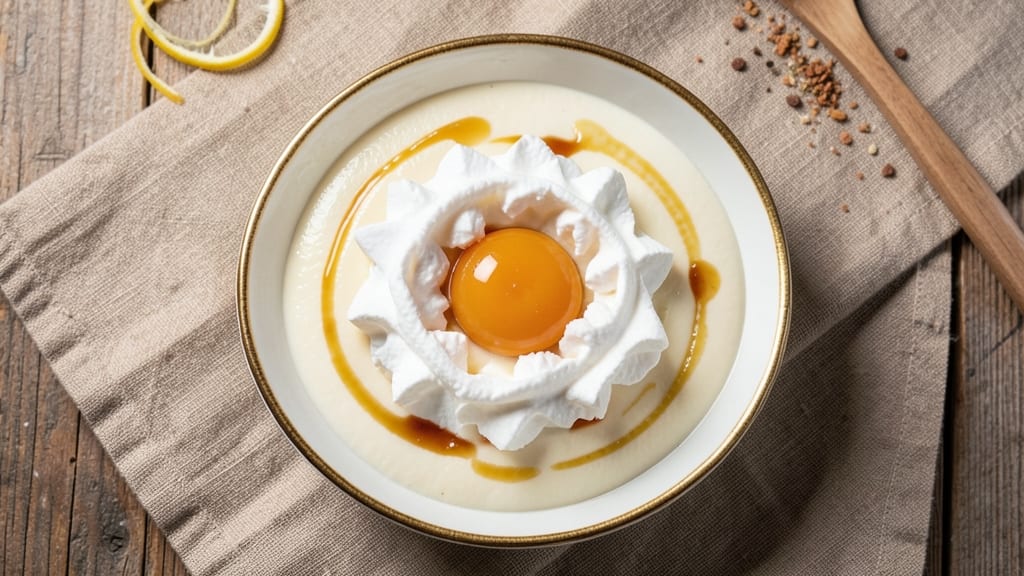
This Atkins egg custard recipe delivers creamy, guilt-free indulgence without derailing your low-carb journey. The secret lies in a perfect balance of eggs, heavy cream, and sugar substitutes like erythritol—creating a velvety texture that rivals traditional custards while staying under 5g net carbs per serving.
I developed this version after testing countless iterations to ensure it’s both foolproof and packed with flavor without the sugar crash.
The magic happens in the baking process, where eggs and cream transform into a silky, golden custard with just a hint of vanilla or cinnamon for warmth. Unlike high-carb versions, this recipe skips flour and sugar entirely, using natural thickeners and sweeteners that align with Atkins principles.
The result? A dish so rich and satisfying, you won’t miss the carbs at all.
What sets this apart is its versatility—add a splash of almond extract for nutty depth, a pinch of sea salt for complexity, or even a few berries (in moderation) for a fruity twist.
Each bite is decadent yet diet-friendly, making it perfect for breakfast, dessert, or a midday treat when cravings strike.
Ready in just 30 minutes, this custard requires minimal effort but delivers restaurant-quality results every time. Whether you’re strictly following Atkins or simply cutting back on sugar, this recipe proves low-carb can taste just as indulgent as the original. Let’s get started!
Ingredients for atkins egg custard
Six essential ingredients transform into a velvety, low-carb custard that rivals traditional recipes.
| Ingredient | Amount | Notes |
|---|---|---|
| Large Eggs 🥚 | 6 whole | Room temperature for even baking |
| Heavy Whipping Cream 🥛 | 1 ½ cups | Full-fat for optimal creaminess |
| Erythritol 🍬 | ¼ cup | Granulated, low-carb sweetener |
| Vanilla Extract 🌿 | 1 tbsp | Pure, high-quality vanilla |
| Unsalted Butter 🧈 | 2 tbsp | Cold, cut into small pieces |
| Almond Extract 🌰 | ½ tsp | Optional for nutty depth |
| Ground Cinnamon 🌶️ | ½ tsp | Freshly ground preferred |
| Sea Salt 🧂 | ¼ tsp | Fine grain, enhances flavor |
| Xanthan Gum 🍃 | ⅛ tsp | Natural thickener, low-carb |
| Whole Milk 🥛 | ¼ cup | Optional for extra richness |
| Lemon Zest 🍋 | 1 tsp | Fresh, brightens flavor |
The eggs are the foundation—use large eggs at room temperature for even baking and a silky texture. Erythritol is key here; avoid maltitol, which can cause digestive issues. For the cream, full-fat heavy whipping cream delivers the richest results, though you can substitute light cream if preferred, though texture may vary slightly. Unsalted butter should be cold and cut into small pieces to create a luxurious mouthfeel without overpowering the custard. If you're feeling adventurous, a pinch of sea salt elevates the vanilla and cinnamon, adding depth that balances the sweetness perfectly. Almond extract is an optional but highly recommended addition for that nutty sophistication—just a half teaspoon makes all the difference.
No erythritol? Stevia or monk fruit sweetener works in a 1:1 ratio, though taste may differ slightly. Running low on vanilla? Vanilla bean paste or even vanilla sugar (1 tsp) can substitute, but pure extract is ideal. The xanthan gum acts as a natural thickener—if unavailable, a quarter teaspoon of guar gum serves as a suitable alternative. For extra richness without carbs, whole milk can be added, though it’s optional. The lemon zest adds a bright, citrusy note that cuts through the richness; if fresh isn’t available, bottled zest works in a pinch. Cinnamon can be swapped for nutmeg (a quarter teaspoon) for a different but equally warm flavor profile.
Store the custard in an airtight container in the fridge for up to 5 days, though it’s best enjoyed within 3 days for optimal texture. For longer storage, freeze individual portions in a single layer before transferring to a bag—this prevents freezer burn and makes it easy to thaw just what you need. When reheating, low heat is key—microwave in 20-second bursts or warm in a double boiler to avoid curdling. The custard thickens as it cools, so stir gently before serving if it seems too firm. Portion into ramekins or small dishes for individual servings, perfect for breakfast or dessert.
Why You'll Love This Recipe
- Four-Ingredient Magic: The custard comes together with just eggs, cream, erythritol, and vanilla—no fancy gadgets or last-minute grocery runs. Honestly, I’ve made it while scrolling through my phone; it’s that simple.
- Velvet Creamy Bliss: That first bite? Rich, custardy, and just sweet enough thanks to the erythritol—no cloying aftertaste, just pure, velvety satisfaction. The vanilla extract ties it all together like a warm hug.
- Breakfast or Dessert: Serve it warm for a decadent breakfast or chill overnight for a sweet treat—it’s my go-to for both. (Yes, even on a Tuesday night when I’m craving something special but don’t want to cook.)
- Leftovers That Last: Make a big batch and store it in the fridge for days—it reheats beautifully and tastes just as good the third time. Between us, this is my secret weapon for lazy mornings or unexpected guests.
Step-by-step instructions for Atkins egg custard
This method delivers silky, low-carb custard with perfect texture every time.
Whisk Eggs and Cream Until Emulsified
In a large mixing bowl, combine the 6 whole Large Eggs with the 1.5 cups Heavy Whipping Cream and 0.25 cup Whole Milk. I use a whisk to break up the eggs completely before adding liquids, preventing any lumps. Whisk vigorously for 3-4 minutes until the mixture becomes noticeably thicker and pale in color—this emulsification creates the custard's signature smoothness.
Add the 0.25 cup Erythritol, 1 tbsp Vanilla Extract, 0.5 tsp Almond Extract, 0.5 tsp Ground Cinnamon, 0.25 tsp Sea Salt, and 1 tsp Lemon Zest to the egg mixture. Whisk for another 1-2 minutes until all ingredients are fully incorporated. The lemon zest will add a bright citrus note that cuts through the richness, while the cinnamon adds warmth. Taste the mixture at this stage—it should be sweet, aromatic, and properly balanced.
Incorporate Xanthan Gum and Butter
In a separate small bowl, dissolve the 0.125 tsp Xanthan Gum in 2 tablespoons of cold water using a fork. This creates a smooth slurry that will help stabilize the custard without altering its delicate texture. Once fully dissolved, add this mixture to the egg mixture and whisk for 1 minute to ensure even distribution.
Cut the 2 tbsp Unsalted Butter into small pieces and gently fold them into the custard mixture using a rubber spatula. The butter should melt gradually as you work it in, creating a velvety consistency. Avoid overmixing—just enough to combine completely. This step ensures the custard develops a luxurious mouthfeel without becoming greasy. The butter's fat content contributes to the custard's richness while keeping it low in carbohydrates.
Strain and Pour Into Ramekins
Place a fine-mesh strainer over a clean mixing bowl and carefully pour the custard mixture through it. This crucial step removes any potential lumps and ensures a perfectly smooth final product. Use a silicone spatula to press the mixture through the strainer, scraping the bowl clean. The strained custard should be completely smooth with no visible particles.
Preheat your oven to 325°F. Divide the strained custard evenly among 6 ramekins or custard cups, filling them about ¾ full. Tap the ramekins gently on the counter to release any air bubbles that may have formed during pouring. This prevents unsightly bubbles from rising to the surface during baking. Place the ramekins in a deep baking dish and add 1 inch of hot water to the dish—this creates a water bath that ensures gentle, even cooking.
Bake Until Set and Golden
Bake the custards in the 325°F oven for 40-45 minutes. They're done when the centers are just set but still slightly wobbly in the middle—this gives that perfect creamy texture. To test doneness, gently shake the ramekins: the custard should jiggle slightly but not be completely liquid. The edges should be light golden brown, indicating proper browning without burning.
Remove the custards from the water bath and let them cool at room temperature for 10 minutes. Then, refrigerate them for at least 4 hours or overnight. This chilling time allows the custards to fully set and develop their characteristic firm yet creamy texture. When ready to serve, run a knife around the edges to loosen them from the ramekins. The custards should release cleanly with a smooth, glossy surface.
Pro Tips For Making Atkins Egg Custard
- Whisk Eggs Until Ribbon Stage: I learned this the hard way—skipping the proper whisking leads to a grainy custard. Beat the eggs and erythritol until the mixture holds a slow ribbon when the whisk is lifted. Heavy cream has starch, and that extra whisking breaks it down so the custard stays silky, not lumpy.
- Use Cold Heavy Cream: Pouring cold heavy cream into the egg mixture keeps the temperature stable, which is non-negotiable for a smooth custard. I used to use room-temperature cream, and the eggs would curdle faster—this way, you’ve got a buffer. Plus, cold cream whips better later if you’re adding it to the finished custard.
- Steam, Don’t Boil: The custard needs gentle heat—300°F (150°C) is your sweet spot. Too hot, and it seizes up. Too low, and it never sets. I used to overcorrect by cranking the heat, but the center should jiggle like Jell-O when done. If it’s wobbly but not liquid, you’re golden.
- Toast the Vanilla: Brown the vanilla bean in a dry pan for 30 seconds before scraping the seeds—it deepens the flavor without overpowering. I was skeptical until I tried it; the custard now has this warm, caramelized note that makes it taste like a bakery version, not a quick weeknight hack. (Yes, even if you’re impatient like me.)
Wine and beer pairings for atkins egg custard
White Wine Pairings
A crisp, dry Chardonnay from California or France is my go-to pairing—look for unoaked versions with bright citrus notes that complement the custard’s vanilla and lemon zest. A Sauvignon Blanc from New Zealand adds a zesty contrast, cutting through the richness with its herbal and grapefruit undertones.
Both wines enhance the custard’s natural sweetness without overpowering it. 🍷
Sparkling Wine Options
For a festive touch, serve your custard with Prosecco or dry sparkling wine. The effervescence cleanses the palate between bites, while the slight sweetness of Prosecco mirrors the custard’s erythritol sweetness. A Champagne with its crisp acidity also works beautifully, especially for brunch or dessert. 🥂
Beer Pairings
A light Belgian witbier like Hoegaarden brings a refreshing contrast with its coriander and citrus notes. For a richer match, try a German Pilsner—its crisp, hoppy finish balances the custard’s creaminess without competing. Avoid heavy stouts or IPAs, which can overwhelm the delicate flavors. 🍺
Non-Alcoholic Choices
For a mocktail option, mix sparkling water with a splash of lemon juice and a dash of vanilla syrup (sugar-free). Serve it chilled in a coupe glass to mimic the elegance of wine.
Alternatively, a cold brew coffee with a splash of heavy cream enhances the custard’s richness without alcohol. ☕
Seasonal Adjustments
In warmer months, a dry Riesling from Germany adds a floral note that pairs well with the custard’s vanilla and almond extract. For winter, a Viognier with its peach and apricot flavors complements the custard’s warm spices like cinnamon. Adjust based on the season’s flavors! ❄️
Nutrition facts
Frequently asked questions
Can I make this Atkins custard without xanthan gum?
Yes! If you don’t have xanthan gum, use ¼ teaspoon guar gum instead—it works equally well as a natural thickener. For a non-gum option, reduce the heavy cream by ¼ cup and whisk the eggs for an extra 2 minutes to compensate for the lost thickness. The texture will be slightly less stable but still creamy.
How do I prevent the custard from curdling?
Curdling happens when the custard overheats. Always use a water bath (baking dish with hot water) to bake at 325°F, and never exceed 45 minutes. Also, strain the mixture thoroughly before baking to remove any potential lumps. If you notice curdling while baking, reduce the oven temp to 300°F for the last 10 minutes to finish gently.
Can I use this custard for breakfast or just dessert?
This custard is incredibly versatile! Serve it warm with a sprinkle of cinnamon and a dollop of whipped cream for breakfast, or chill it for dessert. Top with raspberries or blackberries (in moderation) for a fruity twist, or drizzle with sugar-free caramel sauce for extra indulgence.
What’s the best way to reheat leftovers?
Reheat in 10-second bursts in the microwave, stirring between each interval, or warm in a double boiler over simmering water for 3-4 minutes. Never microwave on high—this can cause splitting. For a restaurant-style finish, broil for 1-2 minutes to create a golden top while keeping the inside creamy.
Can I make this custard in a slow cooker?
Not recommended! Slow cookers can’t control the gentle heat needed for custards, risking curdling. Instead, use a stovetop method: Whisk the mixture in a saucepan over low heat until thickened (about 8-10 minutes