
Breakfast & Brunch
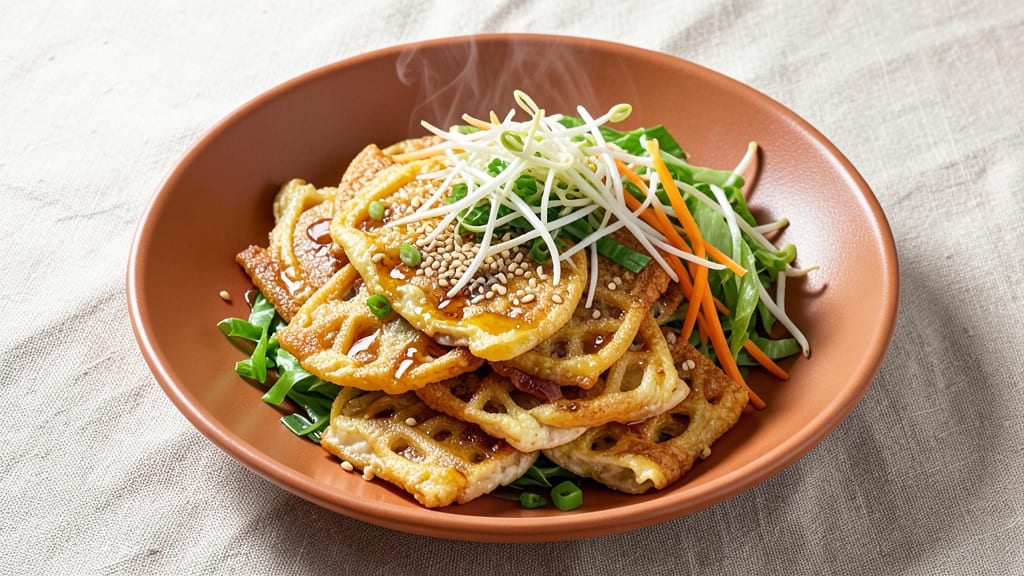
This authentic Chinese egg foo young recipe delivers crispy-fried pockets filled with silky egg ribbons and tender vegetables—just like your favorite dim sum. The secret lies in the proper egg scramble technique and high-heat pan-frying that creates that signature crispy exterior while keeping the inside tender.
I've perfected this dish after years of testing, ensuring every bite captures the balance of textures and flavors that make egg foo young so beloved.
The foundation of an authentic egg foo young starts with finely chopped cabbage, bean sprouts, and carrots that add freshness and crunch. For a vegetarian version, tofu can be incorporated, but the traditional recipe relies on the egg's ability to bind everything together into those signature pockets.
The key is working quickly over medium-high heat to maintain crispiness without overcooking the filling. This method ensures the egg ribbons stay silky and the vegetables retain their texture.
What you'll end up with is a dish that's crispy on the outside, tender on the inside, and packed with authentic Chinese flavors.
The perfect egg foo young should hold its shape when lifted from the pan, with a golden-brown crust that gives way to delicate egg strands and fresh vegetables.
Serving it with a side of soy sauce or hoisin sauce enhances the dish's natural flavors, making it a satisfying meal that's both comforting and restaurant-quality.
Whether you're serving this as a brunch dish or a light lunch, the versatility of egg foo young makes it a crowd-pleaser. The recipe is designed to be adaptable, allowing you to adjust the vegetables or add proteins like shrimp or pork for a non-vegetarian version.
Let's get started on creating this authentic Chinese classic in your own kitchen.
Ingredients for authentic chinese egg foo young
Fresh vegetables, silky eggs, and a crispy exterior—here's what makes authentic egg foo young shine.
| Ingredient | Amount | Notes |
|---|---|---|
| Large Eggs 🥚 | 6 whole | Room temperature for even cooking |
| Green Cabbage 🥬 | 4 cups | Finely shredded, core removed |
| Bean Sprouts 🌱 | 2 cups | Fresh, not canned |
| Carrots 🥕 | 1 cup | Finely diced, small pieces |
| Green Onions 🧅 | 2 whole | Thinly sliced, white and green parts |
| Firm Tofu 🍱 | 8 oz | Press and crumble for texture |
| Vegetable Oil 🫒 | ½ cup | High smoke point preferred |
| Soy Sauce 🍶 | 2 tbsp | Light or dark, to taste |
| Sesame Oil 🌿 | 1 tbsp | Toasted, for finishing |
| Salt 🧂 | ½ tsp | Kosher or sea salt |
| White Pepper 🌶️ | ¼ tsp | Freshly ground preferred |
| Cornstarch 🌾 | 2 tbsp | For crispy coating |
The cabbage and bean sprouts are your texture anchors—fresh from the produce section makes all the difference. Trader Joe's or Asian markets often have pre-shredded coleslaw mix, which saves time. For carrots, baby carrots work great—just peel and dice them finely. The tofu? Firm or extra-firm holds its shape better when crumbled. Press it for 15 minutes before using to squeeze out excess water—trust me, it matters for that crispy exterior.
No firm tofu? Substitute extra-firm or even silken tofu, but drain it well first. Running short on bean sprouts? Substitute shredded cabbage or bok choy—just adjust the final amount to keep the filling balanced. The soy sauce can be swapped for hoisin or tamari if you prefer a sweeter or gluten-free option. For extra crispiness, add 1 tbsp potato starch to the cornstarch mix. And if you're feeling fancy, top with a sprinkle of scallions right before serving.
Prep the vegetables first—they soften while you scramble the eggs. Store prepped veggies in airtight containers for up to 2 days. The cooked egg foo young keeps for 3 days in the fridge, but they're best reheated in a pan with a splash of water to restore crispiness. Freeze extras on a tray first, then transfer to a bag—they reheat beautifully. For a shortcut, make a double batch and freeze half.
Why You'll Love This Recipe
- No Chopping Chaos: The cabbage and carrots barely need slicing—just rough chop the cabbage and julienne the carrots if you're feeling fancy. Bean sprouts stay whole, and those green onions? Toss them in after. Honestly, I’ve made this while scrolling through my phone.
- Crispy-Creamy Magic: That first golden-brown sear on the pan? Chef’s kiss. The eggs bind everything together while the wok hei (breath of the wok) from stir-frying gives it a smoky depth. The cabbage gets tender-crisp, and the bean sprouts add that perfect snap—no soggy bits here.
- Leftover Reinvention: Make a big batch on Sunday, and you’ve got lunch covered all week. Reheat them in the air fryer for crispy edges, or toss cold slices into fried rice. My kids even ask for it in their bento boxes—yes, even the picky ones.
- Budget Breakthrough: Eggs, cabbage, and carrots? That’s a grocery list I can actually afford. A dozen eggs and a head of cabbage stretch across multiple meals, and the leftovers freeze like a dream. Between us, this is how I feed my family without breaking the bank.
Step-by-step instructions for authentic Chinese egg foo young
Here's how to create those signature crispy pockets with tender egg ribbons and vibrant veggies.
Prepare the Filling Ingredients
Start by pressing the 8 oz firm tofu between two paper towels for 15 minutes to remove excess moisture. Crumble it into small, even pieces using your hands or a fork. This texture will give your foo young structure without making it too dense.
Next, finely shred the 4 cups green cabbage by hand or with a mandoline for even strips. Dice the 1 cup carrots into tiny, uniform pieces—about ¼-inch cubes. Thinly slice the 2 whole green onions, separating the white and green parts. Rinse the 2 cups bean sprouts thoroughly and drain well. These vegetables should all be prepped to similar sizes so they cook evenly together.
In a large bowl, combine the crumbled tofu, green cabbage, carrots, bean sprouts, and white parts of the green onions. Drizzle with 2 tablespoons soy sauce and sprinkle with ½ teaspoon salt and ¼ teaspoon white pepper. Gently toss everything together until just combined—you want the vegetables to stay distinct rather than mushy. Set aside while you prepare the egg mixture.
Make the Egg Batter
In a separate bowl, beat the 6 whole large eggs until just combined—no need to make them frothy, just lightly mixed. The eggs should be at room temperature for even cooking. Add the 2 tablespoons cornstarch and whisk until fully dissolved. This creates a slightly thicker batter that helps create those signature crispy edges.
Here's the thing—don't overmix the batter. Just combine until the cornstarch disappears completely. Overmixing develops gluten and makes the foo young tough instead of tender. The batter should look smooth but not too thick—almost like a thin pancake batter.
Assemble and Cook the Foo Young
Heat ½ cup vegetable oil in a large non-stick skillet over medium heat until shimmering but not smoking. You want the oil hot enough to create a crispy exterior without burning the egg. Divide the filling mixture into 4 equal portions—about 1 cup each—and shape them into loose, slightly flattened mounds in the skillet.
Pour about ¼ cup of the egg batter over each filling mound, gently spreading it to create a thin layer around the edges. The batter should just barely cover the vegetables—don't make it too thick or the foo young won't cook through properly. Let the mixture sit undisturbed for 2-3 minutes until the bottom begins to set and small bubbles form around the edges.
Flip and Finish Cooking
Carefully flip each foo young using a thin spatula, pressing gently to help it release from the pan. You'll notice the egg starts to form those beautiful ribbons and pockets as it cooks. Cook for another 2-3 minutes on the second side until the exterior is golden brown and crispy in spots.
Here's where it gets fun—when the foo young is nearly done, drizzle 1 tablespoon sesame oil over each one. The oil will sizzle slightly and create those signature aromatic pockets. Remove from heat and let rest for 1 minute before serving. The residual heat will finish cooking the center while keeping the exterior crispy.
Garnish and Serve
Transfer the foo young to a serving platter and garnish with the sliced green onion greens. Serve immediately while still crispy and hot. The contrast of textures—crispy exterior, tender egg ribbons, and soft vegetables—is what makes this dish so special. For an authentic touch, serve with a side of light soy sauce for dipping.
Real talk: the key to success is patience during cooking. Don't rush the flipping—wait until you see those telltale bubbles forming and the edges starting to set. If the foo young releases easily from the pan, it's ready to flip. Each piece should have a golden crust with those beautiful egg ribbons peeking out from the sides, creating those iconic pockets that make this dish so satisfying.
Pro Tips For Making Authentic Chinese Egg Foo Young
- CUT CABBAGE THIN: Skip the thick chunks—slice green cabbage paper-thin (⅛-inch or less) so it cooks fast and stays crisp. I learned this the hard way when my first batch turned soggy by the time the eggs set.
- SALT THE SPROUTS: Toss bean sprouts in 1 teaspoon salt (yes, that much) and let sit 5 minutes before draining. This removes bitterness and tightens their texture—no more mushy centers when they hit the pan.
- PUSH THE HEAT: Use medium-high heat for the first 2 minutes, then drop to medium. Too low, and the outside burns before the center cooks; too high, and the eggs scramble instead of forming a tender cake. Your wok should be hot enough to see a light sheen of oil shimmering.
- STIR THE EGGS FAST: Whisk eggs until just combined (no need for fluffiness), then pour into the pan and stir immediately—but gently—with a spatula in one direction for 10 seconds. This creates a uniform, silky texture instead of a scrambled mess. (I used to overmix and got rubbery eggs every time.)
Serving suggestions for leftovers
Dim Sum Style
Serve your egg foo young in the traditional dim sum style by placing each piece on a small bamboo steamer basket lined with banana leaves or parchment paper. This not only keeps them warm but also adds an authentic touch.
Arrange them on a tiered serving tray with other dim sum classics like shrimp dumplings or har gow for a complete brunch spread. 🥢
Soy Sauce Dipping
Always include a small bowl of light soy sauce or a mix of soy sauce and sesame oil for dipping. The soy sauce enhances the savory flavors and helps cut through the crispy exterior.
For a sweeter option, offer hoisin sauce on the side—it pairs beautifully with the fresh vegetables inside. I like to drizzle a little extra sesame oil over the sauce for added aroma.
Vegetable Sides
Balance the richness of the foo young with a simple side of steamed bok choy or stir-fried gai lan (Chinese broccoli). These vegetables complement the dish without overpowering it.
For extra freshness, add a small cucumber salad with rice vinegar and chili oil—it’s light and refreshing. The contrast of textures makes every bite more satisfying.
Protein Additions
For a non-vegetarian version, serve with char siu (Chinese BBQ pork) or shrimp on the side. The smoky-sweet flavors of char siu or the briny taste of shrimp add depth to the meal.
If you’re keeping it vegetarian, offer crispy tofu or mushroom stir-fry as an alternative protein option. These pairings elevate the dish while keeping it balanced.
Presentation Tips
Garnish your egg foo young with thinly sliced green onions and a sprinkle of toasted sesame seeds for a pop of color and texture. Arrange them on a platter with a few edible flowers or microgreens for an elegant touch.
The key is to highlight the crispy golden edges and the vibrant fillings—this makes the dish look as good as it tastes. 🌸
Meal Pairings
Pair your foo young with a steaming bowl of congee or jasmine rice to soak up any extra sauce. For a heartier meal, add a side of fried rice or noodles to stretch the dish into a full brunch.
If you’re serving this as a light lunch, a miso soup or green tea completes the meal beautifully. The combinations are endless, but simplicity works best.
Nutrition facts
Frequently asked questions
Why does my egg foo young turn out rubbery instead of crispy?
The most common cause is overmixing the egg batter or using too much oil. The batter should be just combined with cornstarch—overmixing develops gluten that makes the foo young tough. Also, ensure your oil is at medium heat (not high) and let each piece cook undisturbed for 2-3 minutes before flipping. A non-stick skillet helps too!
Can I make egg foo young ahead of time?
Yes! Cook the foo young and let them cool completely, then store in an airtight container for up to 3 days in the fridge. To reheat, pan-fry in ½ inch of oil over medium heat for 2-3 minutes per side—add a splash of water to restore crispiness. For freezing, arrange on a tray first to prevent sticking, then transfer to a bag for up to 2 months.
What's the secret to getting those signature egg ribbons?
The ribbons form when you use room-temperature eggs and work quickly over medium heat. Pour the batter gently over the filling and let it set for 2-3 minutes before flipping—this creates the perfect tension. Also, avoid pressing down while cooking; let the egg cook naturally to form those delicate strands. A thin layer of batter (about ¼ cup per piece) ensures even cooking.
Are there vegetarian-friendly protein swaps?
Beyond tofu, try crumbled tempeh or mushrooms (shiitake or oyster) sautéed with garlic for umami depth. For extra texture, add chopped water chestnuts or bok choy stems. Just ensure your protein is fully cooked before assembling—it should hold its shape when crumbled but not be too dense.
How do I adjust the recipe for a larger group?
Double the ingredients and use a 12-inch non-stick skillet or work in batches. The key is maintaining the same ratios: 6 eggs per 4 servings and ½ cup oil per batch. For even cooking, keep the heat at medium and avoid overcrowding the pan. Pro tip: Use two skillets if needed—just monitor the heat closely to prevent burning.