
Breakfast & Brunch
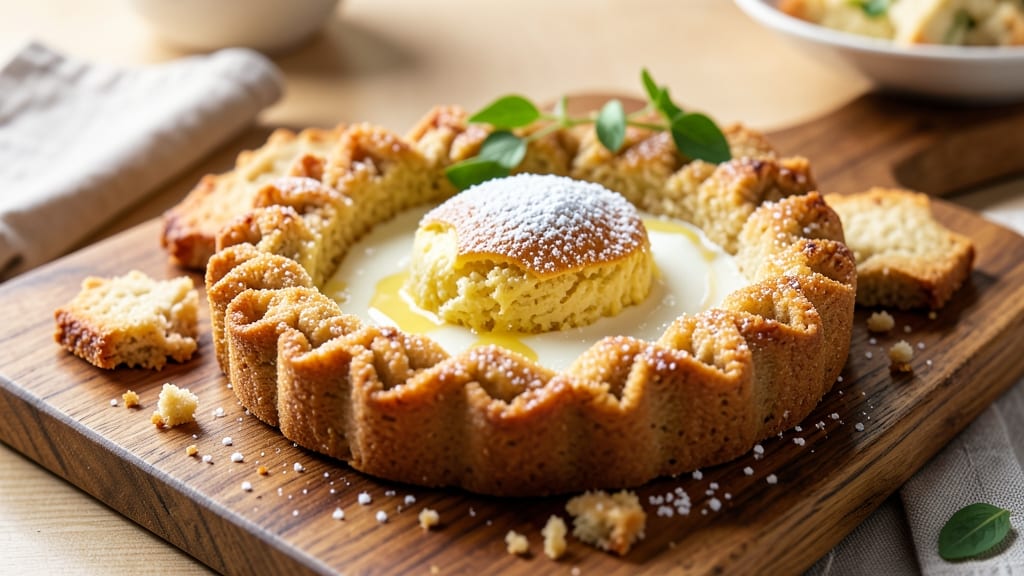
This shortbread recipe with egg yolk transforms simple ingredients into delicate, melt-in-your-mouth cookies with a signature crisp shell and tender crumb. 💛 The secret lies in the egg yolk—it binds the buttery dough while adding richness that makes every bite irresistible.
I've perfected this technique after years of baking, ensuring the perfect balance between buttery crispness and golden, tender centers.
The magic happens in the mixing: cold butter cut into flour creates flaky layers, while the egg yolk adds moisture and cohesion without making the dough too soft.
Baking at 325°F for 15-18 minutes ensures even golden edges and a tender interior. This isn't just shortbread—it's a luxurious treat that rivals anything from a high-end bakery.
What sets this recipe apart is how the egg yolk elevates the texture, creating cookies that hold their shape while melting slightly on the tongue.
The dough comes together in minutes, and with just 5 ingredients, you'll have buttery, golden shortbread that's perfect for holidays, gifts, or a simple afternoon treat.
Once baked, let them cool slightly before serving—warm shortbread with a cup of tea is pure comfort. The flavor is pure buttery richness with just a hint of vanilla, making these cookies ideal for sharing or savoring one at a time. Let's get baking!
Ingredients for shortbread recipe with egg yolk
Five simple ingredients create luxurious shortbread with golden centers and crisp edges.
| Ingredient | Amount | Notes |
|---|---|---|
| Unsalted Butter 🧈 | 1 lb | Cold, cubed for flaky texture |
| All-Purpose Flour 🌾 | 2 cups | Sifted for lightness |
| Large Egg Yolks 🥚 | 2 whole | Fresh, room temperature |
| Pure Vanilla Extract 🌸 | ½ tsp | High-quality for flavor |
| Diamond Crystal Kosher Salt 🧂 | ¼ tsp | Fine grain preferred |
| Granulated Sugar 🍚 | ¼ cup | Superfine for even texture |
The butter is non-negotiable—European-style or cultured butter gives the best flavor, but any good unsalted butter works. Whipped or softened butter will make the dough too soft. Look for Land O'Lakes or Plugrá at most grocery stores, or splurge on Miyoko's for a richer taste. The egg yolks? Freshness matters—they should be bright yellow, not pale. If you're unsure, buy them from the refrigerated section at Whole Foods or Trader Joe's—they're usually fresher than the standard grocery store eggs.
No vanilla extract? Vanilla bean paste or even vanilla sugar works in a pinch. Short on sugar? Powdered sugar at the same amount keeps the texture similar. The flour should be sifted before mixing—this prevents lumps and ensures a tender crumb. If you don't have a sifter, run it through a fine-mesh strainer. For a nutty twist, swap half the flour for almond flour. And if you're feeling fancy, add a pinch of cardamom—it pairs beautifully with the vanilla.
The dough keeps for 3 days in the fridge wrapped tightly in plastic, or 3 months frozen between parchment paper. For best results, chill the dough for 1 hour before baking—this prevents spreading. Once baked, store cookies in an airtight container with parchment between layers. They'll stay fresh for 5 days at room temperature, but honestly, they're best enjoyed within 2 days for maximum tenderness.
Why You'll Love This Recipe
- Four-Hand Mix: I swear by this—just butter, flour, yolks, and a pinch of salt. No food processor, no fuss, just my hands and 10 minutes of pressing. The yolks bind it perfectly without overworking, and the crumb turns out buttery in all the right ways.
- Vanilla Kiss Magic: That one teaspoon of pure vanilla extract? It’s the secret weapon. The warmth lingers with every bite, cutting through the richness while keeping it simple. Honestly, it’s the kind of flavor that makes you want to bake these for no reason at all.
- Tea Pair Perfect: Between us, this is my go-to for afternoon tea, holiday gifts, or even a quick breakfast with coffee. The delicate saltiness and buttery crunch stand up to jam, chocolate, or just on their own—no guilt, no stress.
- Lasts a Week: I make a big batch on Sundays, and they’re still crisp by Wednesday. Store them in an airtight container, and they stay fresh longer than most store-bought cookies. Plus, the cost? A fraction of what you’d pay for fancy shortbread.
Step-by-step instructions for shortbread with egg yolk
Here's the method for creating that signature crisp shell with golden yolk richness.
👨🍳 Step 1: Prepare the Butter and Dry Ingredients
Begin by cutting the 1 lb unsalted butter into ½-inch cubes and place them on a chilled plate. Let them sit for 10 minutes while you prepare the other ingredients. This ensures they remain cold enough to create the signature flaky layers.
In a medium bowl, whisk together the 2 cups all-purpose flour, 0.25 tsp diamond crystal kosher salt, 0.25 cup granulated sugar, and 0.5 tsp pure vanilla extract. Sift the flour mixture through a fine-mesh sieve directly into the bowl to remove any lumps. This step is crucial for achieving that light, tender texture that makes shortbread so irresistible.
🍳 Step 2: Cut in the Butter for Flaky Layers
Add the chilled butter cubes to the dry ingredients and use a pastry cutter or your fingers to work the butter into the flour mixture. Cut the butter into the flour until the mixture resembles coarse crumbs with some pea-sized butter pieces remaining. This texture is perfect—it ensures those beautiful flaky layers when baked.
Here's the thing—don't overwork the dough. Once the butter is evenly distributed and the mixture holds together when pressed, stop. Overmixing develops gluten and makes the shortbread tough instead of tender. The dough should be cool to the touch and hold together when gently pressed.
👨🍳 Step 3: Incorporate the Egg Yolks
Add the 2 whole large egg yolks to the dough mixture and gently fold them in with a silicone spatula or wooden spoon. The yolks add moisture and richness, creating that signature golden color and slightly chewy texture. Work just until the dough comes together—you don't want to overmix, or you'll lose that delicate crumb structure.
At this point, the dough should be slightly sticky but hold together when pressed. If it's too dry, add 1 teaspoon of cold water to help it bind. If it's too wet, chill it for 15 minutes before proceeding. The dough should be cool enough to handle but still pliable.
🥘 Step 4: Shape and Chill the Dough
Divide the dough into 2 equal portions and flatten each into a ½-inch thick disk. Wrap each disk tightly in plastic wrap and refrigerate for at least 1 hour or up to 24 hours. Chilling is essential—it firms up the butter and prevents the cookies from spreading too much during baking.
This resting period also allows the flour to fully hydrate and the flavors to meld. If you're short on time, you can chill the dough in the freezer for 20 minutes instead, but refrigerating gives the best results. The dough should be firm and cold when you're ready to roll it out.
🔥 Step 5: Roll, Cut, and Bake to Golden Perfection
Preheat your oven to 325°F and line two baking sheets with parchment paper. On a lightly floured surface, roll out one disk of dough to ¼-inch thickness. Use a 2-inch round cutter to cut out circles, then reroll the scraps and cut more cookies. Place the cutouts 1 inch apart on the prepared baking sheets.
Bake for 18-22 minutes until the edges are golden brown and the centers look just slightly underdone. They'll continue cooking as they cool on the baking sheet. The shortbread should be crisp around the edges with a tender, crumbly interior. Remove from the oven and let them cool on the baking sheet for 5 minutes before transferring to a wire rack to cool completely.
Pro Tips For Making Shortbread Recipe With Egg Yolk
- Use Cold Butter, Cold Hands: I learned this the hard way—trying to cut butter too fast makes the dough greasy and hard to handle. Take both the butter and your hands out of the fridge for 5 minutes before mixing, but keep everything cool. The moment the butter starts to soften, pop the bowl in the freezer for 10 minutes. Trust me, your shortbread will hold its shape better when baked.
- Mix Just Until Combined: After burning three batches of overworked shortbread, I finally figured out: stop when the dough clumps. Overmixing develops gluten, and that’s the enemy of tender shortbread. Use a fork or your fingers to gently fold the flour into the butter until you see pea-sized crumbs—no need to get fancy. The egg yolks will bind it just enough.
- Salt the Flour First: More salt than you think, especially if using unsalted butter. Sprinkle the full amount of kosher salt directly into the flour before mixing—this distributes it evenly. I used to add it later and ended up with uneven flavor. Also, taste the dough before shaping; if it’s bland, add a pinch more.
- Press Dough Once, Shape Fast: This isn’t the prettiest method, but it’s the tastiest: press the dough into the pan once, then cut your shapes immediately. Letting it rest too long makes it tough. Work quickly—use a bench scraper to divide the dough into neat rectangles or rounds, then chill the shaped shortbread for 15 minutes before baking. Patience here keeps them crisp, not cakey.
Storing and reheating your leftovers
Room Temperature Revival
Shortbread loses its crispness faster at room temperature, but you can revive stale cookies with a quick trick. Place them on a baking sheet and bake at 300°F for 5-7 minutes—this reactivates the butter and restores that golden crunch. For extra richness, brush with melted butter after baking. 🔥
Fridge Storage Secrets
Store shortbread in an airtight container with parchment paper between layers to prevent sogginess. They’ll stay fresh for 5 days this way, though I find they’re best within 2 days for maximum tenderness. The egg yolk helps preserve moisture, so these hold up better than classic dry shortbread.
Freezer-Friendly Tips
For long-term storage, freeze unbaked dough between parchment paper for up to 3 months. Bake straight from frozen—just add 2-3 minutes to the baking time.
If freezing baked cookies, wrap them individually in plastic wrap before placing in a freezer bag. Thaw at room temperature for 30 minutes before serving.
Reheating for Maximum Flavor
Warm shortbread gently in a 200°F oven for 3-5 minutes to revive the butter without overcooking. Microwave reheating works in 10-second bursts (covered with a damp paper towel), but it can make them slightly rubbery. The egg yolk’s richness means these cookies reheat beautifully—perfect for a quick tea-time treat! ✨
Gift-Worthy Packaging
For gifting, store shortbread in cellophane bags tied with twine or decorative boxes. Add a small jar of vanilla extract or a sprinkle of flaky salt for an elegant touch. The cookies’ delicate texture makes them ideal for holiday presents—they’ll stay fresh for 1 week when packaged this way.
Nutrition facts
Frequently asked questions
Why use egg yolks in shortbread instead of whole eggs?
The egg yolks add richness and moisture without making the dough too soft, which keeps the signature crisp edges and tender crumb. Whole eggs would add too much liquid, risking a cakey texture. The yolks also create that beautiful golden color and slightly chewy center that sets this recipe apart.
Can I substitute butter with shortening for this recipe?
Shortening will work, but you'll lose the rich buttery flavor that makes shortbread special. If you must substitute, use 1 cup (2 sticks) of shortening for the butter, but expect a slightly different texture—less flaky and more dense. For best results, stick with butter for that authentic taste and texture.
How do I prevent my shortbread from spreading too much?
Chill the dough for at least 1 hour before rolling and baking—this firms up the butter and prevents excessive spreading. Also, roll the dough to ¼-inch thickness and bake on a parchment-lined sheet to avoid sticking. Overbaking can also cause spreading, so remove them when edges are just golden.
What's the best way to store leftover shortbread?
Keep them in an airtight container with parchment paper between layers to maintain crispness. They'll stay fresh for 5 days at room temperature, but for longer storage, freeze the dough (up to 3 months) or baked cookies (individually wrapped) for up to 1 month. The egg yolks help preserve moisture better than classic dry shortbread.
Can I add mix-ins like nuts or chocolate chips?
While traditional shortbread is simple, you can add ¼ cup chopped toasted nuts or ½ cup mini chocolate chips to the dough. Just fold them in gently after adding the egg yolks and press them lightly into the cutouts. For best results, use dark chocolate chips—they hold up better to baking than milk chocolate.