
Breakfast & Brunch
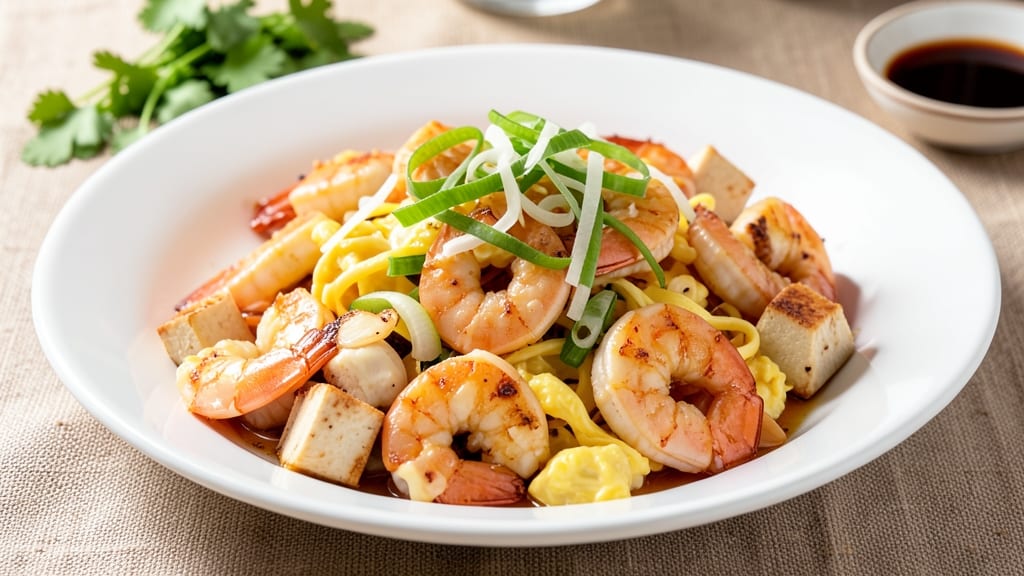
This shrimp and egg stir fry delivers restaurant-quality wok-fired flavors in just 15 minutes, proving breakfast can be both fast and impressive. The secret lies in high-heat searing of shrimp followed by silky scrambled eggs—textures that balance perfectly with a fragrant garlic-ginger base.
I developed this recipe after realizing how often quick meals sacrificed quality, and this version delivers both without compromise.
What sets this stir fry apart is the technique: shrimp cooks in 30 seconds over high heat to maintain tenderness, while eggs scramble just enough to stay creamy. The wok hei (breath of the wok) creates that signature smoky aroma, though a cast-iron skillet works beautifully too.
For extra depth, I recommend finishing with a drizzle of chili oil or fresh cilantro—simple touches that elevate the dish.
The result is a protein-packed meal with tender shrimp, silky eggs, and vibrant vegetables that stay crisp.
This recipe serves two as a hearty breakfast or four as a light lunch, and it's easily adaptable for dietary needs—swap soy sauce for tamari for gluten-free, or reduce sodium by using low-sodium broth. The balance of flavors makes it equally satisfying for a weekday morning or weekend brunch.
Whether you're feeding a family or treating yourself to a quick, flavorful meal, this stir fry delivers restaurant-quality results without the wait. The ingredients come together in minutes, but the technique ensures every bite tastes like it took hours. Let's get cooking—your wok is waiting.
Ingredients for shrimp and egg stir fry
Restaurant-quality shrimp and eggs come together with vibrant vegetables and aromatic spices in minutes.
| Ingredient | Amount | Notes |
|---|---|---|
| Large Shrimp (Peeled and Deveined) 🦐 | 1 lb | Extra-large size preferred, tails on or off |
| Large Eggs 🥚 | 4 whole | Fresh, room temperature for best scramble |
| Extra-Firm Tofu (Optional for Vegetarian) 🍱 | ½ lb | Press and cube for texture |
| Garlic Cloves 🧄 | 4 cloves | Minced finely for aromatic base |
| Fresh Ginger (Peeled) 🌿 | 1 tbsp | Finely grated, not minced |
| Green Onions 🧅 | ¼ cup | Sliced thin, white and green parts |
| Bell Peppers (Assorted Colors) 🌶️ | 1 cup | Diced small, any color combination |
| Snow Peas 🌱 | ½ cup | Trimmed ends, whole pods |
| Low-Sodium Soy Sauce 🥢 | 2 tbsp | Tamari for gluten-free option |
| Sesame Oil 🫒 | 1 tsp | Toasted, for finishing aroma |
| Vegetable Oil (High Smoke Point) 🫒 | 2 tbsp | Avocado or peanut oil preferred |
| Salt 🧂 | ½ tsp | Kosher or sea salt |
| Black Pepper 🌶️ | ¼ tsp | Freshly cracked preferred |
| Chili Oil (Optional) 🔥 | 1 tsp | For finishing, store-bought or homemade |
| Fresh Cilantro 🌿 | ¼ cup | Chopped, for garnish |
The shrimp is the star, so opt for extra-large size—they cook faster and stay tender. Wild-caught or sustainably farmed is ideal, and you'll find these at Whole Foods or your local seafood market. For best results, pat them dry before cooking to ensure a perfect sear. The garlic and ginger should be freshly minced—pre-minced jarred versions lack the bright, aromatic punch. If you're using tofu as a substitute, press it for at least 20 minutes to remove excess moisture, then cube it for texture similar to shrimp. Bell peppers add vibrant color and crunch, so mix colors for visual appeal.
No soy sauce? Coconut aminos works in a pinch, though the flavor will differ slightly. Fresh ginger not available? Ground ginger at half the amount gets you close, but it won't have the same zing. The snow peas and green onions should stay whole or barely sliced to maintain their crisp texture—overchopping turns them mushy. For extra heat, add red pepper flakes or a dash of sriracha to the soy sauce before adding it to the wok. If you're using a cast-iron skillet instead of a wok, preheat it on high heat for at least five minutes to mimic wok hei.
Shrimp cooks in 30 seconds over high heat, so have everything prepped and within reach. The eggs scramble best when cooked just until set—pull them from heat slightly underdone for that silky texture. This dish reheats beautifully, but shrimp is best enjoyed fresh. Store leftovers in an airtight container for up to 2 days in the fridge, though the flavors are at their peak immediately. For meal prep, cook the shrimp and vegetables ahead, then scramble the eggs fresh to maintain their texture. Garnish with cilantro and chili oil right before serving to preserve their freshness.
Why You'll Love This Recipe
- One-Pan Magic: I swear by this—just shrimp, eggs, and a handful of aromatics in one skillet. No chopping boards, no extra pots, and that sizzle? Pure satisfaction. The shrimp cooks in its own juices while the eggs scramble right in, so you’re not washing a million dishes afterward.
- Ginger-Garlic Kick: That fresh ginger and minced garlic? They’re the secret weapon here. The shrimp soaks up the zing while the eggs get a subtle warmth that makes every bite feel like a little flavor explosion. Honestly, I’ve tried store-bought sauces, but this combo is where it’s at—simple, but ridiculously good.
- Lunchbox Hero: This stir fry is my go-to for meal prep because it reheats like a dream. Pack the leftovers in containers, and you’ve got a protein-packed lunch for the next two days. My kids even ask for it—yes, even on a Tuesday.
- Budget-Friendly Powerhouse: Shrimp might seem fancy, but a single bag stretches across two meals for my family of four. Add tofu for vegetarians, and it’s suddenly a cheap, filling dinner that doesn’t skimp on taste. Between us, this is the kind of recipe that makes grocery day feel like a win.
Step-by-step instructions for shrimp and egg stir fry
Master this wok technique for a protein-packed breakfast that delivers restaurant-quality results in record time.
Prepare the Protein Components
Pat the 1 lb large shrimp (peeled and deveined) completely dry with paper towels to ensure a proper sear. Cut the 0.5 lb extra-firm tofu (optional for vegetarian) into ½-inch cubes and press between paper towels to remove excess moisture. This prep prevents soggy stir-fry and guarantees crisp edges.
For the eggs, crack the 4 whole large eggs into a bowl and whisk vigorously with 0.5 tsp salt and 0.25 tsp black pepper until the yolks and whites are fully combined. Room temperature eggs scramble more evenly—if they're cold, let them sit at room temperature for 10 minutes before cooking. Keep all prepared ingredients within arm's reach for efficient cooking.
Build the Flavor Base
Heat a 14-inch wok or large skillet over high heat until smoking, then add 2 tbsp vegetable oil (high smoke point). Once the oil shimmers, add the 4 cloves minced garlic cloves and 1 tbsp finely grated fresh ginger (peeled). Stir constantly for 30 seconds until fragrant but not browned—this prevents bitter flavors. Add the 1 cup diced bell peppers (assorted colors) and 0.5 cup trimmed snow peas, stirring for 2 minutes until the vegetables begin to soften but retain their bright color.
Here's the thing—don't overcrowd the pan. If your wok isn't large enough, work in batches. Overcrowding steams the vegetables instead of searing them, which defeats the purpose of stir-frying. The vegetables should sizzle and develop a slight char—this creates depth of flavor.
Cook the Shrimp and Tofu
Push the vegetable mixture to one side of the wok, add the 1 lb shrimp (and 0.5 lb tofu cubes if using) to the empty side, and let them sear undisturbed for 1-2 minutes until the shrimp develop a golden crust. This initial sear locks in moisture and creates that coveted wok-hei flavor. Stir occasionally to prevent burning, then mix everything together and cook for an additional 2 minutes until the shrimp turn opaque and the tofu is lightly browned.
If using tofu, press it again after cubing to remove as much moisture as possible. This ensures it crisps up rather than absorbing oil and becoming greasy. The shrimp should cook through in about 2-3 minutes—don't overcook or they'll turn rubbery. Remove the mixture to a plate and set aside.
Scramble the Eggs
Reduce the heat to medium-high and add the whisked eggs to the wok. Let them sit undisturbed for 5-10 seconds until they begin to set at the edges, then gently scramble with a spatula, folding the eggs from the edges toward the center. The goal is to create soft, silky curds—not dry, rubbery scrambled eggs. Once the eggs are 80% cooked (still slightly runny), remove them from the heat and return the shrimp and vegetable mixture to the wok.
This is where timing matters. Eggs continue cooking from residual heat, so remove them just before they're fully set. If they look too wet, you can finish them in the pan for a few seconds, but don't overcook—they should be creamy, not firm.
Finish and Serve
Combine all ingredients in the wok and pour in 2 tbsp low-sodium soy sauce. Stir-fry for 1 minute to distribute the sauce evenly. Drizzle with 1 tsp toasted sesame oil and 1 tsp chili oil (optional) for added aroma and heat. Toss in the 0.25 cup sliced green onions and 0.25 cup chopped fresh cilantro, stirring just until incorporated.
Serve immediately while everything is hot and sizzling. The dish should be vibrant with color—bright peppers, pink shrimp, and creamy eggs. Each bite should deliver a balance of textures: crisp shrimp, tender vegetables, and silky eggs. For extra flavor, serve with steamed jasmine rice or crusty baguette slices to soak up the sauce.
Pro Tips For Making Shrimp And Egg Stir Fry
- Prep Shrimp Like a Pro: Pat them bone-dry with paper towels—no wet spots—and sprinkle lightly with salt before cooking. I learned this the hard way: skipping the drying means they’ll steam instead of sear, leaving you with sad, gray shrimp instead of crispy edges.
- Scramble Eggs in Stages: Push the eggs to one side of the pan after they start to set, then tilt the pan to let raw egg flow underneath. This keeps them creamy and prevents a rubbery mess—trust me, your stir-fry will thank you.
- Don’t Overcrowd the Pan: Cook shrimp in batches if needed—even if it feels inefficient. Crowding drops the pan’s temperature, turning your shrimp into mushy rubber. High heat is non-negotiable here.
- Toast Tofu First (If Using): Press, cube, and pan-fry the tofu until golden before adding it to the stir-fry. It adds texture and flavor that raw tofu just can’t match—skip this, and you’re missing out on the best part.
Creative variations of shrimp and egg stir fry
Spicy Thai-Inspired
Transform your stir fry with Thai flavors by adding 1 tbsp red curry paste (like Maesri) to the garlic-ginger base. Stir in 1 tbsp fish sauce and 1 tsp palm sugar (or brown sugar) along with the soy sauce.
Top with ½ cup sliced Thai basil and a squeeze of lime for a bright, aromatic finish. The shrimp and eggs become a fragrant, slightly sweet-spicy dish that’s perfect with jasmine rice. 🌶️
Breakfast-for-Dinner Fusion
Turn this into a hearty dinner by adding ½ cup cooked jasmine rice to the wok during the final minute of cooking. Stir in 2 tbsp hoisin sauce and 1 tbsp chopped scallions for a sweet-savory twist.
Serve with a side of steamed bok choy or a simple cucumber salad to round out the meal. This version feels like takeout but comes together in under 20 minutes.
Vegetarian Swap
Replace shrimp with ½ lb king oyster mushrooms (sliced into "scallops") or extra-firm tofu pressed and marinated in 1 tbsp soy sauce + 1 tsp cornstarch. Sauté the mushrooms for 3-4 minutes until golden, or bake the tofu at 400°F for 15 minutes before stir-frying.
The texture mimics shrimp perfectly, and the dish stays just as satisfying. 🌱
Garlic Butter Upgrade
For a richer twist, finish the stir fry with 1 tbsp butter and an extra 1 minced garlic clove. Let the butter melt into the hot wok for 30 seconds before adding the eggs—this creates a luxurious, garlicky sauce that coats every bite.
Garnish with extra green onions and a sprinkle of flaky sea salt. This version feels indulgent yet remains light enough for breakfast. 🧈
Korean Kimchi Twist
Add ½ cup chopped kimchi (drained) and 1 tsp gochujang to the wok during the final minute of cooking. The tangy, spicy kimchi balances the creamy eggs and tender shrimp beautifully.
Top with 1 tbsp toasted sesame seeds and extra green onions for crunch. Serve with steamed rice and a side of pickled radishes for a full Korean-inspired meal. 🔥
Lemon-Herb Brightness
Finish with a burst of freshness by stirring in 1 tbsp chopped dill and 1 tsp lemon zest along with the cilantro. Drizzle with 1 tsp lemon juice and a pinch of zest for a bright, herbaceous note.
This variation works especially well with white wine or a crisp lager, making it ideal for a light lunch or brunch. The citrus cuts through the richness of the eggs and shrimp beautifully. 🍋
Nutrition facts
Frequently asked questions
Can I use frozen shrimp instead of fresh?
Yes, but thaw them properly first! Place frozen shrimp in a colander under cold running water for 5-10 minutes until flexible, then pat completely dry. Never microwave—it makes them rubbery. For best texture, use shrimp that's been previously cooked and frozen (look for "pre-cooked" labels).
How do I prevent the eggs from turning rubbery?
Keep them slightly underdone when removing from heat—that's key! Scramble eggs over medium-high heat until just set (about 80% done), then finish cooking from residual heat. Also, whisk eggs thoroughly with room-temperature ingredients, and use a non-stick wok or well-seasoned cast iron.
What's the best way to reheat leftovers?
Reheat gently in a skillet over low heat for 2-3 minutes with a splash of water to steam. Microwaving can make shrimp rubbery—never reheat beyond 110°F to preserve texture. For eggs, add a little extra oil to the pan to prevent sticking. Best enjoyed fresh, but leftovers keep 2 days in an airtight container.
Can I make this gluten-free?
Swap soy sauce for tamari or coconut aminos (use same amount). Check all ingredients—some chili oils contain wheat. For extra flavor, add 1 tsp rice vinegar and ½ tsp fish sauce to replace the umami from soy sauce. The dish stays delicious without gluten.
Why did my shrimp turn rubbery?
Overcooking is the #1 culprit! Shrimp should cook for 30-60 seconds max over high heat—any longer and they toughen. Also check your heat source: if flames are low or oil isn't smoking, increase heat. For extra tenderness, marinate shrimp in 1 tbsp soy sauce + ½ tsp cornstarch for 10 minutes before cooking.