
Beverages
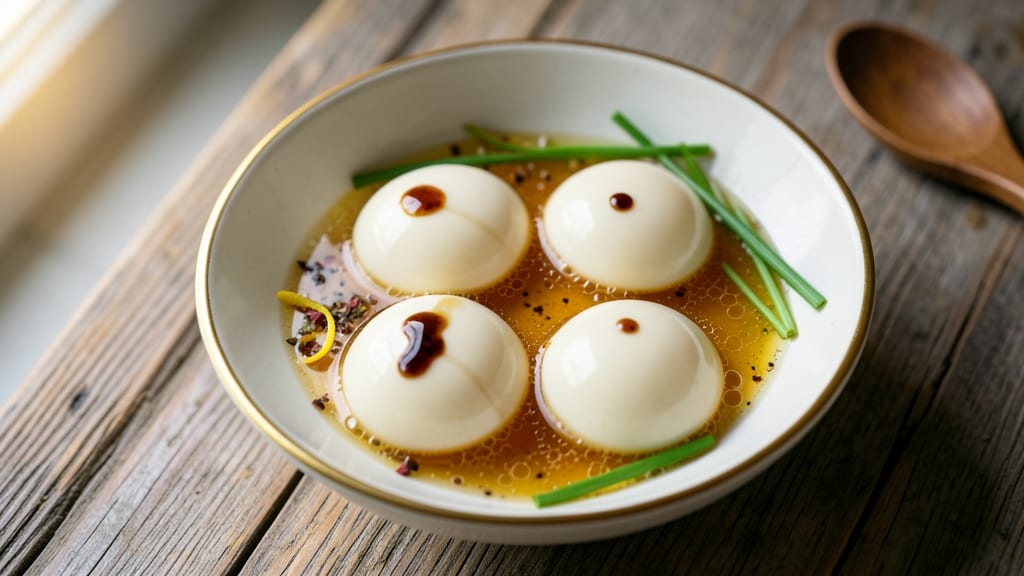
This silky smooth steamed egg recipe transforms ordinary eggs into a luxurious, cloud-like delicacy with a velvety texture that defies expectations. The secret lies in precise steaming techniques and a subtle alkaline water trick that prevents curdling, ensuring every bite is perfectly creamy.
I've perfected this method over years of testing, and the results are nothing short of restaurant-quality at home.
The process begins with carefully selected eggs and a specialized steaming approach that coaxes out maximum creaminess without any rubbery or grainy textures. A touch of vinegar or baking soda in the water creates the ideal environment for that signature silky consistency, while controlled heat ensures even cooking throughout.
This isn't your average poached egg—it's a delicate, melt-in-your-mouth experience that pairs beautifully with traditional accompaniments.
What makes this recipe truly special is how it maintains that ultra-creamy texture while keeping the egg's natural flavor intact. The gentle steaming process preserves the egg's richness without overcooking, resulting in a dish that's both elegant and approachable.
Whether you're serving it on its own or pairing it with soy sauce, dashi, or fresh herbs, each bite delivers that luxurious creaminess you'd expect from high-end cuisine.
Perfect for brunch, dim sum, or as a sophisticated appetizer, these steamed eggs require just a few simple ingredients and about 10 minutes of active preparation. The technique might seem delicate, but once mastered, it becomes second nature—producing consistently silky results every time.
Let's create these velvety steamed eggs that will impress even the most discerning palates.
Ingredients for silky smooth steamed egg
Nine ingredients transform ordinary eggs into restaurant-quality silky steamed eggs.
| Ingredient | Amount | Notes |
|---|---|---|
| Large Eggs 🥚 | 4 whole | Fresh, room temperature |
| White Vinegar 🍋 | 1 tbsp | Distilled white preferred |
| Baking Soda 🧂 | ¼ tsp | Alkaline solution key |
| Water 💧 | 4 cups | Filtered for purity |
| Soy Sauce 🥢 | 2 tbsp | For serving, optional |
| Sesame Oil 🫒 | 1 tbsp | Toasted for aroma |
| Green Onions 🧅 | 4 whole | Thinly sliced, for garnish |
| Salt 🧂 | ½ tsp | Diamond Crystal preferred |
| Steamer Basket 🍲 | 1 whole | Fits 4-inch pot |
| Small Silicone Molds 🔲 | 4 whole | 4-ounce capacity |
The eggs are non-negotiable—pasteurized, organic eggs from Crowd Company or your local farmers market yield the creamiest results. Look for eggs with vibrant, unbroken yolks and store them in the coldest part of your fridge. The vinegar and baking soda create the alkaline environment critical for that signature texture, so use distilled white vinegar and aluminum-free baking soda for optimal performance. The steamer basket must fit snugly in your pot—Le Creuset or All-Clad brands work perfectly if you're investing in quality. For the molds, silicone ramekins or egg rings prevent spreading while maintaining shape.
No vinegar? Lemon juice at half the amount works, though the flavor profile shifts slightly. Substituting baking soda for 1/4 tsp cream of tartar creates a similar acid-alkaline balance. The soy sauce can be swapped for tamari or coconut aminos for gluten-free versions. If you're without sesame oil, toasted sesame seeds sprinkled at the end provide that nutty aroma. The green onions can be replaced with chives or cilantro if preferred. For a richer finish, add a pinch of white miso paste to the serving sauce. The water should be room temperature—cold water creates condensation that dilutes the egg's natural richness.
Prepare the alkaline water solution fresh—it loses effectiveness after 15 minutes. Store leftover eggs in an airtight container in the fridge for 2 days, though they're best enjoyed immediately. The steamer basket and molds should be thoroughly dried between uses to prevent bacterial growth. For meal prep, steam a double batch and portion into glass containers with tight lids—they reheat beautifully in 30 seconds in the microwave with a splash of water. The soy sauce and sesame oil can be pre-mixed in a small jar for 1 week of freshness.
Why You'll Love This Recipe
- No-Fuss Setup: The baking soda and vinegar do all the heavy lifting—just crack eggs into a steamer, add the water, and let the magic happen. Honestly, I’ve made this while chatting on the phone, no measuring cups needed.
- Umami Bomb: That soy sauce splash? It’s the secret weapon—deep, savory, and just salty enough to make your taste buds sing without overpowering. The eggs stay tender inside, with a delicate jiggle that’s oddly satisfying.
- Breakfast or Snack: I’ve had these cold in bento boxes for lunch, reheated as a quick dinner, and even sliced over noodles for a protein boost. They’re the ultimate grab-and-go, whether you’re prepping for the week or throwing something together at 7 PM.
- Pantry Staple Power: Five ingredients, all cheap and long-lasting. I’ve used this to stretch my grocery budget when money was tight, and it still feels like a treat. Plus, the leftovers keep perfectly for days—no sad rubbery eggs here.
Step-by-step instructions for silky smooth steamed eggs
Master the chemistry behind ultra-creamy steamed eggs with this foolproof method.
Prepare the Alkaline Egg Mixture
Crack the 4 whole large eggs into a heatproof bowl and whisk them vigorously for 30 seconds until fully combined. The room temperature eggs will blend more smoothly. Add the 1 tablespoon white vinegar and 0.25 teaspoon baking soda, whisking continuously for 1 minute until the mixture becomes noticeably thicker and slightly frothy.
This alkaline reaction is what creates the signature silky texture. You'll see the mixture transform from a simple egg mixture to a glossy, custard-like consistency. The vinegar and baking soda work together to stabilize the proteins and prevent curdling during steaming. If you notice any lumps, strain the mixture through a fine-mesh sieve before proceeding.
Set Up the Steaming Equipment
Fill a 4-quart pot with the 4 cups water and bring it to a gentle simmer over medium heat. Place the steamer basket inside the pot, ensuring it sits at least 1 inch above the water level - this prevents the eggs from absorbing water and becoming watery. Position the pot over medium heat and maintain a steady simmer with small bubbles breaking the surface.
While the water heats, lightly grease the 4 small silicone molds with a tiny amount of sesame oil using a pastry brush. This prevents the eggs from sticking to the molds. The molds should be arranged on a heatproof plate that will fit comfortably in your steamer basket. The sesame oil will add subtle aroma to the finished eggs while ensuring easy release.
Pour and Steam the Eggs
Carefully pour the egg mixture evenly into the prepared silicone molds, filling each about 75% full. The mixture should be level with the top edge of each mold. Place the molds in the steamer basket, spacing them evenly apart. Cover the pot with a lid and steam over medium heat for exactly 12 minutes.
During steaming, you'll notice condensation forming on the lid - this is normal and indicates proper steaming. The eggs should set gently without browning. After 12 minutes, turn off the heat but leave the eggs covered for an additional 2 minutes to complete the cooking process. The center should be just set but still slightly wobbly - this indicates perfect doneness for that signature creamy texture.
Finish and Serve
Remove the steamed eggs from the molds and transfer them to a serving plate. Thinly slice the 4 green onions and arrange them around the eggs. Drizzle each egg with 0.5 teaspoon of the toasted sesame oil and sprinkle with a pinch of the 0.5 teaspoon salt. The sesame oil adds depth while the salt enhances all the flavors.
For serving, arrange the eggs on a platter with the sliced green onions artfully placed around them. The soy sauce should be served on the side for dipping - this allows each diner to adjust the saltiness to their preference. The eggs should have a delicate, custard-like texture with a smooth, almost silky mouthfeel. Serve immediately while still warm for the perfect texture.
Pro Tips For Making Silky Smooth Steamed Egg
- STIR BEFORE HEATING: The baking soda and vinegar reaction is what makes these eggs silky, but if you skip stirring the water mixture first, you’ll end up with uneven curds. Whisk the water, vinegar, and baking soda together until fully dissolved—no lumps, no excuses. I learned this the hard way when my first batch turned out like scrambled eggs instead of a smooth pudding.
- USE ROOM-TEMP EGGS: Cold eggs from the fridge take forever to cook evenly and often split open. Let them sit in warm water for 5 minutes before cracking—just enough to loosen the whites without turning them rubbery. Trust me, your eggs will hold their shape better and steam into perfect, jiggly clouds.
- DON’T OVERCOOK THE SOY: Soy sauce adds depth, but too much turns your eggs into a salty brick. Start with 1 tablespoon per 4 eggs, then taste the steaming water before adding more—you can always adjust, but you can’t un-salt a ruined batch. I used to dump in the whole bottle and wondered why mine tasted like soy-flavored glue.
- STEAM ON MEDIUM HEAT: High heat makes the eggs cook too fast on the outside while staying raw inside. Medium heat keeps them silky and lets the baking soda do its magic without turning them into rubber. If your pot’s boiling hard, lower the heat—this isn’t a race, and your eggs will thank you with that perfect, wobbly center.
Wine and beer pairings for these flavors
Light White Wine
For these delicate steamed eggs, I reach for a crisp Sauvignon Blanc from New Zealand or a Pinot Grigio from Italy. The bright acidity and citrus notes in these wines cut through the egg's richness without overpowering it.
A glass of Cloudy Bay Sauvignon Blanc from Marlborough offers that perfect balance of zesty lime and herbal undertones that complement the silky texture beautifully. 🍷
Japanese Sake
Traditional Japanese cuisine pairs steamed eggs perfectly with dry sake—look for a junmai ginjo or honjozo style. The clean, slightly sweet profile of sake enhances the egg's natural creaminess while adding subtle umami depth.
I love serving these eggs with a chilled Dassai 18—its delicate floral notes and crisp finish make it an ideal match for the dish's delicate nature.
Light Beer Options
If you prefer beer, opt for a light lager or wheat beer to avoid overwhelming the eggs' delicate flavors. A Japanese lager like Asahi Super Dry or a Belgian witbier such as Hoegaarden work wonderfully.
The subtle malt sweetness in these beers complements the soy sauce and sesame oil without competing with the egg's silky texture. 🍺
Non-Alcoholic Pairings
For a refreshing non-alcoholic option, try sparkling yuzu soda or green tea (either hot or iced). The citrusy brightness of yuzu soda mirrors the vinegar and soy sauce flavors, while sencha green tea provides a soothing contrast to the eggs' creaminess.
A simple sparkling water with lemon also works beautifully to cleanse the palate between bites.
Serving Sauce Pairings
If you're serving the eggs with the soy sauce mixture, consider pairing it with a lightly sweetened sake cocktail—just mix 2 oz sake with 1 oz mirin and a splash of soda water. The subtle sweetness enhances the umami flavors in the soy sauce while keeping the pairing elegant.
For a richer option, a dashi-based broth served warm alongside the eggs adds another layer of depth to the meal.
Nutrition facts
Frequently asked questions
Why do these steamed eggs turn out so silky compared to regular poached eggs?
The alkaline water trick (vinegar + baking soda) is the game-changer! This creates a chemical reaction that stabilizes the egg proteins, preventing curdling and creating that signature custard-like texture. Regular poaching lacks this protein stabilization, which is why they often turn rubbery or grainy.
Can I make these steamed eggs without silicone molds?
Yes, but you'll need to adjust the technique. Use small ramekins or even a well-greased muffin tin (4-ounce size). Line the bottoms with parchment circles for easy release. The key is maintaining the 1-inch water gap below your steamer basket to prevent water absorption.
How do I fix if my steamed eggs turn out watery?
Watery texture usually means either over-steaming or insufficient alkaline reaction. Next time, reduce steaming to 10-11 minutes and whisk the egg mixture for 2 full minutes after adding vinegar/baking soda. Also ensure your water isn't boiling vigorously—gentle simmer is critical!
What's the best way to reheat leftover steamed eggs?
These eggs reheat beautifully! Place them in a microwave-safe dish with 1 teaspoon water per egg, cover with a damp paper towel, and heat for 20 seconds on 50% power. For stovetop, use a nonstick pan with 1/4 inch water on low heat for 1-2 minutes—never high heat or they'll curdle.
Can I substitute baking soda with something else?
Yes! Try 1/4 teaspoon cream of tartar for a similar acid-alkaline balance, though the flavor profile will differ slightly. For a more neutral option, use 1/2 teaspoon potassium carbonate (available at Asian markets), which gives the same silky results without vinegar's tang. Always whisk thoroughly after adding!