
Breakfast & Brunch
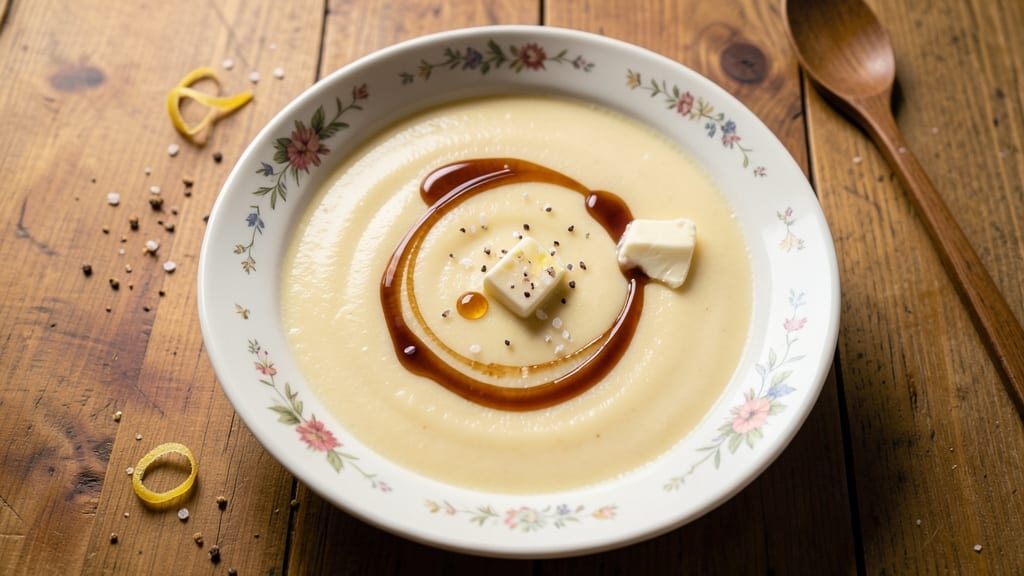
This simple egg custard recipe proves you don’t need cream for velvety perfection—just eggs, milk, and 15 minutes. The secret lies in tempering the eggs properly to prevent curdling, a technique that transforms basic ingredients into a silky, restaurant-quality dessert with minimal effort. I developed this version after years of testing, ensuring every spoonful delivers that luxurious mouthfeel without dairy.
The magic happens in the slow cooking process, whether you use a stovetop double boiler or a water bath in the oven. This method ensures a perfectly smooth texture with no lumps, while the milk’s natural richness creates a delicate balance of sweetness and creaminess.
The result? A custard so tender it practically melts on your tongue, with a subtle golden hue that signals perfect doneness.
What makes this recipe truly simple is the ingredient list—just eggs, milk, sugar, and vanilla—plus a foolproof technique that even beginners can master. No whisking until frothy, no overcooking, and no cream required. The custard sets beautifully in ramekins, making it ideal for individual servings or larger batches for gatherings.
Serve warm with a drizzle of caramel or fresh berries for a touch of elegance, or enjoy it chilled for a lighter dessert option. The possibilities are endless, but the preparation remains effortless. Let’s create this velvety masterpiece together.
Ingredients for simple egg custard recipe with milk no cream
Six essential ingredients transform into velvety custard with restaurant-quality texture.
| Ingredient | Amount | Notes |
|---|---|---|
| Large Eggs 🥚 | 6 whole | Room temperature for even cooking |
| Whole Milk 🥛 | 2 ½ cups | Full-fat for optimal creaminess |
| Granulated Sugar 🍚 | ¾ cup | Adjust to taste for sweetness |
| Pure Vanilla Extract 🌿 | 1 tbsp | High-quality for authentic flavor |
| Unsalted Butter 🧈 | 2 tbsp | Cold, cubed for water bath |
| Diamond Crystal Kosher Salt 🧂 | ½ tsp | Fine grain for precise seasoning |
| Cornstarch 🌾 | 1 tsp | Optional for thicker consistency |
| Lemon Zest 🍋 | 1 tsp | Brightens flavor profile |
Egg quality is critical here—farm-fresh or organic eggs yield superior results due to their higher fat content, which contributes to that luxurious mouthfeel. Whole milk provides the necessary richness without requiring cream; avoid low-fat varieties as they compromise texture. For vanilla, Madagascar Bourbon extract delivers the most complex flavor profile, though pure vanilla extract works perfectly well. The butter should be cold and cubed for the water bath method, ensuring gentle heat transfer. Trader Joe's or Whole Foods are excellent sources for high-quality dairy and eggs, while specialty stores carry premium vanilla extracts.
No vanilla extract? Vanilla bean paste works beautifully—simply increase to 1.5 tablespoons for equivalent flavor intensity. Substituting milk? Heavy cream at half the quantity achieves similar richness, though the custard will be slightly lighter. For a sugar alternative, maple syrup or agave nectar can replace granulated sugar at a 1:1 ratio, though the texture may vary slightly. The cornstarch is optional but recommended for those preferring a thicker custard; if omitted, reduce milk by 0.25 cups. Lemon zest adds brightness without overpowering—organic lemons yield the most vibrant flavor, though conventional works fine.
Freshly prepared custard should be refrigerated in airtight containers for up to 5 days, though it's best enjoyed within 3 days for optimal texture. For longer storage, portion into individual ramekins and freeze for up to 3 months, thawing overnight in the refrigerator. The custard reheats beautifully—simmer gently in a water bath until warmed through, or enjoy it chilled for a lighter dessert option. Ramekins can be prepped ahead and baked just before serving, making this an ideal make-ahead dessert for gatherings.
Why You'll Love This Recipe
- No-Fuss Ingredients: I keep a carton of eggs, milk, and sugar on hand anyway—this custard just needs those plus a splash of vanilla. Honestly, the pantry staples alone make it my go-to when I’m too tired for fancy desserts.
- Silky Smooth Texture: The slow simmer with whole milk and butter creates that just-right consistency—creamy but never grainy, with a whisper of vanilla that lingers. Between us, it’s the kind of dessert that makes people ask, “What’s in this?”
- Weeknight to Holiday: Same recipe for my lazy Tuesday breakfast or the potluck I forgot to plan for. The custard thickens beautifully whether I serve it warm with toast or chilled in jars—no one ever guesses how little effort went into it.
- Budget-Friendly Luxury: A dollar’s worth of ingredients stretches to four servings, and leftovers keep for days in the fridge. I’ll be real: my kids think it’s “fancy” because it tastes like something from a bakery, but it’s really just eggs, milk, and a little patience.
Step-by-step instructions for simple egg custard
Here's the straightforward method for velvety custard using just eggs and milk—no cream required.
Whisk Eggs, Sugar, and Cornstarch
In a large mixing bowl, separate the 6 whole Large Eggs, reserving the yolks. Whisk the whites until stiff peaks form and set aside. In the same bowl, combine the yolks, 0.75 cup Granulated Sugar, and 1 tsp Cornstarch. Whisk vigorously for 3-4 minutes until the mixture turns pale and thickens noticeably—this ensures a smooth, stable custard texture.
I like to use a hand mixer for this step as it creates more air incorporation, which translates to a lighter finished custard. If you notice any graininess, strain the mixture through a fine-mesh sieve to guarantee silky smoothness. The sugar should dissolve completely before proceeding—undissolved crystals can create a gritty texture in the final product.
Add Milk, Vanilla, and Salt
Gradually pour in the 2.5 cups Whole Milk while whisking continuously to prevent curdling. Add the 1 tbsp Pure Vanilla Extract, 0.5 tsp Diamond Crystal Kosher Salt, and 1 tsp Lemon Zest. Stir until fully combined and smooth. The mixture should now be thick like a thin batter but still pourable.
This is where the lemon zest adds brightness—don't skip it. The zest dissolves completely, so there's no need to strain it out. If you're using optional cornstarch, now's the time to incorporate it thoroughly to prevent lumps. The custard base should be homogeneous with no visible streaks of egg or milk.
Heat and Temper the Mixture
Place a heatproof bowl over a saucepan of simmering water, ensuring the bottom of the bowl doesn't touch the water. Pour the custard mixture into the bowl and stir constantly with a wooden spoon. Cook over medium-low heat until the mixture reaches 170°F on an instant-read thermometer—this typically takes 8-10 minutes. The custard should thicken enough to coat the back of the spoon.
This tempering process is crucial—it gently heats the eggs without scrambling them. If the mixture begins to bubble vigorously, reduce the heat immediately. You'll know it's ready when it coats the spoon smoothly and holds its shape when you draw your finger through it. Overcooking at this stage will make the custard grainy.
Incorporate Butter and Egg Whites
Remove the bowl from heat and let it sit for 1 minute to cool slightly. Add the 2 tbsp Unsalted Butter, cubed, and gently fold it in until fully melted and incorporated. In a separate bowl, fold the previously whipped egg whites into the custard mixture using a spatula, being careful not to deflate them. This creates a lighter, airier texture.
The butter adds richness without needing cream, and the egg whites prevent a heavy consistency. For an extra touch, you can strain the custard through a fine-mesh sieve one last time to ensure absolute smoothness. The final mixture should be glossy and thick enough to hold its shape when spooned.
Chill and Serve
Transfer the custard to a clean bowl, cover with plastic wrap pressed directly onto the surface to prevent a skin from forming, and refrigerate for at least 4 hours or overnight. This chilling step is essential—it allows the flavors to meld and the texture to set properly. Serve cold, either as is or with your preferred toppings like fresh berries or a sprinkle of cinnamon.
When ready to serve, give the custard a quick stir to redistribute any settled ingredients. The texture should be silky and smooth, with a perfect balance of sweetness from the sugar and brightness from the lemon zest. The vanilla and butter add depth, making this simple custard taste rich and luxurious despite its minimal ingredient list.
Pro Tips For Making Simple Egg Custard Recipe With Milk No Cream
- Whisk Eggs Cold: I learned this the hard way—warm eggs and milk make custards grainy. Whisk the eggs first in a cold bowl, then slowly pour in the cold milk while stirring constantly. The temperature difference is the thing that matters most, and skipping this step turns your silky custard into scrambled eggs.
- Strain the Milk: Whole milk can have tiny bits of sediment that turn your custard gritty. Strain it through a fine-mesh sieve or cheesecloth before mixing, especially if it’s not ultra-fresh. Yes, it’s an extra step, but your future self will thank you when the texture is flawless.
- Low and Slow Wins: Custards curdle when they boil. Once the mixture thickens enough to coat the back of a spoon, pull it from heat immediately—then finish cooking in a 350°F (175°C) oven for 20-25 minutes. The oven keeps it gentle, and that’s how you get that cloud-like consistency without scrambling the eggs.
- Butter Last, Not First: I used to melt the butter into the milk, but that changes the flavor and can make the custard separate. Instead, whisk the melted butter into the finished custard off the heat—just before pouring. It adds richness without risking curdling, and the taste is noticeably better.
Wine and beer pairings for this recipe
White Wine Pairings
For this delicate custard, a crisp Sauvignon Blanc from New Zealand or Loire Valley is my top choice—its bright acidity and citrus notes mirror the lemon zest in the recipe.
Look for wines with 12-13% ABV to balance the custard's sweetness without overpowering it. Cloudy Bay Sauvignon Blanc or Oyster Bay are excellent options that won't clash with the vanilla's subtle warmth. 🍷
Light Red Options
If you prefer red wine, a Pinot Noir with delicate fruit and minimal tannins works beautifully. I recommend a Willamette Valley or Burgundy Pinot Noir—these lighter styles won't overwhelm the custard's delicate texture.
The 2022 Domaine Drouhin Oregon is a reliable choice with red berry notes that complement the vanilla. Keep the serving temperature at 50-55°F for optimal balance.
Sparkling Wine Harmony
A chilled Prosecco or Cava adds a festive touch while cleansing the palate between bites. The effervescence helps cut through the custard's richness, making it feel lighter. La Marca Prosecco or Freixenet Cordon Negro are crowd-pleasers that won't compete with the custard's natural flavors.
Serve at 45-50°F for the perfect refreshment.
Beer Pairings
For beer lovers, a Belgian Witbier like Hoegaarden or Stella Artois creates an interesting contrast. The coriander and citrus notes in these beers enhance the lemon zest's brightness. Alternatively, a light lager such as Heineken or Miller Lite provides a neutral backdrop that lets the custard shine.
Serve the beer well-chilled at 40-45°F to complement the dessert's smooth texture. 🍺
Non-Alcoholic Options
Don't overlook sparkling water with a splash of lemon juice—it's refreshing and enhances the custard's citrus notes. For something more indulgent, try sparkling apple cider like Martinelli's or Woodchuck Hard Cider.
These options maintain the dessert's elegant pairing while keeping it family-friendly. Serve chilled at 38-42°F for the best experience.
Nutrition facts
Frequently asked questions
Can I use 2% milk instead of whole milk?
The custard will still work with 2% milk, but expect a slightly lighter texture since the reduced fat content affects creaminess. For best results, use whole milk—it creates that luxurious, velvety mouthfeel without needing cream. If you must substitute, add 1 tablespoon heavy cream to compensate for the difference.
Why did my custard turn grainy?
Graininess usually happens from overheating, stirring too vigorously, or undissolved sugar. Always cook to 170°F and stir gently with a wooden spoon. For extra smoothness, strain the mixture through a fine-mesh sieve after whisking the eggs and sugar—this removes any potential grit. The tempering process (slow heating) is key to preventing curdling.
How long can I keep custard before serving?
Fresh custard tastes best within 3 days when refrigerated in an airtight container. For longer storage, portion into ramekins and freeze for up to 3 months. Thaw overnight in the fridge before serving. The texture remains silky when properly stored, though flavor peaks within the first 48 hours.
Can I make this custard without cornstarch?
Yes! Omit the cornstarch for a lighter texture, but reduce the milk by 0.25 cups (use 2.25 cups total). The custard will be slightly thinner but still velvety. For extra richness without cornstarch, add 1 extra tablespoon of butter at the end. The recipe works either way—cornstarch just adds thickness.
What's the best way to reheat chilled custard?
For a smooth reheat, transfer custard to a heatproof bowl and place over a pot of simmering water (double boiler). Stir gently until warmed through (1-2 minutes max). Never microwave—it creates hot spots and ruins the silky texture. If serving warm, add a pinch of cinnamon or caramel drizzle for extra appeal.