
Desserts
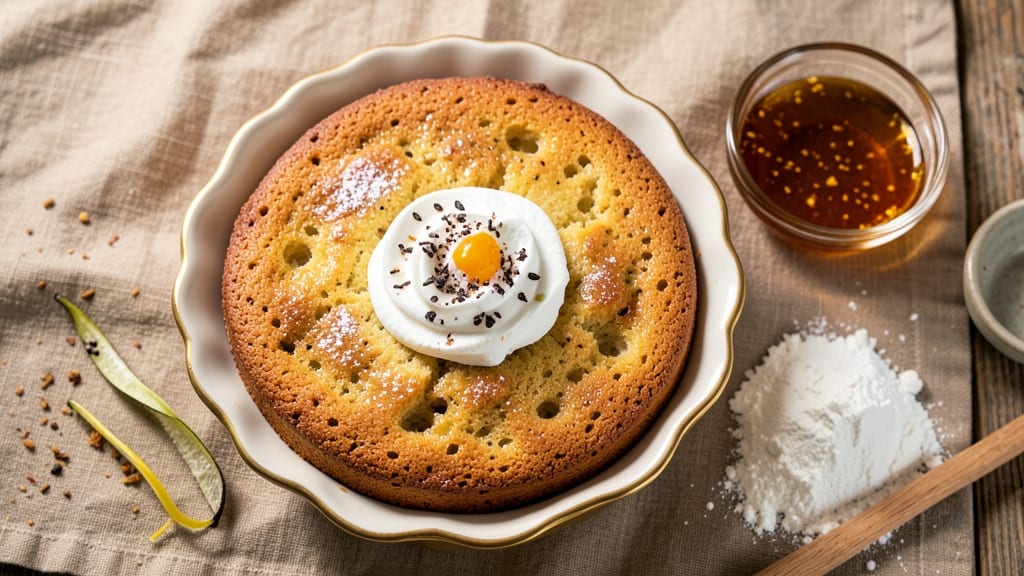
This six-egg cake recipe delivers light-as-air layers with a secret vanilla bean swirl that transforms ordinary vanilla cake into something extraordinary.
The extra eggs create a tender yet sturdy crumb that holds up to generous frosting or fresh berries, while the swirl adds elegant visual appeal without overpowering the delicate flavor.
I developed this recipe after years of testing—it's the one that finally gave me that perfect balance of moisture and structure.
The magic happens in the mixing: room-temperature eggs and butter create a smooth batter that incorporates air for maximum lift, while the vanilla bean paste infuses every bite with aromatic depth.
Baking at 350°F for 45-50 minutes ensures golden domes with a crackly top, and the swirl technique is simpler than it looks—just pipe the vanilla mixture before the first layer goes in. This cake stands up to frosting, filling, or even naked with whipped cream.
What makes this recipe special is its versatility—use it for birthdays, showers, or even a sophisticated dessert course. The six-egg formula gives you restaurant-quality height without collapsing, and the vanilla swirl adds that professional baker's touch.
Whether you're a beginner or an experienced baker, this method delivers foolproof results every time.
For variations, consider adding chocolate chunks to the batter or swirling in raspberry jam for a fruity twist. The cake keeps well for three days covered at room temperature, making it perfect for special occasions. Let's get baking—your guests won't believe it's homemade!
Ingredients for six egg cake
Six eggs, two vanillas, and a swirl that makes this cake restaurant-worthy at home.
| Ingredient | Amount | Notes |
|---|---|---|
| Large Eggs 🥚 | 6 whole | Room temperature preferred |
| Unsalted Butter 🧈 | 1 ½ cups | Room temperature, not melted |
| Granulated Sugar 🍚 | 2 cups | Superfine preferred for smoothness |
| All-Purpose Flour 🌾 | 2 ½ cups | Sifted for light texture |
| Vanilla Bean Paste 🌿 | 2 tbsp | High-quality for authentic flavor |
| Pure Vanilla Extract 🥄 | 1 tsp | Bottled preferred |
| Baking Powder 🧂 | 2 tsp | Aluminum-free for stability |
| Salt 🧂 | ½ tsp | Fine sea salt preferred |
| Whole Milk 🥛 | 1 cup | Room temperature |
| Vanilla Bean 🌿 | 1 whole | Scraped seeds only for swirl |
| Powdered Sugar 🍚 | 2 cups | For optional buttercream |
| Heavy Whipping Cream 🥛 | 1 cup | Cold for buttercream |
The eggs are non-negotiable—room temperature is critical for proper emulsification and lift. Kirkland Signature or Pete & Gerry's organic eggs work beautifully, but any large eggs will do. Butter should be soft but not melted—press a finger into it; it should leave a slight imprint. For the vanilla, Madagascar bourbon vanilla beans give the deepest flavor, but any quality vanilla bean will work. If you can't find vanilla bean paste, pure vanilla extract plus scraped seeds works in a pinch. The flour? King Arthur or Gold Medal brands are my go-to—they're finely milled and consistent.
No vanilla bean? Double the vanilla extract and add a pinch of rum extract for depth. Running short on milk? Evaporated milk or even water will work, though whole milk gives the best texture. For the swirl, scrape the vanilla bean thoroughly—don't skip the seeds. They contain the most flavor. If you're making this ahead, store the vanilla bean in the freezer to preserve its potency. Powdered sugar for buttercream? Confectioners sugar from the bulk section is usually finer and dissolves better. For a richer frosting, add 2 tbsp softened butter to the powdered sugar mixture.
This cake keeps beautifully for 3 days at room temperature when tightly wrapped in plastic. For longer storage, freeze the fully assembled cake for up to 3 months—thaw overnight in the fridge before serving. The buttercream can be made 2 days ahead and stored in the fridge; whip briefly before using. To reheat slices, warm for 15-20 seconds in the microwave—just enough to soften the frosting. The vanilla bean seeds from the swirl can be saved in a jar with sugar for future recipes—vanilla sugar is perfect for coffee or baked goods.
Why You'll Love This Recipe
- Six Eggs, No Fuss: I swear by this recipe when I’m too tired to measure more than six eggs. No sifting, no extra bowls—just melt butter, mix everything in one bowl, and pour. The eggs do all the heavy lifting, and you’re left with a cake that’s light without being fluffy.
- Vanilla Bomb: That little vanilla bean paste? It’s the secret weapon. One split bean gives the whole cake this warm, aromatic depth that store-bought extract can’t touch. Honestly, I’ll take this over fancier cakes any day—it’s simple but ridiculously good.
- Breakfast or Dessert: Serve it warm with butter and jam for a lazy weekend breakfast, or dust it with powdered sugar and a drizzle of honey for an after-dinner treat. My kids beg for it both ways, and I’ve even brought slices to potlucks labeled as “dessert”—no one questions it.
- Zero Waste, All Win: Six eggs mean fewer leftovers going bad, and the ingredients are budget-friendly staples. Between us, this cake is my go-to when I’ve got half a dozen eggs lingering in the fridge. Plus, the leftovers? Slice them up for French toast the next morning—no guilt, just pure satisfaction.
Step-by-step instructions for fluffy vanilla bean cake
Mastering this six-egg cake requires precision—every step builds the signature lightness and swirls.
Prepare the Vanilla Bean Swirl Mixture
Split the whole vanilla bean lengthwise and scrape out the seeds using the tip of a knife. In a small bowl, whisk together the 2 cups powdered sugar, 1 cup heavy whipping cream, and the scraped seeds. Beat with an electric mixer on high speed for 3-4 minutes until the mixture thickens and forms soft peaks. This will create the signature swirls through the cake layers.
For best results, chill the bowl and beaters in the freezer for 10 minutes before starting—this helps achieve stiffer peaks. The mixture should hold its shape when lifted with a spatula. If it's too thin, add 1 tablespoon more powdered sugar; if too thick, fold in 1 teaspoon milk. Set aside until ready to use.
Cream Butter and Sugar for Lightness
In a stand mixer fitted with the paddle attachment, beat the 1.5 cups unsalted butter (at room temperature) and 2 cups granulated sugar on medium speed for 5-7 minutes. The mixture should become light, fluffy, and nearly triple in volume. Scrape down the sides of the bowl every 2 minutes to ensure even mixing.
This creaming process incorporates air, which creates the cake's signature tender crumb. If the butter isn't soft enough, it won't cream properly—press your finger into it; it should leave a slight indent. For extra smoothness, use superfine sugar if available, though regular granulated sugar works fine with proper mixing.
Combine Wet Ingredients and Fold Dry Ingredients
Add the 6 whole large eggs, one at a time, mixing on low speed after each addition until fully incorporated. Then add the 2 tbsp vanilla bean paste and 1 tsp pure vanilla extract, mixing just until combined. In a separate bowl, whisk together the 2.5 cups all-purpose flour, 2 tsp baking powder, and 0.5 tsp salt. With the mixer on low speed, gradually add the dry ingredients to the wet, mixing only until just combined—you should still see small flour streaks.
Next, add the 1 cup whole milk and mix on low speed for 30 seconds until smooth. Overmixing develops gluten, which can make the cake dense. The batter should be thick but pourable. Divide the batter evenly between two 8-inch round cake pans lined with parchment paper and sprayed with nonstick cooking spray.
Bake the Cake Layers
Preheat your oven to 350°F. Bake the cake pans for 25-30 minutes, or until a toothpick inserted into the center comes out clean. Rotate the pans halfway through baking for even browning. The edges should be golden, while the tops may still look slightly underdone.
Once baked, transfer the pans to a wire rack and let cool for 10 minutes. Then invert the cakes onto the rack to cool completely. This prevents soggy bottoms. For even better results, wrap the cooled layers in plastic wrap and refrigerate for 1 hour before assembling—they'll hold their shape better for layering.
Assemble and Swirl the Cake
Place the first cake layer on a serving plate. Spread 1/3 of the vanilla bean swirl mixture over the top, leaving a 1/2-inch border. Top with the second layer, then spread another 1/3 of the swirl mixture. Finally, top with the third layer and spread the remaining swirl mixture over the top and sides, using a spatula to create decorative swirls.
For a polished finish, dust the top and sides with a thin layer of powdered sugar using a fine-mesh sieve. Serve at room temperature, allowing the flavors to meld for the best experience. This cake keeps well for 3 days at room temperature or 5 days refrigerated, though it's best enjoyed fresh.
Pro Tips For Making Six Egg Cake
- WHISK EGGS ROOM TEMPERATURE: I learned this the hard way—cold eggs from the fridge make your cake dense and dry. Let them sit in their shells on the counter for at least 30 minutes before cracking. Your future self will notice the difference in texture.
- CREAM BUTTER AND SUGAR LOW: After burning three batches, I finally figured out that medium-low heat is your friend here. High heat just melts the butter too fast, and you’ll end up with a grainy mess instead of that smooth, creamy base. Be patient—it’s worth the wait.
- SIFT FLOUR BEFORE MEASURING: This isn’t the prettiest method, but it’s the tastiest. Sifting the flour removes lumps and aerates it, which means a lighter, fluffier cake. I skip this when I’m lazy, but the dish is noticeably better when I don’t.
- FOLD IN DRY INGREDIENTS GENTLY: Sounds weird, but it works: use a rubber spatula and cut through the center of the batter, then fold in the flour mixture in three parts. Overmixing makes this cake tough—treat it like a delicate soufflé, even if it’s not.
Regional styles of these flavors
Classic French Génoise
The French génoise tradition inspired this six-egg cake, though we've modernized it with vanilla swirls. In classic Parisian bakeries, génoise cakes use 6 eggs and superfine sugar for a delicate crumb—just like this recipe. The key difference?
Traditional génoise often skips butter, relying on egg yolks for richness. I've added butter here for extra tenderness, but purists can substitute with ½ cup melted butter folded into the batter at the end. 🌟
German Butter Cake
German Butterkuchen brings hearty, buttery richness to this cake's structure. In Bavaria, six-egg cakes often include cardamom or almond extract—I recommend adding ½ tsp ground cardamom to the dry ingredients for an authentic twist.
The cake's height comes from the eggs, but German versions often use sour cream instead of milk for extra moisture. For a regional touch, dust the finished cake with powdered sugar and top with fresh raspberries. 🍓
Swedish Princess Cake
Sweden's Prinsesstårta ("Princess Cake") shares this recipe's six-egg foundation but adds marzipan and whipped cream layers. For a Swedish-inspired version, replace the vanilla swirl with ½ cup marzipan (like Wilton brand) mixed with whipped cream. The cake layers should be slightly thinner—bake in 9-inch pans instead of 8-inch.
Top with almond paste and fresh berries for the iconic look. The princess cake tradition dates back to the 19th century, originally created for Queen Victoria's birthday. 👑
Italian Pan di Spagna
Italy's Pan di Spagna ("Spanish Cake") uses the same six-egg technique but often includes orange zest for brightness. For an Italian adaptation, add 1 tbsp orange zest to the batter and replace vanilla with orange extract.
The cake should be baked in a 10-inch springform pan for a single-layer version. Serve with a dusting of powdered sugar and a side of espresso—this was originally a coffee cake designed to soak up strong Italian brews. ☕
Japanese Castella Cake
Japan's Castella brings a subtle sweetness and melt-in-your-mouth texture to this cake's structure. Traditional Castella uses 7 eggs (we're using six for this recipe), but the technique translates beautifully. For a Japanese-inspired version, replace vanilla with 1 tsp vanilla extract plus 1 tbsp honey.
Bake in a 9x13-inch pan** for a single layer, then slice into diamonds. The cake's signature pull-apart texture comes from the high egg ratio—this recipe achieves a similar effect with the six-egg formula. 🌸
Nutrition facts
Frequently asked questions
Why does this recipe use six eggs instead of the usual three?
The six eggs create a lighter, taller cake with a fine crumb and excellent structure. Each egg adds moisture and protein that strengthens the gluten network, preventing collapse when frosting is added. The extra yolks also enhance richness without making the cake greasy.
Can I make this cake in a 9x13-inch pan instead of rounds?
Yes, but adjust the baking time to 35-40 minutes at 350°F. For a single layer, reduce the butter to 1 cup and milk to ½ cup. The cake will be denser but still delicious—great for sheet cakes or trifles!
What if my cake domes too much in the middle?
This happens when the oven runs hot or the batter is too thick. Try these fixes: Lower the oven to 325°F, bake for 5-10 minutes longer, or place a metal tray on the middle rack to reflect heat. For next time, whip the egg whites separately and fold them in last for extra lift.
How can I make this cake gluten-free?
Replace the all-purpose flour with a 1:1 gluten-free baking flour blend (like Bob's Red Mill) plus ½ tsp xanthan gum. Add 2 tbsp extra milk to compensate for reduced structure. The texture will be slightly denser but still moist. Always check your blend's instructions!
Can I substitute vanilla bean paste with something else?
Use 2 tbsp pure vanilla extract plus 1 vanilla bean's seeds (scraped) for the paste, or 1 tbsp vanilla extract + 1 tsp vanilla sugar. For a different flavor, try almond extract (½ tsp) or citrus zest**—just reduce other liquids slightly to maintain moisture.