
Breakfast & Brunch
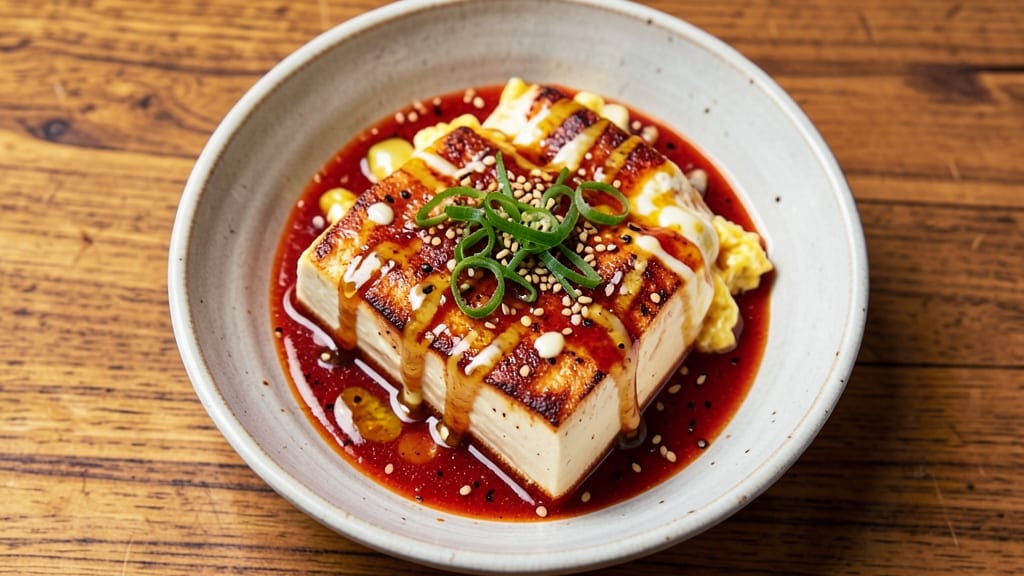
This spicy egg tofu recipe delivers bold, wok-seared heat with silky silken tofu bites that balance perfectly with scrambled eggs. The secret lies in marinating the tofu in a fiery chili-garlic paste before wok-searing it to achieve that signature crispy exterior while keeping the interior tender.
I developed this dish after years of experimenting with vegetarian breakfasts that deliver restaurant-quality depth without relying on meat.
The magic happens in the marinade—where gochujang, soy sauce, and sesame oil create a sticky, aromatic coating that caramelizes beautifully during searing. Silken tofu holds its shape while absorbing the spicy marinade, creating bite-sized pieces that are both hearty and delicate.
The eggs, scrambled just until creamy, add richness that balances the dish's fiery kick without overpowering it.
What you end up with is a vibrant, protein-packed dish that's perfect for breakfast or brunch—crispy tofu cubes with charred edges, silky scrambled eggs, and a sauce that ties everything together with perfect heat.
The combination of textures and flavors makes this more than just a vegetarian meal; it's a satisfying, restaurant-worthy dish that's surprisingly simple to prepare.
This recipe works equally well as a quick weeknight dinner or a weekend brunch centerpiece. The flavors develop even better the next day, making it ideal for meal prep. Ready to transform your breakfast routine with bold, spicy flavors? Let's get cooking.
Ingredients for spicy egg tofu
Bold flavors start with these 14 ingredients—where crispy tofu meets silky eggs in perfect spicy harmony.
| Ingredient | Amount | Notes |
|---|---|---|
| Extra-Firm Silken Tofu 🍱 | 14 oz | Press for 15 mins to remove excess water |
| Large Eggs 🥚 | 4 whole | Fresh, organic preferred |
| Gochujang Paste 🌶️ | 2 tbsp | Korean chili paste, not spicy variant |
| Light Soy Sauce 🥫 | 2 tbsp | Kikkoman preferred |
| Sesame Oil 🫒 | 1 tbsp | Toasted, not flavored |
| Minced Garlic 🧄 | 3 cloves | Fresh, not jarred |
| Neutral Oil 🫒 | 2 tbsp | Avocado or vegetable oil |
| Green Onions 🧅 | 3 whole | Thinly sliced, white and green parts |
| Toasted Sesame Seeds 🌾 | 1 tbsp | For garnish |
| Vegetable Oil 🫒 | ½ cup | For wok-searing |
| Salt 🧂 | ½ tsp | Diamond Crystal kosher salt |
| Black Pepper 🌶️ | ¼ tsp | Freshly cracked |
| Rice Vinegar 🍶 | 1 tbsp | For balancing heat |
| Cornstarch 🌾 | 1 tbsp | For crispy coating |
The tofu is the star, so extra-firm silken tofu is non-negotiable—it holds its shape during searing. Asian markets carry the best brands like House Foods or Wildwood, but any organic tofu from the grocery store works. Press it for 15 minutes to remove excess water before cutting—this ensures maximum crispiness. The gochujang? Don't grab the spicy variant—regular Korean chili paste has the right balance of heat and umami. If you can't find it, substitute 1 tbsp sriracha plus 1 tbsp tomato paste, but you'll lose some depth. The eggs should be fresh—old eggs scramble too fast and lose that creamy texture we're going for.
No gochujang? Sriracha plus a dash of miso paste gets you close, though the flavor won't be identical. The sesame oil is toasted—not flavored—so check the label. Trader Joe's sells it pre-toasted, which saves time. For the garlic, fresh is a must—jarred lacks the punch. Short on green onions? Substitute with scallions or even a pinch of onion powder, but the fresh green adds that bright finish. The cornstarch is key for that crispy exterior—don't skip it. If you're worried about gluten, use arrowroot powder instead. The rice vinegar might seem like an afterthought, but it's what balances all that spicy heat at the end.
This dish tastes even better the next day—honestly, the flavors meld into something magical. Store leftovers in an airtight container for up to 4 days in the fridge. For meal prep, I portion it into glass containers with tight lids—keeps everything fresh. The tofu cubes reheat beautifully in a skillet with a splash of water to steam them up. Freezes for 3 months if you're planning ahead. Just thaw in the fridge overnight before reheating—microwaving makes the tofu rubbery.
Why You'll Love This Recipe
- No-Fuss Mashup: I swear by this recipe because it’s the kind of dish that forgives mistakes—crumbled tofu, scrambled eggs, and a spoonful of gochujang paste tossed together in a pan. No dicing, no fussy techniques, just a quick stir-fry that still packs a punch.
- Umami Bomb: That gochujang-sesame-soy combo? It’s like a flavor explosion in your mouth—sweet, spicy, and savory all at once. The eggs add richness, and the silken tofu soaks up every bit of that sticky, smoky goodness.
- Lunchbox Hero: Between us, this is my go-to for meal prep—it reheats like a dream and keeps for days without getting soggy. Pack it in bento boxes, toss it in wraps, or just eat it straight from the fridge when you’re too tired to cook.
- Pantry Staple: Honestly, I keep extra-firm tofu and eggs on hand just for this. It’s cheap, filling, and never goes to waste—even when I burn the toast. Plus, the leftovers taste just as good cold as they do hot.
Step-by-step instructions for spicy egg tofu
Here's how to make crispy, flavor-packed tofu bites with silky eggs and bold Korean heat.
Prepare and Press the Silken Tofu
Drain the 14 oz extra-firm silken tofu and wrap it tightly in a clean kitchen towel or paper towels. Place a heavy object like a cast-iron skillet on top and press for 15 minutes to remove excess water. This step is crucial—it prevents soggy tofu and ensures a proper sear.
After pressing, cut the tofu into 1-inch cubes using a sharp knife. I like to work quickly here so the tofu doesn't absorb too much moisture from the air. Place the cubes in a bowl and toss gently with 1 tbsp cornstarch to create a crispy exterior. Let them sit for 5 minutes while you prepare the eggs.
Whisk the Spicy Egg Mixture
In a separate bowl, crack the 4 whole large eggs and whisk them vigorously until the yolks and whites are fully combined. Add 2 tbsp gochujang paste, 2 tbsp light soy sauce, 1 tbsp sesame oil, 3 cloves minced garlic, 0.5 tsp salt, and 0.25 tsp black pepper. Mix well until the gochujang is evenly distributed—you should see a vibrant red hue.
Stir in 1 tbsp rice vinegar to balance the heat and add brightness. The mixture should be thick but pourable. Here's a pro tip: If you prefer less heat, reduce the gochujang to 1 tbsp and add an extra ½ tsp rice vinegar to compensate. Taste the mixture now—it should be tangy, garlicky, and just spicy enough to make your taste buds tingle.
Wok-Sear the Tofu for Maximum Crisp
Heat 0.5 cup vegetable oil in a wok or large skillet over medium-high heat until it shimmers—you should see small bubbles forming around the edges. Add the cornstarch-coated tofu cubes in a single layer and let them cook undisturbed for 2-3 minutes until they turn golden brown on all sides. Don't overcrowd the pan, or they'll steam instead of crisp.
Use a slotted spoon to transfer the crispy tofu to a paper towel-lined plate to drain excess oil. Keep the oil in the pan for the next step—those flavorful bits are too good to waste. The tofu should have a satisfying crunch, but it'll soften slightly when the egg mixture is added, so don't worry if it's not rock-hard.
Combine and Cook the Egg Tofu
Reduce the heat to medium and pour the egg mixture into the wok, swirling it to coat the bottom with any browned bits. Immediately add the crispy tofu cubes and stir gently to distribute the egg mixture evenly. Let it cook for 1-2 minutes until the eggs begin to set but are still slightly runny in the center—this ensures a creamy texture.
Add 2 tbsp neutral oil and 3 whole green onions, sliced thinly. Toss everything together for another 30 seconds until the green onions wilt slightly and the tofu is fully coated. The dish should look vibrant—bright red from the gochujang, glossy from the eggs, and crispy from the sear. If the mixture seems too thick, add 1-2 tablespoons of water to loosen it slightly.
Finish and Serve Immediately
Remove the wok from heat and sprinkle the 1 tbsp toasted sesame seeds over the top. Give it one final toss to distribute the seeds evenly. The contrast of the nutty sesame against the spicy, creamy tofu is what makes this dish sing. Serve immediately while the tofu is still crispy and the eggs are silky.
Garnish with extra green onions if desired, and pair with steamed rice to soak up every last bit of that spicy, savory goodness. This dish is best enjoyed fresh—waiting too long will make the tofu soggy. Trust me, the first bite is worth the effort!
Pro Tips For Making Spicy Egg Tofu
- Drain & Press Silken Tofu: Silken tofu releases water like a sponge—skip pressing, and your egg tofu turns into a soggy mess. Wrap the block in a clean kitchen towel, place a heavy pan on top for 10 minutes, then slice it thinly. This keeps the texture firm without drying it out.
- Crack Eggs Cold: Room-temperature eggs scramble unevenly, leaving you with rubbery bits. Crack them straight from the fridge into a bowl, then whisk gently—this gives you that silky, cloud-like texture you see in good egg tofu. No need to overthink it, just cold eggs and a quick whisk.
- Bloom Gochujang First: Stir a teaspoon of gochujang into your oil before adding anything else. This step wakes up the paste’s flavor and prevents it from clumping like a lazy cook’s regret. Let it sizzle for 30 seconds—it’s the difference between "meh" and "wow."
- Low Heat for Eggs: High heat turns scrambled eggs into scrambled disaster. Once the eggs hit the pan, drop the heat to medium-low and stir constantly. You’re not racing—this isn’t a microwave burrito. Patience here means creamy, tender egg tofu, not a rubbery sad pile.
Essential equipment for this dish
Wok Essentials
A carbon steel wok is my go-to for this recipe—it heats up fast and retains heat perfectly for that signature wok-seared crispiness. I use a 14-inch Makura Tetsubin from Amazon because it's affordable and durable.
If you don’t have a wok, a large cast-iron skillet (like Lodge) works just as well. Just make sure it’s well-seasoned to prevent sticking. 🔥
Tofu Press Setup
Pressing the tofu is non-negotiable for crispy results. I use a simple DIY press made from a cast-iron skillet and a clean kitchen towel. Place the drained tofu in the towel, fold the edges tightly, and set the skillet on top.
For extra pressure, stack a few heavy books or a 5-pound weight on the skillet. This removes excess water without crushing the tofu. 💪
Crispy Coating Tools
For that golden-brown crust, you’ll need cornstarch and a light hand when tossing. Use a small mixing bowl to coat the tofu cubes evenly—this prevents clumping. A sharp chef’s knife (like Mercer Culinary) is essential for cutting the tofu into 1-inch cubes cleanly.
Pro tip: Dust the cutting board with cornstarch to prevent sticking. ✨
Egg Whisking Gear
A balloon whisk or fork works for whisking the eggs, but I prefer a silicon whisk because it’s gentle on the bowl. Use a heatproof bowl (like CorningWare) to whisk the eggs—it won’t crack under heat.
For mincing garlic, a garlic press saves time, but a sharp knife works too. Just be sure to pat the garlic dry first to avoid excess moisture in the mixture. 🧄
Oil and Heat Control
High smoke-point oils like avocado or vegetable oil are key for wok-searing. I use a measuring cup to get 0.5 cup precisely—too little oil means sticking, too much means soggy tofu.
A thermometer (like Thermoworks Smoke) helps monitor oil temp at 350°F for perfect searing. If you don’t have one, watch for small bubbles around the edges of the pan. 🌡️
Garnish and Serve
Toasted sesame seeds add the final nutty crunch. I use a small dry skillet to toast 1 tbsp sesame seeds over low heat for 2 minutes, shaking constantly. For green onions, a mandoline slicer gives uniform slices, but a sharp knife works fine.
Serve immediately in warm bowls to keep the tofu crispy. Leftovers? Store in an airtight container for up to 4 days. 💫
Nutrition facts
Frequently asked questions
Can I make this spicy egg tofu recipe with firm tofu instead of silken?
Firm tofu won't work as well—it's too dense and won't absorb the marinade or achieve that silky texture. Silken tofu's delicate crumbles perfectly with the eggs, creating the ideal contrast. If you're out of silken, try extra-firm tofu pressed for 30 minutes and cut into thin slices rather than cubes for better texture.
How do I adjust the spice level for sensitive eaters?
Start by reducing the gochujang to 1 tbsp instead of 2 tbsp. Add an extra ½ tsp rice vinegar to balance the remaining heat. For extra mildness, substitute the gochujang with 1 tbsp mild tomato paste plus ½ tsp smoked paprika. Always taste the egg mixture before cooking!
Can I make this recipe ahead of time?
Yes, but with one key adjustment: cook the tofu and eggs separately, then reheat in a skillet with a splash of water to restore crispiness. Store components in an airtight container for up to 4 days. For best results, assemble and serve immediately—waiting too long makes the tofu soggy.
What's the best way to reheat leftovers?
Use a nonstick skillet over medium heat with 1 tsp neutral oil. Add the egg tofu and cook for 2-3 minutes, stirring occasionally. For extra crispiness, add ½ tsp cornstarch to the pan first. Microwaving works in a pinch but makes the tofu rubbery.
Can I use this recipe for meal prep?
Portion into glass meal prep containers with tight lids. Store in the fridge for 4 days or freeze for 3 months. The tofu stays firm when frozen—just thaw overnight in the fridge before reheating. Pack with rice or steamed veggies for complete meals.