
Breakfast & Brunch
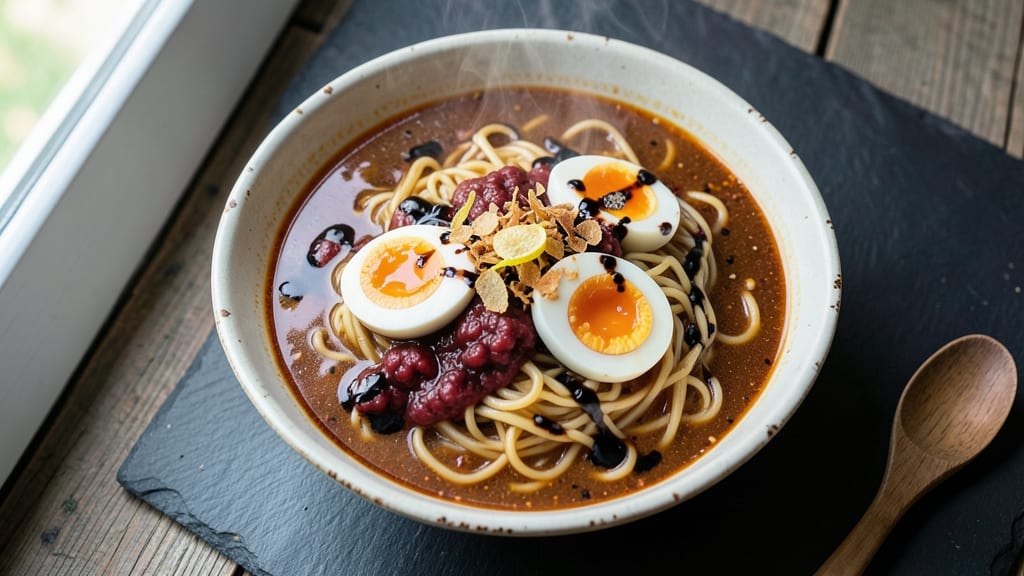
This spicy ramen with egg recipe delivers the perfect harmony of bold broth and silky yolk—where every spoonful balances fiery heat with rich umami.
The secret lies in layering flavors: a deep, aromatic broth simmered with chili oil and miso, paired with a perfectly runny egg that coats noodles in creamy luxury.
I’ve refined this recipe over years, ensuring the heat never overpowers the delicate egg, while the noodles stay tender and the broth remains vibrant. Whether you’re craving a quick weeknight meal or a weekend project, this dish transforms simple ingredients into something restaurant-worthy.
The foundation of great ramen starts with the broth—where chili oil, miso, and soy sauce blend to create a complex, spicy-savory base. You’ll toast spices like star anise and Sichuan peppercorns for depth, then slow-simmer them with chicken or pork bones for hours, extracting every ounce of flavor.
Meanwhile, the egg technique is critical: a runny yolk that pools over the noodles, absorbing the broth’s essence while adding a luxurious texture. This isn’t just ramen; it’s a textural experience—crispy noodles, silky egg, and a broth so flavorful it disappears into every bite.
What sets this recipe apart is the balance—bold heat without overwhelming spice, tender noodles that hold up to the rich broth, and an egg that’s neither too firm nor too runny.
The garnishes—green onions, sesame seeds, and a drizzle of chili oil—add freshness and crunch, cutting through the richness. It’s the kind of dish that feels indulgent yet satisfying, perfect for sharing or savoring solo. Ready to master the art of spicy ramen? Let’s get started.
For those who love customization, this recipe adapts effortlessly: swap the broth for a miso-spicy or soy-based version, adjust the heat level with extra chili oil, or add proteins like char siu pork or shrimp.
The key is keeping the egg technique precise—slippery, golden, and just set around the edges—so it glides over the noodles like liquid silk. Whether you’re a ramen novice or a seasoned fan, this method guarantees a bowl that’s perfectly balanced, deeply flavorful, and impossible to resist.
Ingredients for spicy ramen with egg
The perfect blend of aromatic broth, silky eggs, and fiery heat starts with these carefully chosen ingredients.
| Ingredient | Amount | Notes |
|---|---|---|
| Dried Ramen Noodles 🍜 | 2 packages | Discard seasoning packets |
| Chicken Bones 🍗 | 2 lb | Or pork bones for richer flavor |
| Chili Oil 🌶️ | ¼ cup | High-quality for authentic heat |
| Red Miso Paste 🧈 | 2 tbsp | Aged miso preferred for depth |
| Soy Sauce 🥄 | ½ cup | Use light soy for balance |
| Star Anise 🌿 | 2 whole | Toasted for aromatic depth |
| Sichuan Peppercorns 🌶️ | 1 tbsp | Toasted for tingling heat |
| Fresh Ginger 🧄 | 2 tbsp | Grated, not sliced |
| Garlic Cloves 🧄 | 6 cloves | Minced for aromatic base |
| Large Eggs 🥚 | 4 whole | Cold for silky yolk |
| Green Onions 🧅 | ¼ cup | Sliced for garnish |
| Sesame Seeds 🌰 | 1 tbsp | Toasted for nutty crunch |
| Vegetable Oil 🫒 | 2 tbsp | For egg cooking |
| Salt 🧂 | 1 tsp | Adjust to taste |
| Black Pepper 🌶️ | ½ tsp | Freshly ground |
The broth is where the magic happens. Chicken or pork bones from a quality butcher—look for well-marbled cuts—form the base. Whole Foods or Trader Joe's often carry pre-packaged bone sections, but ask your local butcher for the freshest options. The miso and chili oil duo delivers that signature umami-spicy balance, so don't skimp on quality. For the spices, Penzeys or bulk bins at specialty stores ensure maximum aroma. Toast your star anise and Sichuan peppercorns in a dry pan until fragrant—this releases their full potential.
No chili oil? Mix 2 tbsp gochujang with 1 tbsp neutral oil for a quick substitute. Short on miso? Double the soy sauce and add 1 tsp sugar to mimic its depth. Fresh ginger and garlic are non-negotiable here—they're the flavor anchors. If you must use dried, double the amount but toast it first to revive its punch. The eggs need to be cold and fresh—room temperature eggs won't give that perfect silky yolk. For the noodles, discard those seasoning packets—we're building our own flavor profile.
Broth keeps for 5 days in the fridge or 3 months frozen—portion it into containers for easy reheating. The eggs should be cooked fresh, but you can prep all other ingredients ahead. Store sesame seeds in a cool, dark place for up to 6 months. For maximum flavor, let the broth sit overnight before serving—this lets all the spices and aromatics meld together perfectly. The noodles should be cooked al dente and tossed immediately with a little oil to prevent sticking.
Why You'll Love This Recipe
- Pantry Magic: I swear by this one—no fresh herbs, no fancy prep. The chili oil and red miso paste do all the heavy lifting, turning basic ramen into something ridiculously good with just a simmer.
- Umami Bomb: That chicken bone broth? Chef’s kiss. Rich, deep, and packed with flavor—no bouillon cubes needed. The miso and soy sauce tie it all together like a cozy blanket on a cold night.
- Leftover Hero: Make a big batch and eat it for days. The noodles soften perfectly when reheated, and the egg stays silky. Honestly, this might be my go-to for lazy Sundays or post-work exhaustion.
- Budget Powerhouse: Chicken bones from the store? Check. Dried ramen? Check. The rest of the ingredients are cheap but pack a punch. I’ve fed four people for under $10—and they always ask for seconds.
Step-by-step instructions for spicy ramen with egg
Here's the method to create a rich, aromatic broth with perfectly silky egg yolks.
Toast and Prepare Aromatics
Heat a dry skillet over medium heat and toast the 2 whole star anise and 1 tablespoon Sichuan peppercorns for 1-2 minutes until fragrant. The Sichuan peppercorns will release their signature tingling aroma—this is essential for authentic flavor. Transfer them to a small bowl and set aside.
In the same skillet, add the 2 tablespoons fresh ginger and 6 cloves garlic cloves (minced). Sauté for 2-3 minutes until the ginger becomes translucent and the garlic turns golden. Remove from heat and transfer to a large pot with the toasted spices. This aromatic base forms the flavor foundation for your broth.
Build the Spicy Broth
Place the 2 lb chicken bones in the pot with the aromatics. Add 8 cups cold water, 0.5 cup soy sauce, and 1 teaspoon salt. Bring to a boil over high heat, then reduce to a simmer. Skim off any foam that rises to the surface during the first 10 minutes—this ensures a clear broth.
Simmer uncovered for 1.5 hours, maintaining a gentle bubble. The broth should reduce slightly and develop a deep amber color. Stir in the 2 tablespoons red miso paste during the last 15 minutes of cooking. This adds umami depth while keeping the broth smooth. Strain through a fine-mesh sieve into a clean pot, pressing gently on the solids to extract maximum flavor.
Cook the Noodles
While the broth simmers, prepare the 2 packages dried ramen noodles by discarding the seasoning packets. Cook the noodles in a separate pot of boiling water for 2 minutes less than package instructions (they'll finish cooking in the hot broth). Drain and set aside.
Return the strained broth to heat and bring to a rolling boil. Add the cooked noodles and 0.25 cup chili oil. Stir gently to distribute the oil evenly—this creates a balanced heat throughout each bowl. The noodles should finish cooking in 1-2 minutes in the hot broth. Remove from heat and divide among bowls.
Prepare Silky Eggs
Heat a nonstick skillet over medium-low heat and add 2 tablespoons vegetable oil. Crack the 4 whole large eggs (cold from the refrigerator) into the oil. Cook undisturbed for 2-3 minutes until the whites are just set but the yolks remain completely liquid. This creates the signature silky texture that contrasts with the bold broth.
Using a spatula, gently fold the eggs in half and slide them onto each bowl of ramen. The residual heat from the noodles will keep the yolks warm. Immediately garnish each serving with 1 tablespoon toasted sesame seeds and 2 tablespoons sliced green onions. The contrast of textures and temperatures makes each bite perfect.
Serve Immediately for Maximum Flavor
Serve the ramen immediately while the broth is hot and the eggs are silky. Each bowl should feature perfectly balanced elements: the rich, umami-packed broth, tender al dente noodles, and the velvety egg yolks that bind everything together. The Sichuan peppercorns will provide a subtle tingling sensation that lingers, while the chili oil adds controlled heat.
For an authentic experience, encourage diners to mix everything together thoroughly before taking the first bite. The combination of textures and temperatures creates a harmonious fusion that defines this dish. Leftovers can be refrigerated for up to 2 days, though the egg quality will degrade—best enjoyed fresh.
Pro Tips For Making Spicy Ramen With Egg
- Simmer Chicken Bones Long: I learned this the hard way—skip the instant pot or quick boil. Use a heavy pot (Dutch oven if you have one) and simmer chicken bones in water for at least 90 minutes on low heat. The longer they cook, the richer the broth becomes, and that’s the foundation of your ramen. Don’t rush it, or your soup will taste thin and bland.
- Toast Miso Paste First: Stir-fry your red miso paste in a dry pan for 30 seconds before adding liquid. This step deepens its umami flavor and prevents it from dissolving too quickly into the broth. I used to just toss it in raw, and the taste always felt muted—now it’s the star of the soup.
- Save the Ramen Seasoning: Discard the seasoning packet that comes with the dried noodles—it’s too salty and clashing with the miso and soy. Instead, use just 1 teaspoon of soy sauce in the broth and season the noodles separately with a pinch of salt and a splash of chili oil after cooking. Trust me, your taste buds will notice the difference.
- Crack Eggs into Hot Broth: Swirl the eggs into the still-simmering broth (not boiling) just before serving. The gentle heat keeps the yolks runny without scrambling them, and the broth’s spice seeps into the egg. I used to poach them separately, but this method cuts prep time in half and makes the dish feel more cohesive.
Dietary considerations for this spicy ramen with egg
Gluten-Free Adaptations
For gluten-free ramen lovers, swap the traditional wheat noodles for 100% buckwheat noodles like King Soba or Tinosoba. These noodles hold up beautifully in broth and have a delightful nutty flavor.
I recommend cooking them 1 minute less than package instructions since they finish cooking in the hot broth. Always check labels for gluten cross-contamination warnings—King Soba is certified gluten-free. 🌱
Egg Allergies
If you or someone at your table has egg allergies, the silky yolk is the star—but it can be replaced without sacrificing texture. Try soft tofu cubes (pressed and pan-fried in oil) or silken tofu mixed with a pinch of turmeric for color.
For a more traditional approach, use mushroom stems (like shiitake) sautéed until tender. These alternatives won’t mimic the egg’s creaminess, but they add a satisfying bite and absorb the broth beautifully.
Spice Sensitivity
The chili oil brings the heat, but it’s easy to adjust for sensitive palates. Reduce the amount to 1 tablespoon instead of ¼ cup and replace the rest with neutral oil. For extra depth without heat, add 1 teaspoon gochugaru (Korean chili flakes)—it provides color and mild spice.
If you love heat but want control, serve the chili oil on the side so everyone can customize their bowl. 🌶️
Dairy-Free Options
This recipe is naturally dairy-free, but if you’re adding extras like butter or cream, opt for coconut cream or olive oil instead. For garnishes, skip any dairy-based toppings and stick with toasted sesame seeds, green onions, and a drizzle of chili oil.
The broth’s richness comes from the bones and miso, so no dairy is needed—just focus on balancing the flavors.
Low-Sodium Adjustments
Store-bought broths and seasonings can be sodium bombs, so here’s how to control it: Use low-sodium soy sauce (like Kikkoman Low Sodium) and reduce the salt in the broth to ½ teaspoon.
For extra umami without salt, add 1 tablespoon fish sauce or ½ teaspoon MSG** (if you’re comfortable with it). Taste the broth before serving—it should be flavorful but not salty. 💡
Nutrition facts
Frequently asked questions
Why is the egg so important in spicy ramen?
The egg adds a luxurious, creamy texture that balances the bold heat of the broth. When cooked perfectly runny, it creates a silky yolk that coats the noodles, softening the spice and adding richness. The contrast between the hot broth and cool egg makes every bite more satisfying.
Can I make this recipe without chili oil?
For a milder version, replace the chili oil with 1 tablespoon gochujang (Korean chili paste) mixed with 1 tablespoon neutral oil. For extra depth without heat, add ½ teaspoon smoked paprika or a pinch of cayenne. The key is balancing the umami from miso and soy sauce.
How do I get the perfect silky egg yolk?
Use cold eggs straight from the fridge and cook them on medium-low heat in a nonstick pan with just enough oil to coat the bottom. Cook undisturbed for 2-3 minutes until the whites are set but the yolks remain completely liquid. Overcooking turns them rubbery!
Can I make the broth ahead of time?
Yes! Broth tastes even better after resting. Store it in the fridge for up to 5 days or freeze for 3 months. Reheat gently on the stove—never microwave, as it can break down the flavors. For extra depth, let it sit at room temperature for 30 minutes before serving.
What if my broth is too salty?
If the broth tastes too salty, dilute it with ½ cup hot water per bowl. For a richer flavor without adding more salt, stir in 1 tablespoon fish sauce or ½ teaspoon MSG** (if you're comfortable with it). Taste as you go—small adjustments make a big difference!