
Salads
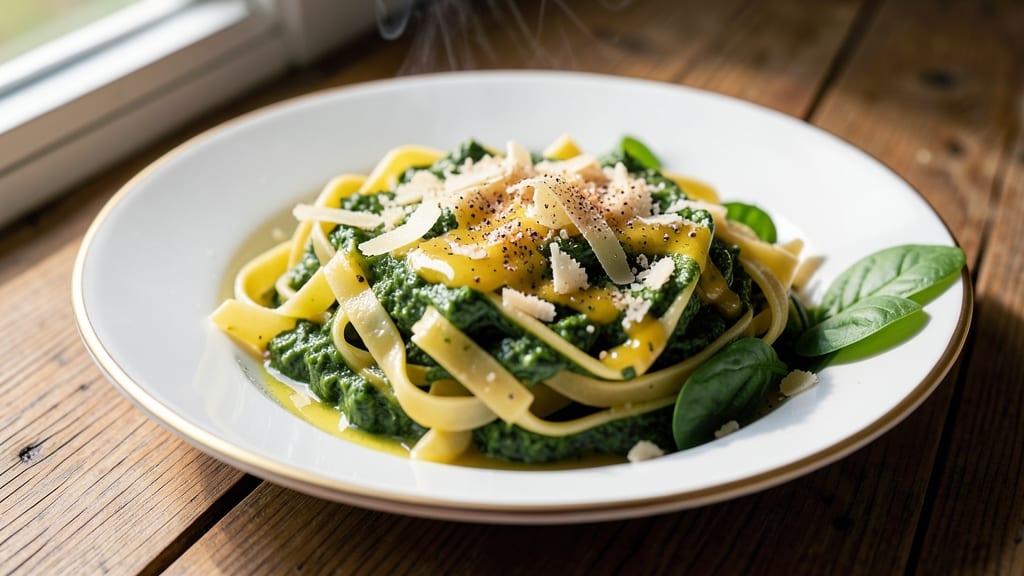
This spinach egg pasta recipe delivers crispy, golden tortellini stuffed with vibrant spinach and silky poached eggs—each bite is a perfect balance of texture and flavor. The secret lies in the dough's delicate crispiness and the eggs' tender centers, achieved through precise cooking techniques that even beginners can master.
What makes this dish truly special is how simple ingredients transform into something restaurant-worthy with just a few key steps.
The process begins with a light, airy dough that wraps around fresh spinach and egg fillings, creating tortellini that develop a beautiful golden crust when fried. Poaching the eggs in a gentle simmer ensures they remain perfectly silky, never overcooked.
The result? A dish that’s elegant yet approachable, with crispy edges that give way to tender pasta and creamy eggs in every bite. This recipe proves that homemade pasta doesn’t require advanced skills—just patience and attention to detail.
For added depth, consider finishing with a drizzle of garlic butter or a sprinkle of lemon zest, which brightens the dish without overpowering the natural flavors. The crispy tortellini pairs beautifully with a light tomato sauce or a simple arugula salad, making it versatile for any meal.
Whether you're serving this as a main course or a showstopping appetizer, the combination of textures and flavors will leave everyone asking for seconds.
One of the best parts of this recipe is its flexibility—swap in ricotta for creamier fillings, add feta for a tangy twist, or even use vegan egg substitutes for a plant-based version.
The technique remains the same, ensuring crispy tortellini and silky eggs every time. With just a few ingredients and straightforward steps, you’ll have a dish that feels indulgent yet effortless to prepare.
Ingredients for spinach egg pasta
Twelve simple ingredients transform into crispy tortellini with silky eggs—restaurant quality at home.
| Ingredient | Amount | Notes |
|---|---|---|
| All-Purpose Flour 🌾 | 2 cups | Plus 2 tbsp for dusting |
| Large Eggs 🥚 | 4 whole | Room temperature preferred |
| Fresh Spinach 🍃 | 4 cups | Chopped, tightly packed |
| Parmesan Cheese 🧀 | ½ cup | Freshly grated, finely |
| Butter 🧈 | ¼ cup | Unsalted, softened |
| Olive Oil 🫒 | ½ cup | Extra-virgin for frying |
| Salt 🧂 | 1 ½ tsp | Fine sea salt preferred |
| Black Pepper 🌶️ | ½ tsp | Freshly ground |
| Vegetable Oil 🫒 | 2 cups | For deep frying |
| Fresh Lemon 🍋 | 1 whole | Zest only, for finishing |
| Garlic Cloves 🧄 | 2 cloves | Minced for butter |
| Fresh Basil Leaves 🌿 | ¼ cup | Chopped, for garnish |
The flour matters here—King Arthur or Caputo make all the difference for that delicate dough. Store-bought pasta flour works in a pinch, but fresh is ideal. For the spinach, baby spinach is easiest to chop, but regular works too—just remove tough stems. The Parmesan should be freshly grated (pre-grated gets clumpy). Butter and olive oil should be room temperature for the dough. If you're short on time, store-bought ricotta works well for the filling, though fresh is richer.
No fresh basil? Dried basil at half the amount keeps the flavor. Swap Parmesan for Pecorino Romano if you prefer. For the eggs, use cold eggs for poaching—they hold their shape better. If you're making extra dough, freeze it between parchment paper for up to 2 weeks. The vegetable oil for frying should be lightly flavored—avoid olive oil here. For a vegan version, replace eggs with aquafaba (3 tbsp per egg) and use vegan butter.
Store the dough between parchment paper in an airtight container for up to 24 hours. The fried tortellini stay crispy for 3-4 hours if kept warm in a 200°F oven. Poached eggs are best served immediately, but you can pre-poach and store in ice water for up to 2 hours. The garlic butter keeps for 3 days in the fridge. For a make-ahead tip, fry the tortellini in advance and reheat in a 350°F oven for 5 minutes.
Why You'll Love This Recipe
- No-Fuss Freshness: I wilt spinach in butter while the dough rests—no chopping, no fuss. That bright green color? It’s all from the raw spinach folded right into the egg paste, so you’re not masking wilted greens with sauce.
- Rich Without Effort: The eggs and Parmesan make this pasta absurdly creamy, but the real magic is how the butter and cheese caramelize just a little when tossed together. Honestly, it’s the kind of flavor that makes you pause mid-bite.
- Lunchbox Hero: Between us, this is my go-to for packed lunches—it reheats like a dream and keeps its shape. Wrap it in foil, and it’s still warm and satisfying hours later. (Yes, even on a Tuesday night.)
- Budget Cheat Code: Flour, eggs, and spinach from the garden? This recipe costs me pennies per serving. The Parmesan stretches further than you’d think, and the egg dough uses up leftovers better than any other trick I know.
Step-by-step instructions for crispy spinach egg pasta
Master these precise techniques for perfectly crispy tortellini and silky poached eggs every time.
Prepare the Spinach Filling
In a large skillet, heat 0.25 cup butter over medium heat until melted. Add the 2 cloves minced garlic cloves and sauté for 30 seconds until fragrant—don't let it brown. Add the 4 cups chopped fresh spinach and cook, stirring constantly, until just wilted and vibrant green (2-3 minutes). This quick cooking preserves the spinach's color and nutrients.
Remove from heat and let cool slightly. In a separate bowl, whisk together 4 whole large eggs, 1.5 tsp salt, and 0.5 tsp black pepper. Add the spinach mixture and 0.5 cup freshly grated parmesan cheese, stirring until fully combined. The filling should be smooth and cohesive—if it's too thick, add 1 tablespoon olive oil to help bind it.
Assemble and Roll the Tortellini
Divide the 2 cups all-purpose flour (plus 2 tbsp for dusting) onto a clean surface and create a well in the center. Pour in 0.5 cup olive oil and mix with a fork until the dough begins to form crumbly clumps. Gradually incorporate the flour from the outside, kneading for 5-7 minutes until smooth and elastic. Wrap in plastic and rest for 30 minutes at room temperature.
Roll the dough into a thin rectangle (1/16-inch thick) using a rolling pin. Cut into 2-inch squares and place a small spoonful of spinach filling in the center of each square. Fold diagonally to form triangles, then pinch the edges tightly to seal. Arrange on a floured surface and cover with a damp towel to prevent drying.
Fry the Tortellini Until Crispy
Heat 2 cups vegetable oil in a deep skillet to 350°F—use a thermometer to ensure accuracy. Fry the tortellini in batches for 2-3 minutes until golden brown and crispy on all sides. Drain on paper towels and keep warm in a 200°F oven while frying the remaining batches. The key to crispiness is maintaining the oil temperature—if it drops below 340°F, the tortellini will absorb oil instead of crisping.
For extra flavor, add 1 tsp finely grated lemon zest to the frying oil before adding the tortellini. This infuses the oil with bright citrus notes that complement the spinach filling. Work quickly to avoid soggy tortellini—frying in small batches ensures even cooking and maximum crispiness.
Poach the Eggs
Bring a pot of water to a gentle simmer and add 1 tablespoon white vinegar (this helps the eggs hold their shape). Crack each egg into a small bowl first to check for shell fragments. Gently slide each egg into the simmering water and cook for 3-4 minutes for runny yolks or 4-5 minutes for firmer yolks. The whites should be set but still slightly translucent at the edges.
Use a slotted spoon to transfer the eggs to a paper towel-lined plate. The eggs should be silky and jiggly in the center—this is your cue for perfect doneness. If the whites release too easily, they're overcooked; if they wobble excessively, they need another minute. Timing is critical for that ideal creamy-yolk texture.
Assemble and Finish
Toss the crispy tortellini with 0.25 cup chopped fresh basil leaves and a pinch of salt. Plate the tortellini and nestle a poached egg on top of each serving. Drizzle with additional olive oil and finish with extra lemon zest and black pepper. The contrast of crispy tortellini with silky eggs creates the perfect bite—each forkful delivers texture and flavor in perfect harmony.
Serve immediately while the tortellini is still crispy and the eggs are warm. The lemon zest brightens the dish, cutting through the richness of the eggs and cheese. For an extra touch, sprinkle with additional parmesan cheese just before serving—this adds a final salty crunch that ties everything together.
Pro Tips For Making Spinach Egg Pasta
- WILT SPINACH COLD: I used to toss raw spinach into the hot pan and watch it turn to sludge. Instead, shock the leaves in ice water for 30 seconds first—this breaks down the fibers so they melt into the pasta instead of turning it into a mushy green blanket. Drain thoroughly afterward, or you’ll end up with a soup.
- REST THE DOUGH: Skip this, and your pasta will be tough as boot leather. Mix the flour, eggs, and a pinch of salt, then let the dough sit covered for at least 30 minutes before rolling. The gluten relaxes, and the texture becomes tender—no more chewy disappointment. (Yes, even if you’re impatient like me.)
- SALT THE PASTA WATER: The butter and Parmesan already pack salt, but your pasta water needs a full tablespoon per quart—no excuses. Under-salted water means bland noodles, and no amount of cheese can fix that. Taste it; it should sting your tongue like the ocean.
- USE ROOM-TEMP EGG: Cold eggs from the fridge will make your dough fight you. Let them sit in warm water for 5 minutes first—they’ll blend smoother and create a lighter, more cohesive pasta. Trust me, your future self will notice the difference when the strands hold together instead of crumbling.
Common mistakes when making great spinach egg pasta
Overcooking Spinach
Spinach wilts and loses its vibrant green color when overcooked—this happens if you sauté it for more than 2-3 minutes or at too high heat. I’ve ruined countless fillings by letting the spinach turn mushy and dull.
To prevent this, use medium heat and stir constantly until just wilted. The filling should remain bright and slightly crisp, not limp. 🌿
Under-Mixing the Dough
Skipping the 30-minute rest or not kneading the dough thoroughly leads to tough, chewy tortellini instead of tender, crispy ones. I once made this mistake and ended up with pasta that felt like eating a rubber band.
Knead until the dough is smooth and elastic—it should spring back when pressed. Wrap it tightly in plastic and let it rest; this step relaxes the gluten for perfect texture.
Poaching Eggs Too Long
Overcooked poached eggs turn rubbery and gray around the edges, ruining the dish’s delicate balance. I learned this the hard way when my first attempt left me with eggs that looked like they’d been boiled.
Cook eggs for only 3-4 minutes in gently simmering water (never boiling) for runny yolks. Use a slotted spoon to remove them immediately—they’ll continue cooking slightly from residual heat.
Frying Oil Too Cool
If your oil drops below 340°F, the tortellini will absorb oil instead of crisping up. I once fried a batch in oil that was only 320°F, and the result was soggy, greasy pasta.
Invest in a thermometer—it’s worth every penny. Fry in small batches to maintain temperature, and avoid overcrowding the pan. Work quickly to keep the tortellini golden and crisp.
Skipping the Lemon Zest
While not a mistake, omitting the lemon zest in the frying oil or as a finishing touch dulls the dish’s brightness. I used to skip this step until I tasted the difference—it adds a subtle citrus note that cuts through the richness of the eggs and cheese.
Add 1 tsp zest to the frying oil or sprinkle it over the finished dish for that restaurant-quality finish. 🍋
Not Sealing the Tortellini Tightly
Poorly sealed tortellini leak filling during frying, leaving you with messy, unevenly shaped pasta. I’ve had fillings ooze out when I didn’t pinch the edges tightly enough. After folding the dough into triangles, press the edges firmly with your fingers to create a tight seal.
This ensures the filling stays contained and the tortellini fries evenly.
Nutrition facts
Frequently asked questions
Can I make this recipe without eggs?
For a vegan version, replace the eggs with 3 tablespoons aquafaba (chickpea brine) per egg in the filling, and use flax eggs (1 tablespoon ground flaxseed + 3 tablespoons water per egg) in the dough. The texture will be slightly different but still delicious.
How do I store leftover tortellini?
Keep fried tortellini in an airtight container at room temperature for up to 4 hours to maintain crispiness. For longer storage, refrigerate for 2 days or freeze for 1 month. Reheat in a 350°F oven for 5 minutes to restore crispiness. Poached eggs don't reheat well, so make them fresh when serving.
What's the best way to reheat poached eggs?
Poached eggs are best served fresh, but if reheating is necessary, place them in a dry skillet over low heat for 10-15 seconds per side to warm through without overcooking. Alternatively, microwave for 5 seconds on high power—just be quick! The texture won't be as perfect as fresh, but it's better than cold eggs.
Can I use store-bought pasta dough?
Yes, but the homemade dough gives the best texture. If using store-bought, look for fresh pasta sheets (not dried) and cut into 2-inch squares. The crispiness won't be identical, but it's a great shortcut. For extra flavor, brush the cut sides with olive oil before sealing with filling.
What other fillings work well in these tortellini?
This recipe works beautifully with ricotta cheese (for creaminess), feta (for tang), or mushrooms and herbs (for earthiness). For a meat option, try finely chopped prosciutto or ground chicken. Keep fillings moist but not watery to prevent leaks during frying.