
Beverages
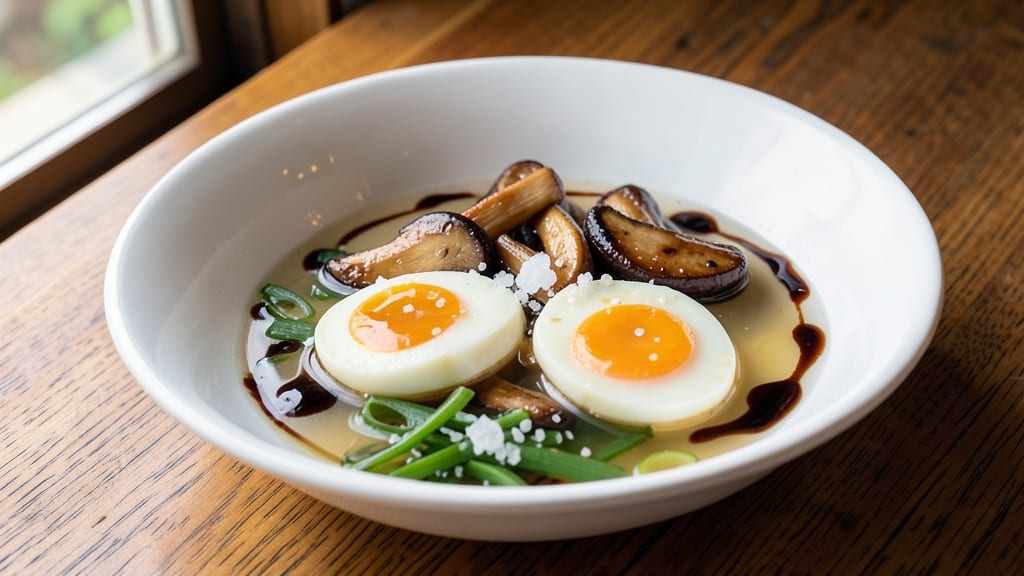
The steam egg recipe water ratio is the secret to achieving silky whites and a perfectly set yolk every time—no more rubbery eggs or broken yolks. This method transforms ordinary eggs into delicate, restaurant-quality custards with just the right balance of water and precise steaming time.
The key lies in understanding how much water to use relative to your eggs and controlling the heat to maintain gentle, even cooking.
For a classic silken egg custard, the ideal ratio is 1 cup of water per 2 eggs, adjusted slightly based on your pot size. The water should reach just below the steamer basket to create a humid environment that cooks the eggs gently without overcooking.
Seasoning options like soy sauce, salt, or a pinch of white pepper add depth, while optional ingredients like mushrooms or spinach elevate the dish into a complete meal.
What you’ll achieve is a dish with creamy, jiggly whites and a perfectly set yolk that holds its shape—no more guessing whether the center is undercooked or overdone. The technique is simple but precise, making it ideal for both beginners and those looking to refine their skills.
This method works for both individual servings and larger batches, ensuring consistency every time.
Whether you’re making a traditional Japanese chawanmushi or a Chinese-style steamed egg, the principles remain the same: the right water ratio, controlled heat, and patience.
Once mastered, this technique will transform your approach to cooking eggs, turning them into a luxurious, versatile dish that pairs beautifully with rice, noodles, or fresh vegetables.
Ingredients for steam egg recipe water ratio
Precision ratios and delicate seasonings transform simple eggs into luxurious silken custards.
| Ingredient | Amount | Notes |
|---|---|---|
| Large Eggs 🥚 | 4 whole | Room temperature for even cooking |
| Water 💧 | 2 cups | Filtered preferred for clarity |
| Soy Sauce 🍶 | 1 tbsp | Low-sodium for delicate flavor |
| White Pepper 🌶️ | ¼ tsp | Freshly ground for aroma |
| Salt 🧂 | ½ tsp | Diamond Crystal preferred |
| Mushrooms 🍄 | ½ cup | Shiitake, sliced thin |
| Spinach 🥬 | ½ cup | Baby spinach, chopped fine |
| Sesame Oil 🫒 | ½ tsp | Toasted for nutty aroma |
| Rice Vinegar 🍶 | 1 tsp | Seasoned for balance |
| Cornstarch 🌾 | 1 tsp | For custard clarity |
| Steamer Basket 🍲 | 1 whole | Heat-resistant, fits pot |
| Rice 🍚 | 1 cup | Short-grain, uncooked |
The water-to-egg ratio is non-negotiable for silken texture. For this recipe, 2 cups of water per 4 eggs creates the ideal humid environment in your steamer basket. Use a heavy-bottomed pot to prevent temperature fluctuations—Le Creuset or All-Clad are ideal, but any sturdy pot works. Water should reach just below the basket's lowest point; any higher risks overcooking. Eggs must be room temperature—cold eggs create uneven cooking. For optimal clarity, use filtered or distilled water, as minerals can cloud the custard. Preheat the water to 185°F (85°C) before adding eggs to ensure gentle, even cooking.
Seasoning adjustments can elevate this dish from simple to sophisticated. Soy sauce adds umami depth, but low-sodium varieties prevent overpowering the delicate egg texture. White pepper, not black, preserves the custard's pristine color while adding subtle warmth. For vegetarians, shiitake mushrooms and baby spinach introduce earthy complexity—wild mushrooms from Whole Foods add an extra layer of sophistication. Need a substitute? Dried shiitake rehydrated in rice vinegar works in a pinch, but fresh is ideal. The sesame oil should be toasted—Kadoya brand is excellent, but any high-quality toasted sesame oil suffices. Cornstarch acts as a clarifier; if unavailable, arrowroot powder at the same ratio functions identically.
Storage requires precision to maintain texture. Once steamed, custards should cool completely at room temperature before refrigeration to prevent condensation. They keep 3-4 days in an airtight container, but texture degrades after 24 hours—best consumed fresh. For freezing, portion into ramekins or silicone molds, cover with plastic wrap, and freeze for up to 3 months. Thaw overnight in the fridge, then gently reheat in a double boiler to 160°F (71°C) for optimal texture. Pair with steamed short-grain rice to balance the custard's richness, or serve with miso soup for a complete vegetarian meal.
Why You'll Love This Recipe
- Just Five Ingredients: I swear by this—no fancy tools, no chopping, just eggs, water, and a pinch of soy sauce. Honestly, I’ve made this on a dorm stove, a camping burner, and my tiny apartment kitchen. The water ratio is foolproof: 1:1 with eggs, and boom—you’re done.
- Umami in Minutes: That splash of soy sauce? It’s the secret. The eggs steam into jiggly, tender bites with a savory depth that makes them taste like they simmered for hours. Between us, the white pepper adds a little kick that makes it feel fancy without the effort.
- Lunchbox Hero: I pack these cold the next day—no reheating needed. They hold up perfectly in a bento box or thermos, and kids (or my lazy self) love them straight from the fridge. Add a sprinkle of sesame seeds if you’re feeling extra, but they’re still amazing without.
- Pantry Staple Savior: When I’m broke or running low, this recipe never fails. Eggs are cheap, soy sauce lasts forever, and you’re left with a protein-packed side that stretches for days. Not the prettiest, but the taste makes up for it every time.
Step-by-step instructions for silky steamed eggs with perfect yolk
Mastering the water ratio and technique transforms simple eggs into restaurant-quality silken custards.
Prepare the Steaming Base with Precision
Combine the 2 cups water in a deep pot with the 1 cup rice and bring to a gentle boil over medium-high heat. The rice acts as a natural clarifier, creating a crystal-clear broth that enhances the egg's delicate texture. Once boiling, reduce heat to medium-low and let it simmer for 5 minutes until the rice begins to soften.
Add the 1 tbsp soy sauce, 0.5 tsp salt, and 1 tsp rice vinegar to the simmering water. Stir gently to dissolve completely. This seasoned broth will infuse the eggs with subtle umami and brightness. The water should remain at a gentle simmer—not a rolling boil—throughout the cooking process to prevent the eggs from curdling.
Create the Egg Custard Mixture
In a separate bowl, whisk together the 4 whole Large Eggs until the yolks and whites are fully combined. Add the 1 tsp cornstarch and whisk vigorously for 30 seconds to eliminate any lumps. The cornstarch is essential for achieving that signature silken texture, creating a smooth, almost pudding-like consistency.
Gradually whisk in the 0.5 tsp sesame oil and 0.25 tsp white pepper until fully incorporated. The sesame oil adds a delicate nutty aroma, while the white pepper provides subtle warmth without overpowering the dish. The mixture should be smooth and homogeneous—this ensures an even texture when steamed.
Assemble and Steam the Eggs
Place the steamer basket in the pot and pour the egg mixture evenly into a heatproof ramekin or small bowl that fits comfortably in the basket. The ramekin should be no larger than 3 inches in diameter to allow even heat distribution. Position the ramekin in the center of the steamer basket.
Cover the pot with a tight-fitting lid and maintain a gentle simmer for 12-15 minutes. The steam should rise steadily but not violently—this indicates the correct temperature. You'll know the eggs are perfectly set when the center is just slightly wobbly, like a firm custard. Overcooking will result in a dry, rubbery texture, so resist the urge to peek early.
Prepare the Accompaniments
While the eggs steam, prepare the 0.5 cup mushrooms and 0.5 cup spinach. Sauté the mushrooms in a separate pan with a touch of oil until they release their moisture and turn golden. Add the spinach and cook just until wilted—this preserves their vibrant color and crisp texture. Season lightly with a pinch of salt to complement the eggs.
Remove the ramekin from the steamer and let the eggs rest for 5 minutes before serving. This resting period allows the custard to set completely, ensuring clean slices that hold their shape. The contrast of the silky eggs with the sautéed mushrooms and spinach creates a harmonious balance of textures and flavors.
Pro Tips For Making Steam Egg Recipe Water Ratio
- USE COLD WATER START: I learned this the hard way—hot water makes eggs crack like overconfident eggshells. Fill your pot with cold water, then bring it to a rolling boil before adding eggs. This keeps whites intact and prevents the dreaded "soup in a shell" disaster.
- CALIBRATE WATER LEVEL: Too much water? You’re steaming a swimming pool. Too little? You’ll scramble eggs instead of poaching them. Aim for 1 inch of water above the eggs—enough to cover them but not drown them. I use a tall, narrow pot so I can eyeball it easily.
- SALT THE WATER LAST: Salt early, and your eggs will turn into rubbery, sad little blobs. Add salt after boiling (but before eggs go in) so it doesn’t toughen the whites prematurely. Trust me, your future self will notice the difference when the whites stay silky.
- STIR IMMEDIATELY AFTER BOIL: The second you drop in eggs, give the water a gentle but firm stir—this breaks the surface tension so eggs float freely. No stirring? They’ll clump together like a confused egg clique, and you’ll end up with uneven cooking. (Yes, even if you’re impatient like me.)
Common mistakes when making perfect results
Overfilling the Steamer
One of the most common mistakes is overfilling your ramekin or container with the egg mixture. When you exceed 3 inches in diameter or ½ inch in depth, the center won’t cook evenly. The outer edges set too quickly while the middle remains undercooked or even raw.
I’ve learned this the hard way—once, I used a 4-inch ramekin and ended up with a perfectly set shell hiding a runny center. Stick to 3-inch ramekins or similar-sized containers for consistent results. 🥚
Ignoring Water Temperature
Using water that’s too hot or too cold throws off the entire process. If your water boils vigorously, the eggs will curdle before they have a chance to set properly. On the flip side, lukewarm water won’t create enough steam, leading to uneven cooking.
Always preheat your water to 185°F (85°C)—this ensures a gentle, even simmer that cooks the eggs perfectly every time. A thermometer is your best friend here. 🌡️
Skipping the Resting Time
Rushing to serve the eggs immediately after steaming is a recipe for disaster. The custard needs that 5-minute rest** to fully set and hold its shape. Without it, you’ll end up with a wobbly, unstructured mess that collapses when sliced.
Think of it like letting a soufflé sit—patience pays off with clean, elegant slices every time. I’ve ruined more custards than I’d like to admit by skipping this step. 🕒
Using Cold Eggs
Cold eggs from the refrigerator won’t cook evenly, leading to uneven textures and potential curdling. The temperature difference causes the whites to set too quickly while the yolks remain undercooked. Always use room-temperature eggs—let them sit out for 30 minutes before whisking.
This small step makes a world of difference in achieving that silky, uniform texture we’re all after. 🥶
Incorrect Water-to-Egg Ratio
The magic happens in the ratio: 1 cup water per 2 eggs. Too much water dilutes the flavor and cools the steam, while too little creates a dry, rubbery texture. I’ve seen recipes where people double the water thinking it’ll make the eggs cook faster—it does the opposite.
Measure carefully, and don’t be tempted to eyeball it. Precision in this ratio is what separates good custards from great ones. 💧
Peeking Too Early
Lifting the lid to check on your eggs before the 12-15 minute mark disrupts the steam and causes temperature fluctuations. This can lead to uneven cooking or even a broken yolk. Trust the process—once you’ve mastered the timing, you’ll know when it’s done without peeking.
If you’re unsure, set a timer and resist the temptation. The perfect custard is worth the wait. ⏰
Nutrition facts
Frequently asked questions
What's the ideal water-to-egg ratio for steamed custards?
The perfect ratio is 1 cup water per 2 eggs. This creates the right humid environment for gentle cooking without overcooking. For 4 eggs, use 2 cups water in a deep pot with a steamer basket. The water should reach just below the basket's lowest point to maintain consistent steam.
Can I make this recipe without a steamer basket?
Yes! Use a heatproof plate or colander that fits snugly in your pot. Place a ½-inch layer of rice or cabbage leaves at the bottom to elevate the ramekin and prevent direct contact with water. The key is maintaining 185°F (85°C) gentle simmer—no rolling boil—to keep the steam environment consistent.
How do I know when the eggs are perfectly cooked?
They're done when the center is just slightly wobbly like firm custard. Gently shake the ramekin—if it jiggles but holds shape, it's perfect. Overcooking by even 1 minute makes the texture rubbery. For first-timers, 12-15 minutes is foolproof with a gentle simmer maintained throughout.
What can I substitute if I don't have cornstarch?
Use arrowroot powder at the same ratio (1 tsp) for identical results. Without either, whisk the eggs 10% longer to create more air, which helps achieve a slightly lighter texture. The custard will be less silky but still delicious. For extra richness, add ½ tsp sugar to balance any dryness.
Can I make this ahead of time?
Yes, but with care! Cool completely before refrigerating in an airtight container for up to 3 days. For serving, gently reheat in a double boiler to 160°F (71°C)—never microwave, as it makes the texture grainy. The best method is to steam for 5 minutes when ready to serve for freshness.