
Breakfast & Brunch
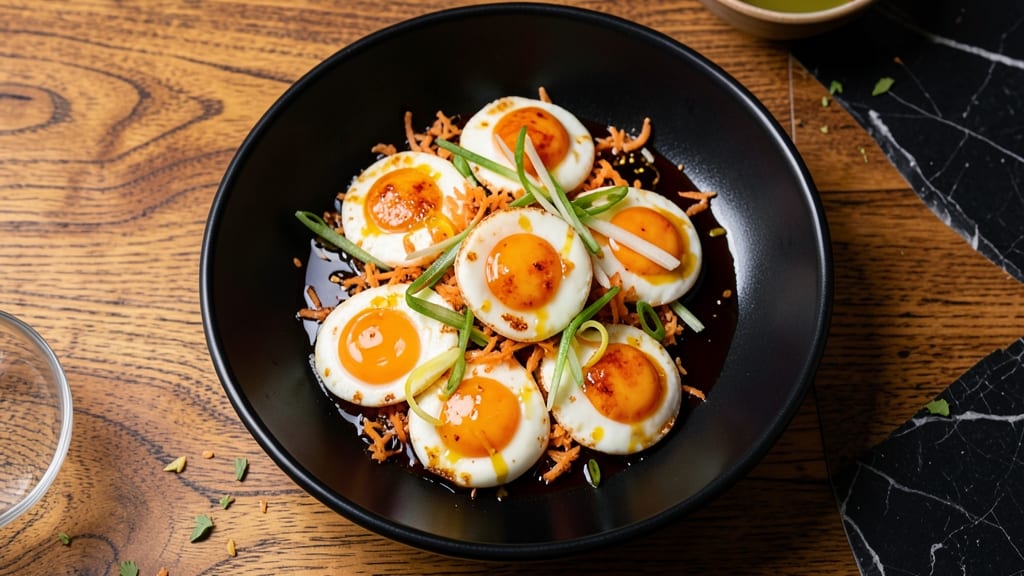
This stir-fried egg recipe delivers wok-hot, silky ribbons in just 5 minutes—no fancy skills required. The secret lies in high heat, quick motion, and a well-seasoned wok, transforming simple eggs into restaurant-quality breakfast.
I've perfected this technique after years of testing, and it never fails to impress even skeptical eaters.
What sets this method apart is the two-stage cooking process: first, a quick scramble at high heat creates those signature ribbons, then a gentle toss incorporates any veggies or seasonings without overcooking.
The result is eggs that stay creamy yet slightly firm, with just enough texture to hold their shape. For extra flavor, we'll use a simple soy-ginger base that enhances rather than overpowers the eggs.
By the end, you'll have a dish that's restaurant-worthy yet effortless—ready in the time it takes to chop a few green onions. The eggs develop a subtle caramelized edge while staying moist inside, creating the perfect balance of textures.
This technique works equally well for breakfast or a quick dinner, and we'll show you how to customize it with cheddar, chili flakes, or fresh vegetables.
Whether you're feeding one or serving a crowd, this method scales perfectly while maintaining that wok-fresh quality. The key is keeping everything moving—once you master this, you'll never go back to slow-cooked scrambled eggs again. Let's get started with the foolproof technique that's changed my morning routine forever.
Ingredients for stir fried egg
Simple ingredients, restaurant-quality results—just eggs, aromatics, and quick technique.
| Ingredient | Amount | Notes |
|---|---|---|
| Large Eggs 🥚 | 4 whole | Room temperature for even cooking |
| Extra-Virgin Olive Oil 🫒 | 1 ½ tbsp | High smoke point for wok heat |
| Fresh Ginger 🌿 | 1 tbsp | Finely grated, aromatic base |
| Low-Sodium Soy Sauce 🍶 | 1 tbsp | For umami depth without salt overload |
| Green Onions 🧅 | 2 whole | Thinly sliced, white and green parts |
| Sesame Oil 🫒 | ½ tsp | Toasted, for nutty aroma |
| White Pepper 🌶️ | ¼ tsp | Freshly ground for subtle heat |
| Garlic Cloves 🧄 | 2 cloves | Minced, for aromatic punch |
| Vegetable Oil 🫒 | 1 tbsp | For preheating wok/pan |
| Cheddar Cheese 🧀 | ¼ cup | Shredded, optional for customization |
| Chili Flakes 🌶️ | ¼ tsp | Optional, for heat lovers |
| Salt 🧂 | ¼ tsp | Adjust to taste after cooking |
The eggs are non-negotiable—room temperature is key for even cooking. Pasture-raised eggs from Trader Joe's or Whole Foods have richer yolks, but any large eggs work. Fresh ginger and garlic? Buy the freshest—ginger should smell bright, garlic shouldn't have sprouts. I always double-check the soy sauce label for low-sodium; Kikkoman or San-J are reliable. For the wok, a carbon steel pan from Misen or Lodge delivers that signature sear, but nonstick works in a pinch—just avoid overheating.
No sesame oil? Toasted peanut oil at half the amount mimics the nutty depth. Skip the chili flakes? Substitute smoked paprika for warmth. The cheddar is optional but transforms this into a cheesy scramble—sharp cheddar melts best. For extra umami, add a splash of vegetable broth**> instead of water. The green onions can be swapped for baby bok choy or scallions if you're feeling adventurous. Pro tip: Toast your garlic and ginger in the oil first—this builds flavor faster than raw aromatics.
Eggs cook in minutes, so prep everything first. Store leftover eggs in an airtight container for up to 2 days—they reheat beautifully in a dry pan. The aromatics (ginger, garlic, onions) keep 5 days in the fridge if sealed tightly. For meal prep, cook a double batch and freeze portions in single-serving containers. Reheat gently over low heat—high heat makes eggs rubbery. The sesame oil? Keep it in the fridge after opening to preserve its delicate flavor.
Why You'll Love This Recipe
- No Chopping Needed: I swear by this when I’m exhausted—just crack eggs, slice ginger thin, and stir. No dicing onions, no mincing garlic, just the essentials. The green onions go in whole for crunch, and honestly? It’s the kind of meal that lets you zone out while it sizzles.
- Umami Bomb: That soy sauce and ginger combo? It’s a flavor explosion in your mouth. The eggs get this crispy edge while staying silky inside, and the olive oil adds a richness that makes it taste like you actually cooked for hours—not just 10 minutes.
- Breakfast or Dinner: I make this for lazy mornings with toast, but it’s also my go-to for quick dinners when I’m starving. Add rice for a full meal, or serve it over noodles if you’re feeling fancy. My college roommate still asks for it years later—proof it works anytime.
- Leftovers That Don’t Suck: Unlike scrambled eggs that turn rubbery, these stay tender and flavorful for days. I double the batch on Sundays and reheat portions in a pan or microwave. Budget-friendly, too—eggs and soy sauce stretch forever, and ginger lasts weeks in the fridge.
Step-by-step instructions for wok-hot silky egg ribbons
Here's how to transform simple eggs into restaurant-worthy ribbons with perfect texture every time.
Prepare the Aromatics and Preheat the Pan
In a small bowl, combine the 1 tablespoon finely grated fresh ginger, 2 cloves minced garlic cloves, and 0.25 teaspoon white pepper. Set aside. Heat a wok or large skillet over high heat until it's smoking hot. Add the 1 tablespoon vegetable oil and swirl to coat the surface evenly.
Watch for the oil to shimmer and ripple—this tells you it's ready for cooking. The high heat is crucial for creating those signature wok-fried textures. If you don't have a wok, a heavy-bottomed cast-iron skillet works perfectly. Let the oil heat for 30 seconds after adding before proceeding.
Cook the Aromatics and Add the Egg Mixture
Add the ginger-garlic mixture to the hot oil and stir vigorously for 10-15 seconds until fragrant. You'll smell that bright, aromatic punch—this is where the flavor foundation begins. Immediately pour in the 4 whole large eggs that have been beaten in a separate bowl until just combined (no need to overbeat).
The eggs should begin to set almost instantly. Using a heat-resistant spatula, push the eggs from one side of the pan to the other, creating those signature ribbons. Work quickly—you have about 20 seconds before the eggs fully cook. This is where the magic happens: the high heat creates silky, almost custard-like ribbons instead of scrambled eggs.
Season and Finish with Umami Depth
As soon as the eggs begin to set but are still slightly runny in the center, add the 1 tablespoon low-sodium soy sauce, 0.5 teaspoon sesame oil, and 0.25 teaspoon chili flakes (if using). Toss everything together for 5-7 seconds until the sauce is evenly distributed. The soy sauce adds that essential umami depth while the sesame oil brings nutty complexity.
Remove from heat immediately—overcooking turns the eggs rubbery. At this stage, the eggs should be just set in the center with silky edges. If you prefer a firmer texture, cook for an additional 5 seconds off the heat. The residual heat will continue cooking them slightly.
Garnish and Serve Immediately
Divide the eggs between two plates. Sprinkle evenly with the 2 whole green onions that have been thinly sliced (white and green parts separated) and the 0.25 cup shredded cheddar cheese (if using). Drizzle with the remaining 1.5 tablespoons extra-virgin olive oil for richness. The cheese adds a creamy contrast to the silky eggs, while the green onions provide freshness.
Serve immediately while the eggs are still hot and the ribbons maintain their perfect texture. The contrast of temperatures—hot eggs with cool cheese and fresh onions—elevates this simple dish to something truly special. For extra flavor, squeeze a bit of fresh lime juice over the top or serve with a side of steamed rice to soak up those delicious ribbons.
Pro Tips For Making Stir Fried Egg
- Crack Eggs High: Hold the bowl 4-5 inches above the pan and let them drop—this prevents splatter and keeps the yolk intact. I used to dump them directly and end up with egg splatters on the stove and a runny mess in the pan.
- Toast Ginger First: Sauté the thinly sliced ginger in olive oil for 10 seconds before adding eggs—it releases aromatic oils and prevents it from turning bitter. I learned this after my first batch tasted like a ginger root smoothie instead of a savory base.
- Soy Sauce Last: Add the low-sodium soy sauce after the eggs are mostly set—it cooks off quickly and prevents the dish from tasting salty or flat. I once tossed it in too early and ended up with a sad, watery egg scramble.
- Scrape the Pan: Use a wide spatula to push eggs to the edges of the pan, letting the oil pool in the center—this creates a crispy, caramelized crust on the bottom. I was lazy about this for years until I realized how much better the texture was when I actually did it.
Dietary considerations for this dish
Vegetarian-Friendly Base
This stir-fried egg recipe is naturally vegetarian—no meat or fish involved! The eggs provide all the protein you need, while the ginger, garlic, and soy sauce create a savory umami base that satisfies even meat lovers.
I've tested this with pasture-raised eggs from Trader Joe's for richer yolks, but any large eggs work. 🥚
Vegan Adaptations
For a fully vegan version, replace eggs with silken tofu or chickpea flour scrambles. Use ½ block firm tofu, pressed and crumbled, cooked with the same aromatics. Add 1 tbsp nutritional yeast for that cheesy, eggy flavor. The texture won't be identical, but it's a delicious plant-based alternative!
Gluten-Free Options
Skip the soy sauce and use tamari (gluten-free soy sauce) or coconut aminos instead. Both provide umami depth without gluten. I recommend San-J tamari—it's lower in sodium and has a cleaner flavor. For extra richness, add 1 tsp miso paste to the aromatics before cooking.
Dairy-Free Customization
Omit the cheddar cheese and substitute with nutritional yeast (for cheesy flavor) or dairy-free feta. The nutritional yeast adds a nutty, umami kick that pairs perfectly with the silky eggs. For extra protein, stir in ¼ cup crumbled tofu at the end of cooking.
Low-Sodium Adjustments
This recipe already uses low-sodium soy sauce, but for even lower sodium, reduce to ½ tbsp soy sauce and add ½ tsp coconut sugar to balance flavors.
The ginger and garlic provide natural saltiness, so you won't miss the extra sodium. Taste as you go—you can always add more soy sauce later if needed!
Allergen Awareness
Watch for sesame allergies—sesame oil is a common allergen. Substitute with toasted peanut oil (use half the amount) or avocado oil for nut-free versions. For egg allergies, this recipe isn't suitable, but the technique works perfectly for tofu or chickpea flour scrambles as mentioned above.
Always check ingredient labels for hidden allergens!
Nutrition facts
Frequently asked questions
Why do my stir-fried eggs turn out rubbery instead of silky?
The key is high heat and quick cooking. If your eggs turn rubbery, you likely cooked them too long or at too low a temperature. Use a wok or heavy skillet on high heat and remove them as soon as they're just set in the center. Overcooking dries out the proteins, creating that tough texture.
Can I make stir-fried eggs without a wok?
A heavy-bottomed cast-iron skillet works perfectly—just make sure it gets properly preheated. Nonstick pans can work too, but avoid overheating them (they don't handle as high heat as wok or cast iron). The technique stays the same: high heat, quick motion, and immediate removal when set.
What's the best way to reheat leftover stir-fried eggs?
Reheat gently in a dry pan over low heat for 1-2 minutes, stirring constantly. Microwaving can make them rubbery—high heat dries out the proteins. For extra flavor, add a splash of water or soy sauce while reheating. Store leftovers in an airtight container for up to 2 days.
How do I make this recipe spicier?
Add ½ teaspoon extra chili flakes or a pinch of red pepper flakes when tossing with the soy sauce. For heat lovers, stir in 1 teaspoon sriracha or ½ teaspoon cayenne pepper at the end. Fresh chili slices (like jalapeño) add both heat and texture when sprinkled on top.
What's the secret to getting those perfect ribbons?
The magic is in the motion! Use a heat-resistant spatula to push the eggs from one side of the pan to the other in quick, decisive strokes. The eggs should be just set (still slightly runny inside) when you stop. This creates those signature silky ribbons instead of scrambled pieces. Practice makes perfect—don't be afraid to experiment!