
Breakfast & Brunch
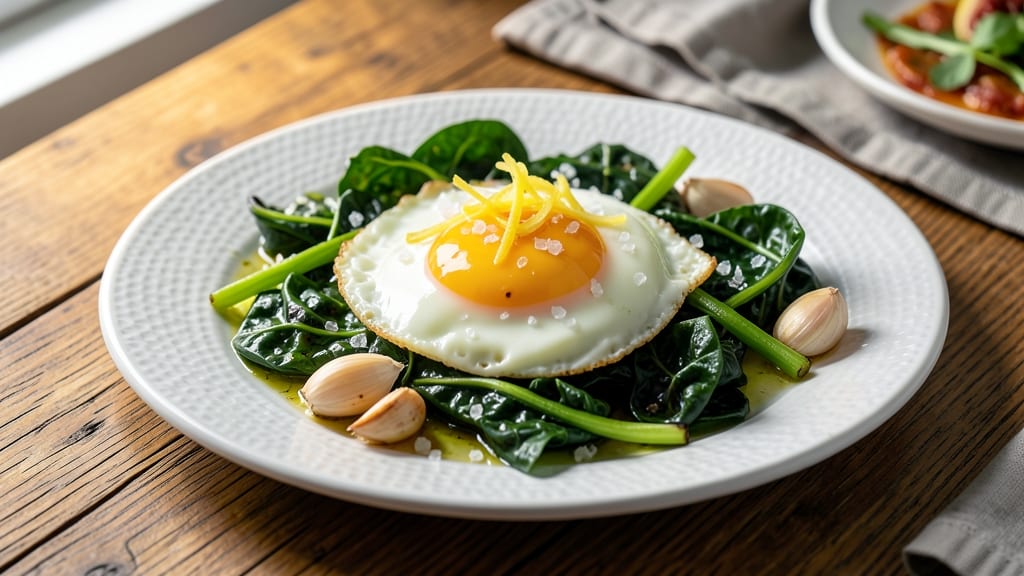
This Swiss chard and egg recipe transforms humble greens into a fluffy, protein-packed breakfast that’s as nutritious as it is satisfying. 💛 The secret lies in wilted Swiss chard—its earthy depth balanced by bright lemon, crisp garlic, and rich eggs—creating a dish that’s vibrant, hearty, and ready in 20 minutes.
I developed this after realizing how often Swiss chard gets overlooked in breakfast routines, and it’s now a staple in my morning rotation.
The magic happens when you sauté Swiss chard until tender-crisp, then fold it into scrambled eggs for a silky texture that absorbs every flavor. A splash of lemon juice brightens the dish, while garlic and olive oil add savory warmth.
This isn’t just a side—it’s a complete meal with protein, fiber, and healthy fats, all in one plate. The result? A dish that’s elegant enough for brunch but simple enough for a quick weeknight breakfast.
What you’ll end up with is a golden, fluffy scramble speckled with vibrant green chard, topped with a crispy fried egg if you’re feeling indulgent. The flavors are balanced—earthy chard meets creamy eggs, with a tangy kick that keeps every bite interesting.
Serve it with toasted sourdough or a sprinkle of feta for extra richness. This recipe proves breakfast can be both nutritious and delicious without compromise.
Whether you’re meal prepping for the week or whipping up a last-minute breakfast, this dish delivers. The Swiss chard softens just enough to blend seamlessly with the eggs, while the lemon and garlic ensure it never tastes like a side dish. Ready to elevate your mornings? Let’s get started.
Ingredients for swiss chard egg
Earthy Swiss chard meets fluffy eggs—just these 12 ingredients transform breakfast into a nutrient-packed masterpiece.
| Ingredient | Amount | Notes |
|---|---|---|
| Swiss Chard 🌿 | 10 oz | Stems removed, roughly chopped |
| Large Eggs 🥚 | 6 whole | Freshly beaten for fluffiness |
| Extra-Virgin Olive Oil 🫒 | 2 tbsp | High-quality, fruity variety |
| Garlic Cloves 🧄 | 3 cloves | Minced, fresh preferred |
| Lemon Juice 🍋 | 1 tbsp | Freshly squeezed |
| Diamond Crystal Kosher Salt 🧂 | ½ tsp | For seasoning |
| Freshly Ground Black Pepper 🌶️ | ¼ tsp | For added depth |
| Unsalted Butter 🧈 | 1 tbsp | For richness |
| Crispy Fried Eggs 🍳 | 4 whole | Optional garnish |
| Toasted Sourdough Bread 🍞 | 4 slices | For serving |
| Crumbled Feta Cheese 🧀 | ¼ cup | Optional for extra richness |
| Red Pepper Flakes 🌶️ | ⅛ tsp | Optional for heat |
Swiss chard is the star here, so pick the freshest bunch—look for vibrant green leaves with crisp stems. Whole Foods or local farmers markets have the best quality, but any grocery store’s produce section works if the leaves are firm and bright. The stems add earthy depth, so don’t toss them! For extra flavor, rinse the leaves well and pat dry before chopping. If you’re short on time, frozen chopped Swiss chard works too—just thaw and drain it well. The eggs should be at room temperature for the fluffiest scramble, so take them out of the fridge 10 minutes before cooking.
No fresh garlic? Garlic powder at half the amount works in a pinch, but fresh is ideal for that bright punch. Running low on lemon juice? Lime juice or apple cider vinegar adds tanginess too. The butter matters here—unsalted is key so you control the saltiness. If you’re avoiding dairy, olive oil or vegan butter keeps the richness. For the optional garnishes, feta adds saltiness while red pepper flakes bring heat—skip both if you prefer a cleaner flavor. The crispy fried eggs? Use high heat and cold butter for that perfect golden crust.
This dish reheats beautifully—just warm gently in a skillet with a splash of water to keep it moist. Store leftovers in an airtight container for up to 3 days in the fridge. For meal prep, portion the scrambled chard mixture into containers and fry the eggs fresh when ready to eat. The Swiss chard keeps its vibrant color best when stored in a sealed container with a paper towel to absorb moisture. If you make extra, freeze portions for up to 3 months—just thaw and reheat gently.
Why You'll Love This Recipe
- I’ll be real: Swiss chard is one of those greens that’s cheap but often goes to waste. This recipe turns it into something so good, I don’t mind buying it in bulk. Plus, eggs and olive oil are staples—no extra shopping needed. It’s the kind of dish that makes my grocery budget breathe a little easier.
- Five-Ingredient Magic: I swear by this recipe when I’m staring at a fridge full of wilting chard and a carton of eggs. No fancy techniques—just chop the stems (roughly, no one’s judging), wilt the leaves in olive oil, crack eggs right into the pan, and let the garlic and lemon work their charm. It’s the kind of dish that makes me feel like I’ve actually cooked something.
- Garlic-Lemon Crunch: Between us, the moment the eggs set with that crispy edge and the chard’s salty stems soften into something tender is chef’s kiss. A squeeze of lemon brightens the whole thing, cutting through the richness of the eggs while the garlic adds this warm, punchy depth. It’s the kind of flavor that makes you reach for seconds without thinking.
- Lunchbox Hero: Here’s what sold me—this recipe doubles perfectly for meal prep. Pack the eggs and chard in a container, and they hold up for days (yes, even on a Tuesday night). Add a sprinkle of feta or a drizzle of yogurt for extra flair, and suddenly you’ve got a lunch that feels gourmet but costs next to nothing.
Step-by-step instructions for Swiss chard and egg scrambles
Here's how to balance tender greens with perfectly fluffy eggs for a breakfast that's both nutritious and indulgent.
🍳 Step 1: Sauté Garlic and Swiss Chard Until Tender
Heat the 2 tablespoons extra-virgin olive oil in a large nonstick skillet over medium heat. Add the 3 minced garlic cloves and cook for 30 seconds until fragrant—you'll smell that sweet, nutty aroma that signals they're ready. Add the 10 ounces roughly chopped Swiss chard (stems first, then leaves) and stir to combine.
Cook for 5-6 minutes, stirring occasionally, until the stems soften and the leaves wilt down to about half their original volume. The chard should look vibrant green and tender, not mushy. I like to press down gently with a wooden spoon to help break down the stems faster. Season immediately with ½ teaspoon Diamond Crystal kosher salt and ¼ teaspoon freshly ground black pepper. Here's the thing—seasoning early ensures even distribution as the chard cooks down.
👨🍳 Step 2: Whisk Eggs with Lemon and Butter for Fluffy Texture
While the chard cooks, crack the 6 large eggs into a bowl and whisk vigorously for 30 seconds until the yolks and whites are fully combined. Add the 1 tablespoon freshly squeezed lemon juice and 1 tablespoon unsalted butter, then whisk again for another 20 seconds. The lemon brightens the dish while the butter adds richness that carries the earthy chard flavors.
Here's where it gets fun—taste the mixture and adjust seasoning if needed. I usually add a pinch more salt at this stage because the chard has absorbed some of the initial seasoning. The egg mixture should look uniformly pale yellow with no streaks of white remaining. This step ensures your eggs will be light and fluffy rather than dense and rubbery.
🔥 Step 3: Cook Eggs Low and Slow Over the Chard
Reduce the heat to low and carefully pour the egg mixture over the Swiss chard in the skillet. Let it sit undisturbed for 10 seconds—this allows the bottom to set slightly before you begin stirring. Then, using a silicone spatula, gently push the eggs from one side of the pan to the other, letting any uncooked egg flow to the empty spaces.
Continue this gentle folding motion for 3-4 minutes until the eggs are just set but still slightly custardy in the center. You're aiming for soft curds that melt on your tongue rather than firm scrambled eggs. If the mixture looks too dry, add 1-2 tablespoons water to loosen it. The chard should be evenly distributed throughout the eggs, creating that beautiful marbled effect.
🥘 Step 4: Finish with Feta and Red Pepper Flakes
When the eggs are nearly done, remove the skillet from heat. Stir in the ¼ cup crumbled feta cheese and ⅛ teaspoon red pepper flakes until the cheese melts slightly into the eggs. The residual heat will finish cooking the eggs while the feta adds a briny contrast to the earthy chard. Taste and adjust seasoning one final time—sometimes the feta needs a little extra salt to balance its intensity.
For serving, divide the scrambled eggs among 4 slices of toasted sourdough bread. Top each portion with 1 crispy fried egg for that perfect yolk-to-scramble ratio. The fried egg adds a luxurious element while keeping the dish balanced. Plate immediately while the eggs are still warm and the feta is gooey—this dish doesn't wait.
Pro Tips For Making Swiss Chard Egg
- WILT CHARD IN STAGES: Swiss chard’s thick stems take longer to soften than the leaves—don’t crowd the pan. Sear the stems first over medium-high heat for 3 minutes, then add leaves in batches with a splash of water to steam them down. I learned this the hard way when I tried to toss everything at once and ended up with half-mushy stems and crispy edges.
- USE COLD EGGS FOR CRISP WHITES: Room-temperature eggs cook unevenly, leading to rubbery whites. Crack them straight from the fridge into a bowl, whisk gently, then cook over medium-low heat—just enough to set the edges without scrambling the yolks. The temperature difference makes a real difference in texture, and yes, even if you’re impatient like me.
- SALT THE GARLIC WATER: When sautéing minced garlic in olive oil, add a pinch of salt right away. It prevents burning and draws out moisture, making the garlic cook faster and deeper. I was skeptical until I tried it—now I can’t imagine skipping it, especially when the garlic needs to marry with the lemon and chard.
- RESERVE THE LEMON JUICE: Add lemon juice at the very end—after the eggs are cooked and the chard is wilted. The acid cuts through the richness of the eggs and brightens the dish, but too early and it’ll turn the chard bitter. A squeeze of fresh lemon (about 1 tablespoon) is non-negotiable; bottled won’t do the same job.
Dietary considerations for swiss chard egg
Vegetarian Protein Power
This dish delivers high-quality vegetarian protein through eggs and optional feta, making it perfect for meat-free diets. A 6-egg serving provides about 36 grams of protein—similar to a chicken breast—while Swiss chard adds fiber and iron without compromising flavor.
The lemon and olive oil boost absorption of the chard's iron content, which is especially important for plant-based eaters. 💪
Gluten-Free Friendly
Naturally gluten-free, this recipe relies on simple ingredients like eggs, chard, and olive oil—no wheat or hidden gluten triggers. The only potential concern is cross-contamination if using shared toasters or utensils.
For extra safety, toast your sourdough bread (if serving) in a dedicated gluten-free toaster. The dish's base is completely wheat-free and safe for celiac diets.
Dairy-Free Adaptations
Skip the butter and feta to make this dairy-free while keeping it rich. Use olive oil instead of butter for sautéing and nutritional yeast (¼ cup) for a cheesy flavor without dairy.
The eggs provide enough creaminess on their own—just add an extra 1 tablespoon olive oil to the egg mixture for richness. The lemon and garlic still shine as the bright, tangy stars of the dish.
Low-Carb Options
For a low-carb version, omit the sourdough toast and serve the chard-egg scramble with avocado slices or cucumber ribbons. The dish naturally stays under 5 net carbs per serving (without toast) while delivering fiber and healthy fats.
If you crave carbs, try low-carb tortillas or cauliflower toast—they crisp up beautifully under the eggs.
Nut-Free and Allergen-Free
This recipe is naturally nut-free and safe for most common allergies when prepared carefully. Always check your feta cheese for dairy additives if avoiding multiple allergens. The base ingredients—eggs, chard, olive oil, and garlic—are top-8 allergen-free, making this an excellent option for classrooms, offices, or gatherings with dietary restrictions.
Just double-check your lemon juice for added preservatives if needed.
Nutrition facts
Frequently asked questions
Can I use frozen Swiss chard instead of fresh?
Yes, but thaw and drain it thoroughly first. Frozen Swiss chard works well—just squeeze out excess water after thawing to prevent a watery scramble. For best texture, cook the thawed chard for 2-3 minutes less than fresh since it's already partially wilted.
How do I make this dish without dairy?
Skip the butter and feta completely—use 1 extra tablespoon olive oil when sautéing and whisk it into the eggs for richness. For cheesiness, add ¼ cup nutritional yeast at the end. The lemon and garlic will keep the dish bright and flavorful without dairy.
Why does my Swiss chard turn mushy?
Overcooking is the most common cause! Cook the chard for only 5-6 minutes over medium heat—it should be tender but still vibrant. If using stems, chop them finely so they soften faster. For extra insurance, add the leaves after the stems have wilted.
Can I make this ahead of time?
Cook the chard-egg mixture fully, then store in an airtight container for up to 3 days. Reheat gently in a skillet with a splash of water. For best results, fry the eggs fresh when ready to serve—they stay crispy that way.
What if I don't like feta?
No problem! Swap it for crumbled goat cheese, shredded parmesan, or even toasted sesame seeds for a nutty flavor. For a vegan option, try smoked paprika or miso paste (½ teaspoon) instead. The dish works beautifully without cheese too!