
Breakfast & Brunch
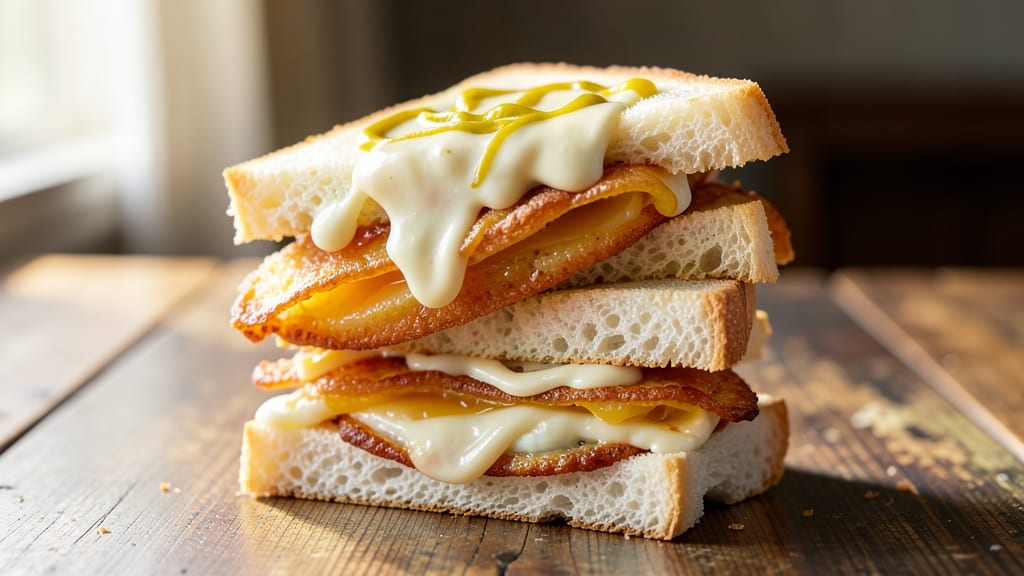
This tamago egg sandwich recipe delivers restaurant-quality crispy tortilla shells wrapped around a silky yolk center—perfect for breakfast or a satisfying lunch. 🔥 The secret lies in mastering the tamago technique: rolling the egg into a tight cylinder that cooks evenly, creating a crispy exterior with a custardy interior.
This method transforms a simple sandwich into something truly special, with each bite offering contrasting textures and rich flavors.
The beauty of this recipe is its balance between tradition and flexibility. While tamago originates from Japanese cuisine, this sandwich adapts beautifully to Western breakfast preferences—think soft bread, tangy mustard, or creamy mayo.
The key steps involve carefully rolling the egg mixture into a tight spiral, then cooking it just until the edges are golden and crispy while keeping the yolk perfectly runny.
What you'll end up with is a sandwich that's crispy on the outside, velvety on the inside, and packed with flavor in every bite. The contrast between the crispy tortilla shell and the silky yolk creates a satisfying texture that makes this sandwich impossible to resist.
Whether you're making it for a quick breakfast or a special brunch, this recipe delivers professional-quality results at home.
Ready in just 15 minutes, this tamago egg sandwich is perfect for weekdays or weekend brunches. The recipe includes simple ingredients but requires attention to detail—especially when rolling the egg. Let's get started on creating your perfect tamago sandwich!
Ingredients for tamago egg sandwich
Six eggs, two spreads, and crispy magic between each bite. Simple ingredients, restaurant-quality results.
| Ingredient | Amount | Notes |
|---|---|---|
| Large Eggs 🥚 | 6 whole | Room temperature for best rolling |
| All-Purpose Flour 🌾 | 2 tbsp | For dusting rolling surface |
| Vegetable Oil 🫒 | ¼ cup | For frying tamago (light neutral oil) |
| Japanese Mayonnaise 🥫 | 2 tbsp | Kewpie preferred for authentic flavor |
| Japanese Mustard 🌶️ | 1 tbsp | Kikkoman or similar for tangy kick |
| White Bread 🍞 | 4 slices | Soft crustless bread like sourdough |
| Salt 🧂 | ½ tsp | Kosher or sea salt preferred |
| Black Pepper 🌶️ | ¼ tsp | Freshly ground for best flavor |
| Sugar 🍚 | ½ tsp | Balances egg sweetness |
| Water 💧 | ¼ cup | For egg mixture consistency |
| Butter 🧈 | 2 tbsp | Unsalted for spreading |
| Sesame Seeds 🌾 | 1 tbsp | Toasted for garnish (optional) |
The eggs are the star—room temperature makes all the difference when rolling. Grab Kewpie mayo from the Asian aisle at Walmart or H Mart if you want that authentic tang. Japanese mustard is a game-changer (find it near the soy sauce), but Dijon mustard works in a pinch. The bread? Soft, crustless loaves like Schar or Dave's Killer Bread toasted lightly are perfect. Toasting removes excess moisture so the tamago doesn't get soggy—trust me on this. For the oil, vegetable or canola works best—avoid olive oil, it burns too easily.
No Japanese mayo? Hellmann's mixed with a pinch of sugar gets you close. Mustard shortage? Yellow mustard with a splash of vinegar mimics that sharp bite. The sesame seeds are optional but add that perfect crunch—toast them in a dry pan for 30 seconds before sprinkling. For the egg mixture, whisking is key—no lumps! If your bread is too thick, toast it lightly and trim the crusts so the tamago rolls neatly. Pro tip: use a bamboo rolling mat (or parchment paper) to keep the egg from sticking while you roll.
Tamago keeps best in the fridge for 2 days—wrap tightly in foil to maintain crispiness. Reheat in a 350°F oven for 5 minutes to restore that golden crunch. For make-ahead prep, cook the tamago ahead and refrigerate, then assemble sandwiches just before serving. The flavors actually improve overnight as everything melds. Store the mayo and mustard in the fridge after opening—both stay fresh for 3 months that way. Sesame seeds last forever in a dry container, so buy extra for next time.
Why You'll Love This Recipe
- Five-Ingredient Magic: I swear, this recipe nails the "I can do this" vibe. Flour, oil, eggs—you’ve got those in your pantry. No fancy gadgets, no last-minute grocery runs. Just crack, mix, fry, and assemble while the coffee brews.
- Creamy Tang Perfection: That Japanese mayo and mustard combo? It’s the secret weapon. The mayo keeps it rich but not heavy, while the mustard adds a sharp little kick that cuts through the egg’s richness. Honestly, it’s the kind of flavor that makes you want to eat it straight from the pan.
- Lunchbox Hero: Between us, this is my go-to for packed lunches. The eggs hold up in the fridge for days, and the sandwiches stay intact—no soggy bread here. Toss a few in a container, and you’ve got a meal that’s way better than sad desk salads.
- Budget Breakfast Boost: Eggs are cheap, flour’s cheap, and a little mayo stretches far. I make a batch on Sundays, and it feeds my family for days. Plus, it’s way cheaper than takeout, but still feels like a treat. (Yes, even on a Tuesday night.)
Step-by-step instructions for tamago egg sandwiches
Here's how to make crispy, golden tortillas with perfectly silky egg centers—every bite is pure magic.
👨🍳 Step 1: Prepare the Egg Mixture
Crack the 6 whole Large Eggs into a mixing bowl and add the 0.25 cup Water, 0.5 tsp Sugar, 0.5 tsp Salt, and 0.25 tsp Black Pepper. Whisk vigorously until completely combined—you want a smooth, homogenous mixture with no streaks. This balance of sugar and salt enhances the egg flavor while keeping the texture tender.
In a separate small bowl, mix the 2 tbsp Japanese Mayonnaise and 1 tbsp Japanese Mustard until smooth. Slowly drizzle this into the egg mixture while whisking continuously. The mayonnaise adds richness while the mustard brings that signature tangy kick. The mixture should be thick but pourable—if it's too stiff, add 1-2 teaspoons of water to reach the right consistency.
🍳 Step 2: Create Thin, Even Tortilla Layers
Lightly dust a clean work surface with 2 tbsp All-Purpose Flour to prevent sticking. Pour about ¼ of the egg mixture onto the floured surface and use an offset spatula to spread it into a 6-inch circle—about ⅛-inch thick. I like to tilt the pan slightly while spreading to create an even layer. The thinner and more even your tortillas, the crispier they'll be.
Repeat with the remaining mixture, creating 4 total tortillas. For best results, work quickly but carefully—rushing causes uneven thickness. If the mixture feels too wet, dust the surface with a little more flour between layers. Cover the completed tortillas with a damp towel to keep them moist while you prepare the frying.
🔥 Step 3: Fry to Crispy Perfection
Heat 0.25 cup Vegetable Oil in a 10-inch skillet over medium heat until it shimmers but doesn't smoke—around 350°F. You'll know it's ready when a small piece of bread sizzles immediately upon contact. The oil should be hot enough to create a golden crust but not so hot that it burns before cooking through.
Carefully place one tortilla in the skillet and cook for 1-2 minutes per side until deep golden brown and slightly puffed. Flip using a thin spatula, pressing gently to help it release. The edges should be crisp while the center remains just set—it should hold its shape but still feel slightly soft when pressed. Transfer to a paper towel-lined plate to drain excess oil. Repeat with the remaining tortillas, keeping them warm in a 200°F oven while you finish.
🥘 Step 4: Assemble the Tamago Sandwiches
Spread ½ tbsp Butter evenly on each of the 4 slices White Bread. Toast the bread lightly in a dry skillet over medium heat for 30 seconds per side until just golden—this adds texture without overpowering the egg. Let cool slightly before assembling.
Place one crispy tortilla on each toasted bread slice, then top with another slice of bread to create a sandwich. The layers should be snug but not forced—if they're too thick, gently press down with a spatula. For that authentic touch, sprinkle 1 tbsp Sesame Seeds evenly over the top just before serving. The contrast of crispy tortilla, creamy egg, and toasted bread is what makes these sandwiches irresistible!
Pro Tips For Making Tamago Egg Sandwich
- CRACK EGGS ROOM TEMPERATURE: Cold eggs from the fridge drop straight to the bottom of your pan like a rock. Let them sit in warm water for 5 minutes first—your eggs will cook evenly and won’t stick to the pan like they’re glued there.
- FLOUR THE PAN LIKE YOU MEAN IT: I used to dust the pan with flour and think, "That’s enough." Nope. Use a flour sifter or just shake flour through your fingers to coat the bottom heavily—like you’re dusting for snow. This isn’t a light patina; it’s the difference between a crispy tamago and a sad, sticky mess.
- STOP POKING THE EGGS: Every time you lift the pan to check, you’re breaking the crust and letting steam escape. After the first 30 seconds, leave it alone. Let the egg cook undisturbed for 2 full minutes—yes, even if it looks raw underneath. That’s when the magic happens.
- MAYO-MUSTARD RATIO MATTERS: Skip measuring—just eyeball a 3:1 ratio of mayo to mustard (3 parts mayo, 1 part mustard) and adjust to taste. Too much mustard? Your sandwich will taste like a spicy kick without the balance. Too little? It’ll be bland. Start with that ratio, then tweak.
Regional styles of tamago egg sandwich
Japanese Tamago
In Japan, tamago sandwiches are a beloved breakfast staple, especially in convenience stores like 7-Eleven and FamilyMart. The classic version uses shokupan (Japanese milk bread) for its soft texture, and the tamago is often rolled slightly thicker than Western versions.
I've seen them served with ketchup or tonkatsu sauce for dipping—trust me, it's delicious! The key difference is the egg mixture is often slightly sweeter, with ½ tsp sugar per egg, and the tortillas are rolled tighter to hold their shape when sliced.
Korean Kimchi Tamago
Korean diners take tamago sandwiches to the next level by adding kimchi to the egg mixture or as a filling. The fermented spice cuts through the richness of the egg, creating a perfect balance.
I like to mix 2 tbsp finely chopped kimchi into the egg batter before rolling, then fry as usual. Serve with gochujang mayo (mix 1 tbsp gochujang with 1 tbsp mayo) for an extra kick. The crispy tortilla contrasts beautifully with the spicy, tangy kimchi.
American-Style Breakfast
For a heartier American version, I love adding crumbled bacon or sautéed mushrooms to the egg mixture before rolling. The bacon adds smoky depth, while mushrooms bring an earthy richness.
Use white bread toasted with garlic butter instead of plain butter, and top with a sprinkle of crumbled feta cheese for a brunch-worthy twist. This version is perfect for weekend mornings when you want something more substantial.
Thai-Inspired Tamago
Thai street food influences bring a sweet and savory twist to tamago sandwiches. Mix 1 tbsp fish sauce and 1 tsp palm sugar into the egg batter for an umami-sweet flavor profile. Add thinly sliced shallots and cilantro for freshness.
Serve with a side of Thai sweet chili sauce for dipping. The crispy tortilla pairs perfectly with the bold Thai flavors, making this a unique fusion sandwich that's hard to resist.
Vegetarian Variations
For a fully vegetarian version, skip the bacon and use smoked paprika or turmeric to add color and earthy notes to the egg mixture. I love adding finely diced avocado or pickled jalapeños for extra texture.
Use whole grain bread for added fiber, and top with microgreens or sprouts for a fresh, vibrant finish. This version is perfect for those who want a lighter but still flavorful tamago sandwich.
Nutrition facts
Frequently asked questions
Can I make tamago egg sandwiches without Japanese mayo?
Mix 2 tbsp regular mayo with ½ tsp sugar to mimic Japanese mayo's slight sweetness. For extra tang, add ½ tsp rice vinegar. The texture will be slightly different but still delicious—this works especially well for American-style versions.
How do I fix if my tamago egg rolls break when frying?
Your egg mixture might be too wet or uneven. For next time, spread the mixture slightly thinner (⅛-inch max) and chill it for 10 minutes before rolling to firm up. If it breaks during frying, press gently with a spatula to reshape—just don't overwork it.
What's the best bread for tamago sandwiches?
Soft, crustless bread works best—think sourdough, milk bread, or Dave's Killer Bread. Toast it lightly (30 seconds per side) to prevent sogginess. For extra crunch, try brioche or challah. Japanese versions use shokupan (milk bread), but Western breads hold up well too.
Can I make tamago ahead of time?
Yes! Cook the tamago and store it in the fridge for up to 2 days, wrapped tightly in foil. Reheat at 350°F for 5 minutes to restore crispiness. Assemble sandwiches just before serving to keep the bread fresh. The flavors actually improve overnight as everything melds.
What's the secret to perfectly runny yolks?
Cook the tamago until the edges are golden and crispy but the center still jiggles slightly when shaken. Remove from heat 30 seconds early—the residual heat will finish cooking without overdoing it. For extra insurance, use room temperature eggs and avoid overmixing the batter.