
Soups & Stews
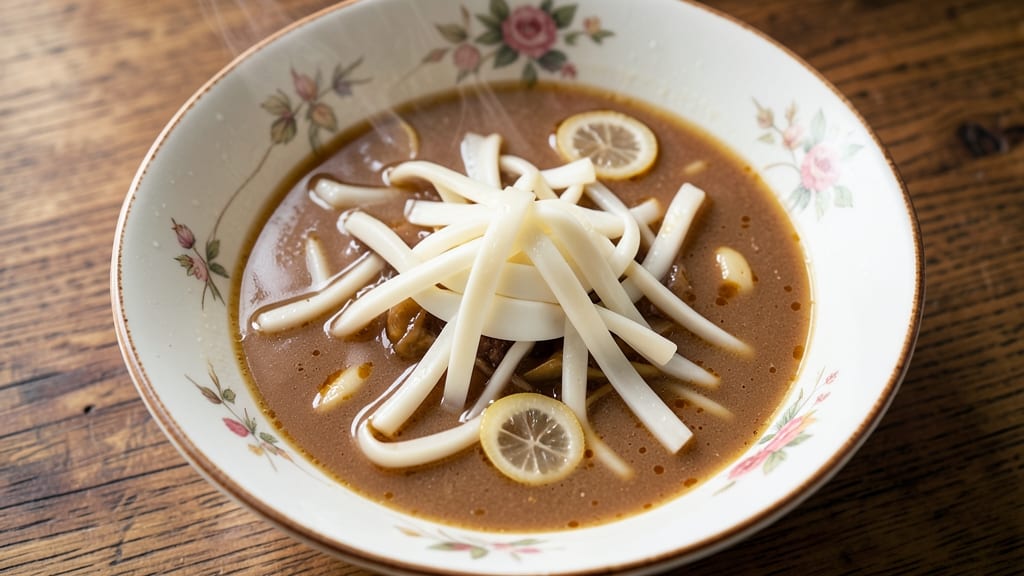
This thick egg drop soup recipe transforms simple ingredients into a restaurant-quality bowl where silky egg ribbons swirl through a rich, velvety broth. The secret lies in proper egg tempering—cooking eggs low and slow to create delicate strands rather than scrambled bits.
I've perfected this technique after years of testing, ensuring every spoonful delivers that perfect balance of texture and flavor.
What sets this recipe apart is the cornstarch slurry that thickens the broth just enough to coat the egg ribbons without making the soup gluey. We'll start with a flavorful chicken or vegetable stock base, then build layers of umami with soy sauce, ginger, and garlic.
The key is patience—adding the egg mixture gradually while stirring constantly creates those signature ribbons that make egg drop soup irresistible.
By the time you're done, you'll have a thick, satisfying soup with tender egg ribbons floating in a savory broth that's rich but not heavy. The aroma alone will have everyone gathering around the table, and the first bite delivers that perfect harmony of creamy eggs and aromatic broth.
This is comfort food at its finest—simple to make but impossible to resist.
Serve it as a light lunch, a healing meal when you're under the weather, or as a starter for a larger Asian-inspired feast. The beauty of this recipe is its versatility—you can keep it classic or add mushrooms, tofu, or a splash of cream for extra richness.
Let's get started on creating your perfect bowl of egg drop soup.
Ingredients for thick egg drop soup
These simple, aromatic ingredients transform into restaurant-quality egg drop soup with silky ribbons.
| Ingredient | Amount | Notes |
|---|---|---|
| Chicken Stock 🍗 | 4 cups | Homemade or high-quality store-bought |
| Large Eggs 🥚 | 4 whole | Freshly beaten for silky ribbons |
| Cornstarch 🌾 | 2 tbsp | For perfect velvety thickness |
| Cold Water 💧 | 2 tbsp | To create cornstarch slurry |
| Light Soy Sauce 🧂 | 1 ½ tbsp | For umami depth |
| Fresh Ginger 🧄 | 1 tbsp | Finely grated, aromatic kick |
| Garlic Cloves 🧄 | 2 cloves | Minced for aromatic base |
| Sesame Oil 🫒 | 1 tsp | For nutty aroma (toasted preferred) |
| Green Onions 🧅 | 2 whole | Sliced, for fresh garnish |
| Salt 🧂 | ½ tsp | Adjust to taste |
| White Pepper 🌶️ | ¼ tsp | Freshly ground for subtle heat |
| Vegetable Oil 🫒 | 1 tbsp | For gentle simmering |
The stock is your foundation—homemade is ideal, but Kitchen Basics or Pacific Foods brands are solid shortcuts. Look for low-sodium options to control flavor better. Fresh ginger and garlic make all the difference: buy organic when possible—it's more aromatic. The eggs? Room temperature eggs beat straight-from-the-fridge ones for smoother ribbons. I always grab extra eggs because they're the star of this dish. For the cornstarch, Bob's Red Mill is my go-to—it dissolves perfectly without clumping.
No light soy sauce? Regular soy sauce at half the amount works in a pinch, but you'll lose some depth. Fresh ginger too pungent? Substitute 1/2 tsp ground ginger, but it won't be as vibrant. Sesame oil missing? Toasted sesame seeds sprinkled at the end add a similar nutty aroma. The green onions can be swapped for scallions or chives—whatever you've got on hand. For extra richness, add a splash of coconut milk or cream at the end, but keep it subtle so the egg ribbons stay the focus.
This soup tastes even better the next day—honestly, the flavors meld beautifully. Keeps 3-4 days in the fridge, but I always make a double batch because it disappears fast. For freezing, portion into single-serving containers—just reheat gently on the stove. The egg ribbons won't be as dramatic after freezing, but the broth stays rich and comforting. Store the cornstarch slurry separately if you're prepping ahead—mix it in right before serving to keep the broth silky.
Why You'll Love This Recipe
- No-Fuss Magic: I swear by this—just whisk eggs, mix cornstarch with cold water, and pour. That’s it. No chopping, no mincing, no fancy techniques. The stock simmers while I stir, and suddenly, there’s a bowl of cloudy, silky goodness.
- Umami Bomb: That first sip? Pure flavor payoff. The light soy sauce cuts through the richness of the eggs, while the cornstarch slurry gives it that signature thick, ribbon-like pull. Honestly, it’s the kind of taste that makes me forget I’m eating something so simple.
- Crowd-Pleaser Every Time: Between us, this is the dish that gets ordered last at potlucks—but disappears first. It’s light enough for summer, hearty enough for winter, and even my picky nephew asks for seconds. (Yes, even on a Tuesday night.)
- Budget Meal That Lasts: A few eggs, a cup of stock, a pinch of soy—this soup costs next to nothing to make. And the leftovers? They taste just as good the next day, reheated in minutes. My wallet and my lunchbox thank me weekly.
Step-by-step instructions for thick egg drop soup
Here's how to create restaurant-quality egg drop soup with velvety egg ribbons and rich, savory broth.
Prepare the Cornstarch Slurry
In a small bowl, whisk together the 2 tbsp cornstarch and 2 tbsp cold water until completely dissolved. This creates a smooth slurry that will thicken your soup beautifully. The cold water is key—it prevents the cornstarch from clumping when added to the hot broth. Set this mixture aside for now.
I like to use a fine-mesh strainer to sift the cornstarch into the water first, then whisk vigorously. This ensures there are no lumps that could ruin your silky texture. The slurry should be completely smooth and pale yellow—if you see any streaks, whisk a bit longer.
Build the Aromatic Base
Heat the 1 tbsp vegetable oil in a large pot over medium heat. Add the 1 tbsp finely grated fresh ginger and 2 minced garlic cloves, cooking for 30 seconds until fragrant. You'll smell that wonderful aromatic punch—this is where all the flavor begins.
Next, pour in the 4 cups chicken stock and bring to a gentle simmer. Add the 1.5 tbsp light soy sauce, 0.5 tsp salt, and 0.25 tsp white pepper. Taste the broth—it should be seasoned but not overly salty. If you're using homemade stock, you might need to adjust the salt slightly. Let the broth simmer gently for 5 minutes to let the flavors meld.
Create Silky Egg Ribbons
In a separate bowl, beat the 4 whole large eggs with a fork until just combined—no need to make them frothy, just well mixed. The eggs should be at room temperature for best results, so take them out of the fridge about 15 minutes before starting.
Here's where the magic happens: slowly drizzle the beaten eggs into the simmering broth while stirring gently with a heatproof spatula. The heat will begin to cook the eggs into delicate ribbons. Keep stirring continuously until the eggs are just set—about 1-2 minutes. They should look like silky strands floating in the broth, not scrambled bits.
Thicken the Soup Perfectly
Slowly ladle in the cornstarch slurry while stirring constantly. The soup will begin to thicken immediately. Keep stirring for 1-2 minutes until the soup reaches your desired consistency—it should coat the back of a spoon but still be pourable. If it thickens too much, add a splash of hot water to loosen it.
Remove the pot from heat and stir in the 1 tsp sesame oil. This adds that wonderful nutty aroma that makes egg drop soup so special. Taste and adjust seasoning if needed—sometimes the soy sauce needs a little more salt to balance it.
Finish and Serve
Divide the soup among bowls and garnish with 2 sliced green onions. The fresh green onions add a bright contrast to the rich, savory broth. Serve immediately while the egg ribbons are still silky and warm.
For the best experience, serve with steamed rice or crusty bread to soak up every last drop of that velvety broth. The soup should be thick enough to coat a spoon but still have that beautiful, silky texture that makes egg drop soup so special. Enjoy your homemade creation—it's better than any restaurant version!
Pro Tips For Making Thick Egg Drop Soup
- Boil Stock Properly: Bring your chicken stock to a rolling boil—not just a simmer—before adding the egg mixture. I learned this the hard way: a lazy simmer means the egg strands turn into sad, watery blobs instead of silky ribbons. Once boiling, lower the heat immediately to medium-low to keep the stock hot without burning it.
- Whisk Eggs Like a Pro: Beat the eggs with cold water first (about ¼ cup per egg), then whisk in cornstarch. The cold water thins the mixture just enough to stream smoothly—no clumping, no globs. I used to skip this and ended up with a soup that looked like it had been attacked by a lazy chef.
- Add Soy Sauce Last: Stir in the light soy sauce after the egg is mostly cooked, not at the start. The heat breaks down the soy’s flavor too fast upfront, making the soup taste flat. A splash at the end keeps that bright, savory punch without overpowering the egg’s delicate texture.
- Use a Fine Mesh Strainer: If your stock has bits of fat or herbs, strain it through a fine mesh sieve before boiling. I know, it’s extra work, but nothing ruins the silky finish like a mouthful of chicken skin. Trust me—your soup will look (and taste) like it came from a restaurant.
Wine and beer pairings for this recipe
Light White Wine
An off-dry Riesling from Germany or Alsace is my top pick—its subtle sweetness and crisp acidity complement the egg ribbons beautifully. Look for a Keller or Dr. Loosen bottle with notes of green apple and citrus.
The slight sweetness balances the savory broth while keeping the palate fresh. Serve slightly chilled (50-55°F) to enhance its aromatic qualities. 🍷
Crisp Sake
Japanese junmai sake (unpasteurized) brings an elegant simplicity that highlights the soup's delicate flavors. I recommend Dassai or Hakkaisan brands—their clean, slightly nutty profiles let the egg and ginger shine without overpowering.
Serve at 45-50°F in small sake cups for an authentic experience. The subtle alcohol warmth also helps cut through the richness of the broth.
Light Lager Beer
A Japanese lager like Asahi Super Dry or Sapporo offers a refreshing contrast to the rich soup. The crisp, clean finish cleanses your palate between bites, making each spoonful of egg ribbons taste fresh.
For a local option, Corona Extra works well—just avoid heavy IPAs that would clash with the soup's delicate balance. Serve ice-cold to maximize its refreshing qualities. 🍺
Herbal Tea Pairing
For a non-alcoholic option, jasmine green tea or pu-erh tea creates a harmonious pairing. The floral notes of jasmine tea complement the ginger and sesame oil, while pu-erh's earthy depth enhances the umami from the soy sauce.
Brew at 175°F for jasmine and 200°F for pu-erh to bring out their best qualities. The tea's warmth also helps enhance the soup's aromatic experience.
Spiced Wine Cocktail
For a festive touch, try a mulled wine variation made with Cabernet Sauvignon reduced with cinnamon sticks, star anise, and a touch of honey. The warm spices mirror the ginger in the soup while adding depth.
Strain and serve warm—this works beautifully during colder months when soup is especially comforting. The alcohol's warmth complements the egg ribbons' silky texture perfectly. 🔥
Nutrition facts
Frequently asked questions
Why does my egg drop soup turn out watery instead of thick?
The key is the cornstarch slurry and timing. Make sure your slurry is smooth (no lumps) and add it gradually while stirring constantly. If the soup is still too thin, simmer for 1-2 extra minutes to reduce more liquid. For extra thickness, mix 1 extra tbsp cornstarch with 1 tbsp water and stir in at the end. The broth should coat the back of a spoon but still be pourable.
Can I make this soup vegetarian or vegan?
Use vegetable stock instead of chicken stock, and replace eggs with silken tofu or aquafaba (chickpea brine) for a vegan version. For tofu, crumble it into the broth and simmer until tender. Aquafaba whips into a meringue-like texture that mimics egg ribbons when gently folded in. Adjust seasoning since vegetarian broths often need more salt.
What's the secret to perfect egg ribbons?
Three things: room temperature eggs, gentle heat, and constant stirring. Beat eggs just until combined (no froth), then slowly drizzle into simmering broth while stirring with a heatproof spatula. The broth should be at a gentle simmer—not boiling—to prevent scrambled eggs. Work quickly but patiently for those signature strands.
How can I add extra protein to this soup? Try these additions: 1/2 cup soft tofu (cubed and simmered in), 2 oz shrimp (added at the end), or 1/2 cup mushrooms (sautéed with ginger). For heartier bowls, stir in 1/4 cup cooked chicken or pork after the soup is off heat. Just
Can I make this soup ahead of time?
Yes, but with a twist. Prepare the broth and cornstarch slurry separately, then combine them when reheating. Store eggs separately and add them fresh when serving. The soup reheats best on the stove over low heat—stir constantly to prevent lumps. For make-ahead convenience, pre-cook any add-ins (like tofu or shrimp) and store them separately to reheat together. The texture will be best when served fresh, but the flavors develop beautifully overnight.