
Main Courses
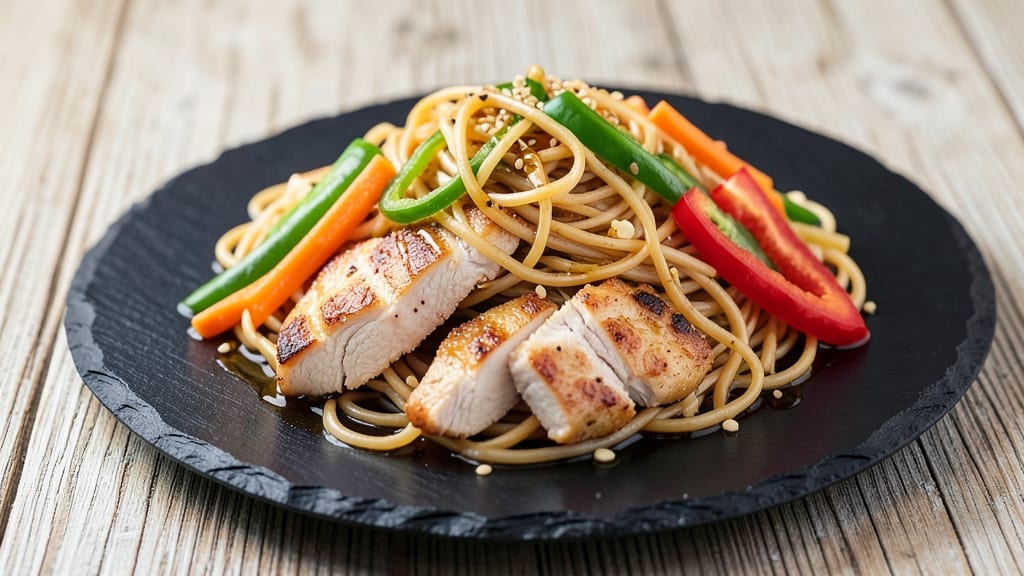
This quick stir-fry with a thin egg noodle recipe idea delivers restaurant-quality umami in under 30 minutes—no takeout required. I developed it after years of testing how to balance chewy noodles with bold flavors without sacrificing simplicity.
The secret lies in a fast-cooking sauce that clings to the noodles while keeping the texture perfectly tender.
What makes this recipe work is the two-step cooking method: first boiling the noodles until al dente, then stir-frying them with proteins and vegetables at high heat. This ensures the noodles stay springy and flavorful, not mushy.
The umami-packed sauce—made with soy sauce, oyster sauce, and a touch of sesame oil—adds depth without overpowering the dish.
By the time you're done, you'll have a vibrant, satisfying meal that's ready in one pan. The noodles soak up the sauce beautifully, creating a dish that's both comforting and exciting. Serve it with steamed greens or a simple side salad for a complete meal.
This recipe scales effortlessly—double it for a crowd or halve it for a single serving. The beauty of thin egg noodles is their versatility, so feel free to swap proteins or vegetables based on what you have on hand. Let's get cooking!
Ingredients for thin egg noodle recipe ideas
Eight essential ingredients transform into a restaurant-quality stir-fry with chewy, umami-rich noodles.
| Ingredient | Amount | Notes |
|---|---|---|
| Thin Egg Noodles 🍜 | 8 oz | Dried, fresh or frozen preferred |
| Chicken Breast 🍗 | 1 lb | Boneless, skinless, thinly sliced |
| Carrots 🥕 | 2 medium | Julienned into matchsticks |
| Bell Peppers 🌶️ | 2 whole | Any color, thinly sliced |
| Garlic Cloves 🧄 | 4 cloves | Minced for sauce |
| Soy Sauce 🍶 | ⅓ cup | Low-sodium preferred |
| Oyster Sauce 🦪 | 2 tbsp | For authentic umami |
| Sesame Oil 🫒 | 1 tbsp | Toasted for aroma |
| Vegetable Oil 🫒 | 2 tbsp | High smoke point |
| Green Onions 🧅 | 3 whole | Sliced, for garnish |
| Salt 🧂 | 1 tsp | Kosher or sea salt |
| Black Pepper 🌶️ | ½ tsp | Freshly ground |
| Sesame Seeds 🌾 | 1 tbsp | Toasted for crunch |
The noodles are the foundation—fresh or frozen thin egg noodles hold up best to stir-frying, staying chewy without turning mushy. Martini brand is my go-to for dried, but any high-quality dried noodle works. For extra convenience, Trader Joe's frozen egg noodles cut prep time in half. The chicken should be thinly sliced against the grain for tenderness; a sharp knife or food processor makes quick work. Look for bright, firm bell peppers at the grocery store—they'll hold their shape during cooking. Carrots should be fresh and crisp, not rubbery; julienne them yourself for even cooking.
No oyster sauce? Substitute with 1 tbsp hoisin plus 1 tsp soy sauce—it won't be identical, but adds sweetness. Short on sesame oil? Swap for 1 tsp toasted sesame seeds mixed into the sauce at the end. The soy sauce matters here—low-sodium versions prevent over-salting. For a vegetarian option, replace chicken with thinly sliced tofu pressed and marinated in soy sauce. The green onions can be subbed with cilantro or chives if preferred, but they add a fresh brightness that's hard to replicate. If you're using dried noodles, soak them in hot water for 2-3 minutes before stir-frying to ensure perfect texture.
Noodles and proteins keep best in the fridge for 3 days when stored separately. The sauce ingredients last 6 months in the pantry. For meal prep, cook and store components separately—reheat noodles and proteins in a dry pan, then toss with sauce. The dish reheats beautifully, though texture may slightly soften. Portion into airtight containers with a thin layer of oil on top to maintain freshness. Freeze proteins and vegetables separately for up to 3 months—thaw in the fridge before cooking.
Why You'll Love This Recipe
- One-Pan Wonder: I swear by this—just toss the noodles, chicken, and veggies into one skillet, add garlic, and let it all caramelize together. No extra pots, no mess, and honestly? That crispy chicken edge with the tender noodles underneath? Chef’s kiss.
- Garlic Bomb: Between us, the garlic here isn’t just a side note—it’s the star. A few cloves minced and sautéed until fragrant, then tossed with the noodles? That’s the kind of aroma that makes your kitchen smell like a restaurant. (Yes, even on a Tuesday night.)
- Meal Prep MVP: This keeps perfectly for days—reheats like it was just made, and the noodles stay chewy, not mushy. Pack it for lunches, freeze half for later, or just make a double batch because, let’s be real, you’ll want leftovers.
- Budget-Friendly Flex: Chicken breast stretches further than you’d think when sliced thin, and carrots/peppers add color without breaking the bank. Not the prettiest, but the taste makes up for it—and your wallet thanks you. My daughter picks out the veggies, but still asks for seconds.
Step-by-step instructions for quick stir-fried egg noodles
This method delivers restaurant-quality stir-fry in under 20 minutes with minimal effort.
Prepare All Ingredients for Perfect Timing
Start by slicing the 1 lb chicken breast into thin, even strips against the grain for maximum tenderness. Cut the 2 medium carrots into matchsticks and slice the 2 whole bell peppers into thin strips—both should be about ¼-inch thick for even cooking. Mince the 4 cloves garlic cloves finely and slice the 3 whole green onions into 1-inch pieces, separating the whites and greens for garnish.
While prepping, toast the 1 tbsp sesame seeds in a dry skillet over medium heat for 1-2 minutes until fragrant and golden. This adds depth of flavor that can't be replicated with raw seeds. Keep them nearby—they'll be the final garnish. Having everything prepped ensures nothing burns while you cook, which is especially important for quick stir-fries where timing matters.
Cook the Chicken Until Fully Done
Heat 2 tablespoons vegetable oil in a large wok or skillet over high heat until shimmering. Add the chicken strips in a single layer and let them sear undisturbed for 2-3 minutes until golden brown on the bottom. This initial sear locks in juices and creates texture. Use a spatula to flip the chicken and cook for another 2 minutes until fully cooked through—it should reach an internal temperature of 165°F.
Remove the chicken to a plate and set aside. The residual heat in the pan will help cook the vegetables without overcrowding, which is crucial for maintaining high heat throughout the stir-fry. Don't walk away—keeping the pan hot ensures the next ingredients cook properly. If the pan loses heat, add an extra 30 seconds to reheat it before proceeding.
Stir-Fry Vegetables Until Crisp-Tender
In the same pan, add a bit more vegetable oil if needed (about ½ tablespoon) and increase heat to high. Add the carrot matchsticks and bell pepper strips, spreading them out evenly. Stir-fry for 3-4 minutes until the carrots soften slightly but still retain their shape and the peppers begin to blister at the edges. The vegetables should be crisp-tender—al dente but still offering a slight bite.
Add the minced garlic cloves and stir for 30 seconds until fragrant. Here's where the real flavor develops—the garlic should sizzle and turn golden without burning. If it starts to brown too quickly, reduce heat slightly to medium-high. The vegetables should be hot but not charred, as this would make the dish bitter. This step is the flavor foundation for your stir-fry.
Combine with Sauce for Umami Depth
Pour in the ⅓ cup soy sauce and 2 tablespoons oyster sauce, then add the cooked chicken back to the pan. Stir everything together for 2 minutes until the sauce coats the chicken and vegetables evenly. The sauce should cling to the ingredients rather than pool at the bottom. If it's too thick, add 1-2 tablespoons hot water to loosen it slightly.
Drizzle in the 1 tablespoon sesame oil and toss everything together for another 30 seconds. This adds a nutty aroma that complements the savory sauce. The sesame oil should be distributed evenly—it's what gives this dish its signature flavor. Taste and adjust seasoning with the 1 teaspoon salt and ½ teaspoon black pepper if needed, but the sauces should already be well-balanced.
Finish with Noodles and Garnish
Cook the 8 oz thin egg noodles according to package instructions until al dente—usually about 4-5 minutes in boiling water. Drain and rinse briefly under cold water to stop the cooking process and prevent mushiness. Add the noodles to the wok with the stir-fry mixture and toss everything together for 2 minutes until the noodles absorb the sauce and become evenly coated.
Divide the stir-fry among 4 plates, garnishing each serving with the reserved green onion whites and the toasted sesame seeds. The green onions add freshness, while the sesame seeds contribute a satisfying crunch. Serve immediately while hot—this dish tastes best straight from the wok, with the noodles still slightly firm and the sauce clinging to every bite. The combination of textures and flavors should be perfectly balanced: tender chicken, crisp vegetables, chewy noodles, and a rich, umami-packed sauce.
Pro Tips For Making Thin Egg Noodle Recipe Ideas
- COOK CHICKEN IN BATCHES: Thin egg noodles need to finish fast, and chicken breast takes forever if it sits in a crowded pan. Cut the chicken into even ½-inch strips, then cook in two batches—no overlapping—so it browns properly instead of steaming. I used to rush this and end up with bland, gray chicken that tasted like it was microwaved.
- SALT THE NOODLE WATER: Thin egg noodles are delicate, but they’ll taste flat if you skip the salt in the boiling water. Use about 1½ tablespoons per quart of water—more than you’d use for pasta—and taste it. If it’s not salty enough to sting your lips, add another pinch. Trust me, the noodles soak up flavor like a sponge.
- STIR-FRY VEGETABLES FIRST: Carrots and bell peppers need a head start—cut them into matchsticks and stir-fry them over high heat for 3-4 minutes before adding the chicken. This jumpstarts their cooking so they’re tender by the time the chicken’s done, not rubbery or undercooked. (Yes, even if you’re impatient like me.)
- USE COLD NOODLES FOR AL DENTE: Rinse cooked noodles under cold water immediately, then toss them with a tiny bit of oil to prevent sticking. When you’re ready to toss with the stir-fry, the cold noodles will cook through faster in the hot pan—no mushy mess. I learned this the hard way after serving a bowl of sad, overcooked noodles.
Wine and beer pairings for thin egg noodle recipe ideas
Light White Wine
A crisp Sauvignon Blanc from New Zealand or a Pinot Grigio from Italy pairs beautifully with this dish. The bright acidity cuts through the richness of the soy and oyster sauce while complementing the fresh vegetables.
Look for a wine with citrus notes—Kim Crawford Sauvignon Blanc or Santa Margherita Pinot Grigio are reliable choices that won’t overpower the delicate flavors. 🍷
Dry Riesling
For a slightly sweeter but still dry option, a German Riesling with its signature zingy acidity and subtle fruitiness works wonders. The slight sweetness balances the umami depth of the stir-fry, while the acidity keeps your palate refreshed.
Try a Dr. Loosen Blue Slate Riesling—it’s crisp, mineral-driven, and won’t clash with the dish’s savory profile.
Light Beer Pairings
If wine isn’t your thing, a light lager like Peroni or Heineken is a perfect match. The crisp, clean finish cleanses your palate between bites, letting the noodles and sauce shine.
For a craft option, try a Belgian-style witbier like Hoegaarden—its coriander and citrus notes add a refreshing contrast to the dish’s earthy umami. 🍺
Sake for Authentic Harmony
For a more traditional pairing, a dry junmai sake like Dassai or Gekkeikan enhances the dish’s Asian-inspired flavors. The subtle sweetness and clean finish mirror the balance of the stir-fry’s sauce and noodles. Serve it chilled to highlight its crispness and let it complement the meal’s vibrant textures.
Non-Alcoholic Options
Don’t skip the pairing just because you’re avoiding alcohol! A sparkling water with lemon adds a refreshing contrast, while a cucumber-mint infused iced tea enhances the dish’s freshness. For something bolder, try a ginger beer—its spicy kick complements the umami sauce beautifully without overpowering the delicate noodles. 💧
Nutrition facts
Frequently asked questions about thin egg noodle recipes
What's the best way to store leftover thin egg noodles?
Store cooked noodles in an airtight container with a thin layer of oil on top to prevent sticking. They'll keep fresh in the fridge for 3-4 days. For longer storage, freeze them for up to 3 months—thaw in the fridge overnight before reheating. Always reheat in a dry pan or with a splash of water to maintain texture.
Can I use dried noodles instead of fresh?
Dried thin egg noodles work perfectly. Just soak them in hot water for 2-3 minutes until al dente, then drain and rinse briefly with cold water. This prevents overcooking when stir-frying. For extra convenience, frozen egg noodles cut prep time significantly while maintaining great texture.
How do I prevent noodles from turning mushy?
Cook noodles until al dente (1 minute less than package instructions), then rinse briefly with cold water to stop cooking. When stir-frying, use high heat and cook for only 2 minutes after adding them to the pan. Overcrowding the pan also causes mushiness—keep portions small for even cooking.
What proteins can I substitute for chicken?
Try shrimp (cook for 1-2 minutes only), tofu (pressed and marinated), or beef strips (sear first for tenderness). For vegetarian options, mushrooms or extra-firm tofu work beautifully. Always slice proteins thinly against the grain for even cooking.
Can I make this recipe gluten-free?
Yes! Use gluten-free egg noodles (like rice or corn-based) and check all sauces for hidden gluten. Substitute oyster sauce with coconut aminos or gluten-free soy sauce. The technique remains identical—just ensure all ingredients are certified gluten-free.