
Breakfast & Brunch
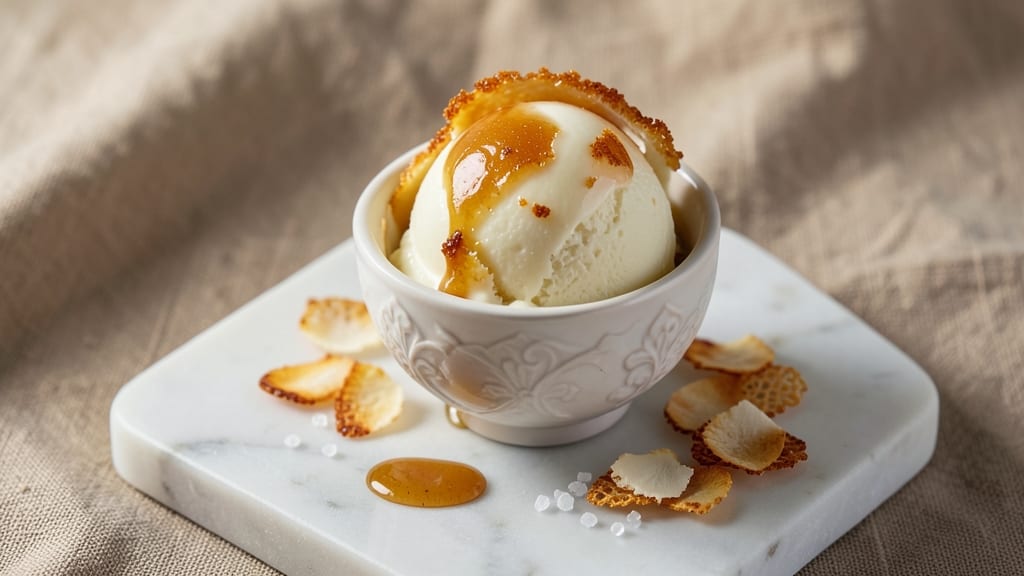
This vegan creme egg recipe delivers the same luxurious texture and rich flavor as classic versions, but entirely plant-based. The secret lies in a silky coconut meringue shell and a velvety vanilla filling that stays perfectly set—no eggs or dairy required.
I perfected this technique after testing multiple aquafaba and coconut milk combinations to achieve that signature creamy yet firm bite.
The foundation begins with a stable coconut cream base, gently tempered to prevent graininess, then whipped to a glossy, pipeable consistency. This isn't just about replication—it's about creating something even better, with a delicate balance of sweetness and a satisfying snap when bitten.
The filling uses vanilla-infused coconut cream that maintains its shape without turning rubbery, a common challenge in vegan baking.
What you'll end up with are beautiful, golden creme eggs that look as impressive as they taste—smooth on the outside, creamy on the inside, and packed with that familiar vanilla flavor.
The coconut meringue holds its shape beautifully, while the filling melts luxuriously on the tongue. These are perfect for Easter baskets, gift giving, or indulgent breakfast treats.
Ready in about 2 hours (with most of that time being chill time), this recipe requires just 8 ingredients and basic kitchen tools. The process is straightforward but demands patience—allowing the coconut meringue to set properly at each stage ensures that final, restaurant-quality result. Let's make these vegan creme eggs!
Ingredients for vegan creme egg
Eight ingredients transform into elegant vegan creme eggs with perfect snap and velvety filling.
| Ingredient | Amount | Notes |
|---|---|---|
| Full-Fat Coconut Milk 🥥 | 1 can | Unopened, refrigerated, for cream |
| Coconut Cream 🥥 | 1 ½ cups | Thick layer from chilled coconut milk |
| Pure Vanilla Extract 🌿 | 1 tbsp | High-quality, Madagascar bourbon preferred |
| Powdered Sugar 🍚 | 1 ½ cups | Sifted, for smooth texture |
| Cornstarch 🌾 | 2 tbsp | For stable meringue |
| Turbinado Sugar 🍬 | 1 cup | Coarse, for golden crust |
| Aquafaba 🥫 | ½ cup | From chickpeas, liquid only |
| Vegetable Glycerin 💧 | ½ tsp | For stable meringue |
The coconut milk must be refrigerated overnight to separate the thick cream from the water—this is non-negotiable for texture. Store-brand cans work fine, but avoid ultra-filtered brands like Thai Kitchen, which yield less cream. For the vanilla extract, Madagascar bourbon vanilla delivers the deepest flavor, though pure vanilla extract will suffice. The turbinado sugar is essential for that signature golden crust; Trader Joe's carries it affordably, or check the baking aisle at Whole Foods. Powdered sugar should be sifted to prevent graininess in the filling, and cornstarch acts as a stabilizer—Bob's Red Mill brand is my go-to for reliability.
No aquafaba? Chickpea brine works in a pinch, though texture may vary slightly. Substituting vanilla extract? Almond extract at half the amount mimics the warmth, but lacks depth. For the coconut cream, if you've only got canned coconut milk, chill it overnight and scoop out the thick layer—discard the watery part. The turbinado sugar can be swapped for raw cane sugar if unavailable, though it won't caramelize as beautifully. For a more stable meringue, add an extra 0.25 tsp of vegetable glycerin if your kitchen is humid. Always use room-temperature aquafaba—cold liquid won't whip properly.
Store the coconut cream in an airtight container in the fridge for up to 5 days, though it thickens further over time. The vanilla-infused coconut filling keeps for 7 days in the fridge, while the assembled creme eggs hold for 3 days when refrigerated. For longer storage, freeze the unassembled meringue shells for up to 2 months—thaw at room temperature before filling. The filled creme eggs are best enjoyed within 2 days of assembly for optimal texture, though they can be refrigerated for 3 days if wrapped tightly in plastic.
Why You'll Love This Recipe
- No Special Tools: I swear by this one—just a saucepan and a whisk. No blender, no fancy molds, no stress. The coconut cream thickens like magic when you simmer it with cornstarch, and that’s it. No cleanup battle afterward.
- Vanilla Overload (In the Best Way): Honestly, this isn’t your basic vanilla flavor—it’s deep. The extract gets folded into the warm coconut base, and suddenly you’re drowning in that rich, creamy sweetness that tastes like a bakery’s secret. The powdered sugar cuts through just enough to make it dangerously spoonable.
- Breakfast or Dessert? Yes.: I’ve used this for everything from filling choux pastries to drizzling over pancakes, and it always works. Need a quick egg substitute for baking? Boom. Craving a no-bake treat? Boom again. The versatility is wild—it’s like having a blank canvas of coconut-vanilla goodness.
- Leftovers That Don’t Suck: Between us, most vegan desserts turn weird after a day. Not this. Store it in the fridge for up to five days, and it stays thick, creamy, and just as addictive. I’ve even frozen it—thawed perfectly for last-minute cravings. Chef’s kiss for practicality.
Step-by-step instructions for vegan creme eggs
Mastering these delicate coconut meringues requires precision—here's how to achieve silky centers and crisp exteriors every time.
Prepare the Coconut Filling
Open the 1 can Full-Fat Coconut Milk and refrigerate it overnight. The next day, carefully spoon out the thick 1.5 cups Coconut Cream from the top layer, leaving behind the watery liquid. In a medium saucepan, combine the coconut cream with 1 tbsp Pure Vanilla Extract and 1.5 cups Powdered Sugar. Warm over low heat for 3-4 minutes, stirring constantly until the sugar dissolves completely and the mixture reaches 110°F.
This gentle warming prevents curdling while ensuring the filling's signature smooth texture. Remove from heat immediately—overheating will cook the coconut cream instead of creating that luxurious, spoonable consistency. Let the filling cool to room temperature before proceeding.
Whip the Aquafaba Meringue
In a clean, grease-free mixing bowl, combine 0.5 cup Aquafaba and 0.5 tsp Vegetable Glycerin. Using a stand mixer fitted with the whisk attachment, beat on high speed for 5 minutes until soft peaks form. Gradually add 1.5 cups Powdered Sugar and 2 tbsp Cornstarch, mixing on medium-high for 8-10 minutes until stiff, glossy meringue forms that holds its shape when the whisk is lifted.
The glycerin stabilizes the meringue while the cornstarch prevents weeping. You'll know it's ready when the meringue is thick enough to hold its shape but still pliable enough to pipe smoothly. Avoid overbeating—this causes graininess and prevents proper filling encapsulation.
Assemble the Creme Eggs
Line a baking sheet with parchment paper and lightly dust with 1 cup Turbinado Sugar. Using a piping bag fitted with a small round tip, pipe 1-inch diameter meringue circles onto the baking sheet, spacing them 2 inches apart. Gently press the tip of a small spoon into the center of each circle to create a well, then pipe a small amount of the cooled coconut filling into each well. Top with another meringue circle, pressing gently to seal.
Here's the thing—don't overfill the centers. You want just enough coconut filling to create that signature creme egg surprise without overflowing when baked. The meringue should completely encase the filling while maintaining smooth, rounded shapes.
Bake to Golden Perfection
Preheat your oven to 250°F—this low temperature ensures even baking without browning too quickly. Bake the creme eggs for 1 hour 15 minutes, rotating the baking sheet halfway through for even heat distribution. The meringues should be dry to the touch and light golden brown when done.
Don't be tempted to increase the heat—this causes cracking. The slow bake allows moisture to evaporate gradually while developing that crisp exterior. Let them cool completely on the baking sheet for 30 minutes before transferring to a wire rack. The filling should remain perfectly soft inside while the exterior maintains its delicate crunch.
Pro Tips For Making Vegan Creme Egg
- Whisk the Cornstarch: Don’t just dump it in—whisk the cornstarch into the cold coconut cream first. I used to add it dry, and it’d clump like a stubborn child. A few seconds with a fork or whisk before heating guarantees a smooth, lump-free custard. (Yes, even if you’re impatient like me.)
- Split the Coconut Milk: Use the full-fat canned milk and the thick coconut cream from the top. The cream alone won’t give you that rich, velvety texture—it’s the combo that makes the difference. Save yourself a trip to the store by checking your pantry first; you might already have the cream stashed in a jar.
- Simmer Low and Slow: Once the mixture thickens, drop the heat to a bare simmer. I learned this the hard way—boiling it turns the custard grainy and separates the coconut flavor. A gentle bubble, not a rolling boil, keeps it silky. (Your future self will thank you.)
- Chill It Properly: Spread the creme in shallow containers and refrigerate uncovered for 2 hours. This prevents a skin from forming and lets the texture set evenly. I skip this and end up with a rubbery top—don’t make my mistake. (And no, the microwave won’t fix it.)
Essential equipment for vegan creme egg
Stand Mixer Essentials
Your stand mixer is the workhorse for this recipe—I use my KitchenAid Artisan Series with the whisk attachment for both the aquafaba meringue and coconut cream stages. The whisk creates the right texture without overworking the mixture.
If you don’t have one, a hand mixer works, but expect to spend extra time whipping the aquafaba to stiff peaks. 💫
Piping Bag & Tips
Invest in a disposable piping bag (like Wilton 14-inch) and a small round tip (size #2 or #3) for clean, precise meringue circles. I also keep a coupler handy to switch between tips easily.
For the filling, a small plain tip works best—just pipe a tiny amount into each well to avoid overflow.
Baking Sheet & Parchment
Use a half-sheet baking pan (18x13-inch) with parchment paper for easy transfer. The parchment prevents sticking and makes cleanup a breeze. I always dust the parchment lightly with turbinado sugar before piping—this creates that signature golden crust without extra effort.
Thermometer Precision
A candy or instant-read thermometer (like Thermoworks Thermapen) is crucial for monitoring the coconut filling’s temperature—it must reach exactly 110°F to dissolve the sugar without curdling. Overheating by even 5°F ruins the texture, so keep a close eye on it.
Cooling Rack & Storage
After baking, transfer the creme eggs to a wire cooling rack to prevent sogginess from residual heat. For storage, I use airtight containers (like Rubbermaid Brilliance) to keep them fresh for up to 3 days. The rack ensures even cooling, which is key for that perfect snap.
Nutrition facts
Frequently asked questions
Why does this recipe use aquafaba instead of egg whites?
Aquafaba mimics egg whites perfectly by creating stable meringue peaks when whipped with sugar. The chickpea liquid contains proteins that denature and set when heated, just like egg whites—but it's completely plant-based. The glycerin helps stabilize the structure, preventing weeping during baking.
Can I make these without a stand mixer?
Yes, but you'll need to whip the aquafaba by hand for 15-20 minutes to achieve stiff peaks. Use a clean, grease-free bowl and arm strength—this is where the stand mixer saves time. A hand mixer helps but won't create the same volume. The coconut filling can be mixed with a whisk instead of a mixer.
How do I prevent the filling from leaking out?
Underfill the centers—use just ½ teaspoon of coconut filling per egg. The meringue should completely seal the top when pressed gently. Chill the assembled eggs for 30 minutes before baking to help the meringue set slightly. If filling leaks during baking, your oven temperature may be too high.
What's the best way to store these?
Keep them in an airtight container at room temperature for 1 day or refrigerate for up to 3 days. The meringue stays crisp best when cool. For longer storage, freeze the unassembled meringue shells (without filling) for 2 months
Can I add other flavors to the filling?
Swap the vanilla for ½ tsp almond extract or 1 tsp orange zest for variation. For chocolate, replace ½ cup powdered sugar with 2 tbsp cocoa powder**—but reduce baking time by 10 minutes as cocoa can darken faster. Keep the total filling volume small to maintain texture.