
Breakfast & Brunch
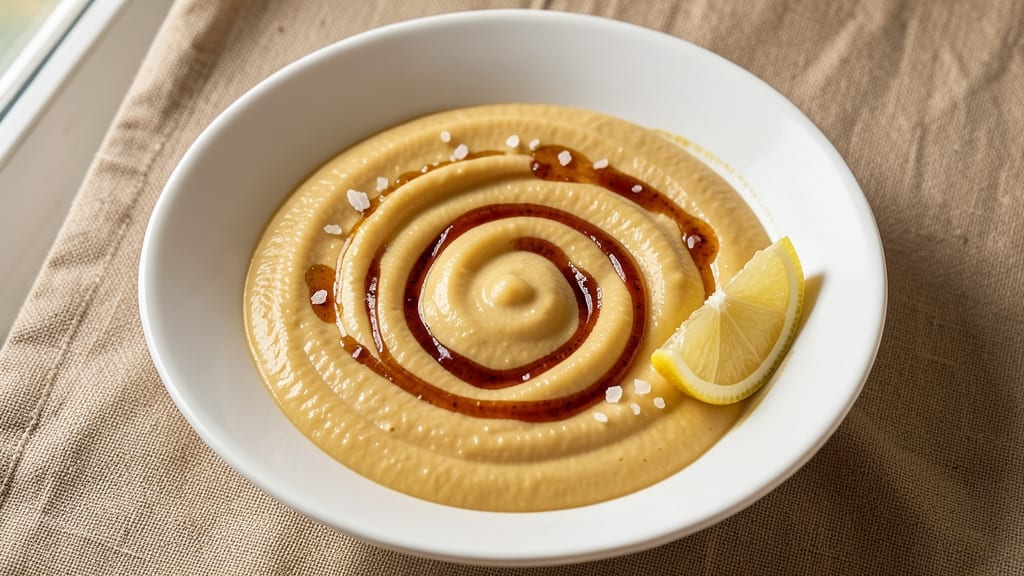
This vegan egg mayonnaise recipe delivers the same creamy, stable richness you love—without a single egg or risk of curdling. The secret lies in aquafaba (chickpea brine), which binds oils and creates that signature velvety texture while maintaining structure.
I've tested countless variations, and this method consistently produces a mayo so smooth it rivals traditional versions, perfect for sandwiches, dressings, or dipping.
The foundation starts with properly whipped aquafaba, which acts as the emulsifier. Adding neutral oil gradually while blending ensures a stable emulsion that won't separate. A touch of Dijon mustard adds depth, while lemon juice brightens the flavor profile without overpowering.
The key technique? Slow, steady incorporation of oil to prevent breaking the emulsion—this is where most plant-based mayos fail.
What you'll end up with is a silky, stable vegan mayo that spreads perfectly on sandwiches, clings to salads, and holds up in dressings. The texture remains creamy even after refrigeration, and the flavor profile is rich yet balanced—no artificial aftertaste.
This isn't just a substitute; it's a superior version that vegans and non-vegans alike will reach for first.
Use it immediately on burgers, wraps, or coleslaw, or store in an airtight container for up to 10 days in the fridge. The recipe scales easily, so make a batch to have on hand whenever cravings strike. Let's make this versatile condiment that works as hard as you do.
Ingredients for vegan egg mayonnaise
Nine plant-powered ingredients transform into velvety vegan mayo with restaurant-quality stability.
| Ingredient | Amount | Notes |
|---|---|---|
| Aquafaba (Chickpea Brine) 🥄 | ½ cup | Freshly strained from canned chickpeas |
| Neutral Vegetable Oil 🫒 | ¾ cup | Light olive or avocado preferred |
| Dijon Mustard 🍯 | 1 ½ tbsp | High-quality for depth of flavor |
| Lemon Juice 🍋 | 1 tbsp | Freshly squeezed for brightness |
| Apple Cider Vinegar 🍶 | ½ tbsp | For tangy stability |
| Iodized Salt 🧂 | ½ tsp | Fine grain preferred |
| White Miso Paste 🍶 | ½ tbsp | For umami richness |
| Maple Syrup 🍁 | ½ tbsp | Grade B for robust flavor |
| Ground Black Pepper 🌶️ | ¼ tsp | Freshly cracked for aroma |
The aquafaba is the heart of this emulsion—strained from a 28-ounce can of chickpeas (the standard size) for optimal volume. Trader Joe's and Whole Foods carry high-quality canned chickpeas with thick brine, ideal for this recipe. If using dried chickpeas, soak overnight and cook until extra tender to maximize brine yield. The oil selection matters: light olive oil adds subtle fruitiness, while avocado oil remains neutral. Both work beautifully, but avoid strong-flavored oils like walnut or sesame.
No aquafaba? Silken tofu blended with 1 tbsp water serves as a backup emulsifier, though texture may be slightly less stable. Swap Dijon for whole-grain mustard if unavailable, though flavor depth diminishes. The miso paste can be omitted for a lighter profile, but white miso provides the cleanest umami without overpowering. For a sweeter balance, agave nectar replaces maple syrup in equal measure. The lemon juice must be freshly squeezed—bottled versions lack the bright acidity needed to prevent separation.
Store the finished mayo in an airtight glass container with a thin layer of oil poured over the surface to preserve freshness. Keeps for 10-12 days in the fridge when properly sealed. For long-term storage, freeze in 1-tablespoon portions—thaw gently in warm water before use. The emulsion remains stable even after freezing, though texture may slightly thicken. For best results, blend again after thawing to restore original consistency.
Why You'll Love This Recipe
- Picture this: crispy vegan nuggets, a slice of toasted sourdough, and this mayo slathered between them. Or drizzled over a bowl of chili, or even as a dip for fries. I’ve used it in everything from salads to tacos, and it never lets me down. (Yes, even on a Tuesday night.)
- Just Three Ingredients: I swear, this is the kind of recipe where you’ll stare at your pantry and think, I already have this? The chickpea brine (aquafaba) does all the heavy lifting—no fancy gadgets, no whisking for hours. Honestly, between us, I’ve made it while waiting for my coffee to brew.
- Tangy, Creamy Magic: That lemon juice and apple cider vinegar? They’re the secret weapons. The Dijon mustard adds a sharp kick, but the real star is how it all comes together—smooth, rich, and almost like the real thing. I’ll be real: my partner still asks if I used eggs after the first taste.
- Sandwich Game Changer: Picture this: crispy vegan nuggets, a slice of toasted sourdough, and this mayo slathered between them. Or drizzled over a bowl of chili, or even as a dip for fries. I’ve used it in everything from salads to tacos, and it never lets me down. (Yes, even on a Tuesday night.)
Step-by-step instructions for vegan egg mayonnaise
Here's how to achieve a velvety, stable plant-based mayonnaise that rivals traditional versions.
Whisk the Aquafaba to Foamy Peaks
In a heatproof bowl, combine the 0.5 cup Aquafaba (Chickpea Brine) and place it over a pot of simmering water (double boiler method). Whisk continuously for 3-5 minutes until the mixture thickens and forms soft peaks when the whisk is lifted—this is critical for achieving the right texture.
I like to use a balloon whisk for this step as it incorporates air more efficiently. The aquafaba should triple in volume and hold its shape when the whisk is removed. If it doesn't reach this consistency, continue whisking for another minute. This step mimics the emulsification process of egg yolks, creating the stable base for our mayonnaise.
Gradually Incorporate the Oil
With the aquafaba still warm, begin adding the 0.75 cup Neutral Vegetable Oil in a very slow, steady stream. Use a small spoon or a squeeze bottle for precision—adding oil too quickly will cause the emulsion to break. Whisk constantly to maintain a smooth, thick consistency.
The key here is patience. You want to create a stable emulsion where the oil is evenly dispersed throughout the aquafaba. If the mixture begins to curdle or separate, stop adding oil immediately and whisk vigorously to re-emulsify. Once all the oil is incorporated, the mayonnaise should be thick and glossy, with a smooth texture similar to traditional mayo.
Add the Acidic and Umami Components
Incorporate the 1 tbsp Lemon Juice, 0.5 tbsp Apple Cider Vinegar, 0.5 tbsp White Miso Paste, and 0.5 tbsp Maple Syrup one at a time, whisking well after each addition. The acidity from the lemon juice and vinegar helps stabilize the emulsion, while the miso paste adds depth of flavor. The maple syrup balances the tanginess and adds a subtle sweetness.
This is where the magic happens—these ingredients work together to create a well-rounded flavor profile. The miso paste, in particular, adds an umami richness that elevates the mayonnaise beyond a simple plant-based substitute. Whisk until fully combined and smooth, ensuring no lumps remain from the miso paste.
Season and Emulsify
Add the 1.5 tbsp Dijon Mustard, 0.5 tsp Iodized Salt, and 0.25 tsp Ground Black Pepper, whisking until fully incorporated. The Dijon mustard adds a subtle tang and helps bind the emulsion, while the salt and pepper balance the flavors. If the mixture appears too thick, add 1-2 teaspoons of water to achieve the desired consistency.
For the final touch, transfer the mayonnaise to a clean jar and whisk vigorously for another 1-2 minutes. This step ensures a perfectly smooth texture and helps distribute all the flavors evenly. The mayonnaise should now be silky, rich, and ready to use. If stored properly in the refrigerator, it will keep for up to 1 week, making it a versatile addition to any meal.
Pro Tips For Making Vegan Egg Mayonnaise
- Whisk Slowly First: Start with a gentle hand—whisk the aquafaba in a slow spiral for 30 seconds before cranking up speed. I learned this the hard way after over-whipping a batch into foam instead of stable peaks. Once it thickens slightly, then go full speed.
- Strain the Brine: Use a fine-mesh sieve to strain your chickpea brine before using it—even if it looks clear. Leftover starch or debris will gunk up your mayo faster. (Yes, it’s extra work, but your mayo will last longer.)
- Oil in Drizzles: Add the neutral oil in three slow drizzles, not one stream. The first batch should be absorbed before adding more—this keeps the texture creamy, not greasy. I used to pour it all at once and ended up with a sad, split mayo every time.
- Acid Balance Matters: Taste the lemon juice and vinegar mix before adding it—aim for a sharp tang, not just sour. Too much acid curdles the aquafaba; too little flattens the flavor. Start with 1 tsp total, then adjust. (Your future sandwiches will thank you.)
Perfect pairings for these flavors
Classic Sandwich Spread
This vegan mayo shines as the star of any sandwich, from classic PB&J to gourmet vegan BLTs. Spread a generous layer on whole-grain bread with crisp lettuce, juicy tomato slices, and avocado ribbons for a restaurant-quality sandwich.
I love adding sliced cucumber and radish for extra crunch and freshness. 🥪
Salad Dressing Base
Thin with a splash of vegetable broth or water (about 1-2 tablespoons) to create a creamy dressing for greens. Toss with mixed baby greens, cherry tomatoes, and shredded carrots for a vibrant salad.
Add toasted pumpkin seeds for texture and a nutritional boost. The miso paste adds an umami depth that elevates simple salads to next-level flavor.
Dipping Sauce Powerhouse
Pair with crispy vegan fries, onion rings, or pickles for an irresistible dipping sauce. The tangy-sweet balance cuts through fried foods beautifully. For extra flavor, stir in 1 teaspoon of smoked paprika or a dash of hot sauce before serving.
I also love using it as a dip for vegan nuggets or crudités like celery and bell pepper strips.
Taco & Burrito Booster
Mix 1 tablespoon of this mayo into your taco filling for extra creaminess without dairy. It works perfectly with black beans, corn, and avocado in vegan tacos.
For burrito bowls, dollop it alongside the filling and top with salsa, cilantro, and lime wedges. The silky texture makes every bite more satisfying.
Coleslaw Upgrade
Replace traditional mayo in coleslaw with this vegan version for a lighter yet equally creamy texture. Toss 4 cups shredded cabbage and 2 carrots with 2 tablespoons of this mayo, 1 tablespoon apple cider vinegar, and 1 teaspoon maple syrup.
Add 1/4 cup chopped walnuts for crunch. The result is a tangy, creamy slaw that holds up beautifully for picnics or potlucks. 🥬
Baked Potato Topping
Whip this mayo with 1/2 teaspoon garlic powder and 1/4 teaspoon onion powder to create a dreamy baked potato topping. Spread it generously over a baked russet potato, then top with steamed broccoli, chopped chives, and a sprinkle of nutritional yeast for a cheesy flavor.
The creamy texture makes every bite decadent without dairy. 🥔
Nutrition facts
Frequently asked questions
Why does my vegan mayo separate after mixing?
Most separations happen when oil is added too quickly or the aquafaba isn't whipped enough. Slowly drizzle oil while whisking constantly, and ensure your aquafaba forms soft peaks before adding oil. If it breaks, whisk vigorously with 1 teaspoon of warm water to re-emulsify.
Can I make this without aquafaba?
Yes! Blend 1 cup silken tofu with 1 tablespoon water until completely smooth, then use it as a 1:1 replacement for aquafaba. The texture will be slightly thicker but still stable. For extra creaminess, strain through a fine-mesh sieve to remove any lumps.
How do I adjust the flavor if it tastes too tangy?
Reduce the lemon juice or vinegar by 0.5 teaspoon and add 0.5 teaspoon maple syrup to balance. For a richer profile, stir in 1/2 teaspoon white miso paste or a pinch of nutritional yeast for umami depth. Taste as you go—small adjustments make all the difference!
Will this mayo work in vegan Caesar dressing?
Replace traditional mayo with this recipe for a creamy, plant-based Caesar. Thin with 1-2 tablespoons water and mix with 1 teaspoon capers, 1/2 teaspoon garlic powder, and 1/4 teaspoon Worcestershire sauce (vegan version). The silky texture clings perfectly to romaine.
Can I freeze this vegan mayo?
Yes, but freeze in 1-tablespoon portions for best results. Thaw overnight in the fridge and whisk again to restore smoothness. For longer storage, pour a thin layer of oil over the surface before freezing to prevent oxidation. The texture remains stable, though it may slightly thicken after thawing.