
Main Courses
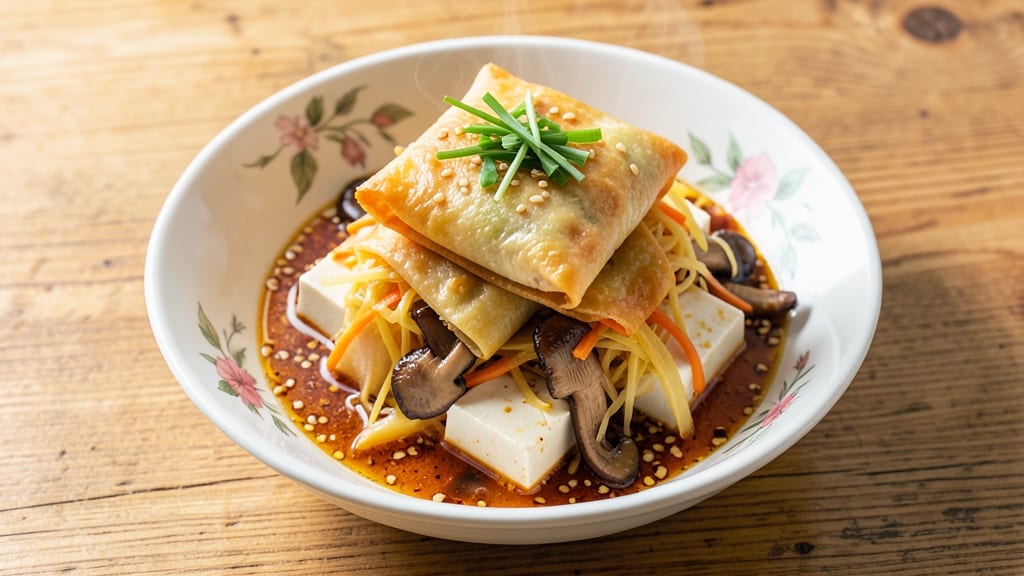
This Vietnamese taro egg roll recipe delivers the perfect balance of crispy shells and silky filling that's silky from the taro's natural starch. I developed this version after years of perfecting the texture—no soggy wrappers or dry fillings here.
The secret lies in properly preparing the taro and using the right frying technique to maintain that satisfying crunch.
What makes these egg rolls special is the taro's earthy sweetness combined with mushrooms, carrots, and tofu for a vegetarian-friendly filling that's packed with flavor. The wrappers stay crispy thanks to a double-frying method, while the filling remains tender and cohesive.
This recipe serves 4 and comes together in about 45 minutes—ideal for weeknight dinners or appetizers.
By the time you're done, you'll have golden-brown egg rolls with crispy edges that shatter slightly when bitten, revealing the tender taro filling inside. The aroma alone will have everyone gathering around the table.
Serve with a simple dipping sauce of fish sauce, lime, and chili for that authentic Vietnamese touch.
These egg rolls reheat beautifully too, making them perfect for meal prep or potlucks. The crispiness holds up surprisingly well, though they're best enjoyed fresh from the fryer. Here's how to make them perfectly every time.
Ingredients for vietnamese egg roll recipe with taro
Taro's earthy sweetness meets crispy wrappers and silky filling in these vegetarian-friendly egg rolls.
| Ingredient | Amount | Notes |
|---|---|---|
| Fresh Taro Root 🥔 | 1 ½ lb | Peeled, grated or finely diced |
| Shiitake Mushrooms 🍄 | 8 oz | Stems removed, sliced thin |
| Carrots 🥕 | 1 medium | OR 0.5 cup diced (peeled) |
| Firm Tofu 🧀 | 1 block | OR 14 oz pressed tofu |
| Egg Roll Wrappers 🍡 | 8 whole | Square, store-bought or homemade |
| Green Onions 🧅 | 3 whole | White and green parts separated |
| Vegetable Oil 🫒 | 3 cups | For frying (high smoke point) |
| Soy Sauce 🍶 | 2 tbsp | Light or regular |
| Rice Vinegar 🍶 | 1 tbsp | White or seasoned |
| Sesame Oil 🫒 | 1 tsp | Toasted for aroma |
| Salt 🧂 | ½ tsp | Kosher or sea salt |
| Black Pepper 🌶️ | ¼ tsp | Freshly ground preferred |
| Cornstarch 🌾 | 1 tbsp | For crispy coating |
| Water 💧 | ¼ cup | For taro prep |
The taro root is the star—look for firm, unblemished tubers at Asian markets or the produce section. Smaller tubers are sweeter, but any size works if peeled and grated fresh. Costco often carries them pre-peeled in the frozen section, which saves time. If using fresh, soak the grated taro in cold water for 10 minutes to remove excess starch, then drain well. The mushrooms should be plump and closed-cap shiitakes—dried ones work too if rehydrated. For the tofu, Silken Firm from Trader Joe's or Trader Joe's organic tofu holds shape best when pressed.
No taro? Sweet potato at double the amount works in a pinch, but texture will differ. Substitute shiitakes with oyster mushrooms or cremini—just slice them thinner. The tofu can be crumbled instead of diced if you prefer a different texture. For the wrappers, King Noodle or Applegate are the most reliable brands, but any square egg roll wrappers will do. The cornstarch is key for that restaurant-style crunch—don't skip it! If you're short on time, pre-shredded carrots from the produce section save chopping, though fresh tastes better.
Store uncooked wrappers in the fridge for up to 2 weeks or freeze for 3 months—they thaw in minutes. The filling keeps for 2 days in the fridge, so prep ahead. For extra crispiness, double-fry the egg rolls: first at 325°F for 3 minutes, then crank heat to 375°F for 2 more minutes. They reheat best in a 200°F oven for 10 minutes to maintain crispiness. Freeze cooked egg rolls for 2 months—just reheat from frozen in the oven.
Why You'll Love This Recipe
- No Peel, No Stress: I swear by the taro trick—just slice it thin, no peeling required. That crispy texture when fried? Worth the five minutes of prep.
- Umami Bomb Combo: Shiitake mushrooms and firm tofu soak up the garlic and fish sauce like sponges. Honestly, the first bite makes me forget I’m not at a Hanoi street stall.
- Lunchbox Hero: These roll up perfectly for work or picnics—no soggy wrappers if you fry them right. My kids even pack them in their lunches (and eat them).
- Pantry Stretch Magic: Taro lasts weeks, tofu’s cheap, and carrots add crunch without breaking the bank. Leftovers? Just reheat and devour—no waste, all flavor.
Step-by-step instructions for Vietnamese taro egg rolls
Here's how to create golden, crispy egg rolls with a silky taro filling that balances earthy and savory flavors.
Prepare the Taro Filling Base
Start by grating the 1.5 lb fresh taro root using a box grater or food processor. Transfer the grated taro to a clean towel and squeeze out all excess moisture—this is crucial for preventing soggy filling. In a large bowl, combine the taro with the 8 oz sliced shiitake mushrooms, 1 medium diced carrot, and the 1 block pressed firm tofu. The mixture should look vibrant and slightly sticky from the taro's natural starch.
Add the 2 tbsp soy sauce, 1 tbsp rice vinegar, 1 tsp sesame oil, 0.5 tsp salt, and 0.25 tsp black pepper to the bowl. Mix gently but thoroughly, ensuring all ingredients are evenly distributed. The filling should smell aromatic and earthy—this is where the magic begins. Cover the bowl and refrigerate for 30 minutes to let the flavors meld. This chilling step also helps firm up the taro slightly for easier handling later.
Create the Perfect Crispy Coating
In a small bowl, whisk together the 1 tbsp cornstarch with 0.25 cup water until completely dissolved. This slurry will create a light, crispy coating that seals in moisture while adding texture. Place the 8 whole egg roll wrappers on a clean work surface and brush each wrapper lightly with the cornstarch mixture, focusing on the edges and center. The wrappers should look slightly glossy but not wet—this ensures they'll crisp up beautifully during frying.
While the wrappers dry slightly, prepare the filling by dividing the chilled taro mixture into 4 equal portions (about ¼ cup each). Roll each portion into a log shape, about 4 inches long and 1 inch thick. These logs should be firm enough to hold their shape when wrapped but still pliable. If the mixture feels too sticky, chill it for another 10 minutes to firm up.
Assemble and Fry to Golden Perfection
Heat 3 cups vegetable oil in a deep skillet or wok to 350°F—this is the sweet spot for achieving that perfect golden-brown crust without burning. Lay one egg roll wrapper flat and place a taro log in the center, about 1 inch from the bottom edge. Fold the bottom edge over the filling, then tightly roll the wrapper upward, sealing the egg roll as you go. Repeat with the remaining wrappers and filling.
Carefully lower the egg rolls into the hot oil, working in batches if needed to avoid overcrowding. Fry for 3-4 minutes per side until they turn a deep golden brown with crispy edges. The oil should bubble steadily but not smoke excessively. Remove the egg rolls with a slotted spoon and drain on a wire rack or paper towels. They'll be hot and ready to serve immediately, with that irresistible crunch you're after.
Finish with Fresh Garnishes
While the egg rolls are still warm, slice each one diagonally into 4 pieces for easy serving. Arrange them on a platter and garnish with the white and green parts of the 3 whole green onions, sliced thin. The contrast of colors and textures makes these rolls look as impressive as they taste. For extra flavor, drizzle lightly with any remaining sesame oil from the filling preparation.
Serve these Vietnamese taro egg rolls immediately while they're crispy and hot. The combination of the crispy shell, silky taro filling, and fresh green onions creates a perfect balance of textures and flavors. Each bite delivers that satisfying crunch followed by the earthy sweetness of the taro—truly a magic combination!
Pro Tips For Making Vietnamese Egg Roll Recipe With Taro
- Boil Taro Until Fork-Tender: I learned this the hard way—undercooked taro stays gluey and turns to mush when stir-fried. Boil whole, unpeeled taro in salted water for 15-18 minutes (depending on size) until a knife slides in like butter. The skin protects the flesh, and peeling afterward is easier than wrestling with raw, slippery chunks.
- Slice Tofu Paper-Thin: Thick tofu won’t crisp properly and just sits there like a sad, chewy brick. Use a mandoline or sharp knife to shave firm tofu into ⅛-inch slices, then pat dry with paper towels—this makes all the difference when stir-frying. Skip the pressing step unless you’re making tofu steaks; here, texture matters more than structure.
- Prep Mushrooms Last: Shiitake mushrooms release water like a faucet when cooked too early. Store them in a dry paper bag in the fridge until you’re ready to slice, then wipe the caps with a damp cloth right before stir-frying. This keeps them crisp and prevents soggy egg rolls—yes, even if you’re impatient like me.
- Pan-Fry Wrappers Separately: Stuffing wrappers directly in the wok? That’s how you end up with a greasy, limp mess. Instead, lightly pan-fry each wrapper in 1 tsp oil per batch for 10 seconds per side until just pliable—this seals the edges and keeps them from tearing when you add the filling. Trust me, your rolls will hold together like they’re supposed to.
Flavor customization for this vietnamese egg roll recipe with taro
Sweet & Spicy Kick
Add 1 tbsp chili garlic sauce or ½ tsp cayenne pepper to the filling mixture for a fiery twist. I love pairing this with 1 tsp honey to balance the heat—trust me, it’s a game-changer.
For extra depth, toss in 1 tbsp finely chopped Thai basil after frying for a fresh, aromatic finish. 🌶️
Umami Boost
Elevate the savory profile by adding 1 tbsp fish sauce (or soy sauce for vegetarian) and 1 tsp miso paste to the filling. The umami richness complements the taro’s earthiness perfectly.
For a smoky note, stir in ½ tsp smoked paprika before assembling the rolls. This works especially well if you’re serving them with a tangy dipping sauce.
Herb-Infused Freshness
Brighten the filling with 2 tbsp chopped cilantro and 1 tbsp minced mint—the contrast of cool, fresh herbs cuts through the richness of the taro. If you’re feeling adventurous, add 1 tsp lime zest to the mixture for a citrusy pop.
Garnish with extra herbs after frying for a vibrant, restaurant-quality presentation. ✨
Creamy Twist
For a luxurious texture, fold ¼ cup softened cream cheese or 2 tbsp tahini into the filling before assembling. The creaminess balances the taro’s starchiness while adding a rich, velvety mouthfeel.
I recommend using this variation when serving with a lighter dipping sauce, like a yogurt-based one with cucumber and dill.
Nutty Crunch
Add texture with 2 tbsp chopped peanuts or toasted sesame seeds to the filling. For extra crunch, sprinkle crushed roasted peanuts on top before serving. This adds a satisfying contrast to the crispy wrappers and silky filling. I especially love this variation when paired with a sweet-spicy dipping sauce.
Lighter Baked Option
Skip frying entirely by brushing the assembled egg rolls with 1 tbsp oil and baking at 400°F for 15-18 minutes until golden. For crispiness, broil for 2-3 minutes at the end.
This method works well for meal prep—just reheat in the oven to restore crunch. The filling stays just as flavorful, but the wrappers take on a slightly different texture. 💫
Nutrition facts
Frequently asked questions
Can I substitute taro with another vegetable? Yes! For a similar texture, try 1.5 lb sweet potato or 1 large yam—both work well when grated and drained. However, the flavor will be slightly sweeter. For a more neutral taste, 1 lb grated daikon radish mixed with ½ lb grated jicama creates a similar silky texture. Just
How do I prevent the egg rolls from getting soggy?
Properly draining the taro and using the cornstarch coating are key! After grating, squeeze out all excess moisture from the taro with a clean towel. Then, brush the wrappers with the cornstarch slurry before frying—this creates a protective barrier. Also, fry the egg rolls in small batches to maintain oil temperature at 350°F and avoid overcrowding. Serve immediately to enjoy that perfect crunch!
What's the best way to reheat leftover egg rolls?
For best results, reheat in a 200°F oven for 10-12 minutes on a wire rack to restore crispiness. If using an air fryer, heat at 350°F for 3-4 minutes. Avoid microwaving as it makes the wrappers rubbery. For extra crunch, spray with a tiny bit of oil before reheating. Store leftovers in an airtight container for up to 2 days.
Can I make these egg rolls ahead of time?
Prepare the filling up to 2 days ahead and store it in an airtight container. Assemble the egg rolls (unfried) and refrigerate for up to 12 hours. When ready to cook, fry them fresh—they're best enjoyed immediately after frying. For freezing, fry the egg rolls completely, cool, then freeze in a single layer before transferring to a container. Reheat from frozen in the oven at 375°F for 12-15 minutes.
What's the secret to getting extra crispy wrappers?
The double-frying method is your best friend! First fry at 325°F for 3 minutes, then increase heat to 375°F for 2 more minutes. This creates a crispy outer layer while keeping the inside warm. Also, make sure your oil is hot enough—it should be bubbling gently but not smoking. Using cornstarch in the coating helps too, as it creates a lighter, crispier texture than flour.