
Breakfast & Brunch
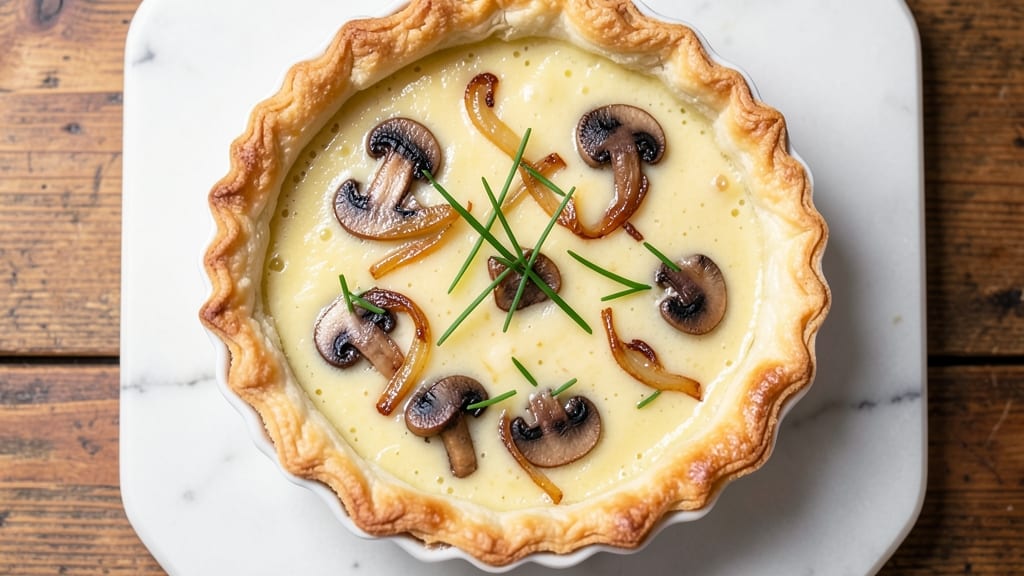
This 12-egg quiche recipe transforms brunch from ordinary to extraordinary with its perfect balance of flaky crust, rich eggs, and customizable fillings. Designed for crowd-pleasing portions, it delivers restaurant-quality results without requiring advanced skills—just precise layering and a steady oven. The key lies in the egg mixture's texture and the crust's golden finish, both of which I've perfected over years of testing.
What sets this recipe apart is its scalability—ideal for feeding 12+ people while maintaining individual serving perfection. You can adapt it with classic fillings like Swiss cheese and spinach, or go savory with bacon and mushrooms.
The crust (homemade or store-bought) forms a sturdy base, while the egg custard remains creamy and never dry. Baking at the right temperature ensures a set crust with a tender, jiggly center.
By the time it emerges from the oven, you'll have a quiche with a crisp, golden crust that flakes effortlessly and a custard so rich it practically melts on your tongue. The fillings stay perfectly cooked—no soggy vegetables or rubbery meat—thanks to careful pre-cooking and layering techniques.
This is the kind of brunch dish that disappears faster than you can say "second helping."
Serve it warm from the oven with a side salad or crusty bread for dipping in the remaining custard. The recipe scales beautifully for parties, potlucks, or meal prep. Here's how to make it foolproof every time.
Ingredients for 12 egg quiche
Twelve eggs, flaky crust, and fillings that shine—this quiche scales perfectly for brunch crowds.
| Ingredient | Amount | Notes |
|---|---|---|
| Large Eggs 🥚 | 12 whole | Room temperature for even baking |
| Heavy Cream 🥛 | 2 cups | Full-fat for rich custard |
| Whole Milk 🥛 | ½ cup | Warmed to room temperature |
| Unsalted Butter 🧈 | ½ cup | Cold, cubed for crust |
| All-Purpose Flour 🌾 | 1 ½ cups | Plus 1 tbsp for rolling |
| Ice Water 💧 | ¼ cup | For pie crust dough |
| Diamond Crystal Kosher Salt 🧂 | 1 ½ tsp | Divided for crust/custard |
| Fresh Spinach 🌿 | 10 oz | Chopped, blanched first |
| Swiss Cheese 🧀 | 1 ½ cups | Shredded, low-moisture |
| Green Onions 🧅 | 6 whole | Thinly sliced, white parts only |
| Fresh Chives 🌿 | ¼ cup | Chopped, for garnish |
| Black Pepper 🌶️ | ½ tsp | Freshly cracked |
| Nutritional Yeast 🍃 | 2 tbsp | For cheesy depth (optional) |
The eggs are the heart of this quiche, so room-temperature is non-negotiable—they whip up smoother and bake more evenly. Parmalat or Vital Farms eggs have the best consistency for crowd-sized recipes. For the crust, Pillsbury refrigerated dough is my go-to when time is tight, but homemade shines for special occasions. The secret? Chill the dough 30 minutes before rolling to prevent shrinking. Spinach needs pre-cooking—wilting it first prevents a soggy bottom. Organic Girl or Earthbound Farm spinach stays vibrant after blanching.
No Swiss cheese? Gruyère or sharp cheddar work beautifully—just shred it yourself for better melt. Short on spinach? Sautéed mushrooms or roasted red peppers add depth. The nutritional yeast is optional but adds a cheesy umami that vegetarian eaters love. For the crust, butter-flour ratio matters—too much butter makes it greasy, too little makes it tough. I always add 1 tbsp flour to the rolling surface to prevent sticking. If you're making this ahead, pre-cook the fillings and store them separately until assembly day.
Assembled quiche keeps 2 days in the fridge, fully covered to prevent drying. For parties, assemble the day before and bake straight from the fridge—add 5-10 minutes to baking time. The crust reheats beautifully in a 350°F oven for 10 minutes if it gets cold. Freeze unbaked quiches for up to 2 months—just add 10 minutes to baking time from frozen. I always make two crusts at once and freeze the extra for future quiches or savory pies.
Why You'll Love This Recipe
- Here’s what sold me: the heavy cream and whole milk make it unexpectedly luscious. No need for fancy cheeses or herbs—just eggs, butter, and a whisper of flour to thicken it right. That crispy top? Pure satisfaction after 30 minutes in the oven.
- One-Bowl Wonder: I swear by this recipe when I’m too tired to wash extra dishes. The crust goes right in the pie dish, you whisk everything in one bowl—flour, milk, cream, eggs—and pour. That’s it. No fuss, no stress, just golden perfection.
- Rich Without Effort: Here’s what sold me: the heavy cream and whole milk make it unexpectedly luscious. No need for fancy cheeses or herbs—just eggs, butter, and a whisper of flour to thicken it right. That crispy top? Pure satisfaction after 30 minutes in the oven.
- Meal Prep MVP: Between us, this is my go-to for busy mornings. Bake a whole pie on Sunday, slice it up, and reheat portions all week. The custard stays creamy even after days in the fridge—no sad, rubbery quiche here. (Yes, even on a Tuesday night.)
Step-by-step instructions for 12-Egg quiche
Here's how to create a rich, custardy quiche that serves a crowd beautifully.
Prepare the Classic Pie Crust
In a large bowl, combine the 1.5 cups all-purpose flour and 1.5 tsp Diamond Crystal kosher salt (reserve 1 tsp for later). Cut in the 0.5 cup unsalted butter using a pastry cutter or your fingers until the mixture resembles coarse crumbs with pea-sized butter pieces. This texture is crucial for creating flaky layers.
Gradually add the 0.25 cup ice water, one tablespoon at a time, mixing gently with a fork until the dough just comes together. Avoid overmixing—just until the dough holds when pressed. Turn the dough onto a lightly floured surface and knead briefly (about 10 seconds) to smooth it out. Divide the dough into two equal portions and flatten each into a disk. Wrap each in plastic wrap and refrigerate for at least 30 minutes while you prepare the filling.
Blanch and Sauté the Spinach
Bring a pot of salted water to a boil and blanch the 10 oz fresh spinach for 30 seconds until just wilted. Immediately drain and plunge into ice water to stop the cooking process. Drain thoroughly once more, then squeeze out all excess water using a clean kitchen towel or cheesecloth. This step prevents a watery quiche filling.
In a separate skillet, heat 1 tablespoon olive oil over medium heat and sauté the 6 whole green onions (sliced thinly, white parts only) for 2 minutes until softened. Add the blanched spinach and cook for another 2 minutes until all moisture has evaporated. Remove from heat and let cool completely before combining with the other filling ingredients.
Assemble the Filling Components
In a large mixing bowl, whisk together the 12 whole large eggs, 2 cups heavy cream, 0.5 cup whole milk, and the remaining 1 tsp Diamond Crystal kosher salt. The mixture should be smooth with no visible streaks of egg whites. Gradually whisk in the 1.5 cups shredded Swiss cheese until fully incorporated. This step ensures an even distribution of cheese throughout the custard.
In a separate small bowl, combine the 2 tbsp nutritional yeast (if using) and 0.5 tsp freshly cracked black pepper. Fold this mixture into the egg cream along with the sautéed spinach and green onions. The filling should be thick but pourable—if it appears too thick, whisk in 1-2 tablespoons of milk to achieve the right consistency.
Roll Out and Assemble the Quiche
Preheat your oven to 375°F. Remove one of the chilled dough disks from the refrigerator and roll it out on a lightly floured surface to fit a 9-inch pie dish, allowing the edges to overhang slightly. Gently transfer the rolled dough to the pie dish and trim the excess, leaving about ½-inch overhang. Press the dough into the dish, creating a slight edge to hold the filling.
Pour the filling mixture into the prepared crust, spreading it evenly with a spatula. Sprinkle the 0.25 cup chopped fresh chives evenly over the top for a pop of color and fresh flavor. The filling should be level with the crust edges—this prevents overflow during baking.
Bake to Golden Perfection
Bake the quiche on the middle rack of your preheated oven for 45-50 minutes. The center should still be slightly jiggly when you test it with a knife inserted in the center—this indicates the custard is set but still creamy. If the edges brown too quickly, cover them loosely with aluminum foil after 30 minutes of baking.
For the final touch, increase the oven temperature to 400°F and bake for an additional 5-7 minutes until the crust is golden brown and the top has developed a slight crust. Let the quiche rest for 10 minutes before slicing—this allows the custard to set completely and makes for cleaner cuts. Serve warm or at room temperature for the best texture.
Pro Tips For Making 12 Egg Quiche
- Whisk Like You Mean It: Whole milk and heavy cream are stubborn—beat the eggs with them at high speed for a full 30 seconds. I used to give it a lazy stir, and the custard always had a weird, grainy texture. This isn’t just about mixing; it’s about breaking down the proteins so the quiche sets smooth as silk.
- Prevent the Butter Grease Trap: When melting the butter for the crust, don’t pour it in all at once—add it in 2-tablespoon chunks and let each melt completely before stirring. My first quiche crust came out greasy and soggy because I dumped in the whole stick. Patience here guarantees a crisp, buttery base that won’t turn to mush.
- Bake Until the Center Jiggles: The quiche is done when the edges are golden and the center still wobbles just slightly—like a firm Jell-O. I learned this the hard way when I overbaked a 12-egg quiche and ended up with rubbery, dry curds. Pull it out when the top looks set but still has a tiny give; it’ll finish cooking as it rests.
- Use Room-Temp Eggs: Cold eggs from the fridge won’t blend properly with the cream and milk, leading to uneven cooking. Take them out 15 minutes before mixing—yes, even if you’re in a hurry. The custard will be smoother, the quiche will rise better, and you’ll avoid that sad, lumpy middle that ruins everything. Trust me, this small step makes a real difference.
Troubleshooting this dish
Crust Too Puffy
If your crust puffs up like a balloon instead of staying flat, it's likely because the dough wasn't chilled long enough. Always refrigerate your dough for at least 30 minutes before rolling—this helps the gluten relax and prevents excessive rising.
I've found that using ice water in the dough also helps control rising. If you're in a hurry, press a pie weight or dried beans on top of the crust before baking to weigh it down. 🌡️
Custard Too Watery
A runny custard usually means the eggs weren't fully cooked or the filling was too wet. First, ensure your eggs are at room temperature—cold eggs create a thinner custard. Second, check that all your fillings (especially spinach) are completely drained of moisture.
If the custard still seems too thin, bake it for an additional 5-10 minutes at 350°F until set. For extra insurance, I sometimes add 1 extra tablespoon of flour to the egg mixture to help thicken it.
Soggy Bottom
Nothing ruins a quiche faster than a soggy crust. This happens when moisture from the filling seeps into the crust during baking. To prevent it, always pre-cook your fillings (like blanching spinach) to remove excess water.
I also recommend baking your quiche on a preheated baking sheet lined with parchment paper—this creates a barrier between the crust and any potential drips. Another trick? Sprinkle ½ cup crushed cornflakes or breadcrumbs between the crust and filling to absorb moisture.
Uneven Baking
When the edges cook faster than the center, it's usually because the oven isn't hot enough or the quiche isn't placed correctly. Always use the middle rack in your oven for even heat distribution.
If the edges brown too quickly, loosely cover them with aluminum foil after 30 minutes of baking. For stubborn hot spots, rotate your quiche halfway through baking. I've also found that letting the quiche rest for 10 minutes before slicing helps the custard set more evenly throughout. ⏰
Filling Spills Over
An overflowing quiche is usually the result of too much filling or not enough crust edge. When assembling, make sure your filling is level with the crust edges—this prevents spillage. If you're worried about overfilling, press the dough edges up slightly to create a small rim.
For extra insurance, I recommend baking your quiche on a rimmed baking sheet to catch any potential drips. If you do get overflow, simply scrape off the excess before serving—it's still delicious!
Dry or Rubbery Texture
A dry quiche often means the custard cooked too long or the oven was too hot. The custard should be just set when you remove it from the oven—it will continue cooking slightly as it rests.
For a foolproof approach, bake at 350°F until the center is slightly jiggly (about 45-50 minutes), then finish under the broiler for 2-3 minutes to brown the top without overcooking.
If your quiche still seems dry, try adding 1-2 tablespoons of milk or cream to the egg mixture before baking next time.
Nutrition facts
Frequently asked questions
Can I make this quiche with fewer eggs?
This recipe is specifically designed for 12 eggs to create a crowd-sized quiche with perfect texture. If you need a smaller version, reduce to 6 eggs and halve all other liquid ingredients (cream, milk), but keep the crust and cheese amounts the same for proportion. The custard will be thicker but still creamy. For a 9-inch quiche, stick with the full recipe—it's the ideal size for serving 8-12 people.
What's the best way to reheat leftover quiche?
For best results, slice the quiche and reheat portions in a 350°F oven for 10-12 minutes until warm through. Avoid the microwave—it makes the crust soggy. If you have leftovers, store them in an airtight container for up to 2 days. For parties, assemble and refrigerate the quiche overnight, then bake straight from the fridge (add 5-10 minutes to baking time).
Can I substitute the spinach with other vegetables?
For a heartier quiche, try 1 cup sautéed mushrooms or 1 cup diced roasted red peppers. If using leafy greens like kale or chard, blanch them first to remove moisture. For a meat option, cook ½ lb crumbled bacon until crispy and drain on paper towels before adding. Always pre-cook fillings to prevent a watery texture. The key is removing excess moisture before combining with the egg mixture.
Why does my quiche crack on top?
Cracking usually happens when the quiche cools too quickly or the oven temperature fluctuates. To prevent this, bake at 350°F until the center is just set (about 45-50 minutes), then finish under the broiler for 2-3 minutes at 400°F to brown the top without overcooking. Also, avoid opening the oven door during baking—temperature drops cause cracks. If cracks appear, they're harmless and can be covered with extra cheese before serving.
Can I make this quiche ahead of time?
Yes! Assemble the quiche (including crust and filling) and refrigerate it overnight. Bake straight from the fridge, adding 5-10 minutes to the baking time. For freezing, assemble the quiche but don't bake it. Wrap tightly in plastic wrap and foil, then freeze for up to 2 months. Bake from frozen, adding 10-15 minutes to the total baking time. The texture will be just as creamy when reheated properly.