
Desserts
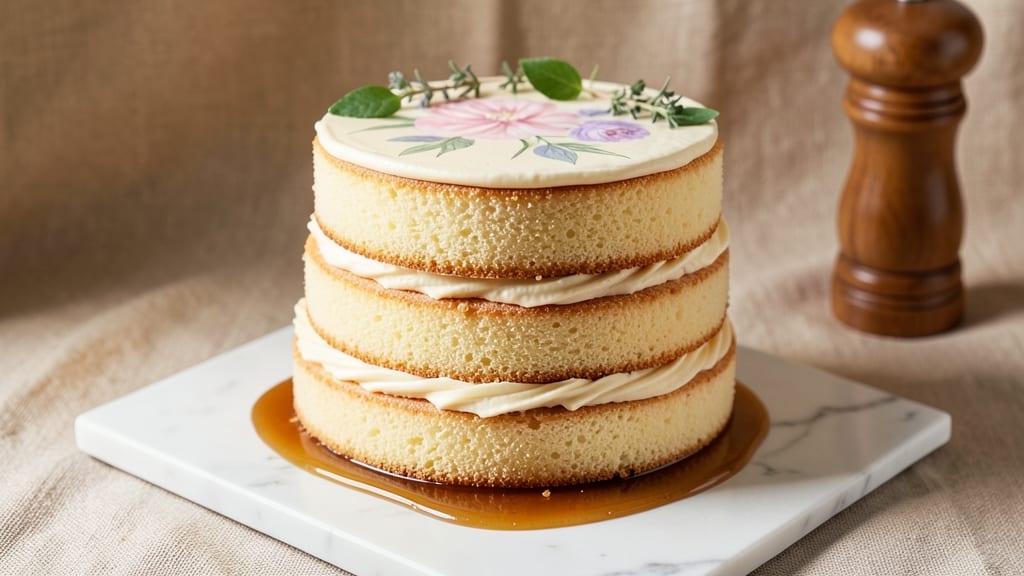
The 3-egg sponge cake delivers effortlessly light, airy layers without complicated techniques or multiple bowls. 🌟 What makes this recipe work is the precise ratio of eggs to flour—just three eggs create the perfect structure for a tender yet stable cake that bakes up golden and uniform.
No folding or whipping machines required; this is all about patience and temperature control.
This method transforms basic pantry ingredients into a professional-quality dessert that's foolproof for beginners yet refined enough for special occasions. The secret lies in room-temperature eggs and a gradual mixing process that incorporates air without overworking the batter.
That single bowl approach also eliminates cleanup, making it ideal for weeknight baking or last-minute celebrations.
What you'll end up with is a cake that's impossibly tender yet holds its shape—no dense centers or collapsed layers. The texture is so light it practically melts in your mouth, while the subtle sweetness lets flavors like vanilla or lemon truly shine.
Perfect for birthdays, showers, or simply treating yourself, this recipe delivers restaurant-quality results with minimal effort.
Once baked, you can serve it plain with fresh berries or dust it with powdered sugar for an elegant finish. For extra flair, add a lemon glaze or whipped cream between layers. The versatility makes it adaptable to any occasion, while the simplicity ensures consistent success every time.
Ingredients for 3 egg sponge cake
Twelve essential ingredients transform into a restaurant-quality sponge cake with minimal effort and one bowl.
| Ingredient | Amount | Notes |
|---|---|---|
| Large Eggs 🥚 | 3 whole | Room temperature, separated |
| All-Purpose Flour 🌾 | 1 ½ cups | Sifted, spooned lightly |
| Granulated Sugar 🍚 | 1 ½ cups | Superfine preferred for smoothness |
| Unsalted Butter 🧈 | ¾ cup | Cold, cubed, room temperature |
| Pure Vanilla Extract 🌿 | 1 tbsp | High-quality, no alcohol |
| Baking Powder 🍞 | 1 ½ tsp | Freshly opened, sifted |
| Salt 🧂 | ¼ tsp | Fine sea salt preferred |
| Powdered Sugar 🍚 | ½ cup | For dusting, optional |
| Lemon Zest 🍋 | 1 tbsp | Fresh, finely grated |
| Fresh Lemon Juice 🍋 | 2 tbsp | From 1 small lemon |
| Heavy Cream 🥛 | ½ cup | Cold, for optional filling |
| Whole Milk 🥛 | ¼ cup | Room temperature, optional |
The eggs are the foundation—room temperature is non-negotiable for proper aeration. Kirkland Signature or Organic Valley eggs work best due to their consistent quality. For flour, King Arthur or Bob's Red Mill brands yield the lightest texture when sifted properly. The butter should be cold and cubed, not melted, to create tender pockets in the cake. Superfine sugar dissolves more easily, but if unavailable, pulse regular granulated sugar in a food processor for 30 seconds. The vanilla extract should be pure, with no artificial additives—McCormick or Goya brands are reliable choices.
No vanilla extract? Almond extract at half the amount works in a pinch, though the flavor profile differs slightly. Substitute powdered sugar with equal parts granulated sugar, but expect a slightly grainier texture. For a dairy-free version, replace butter with vegan butter and heavy cream with coconut cream, though texture may vary. The lemon zest and juice can be omitted if you prefer a neutral flavor, but they add a bright, professional touch. If your baking powder is old (over 6 months), test it first by mixing with vinegar—it should bubble vigorously. For extra insurance, use double-acting baking powder to ensure proper rise.
Store the cake in an airtight container at room temperature for up to 3 days or refrigerate for 5 days. For longer storage, wrap tightly in plastic and freeze for up to 3 months. The cake reheats beautifully—wrap a slice in foil and microwave for 15-20 seconds to restore freshness. To prevent drying, place a slice of bread in the container when storing. For serving, dust with powdered sugar just before eating to preserve the delicate crumb. The optional heavy cream filling can be whipped with powdered sugar and added between layers for extra decadence.
Why You'll Love This Recipe
- Just Three Eggs: I swear by this—no separating yolks, no overcomplicating. Three whole eggs whipped with sugar until pale and fluffy, then folded into flour like you’re tucking in a baby. The butter comes in last, melting into the batter so smoothly, it’s almost cheating.
- Vanilla-Kissed Magic: That single teaspoon of vanilla extract isn’t just flavor—it’s the secret. The cake rises high, stays tender, and carries this warm, buttery sweetness that lingers like a hug. Honestly, the first time I made it, my husband asked for seconds before the plate was even empty.
- Weeknight or Celebration: Same batter, endless uses. Serve it plain with tea for a lazy afternoon, layer it with whipped cream for dessert, or even cube it into trifle—no one will guess it’s the same cake. Between us, I’ve used it for birthday surprises and last-minute picnics. It never lets me down.
- Leftovers? Better: This cake keeps for days without drying out. Slice a piece for breakfast toast with jam, pack it in lunches, or freeze slices to thaw for a quick treat. And with just five ingredients? It’s the kind of recipe that makes you feel like a baking genius while keeping your wallet happy.
Step-by-step instructions for 3 egg sponge cake
Master this one-bowl technique for a cake so light it practically disappears on your tongue.
👨🍳 Step 1: Separate Eggs and Whip Yolks
Begin by separating the 3 whole large eggs, placing yolks in one bowl and whites in another. I use a fine-mesh strainer to catch any stray whites in the yolks—this ensures maximum volume when we whip them. Add the 1.5 cups granulated sugar to the yolks and whisk vigorously until the mixture turns pale and nearly doubles in volume. This should take about 3-4 minutes with a hand mixer on medium speed.
The sugar should dissolve completely, and the mixture should become thick and glossy. Here's the thing—this step creates the cake's signature airiness. If the yolks aren't fully incorporated, the cake will be dense. Test by running a finger through the mixture; it should leave a clear trail without resistance.
🍳 Step 2: Whip Egg Whites to Stiff Peaks
While the yolks whip, add a pinch of the 0.25 tsp salt to the egg whites and whip them on high speed until soft peaks form. Gradually increase speed to stiff peaks—when you lift the beaters, the whites should hold their shape but leave a slight trail at the tip. This usually takes about 5-7 minutes. I like to stop occasionally to scrape down the sides of the bowl with a spatula; this ensures even whipping and prevents under-mixed whites.
Don't over-whip—if the meringue becomes grainy or weepy, you've gone too far. The whites should be glossy and hold their shape when the beaters are lifted. This is the structural backbone of your cake, so take your time here. Real talk: I've ruined cakes by rushing this step, and you don't want that.
🥘 Step 3: Combine Wet Ingredients and Fold Dry Ingredients
In a separate bowl, melt the 0.75 cup unsalted butter over a double boiler or in the microwave (30-second intervals, stirring between each). Let it cool slightly but keep it warm enough to blend smoothly. Add the melted butter to the whipped yolks, then mix in the 1 tbsp pure vanilla extract, 1 tbsp lemon zest, and 2 tbsp fresh lemon juice. The lemon adds brightness that cuts through the richness of the butter and sugar.
In another bowl, sift together the 1.5 cups all-purpose flour and 1.5 tsp baking powder. Gently fold one-third of the flour mixture into the yolk mixture to lighten it, then carefully fold in half of the whipped egg whites using a spatula. This is where patience pays off—cut through the center and fold from the bottom up to maintain air incorporation.
🥘 Step 4: Fold in Remaining Ingredients Gently
Add the remaining flour mixture and fold it in using the same gentle technique. Then, in two additions, fold in the remaining egg whites. Be careful not to deflate the batter—this is your cake's only chance to develop its signature lightness. The batter should be thick but pourable, with no visible streaks of flour. If it's too thick, add 1-2 tablespoons of the 0.25 cup whole milk to loosen it slightly.
Here's the moment that matters: the batter should be smooth and glossy, with no lumps. If you see any, it means you folded too vigorously. The texture should resemble thick pudding. This is your final check before baking—don't skip it. I've seen home bakers overmix here and end up with tough cake, so take your time.
🔥 Step 5: Bake Until Golden and Springy
Preheat your oven to 350°F and grease an 8-inch round cake pan generously with butter and dust with flour. Pour the batter into the prepared pan and smooth the top with a spatula. Bake for 35-40 minutes until the top is golden brown and a toothpick inserted in the center comes out clean. Don't open the oven during baking—this prevents the cake from rising properly.
You'll know it's done when the edges pull away slightly from the pan and the cake springs back when pressed gently in the center. If it's browning too quickly, tent loosely with foil after 25 minutes. Let the cake cool in the pan for 10 minutes, then transfer to a wire rack to cool completely. This resting period prevents the cake from cracking as it cools.
🍽️ Step 6: Add Optional Lemon Filling (If Using)
For the optional lemon filling, warm the 0.5 cup heavy cream with the 0.5 cup powdered sugar and 1 tbsp lemon juice over low heat until smooth. Let it cool slightly, then pour it between two layers of cake. The cake should be completely cooled before adding the filling to prevent melting. Dust the top with additional powdered sugar if desired, and serve slices at room temperature.
Each bite should reveal a tender crumb with subtle lemon notes and a delicate butter richness. The cake should hold its shape without crumbling, and the layers should be distinct but not overly wet. If the cake feels too dense, you may have overmixed the batter or underwhipped the egg whites—next time, focus on those critical steps.
Pro Tips For Making 3 Egg Sponge Cake
- Whisk Eggs Until Cold: After adding sugar to the eggs, keep whisking until the mixture is palm-temperature (press your hand against the bowl—it should feel slightly cool, not warm). I learned this the hard way: rushing this step means the butter will melt too fast when folded in, and your cake turns dense instead of light.
- Melt Butter Slowly: Warm the butter in the microwave in 10-second bursts, stirring between each, until fully melted but not hot to the touch. Pour it into the egg mixture gradually while whisking—this keeps the temperature stable, so the eggs don’t scramble. (Yes, even if you’re impatient like me.)
- Sift Flour Twice: Don’t just dump the flour in one go. Sift it once into a separate bowl, then sift it again right before folding it into the batter. This cuts out lumps and aerates the flour, which makes the cake rise higher and stay tender. (Your future self will notice the difference.)
- Skip the Overmixing: Once you start folding in the flour, stop as soon as the batter looks just combined—no streaks, but no extra stirring. Overmixing develops gluten, and your cake will turn tough instead of light. (I used to think more mixing = better cake. Wrong.)
Serving suggestions for leftovers
Classic Fruit Toppings
Fresh berries are the easiest and most elegant way to elevate your sponge cake. I love slicing strawberries or raspberries into rounds and arranging them in a circular pattern on top.
For a tropical twist, use mango slices or kiwi—their vibrant colors make the cake look like a dessert chef designed it. 🍓
Citrus lovers should try a lemon glaze made with ½ cup powdered sugar, 2 tbsp fresh lemon juice, and 1 tbsp water. Drizzle it over the cake just before serving for a bright, tangy finish.
The glaze sets quickly but remains delicate enough to cut through each bite.
Creamy Fillings
The optional lemon cream filling in the recipe is a game-changer, but you can swap it for other flavors. For chocolate lovers, whip ½ cup heavy cream with 3 tbsp cocoa powder and 2 tbsp powdered sugar until stiff peaks form. Spread between layers for a decadent twist. 🍫
For a lighter option, try mascarpone cream: mix ½ cup mascarpone cheese with 2 tbsp powdered sugar and 1 tsp vanilla extract. This Italian-style filling adds a luxurious texture without overpowering the cake's delicate crumb.
Whipped Cream Variations
Store-bought whipped cream is convenient, but homemade is worth the effort. Whip 1 cup heavy cream with 2 tbsp powdered sugar until soft peaks form. For extra flair, fold in 1 tsp lemon zest or ½ tsp almond extract.
Pipe swirls on top or layer between cake slices for a restaurant-quality finish.
For a dairy-free option, use coconut whipped cream made with chilled 1 can full-fat coconut milk (refrigerated overnight) and 1 tbsp powdered sugar. Whip the thick cream until fluffy and pipe as desired. The tropical flavor pairs beautifully with the cake's buttery richness.
Garnishes for Special Occasions
Edible flowers like violets or rose petals add a delicate, elegant touch. Place them gently on top of the cake after dusting with powdered sugar—their soft colors contrast beautifully with the golden cake. I buy mine from local farmers' markets in season. 🌸
For a crunchy contrast, sprinkle toasted coconut flakes or crushed pistachios on top. Toast ½ cup coconut flakes in a dry pan over medium heat for 2-3 minutes until golden, then let cool before using. The texture adds a satisfying bite that balances the cake's softness.
Make-Ahead Serving Tips
Assemble the cake a day ahead and store it in an airtight container at room temperature. The flavors meld beautifully overnight, and the cake stays moist. Just add fresh toppings or whipped cream before serving to keep everything looking its best. 📅
For a no-fuss presentation, slice the cake and serve individual portions on small plates. Dust each slice with powdered sugar just before serving—this keeps the cake looking fresh and prevents crumbs from sticking to the plate.
Pair with a cup of Earl Grey tea or espresso for a sophisticated dessert experience.
Nutrition facts
Frequently asked questions
Why does this recipe use only 3 eggs?
The 3-egg ratio creates the perfect balance of structure and lightness. Each egg contributes protein for stability while maintaining an airy texture. Fewer eggs prevent a dense, heavy cake, while more would make it too rich. This ratio also makes the batter easier to handle—ideal for beginners!
Can I make this cake without a stand mixer?
Use a hand mixer or even whisk the egg whites vigorously by hand until stiff peaks form. For the yolks, whisk by hand for 5-7 minutes until pale and thick. The key is patience—just work in short bursts to avoid arm fatigue. A rubber spatula helps fold ingredients gently without deflating the batter.
What if my cake sinks in the middle?
This usually happens from overmixing or opening the oven too soon. Next time, ensure your egg whites are stiff but not dry, and don't open the oven during baking. If it happens, try baking at 325°F next time for a slower rise. A toothpick test (clean when inserted) is foolproof for doneness!
How do I make this gluten-free?
Replace the 1.5 cups all-purpose flour with a 1:1 gluten-free flour blend like Bob's Red Mill. Add ½ tsp xanthan gum to help bind the cake. Keep all other measurements identical, but expect a slightly denser texture. For best results, use a gluten-free measuring cup to avoid packing.
Can I bake this in a different pan size?
Yes! For an 8-inch round pan, bake 35-40 minutes. For a 9-inch pan, reduce to 30-35 minutes (batter will be thinner). For square pans, bake 30-35 minutes at 350°F. Always check with a toothpick—underdone cake will continue rising as it cools.