
Breakfast & Brunch
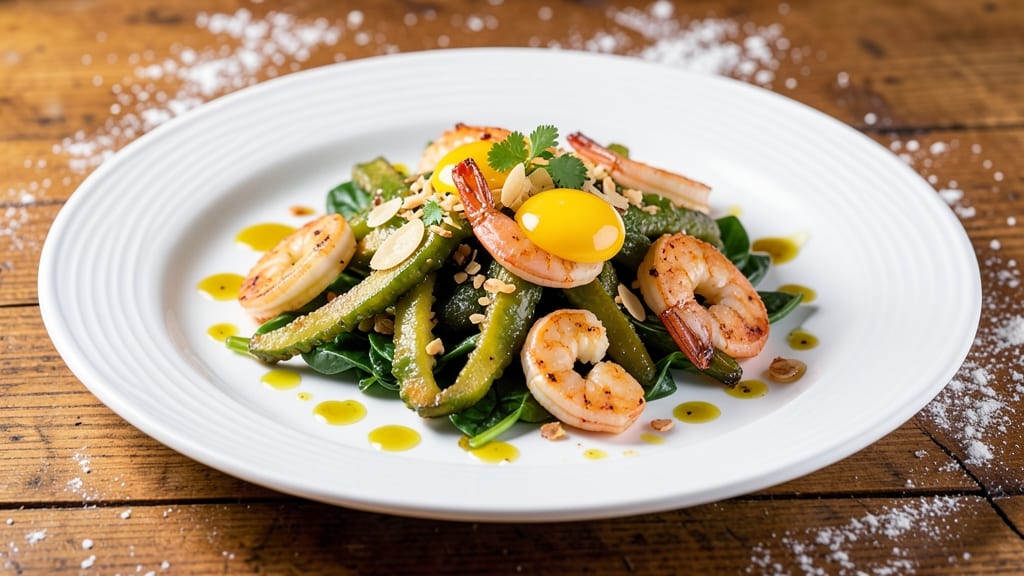
Ampalaya with egg and shrimp transforms a simple one-pan breakfast into a Filipino flavor explosion—crispy shrimp, silky eggs, and tender bitter melon all coming together in under 20 minutes. The secret lies in quick stir-frying the shrimp first to lock in their snap, then blending the ampalaya until it reaches that signature creamy yet slightly textured consistency. This dish proves Filipino home cooking doesn’t require hours in the kitchen—just the right technique and fresh ingredients.
The magic happens when the shrimp hits the hot pan first, developing that signature caramelized crust before the ampalaya and eggs join the party. The bitter melon is sautéed just enough to soften its edges without losing its subtle bitterness, then blended into a velvety sauce that coats every bite.
Eggs, cooked sunny-side-up or scrambled, add richness that balances the dish's unique flavors. What you end up with is a plate that looks as impressive as it tastes—perfect for brunch or a quick weekday dinner.
This recipe delivers restaurant-quality results without the fuss—no complicated steps, just a one-pan approach that minimizes cleanup. The shrimp stays crispy, the eggs remain tender, and the ampalaya achieves that perfect creamy texture that makes this dish unforgettable.
Whether you're serving it to guests or treating yourself to a Filipino-inspired breakfast, this recipe is your shortcut to authentic flavor.
For extra depth, finish with a sprinkle of black pepper and a squeeze of calamansi (or lemon in a pinch). The acidity brightens the dish, cutting through the richness of the eggs and shrimp while enhancing the ampalaya's natural sweetness.
Ready in 20 minutes, this breakfast brilliance proves that the best meals often require the least effort.
Ingredients for ampalaya with egg and shrimp
Crispy shrimp, silky eggs, and creamy bitter melon—this one-pan breakfast delivers Filipino flavors in record time.
| Ingredient | Amount | Notes |
|---|---|---|
| Medium Shrimp (peeled, deveined) 🦐 | 1 lb | Large size for crispiness |
| Ampalaya (Bitter Melon) 🍆 | 1 whole | Medium size, trimmed |
| Large Eggs 🥚 | 4 whole | Fresh for silky texture |
| Extra-Virgin Olive Oil 🫒 | 3 tbsp | High quality for frying |
| Garlic Cloves 🧄 | 3 cloves | Minced for aroma |
| Shallots 🧅 | 2 whole | Finely chopped |
| Calamansi Juice (or Lemon Juice) 🍋 | 2 tbsp | Freshly squeezed |
| Salt 🧂 | 1 ½ tsp | Kosher or sea salt |
| Black Pepper 🌶️ | ½ tsp | Freshly ground |
| Soy Sauce 🍶 | 1 tbsp | For shrimp marinade |
| Ground White Pepper 🌶️ | ¼ tsp | For subtle peppery note |
| Green Onions 🧅 | 3 whole | Chopped for garnish |
| Butter (optional) 🧈 | 1 tbsp | For egg cooking |
Shrimp is the star here, so size matters. Grab medium or large shrimp—they stay crispy while cooking. Look for fresh, wild-caught shrimp if possible, but frozen works in a pinch (just thaw overnight in the fridge). The ampalaya (bitter melon) can be tricky to find at regular grocery stores, but Asian markets always have it. If you can't find it, sub with zucchini or eggplant—they'll add a different texture but still work. For the eggs, freshness is key—they should be bright and firm, not rubbery. The calamansi juice is the magic touch, but lemon juice works perfectly if you can't find it.
No calamansi? Lime juice is your next best bet—it's brighter than lemon but still adds that zesty kick. The shrimp marinade is simple: just mix soy sauce, white pepper, and a pinch of salt. Let them sit for 10 minutes max—any longer and they'll get mushy. For the ampalaya, trim the ends and slice into 1/4-inch rounds. The bitterness mellows as it cooks, so don't worry if it seems intense raw. If you're using zucchini as a sub, slice it thinner so it cooks faster. The green onions add a pop of color—save some for garnish at the end.
This dish reheats beautifully, though the shrimp loses its crispiness. Keep leftovers covered in the fridge for up to 2 days. The ampalaya sauce thickens as it cools, so add a splash of water if it seems too thick when reheating. For extra flavor, store the shrimp marinade in a small jar—it keeps for 3 days in the fridge. The eggs are best eaten fresh, but you can scramble leftovers into a quick omelet. Freezing isn't recommended for the shrimp or eggs, but the ampalaya sauce freezes well for up to 1 month—just thaw and reheat gently.
Why You'll Love This Recipe
- One-Pan Magic: I swear by this recipe when I’m too tired to scrub pots—just toss the shrimp, sliced bitter melon, and eggs into a hot pan with olive oil and minced garlic. The bitter melon softens into a silky texture while the shrimp sizzles, and the eggs poach right in the same oil. No flipping, no fuss, just hands-off cooking while you stir occasionally.
- Garlic-Shrimp Crunch: That first bite where the shrimp meets the crispy edge of the egg? Chef’s kiss. The shrimp stays juicy but gets a golden sear from the olive oil, while the garlic infuses everything with a warm, aromatic punch. Honestly, I’ve made this with just shrimp and egg before—still delicious, but the bitter melon adds a bright, almost citrusy contrast that makes it feel special.
- Leftover Reinvention: Between us, this dish tastes even better the next day. The flavors meld into something richer, and the bitter melon’s sharpness softens into a pleasant tang. I’ll often reheat it with a sprinkle of soy sauce or a squeeze of calamansi for lunch—no one ever guesses it’s yesterday’s dinner. Plus, it reheats in minutes, which is a win when you’re juggling work and kids.
- Budget Weeknight Win: I buy shrimp in bulk when it’s on sale, freeze half, and this recipe stretches it far. A single bitter melon lasts for two meals, and eggs? Always affordable. The olive oil and garlic are pantry staples, so you’re not breaking the bank for anything. It’s my go-to when I need a hearty, protein-packed meal without the grocery splurge. (Yes, even on a Tuesday night.)
Step-by-step instructions for ampalaya with egg and shrimp
This one-pan dish comes together faster than you can say "sabay-sabay"—here's how to make it shine.
Prep the Ampalaya and Shrimp
Start by trimming the bitter melon (ampalaya) into ½-inch thick slices, removing any seeds. I like to cut them into ½-inch wide strips for even cooking. Rinse the slices thoroughly under cold water to remove any lingering bitterness, then pat completely dry with paper towels—this ensures they crisp up nicely in the pan.
Next, prepare the shrimp by marinating them in a small bowl with 1 tablespoon soy sauce, ½ teaspoon black pepper, and ¼ teaspoon ground white pepper. Let them sit for 10 minutes while you prep the rest. This marinade adds depth of flavor that balances the bitter melon perfectly. Don't skip this step—it makes all the difference in the final dish.
Sauté the Aromatics and Ampalaya
Heat 1 tablespoon extra-virgin olive oil in a large skillet over medium-high heat until shimmering. Add the minced garlic cloves and finely chopped shallots, cooking for 1-2 minutes until fragrant but not browned. Here's the thing—garlic burns fast, so keep an eye on it.
Push the aromatics to one side of the pan and add the remaining 2 tablespoons olive oil. Place the ampalaya slices in the pan, spreading them out in a single layer. Cook for 3-4 minutes until the edges begin to soften and turn slightly translucent. You want them tender-crisp, not mushy. If they release easily from the pan, they're ready to move on.
Cook the Shrimp and Finish the Sauce
Add the marinated shrimp to the pan in a single layer, cooking for 2-3 minutes per side until they turn pink and opaque. The shrimp should release easily from the pan when done—if they stick, they're overcooked. Remove them and set aside on a plate, keeping them warm.
Pour in the 2 tablespoons calamansi juice (or lemon juice) and scrape up any browned bits from the bottom of the pan. These bits are packed with flavor—don't miss them! Let the sauce simmer for 1 minute until slightly reduced. Add the 1.5 teaspoons salt and stir to combine. This bright, tangy sauce cuts through the bitterness of the ampalaya beautifully.
Fry the Eggs and Assemble
Increase the heat to medium-high and add the 1 tablespoon butter (optional) to the pan. Once melted, crack the 4 large eggs directly into the pan, spacing them evenly. Cover the skillet with a lid and cook for 2-3 minutes until the whites are set but the yolks remain runny. You want them soft and custardy—this is key for that classic Filipino breakfast texture.
Carefully transfer the fried eggs to plates, then return the ampalaya, shrimp, and sauce to the pan. Toss everything together gently to coat the eggs in the flavorful mixture. Garnish with the chopped green onions for a pop of freshness and color. Serve immediately while the eggs are still warm and the shrimp is crisp.
Plate and Serve with Confidence
Arrange the fried eggs on each plate, then spoon the ampalaya and shrimp mixture around them. Drizzle any remaining sauce from the pan over the top for extra flavor. The bitterness of the ampalaya balances perfectly with the richness of the eggs and shrimp, creating a harmonious bite every time.
This dish is all about contrast—crisp shrimp, tender ampalaya, silky eggs, and that bright calamansi finish. Serve with steamed rice to soak up all the delicious sauce. You'll have this Filipino breakfast masterpiece on the table in under 20 minutes, ready to impress your family or guests.
Pro Tips For Making Ampalaya With Egg And Shrimp
- Sear Shrimp First: Hit the shrimp in a hot pan with olive oil for 30 seconds per side before adding anything else—this locks in flavor and keeps them from turning rubbery when the bitter melon later soaks up all the moisture. I used to skip this, and the shrimp always ended up bland and mushy by the end.
- Salt the Ampalaya: Toss sliced bitter melon with a pinch of salt right after cutting—let it sit 10 minutes while you prep shrimp. This draws out the bitterness and makes the texture crispier when cooked. (Yes, it sounds counterintuitive, but trust me.)
- Eggs Last, Not First: Wait until the bitter melon is almost tender before adding eggs—scramble them in a separate pan and fold in at the very end. If you mix them in too early, the eggs turn watery from the melon’s liquid, and the dish loses its texture contrast. I learned this after making a sad, soggy version.
- Garlic in Stages: Sauté half the garlic with the shrimp, then add the rest just before serving—this prevents it from burning into bitterness. Freshly minced garlic (not pre-chopped) makes the biggest difference here. (And no, you can’t skip this step—your nose knows.)
Serving suggestions for ampalaya with egg and shrimp
Steamed Rice Pairing
This dish is a match made in heaven with steamed jasmine rice—its mild, fragrant grains soak up the rich ampalaya sauce beautifully. I recommend using white rice cooked to a slightly sticky consistency, as it clings to the shrimp and eggs without overpowering their flavors.
For extra authenticity, try Filipino-style sinangag (garlic fried rice) on the side to add another layer of texture. 🍚
Pro tip: Cook your rice in a rice cooker for perfect, even grains. If using a pot, follow the 1:1.5 rice-to-water ratio and let it sit covered for 10 minutes after cooking to steam through.
For a shortcut, use pre-cooked rice from the store—just reheat it gently with a splash of water to restore its fluffiness.
Garnish Game-Changers
Fresh green onions are a must for that final pop of color and brightness, but don’t stop there. Try adding crushed toasted garlic (just fry minced garlic in oil until golden) for a nutty depth, or sprinkle crumbled fried shallots for extra crunch.
For heat lovers, a pinch of chili flakes or a drizzle of sambal oelek elevates the dish to new heights. 🌶️
For a restaurant-worthy touch, finish with calamansi zest (if you have it) or a sprinkle of grated Parmesan—yes, it sounds weird, but the salty umami cuts through the bitterness beautifully. I’ve even seen versions topped with crispy fried garlic for an irresistible crunch.
Breakfast vs. Brunch Adaptations
For a lighter breakfast, serve this dish with toasted sourdough or buttery brioche to balance the richness. The crust absorbs the sauce while adding a satisfying crunch.
If you’re serving it as a brunch centerpiece, pair it with crispy hash browns or sautéed mushrooms for a heartier plate. 🍞
For a make-ahead brunch spread, prep the ampalaya and shrimp mixture the night before (without the eggs) and reheat gently. Keep the eggs fresh until serving—nothing beats a sunny-side-up yolk at brunch time.
You could also serve this as a lunch special with a side of cucumber salad for a refreshing contrast.
Drink Pairings
Start your meal with a Filipino salabat (ginger tea) to cleanse the palate before diving in. The spicy warmth complements the dish’s bitterness beautifully. For something lighter, a mango smoothie or papaya juice balances the richness of the eggs and shrimp. 🍹
If you’re serving this as a brunch, a sparkling lime soda (like Jarritos) adds a festive touch. For adults, a light white wine like Sauvignon Blanc or a dry Riesling cuts through the dish’s complexity.
Avoid heavy reds—they’ll overpower the delicate flavors. A cold Filipino beer (like San Miguel) is also a great choice for a casual setting.
Nutrition facts
Frequently asked questions
Can I substitute ampalaya if I can't find it?
For a similar texture, use zucchini or eggplant—slice them thin so they cook quickly. If you want bitterness, try kale or mustard greens, but reduce cooking time to 2 minutes to maintain crispness. The key is balancing the dish's flavors, so adjust seasonings accordingly.
How do I make the shrimp extra crispy?
Pat the shrimp completely dry before cooking and use medium-high heat for 2-3 minutes per side. A quick pre-cook trick: Toss shrimp in 1 teaspoon cornstarch before marinating—this creates a lighter crust. Also, avoid overcrowding the pan to prevent steaming.
Can I make this dish ahead of time?
Yes, but with a few adjustments. Cook the shrimp and ampalaya mixture (without eggs) up to 1 day ahead and refrigerate. Reheat gently, then fry the eggs fresh when serving. For the sauce, add a splash of water if it thickens too much. The eggs should always be cooked fresh for best texture.
What's the secret to balancing the bitterness?
The calamansi juice is your best friend—it brightens the dish while cutting through the bitterness. For extra balance, add 1 teaspoon sugar to the sauce or use sweet shrimp (shrimp with heads on)—they add natural sweetness. The eggs' richness also helps neutralize the bitterness when combined properly.
Is this dish spicy? Can I adjust the heat?
Not traditionally, but you can easily add heat! For mild spice, add ½ teaspoon chili flakes to the sauce. For more kick, stir in 1 teaspoon sambal oelek or a dash of hot sauce. Start with small amounts—Filipino dishes often rely on subtle seasoning rather than intense heat.