
Beverages
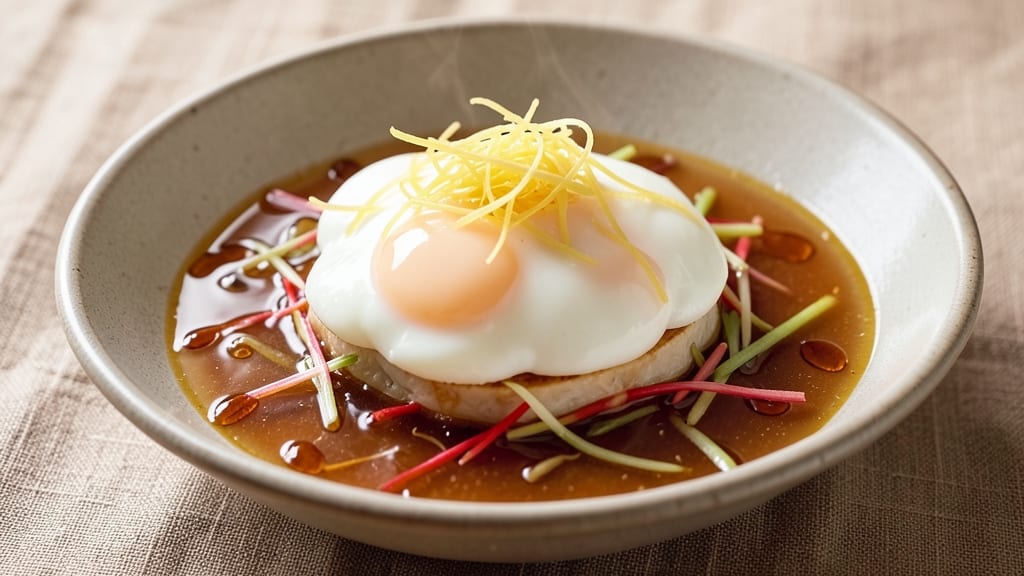
This steam water egg recipe transforms simple eggs into delicate, silky ribbons that melt in your mouth—just like the delicate custards of Japanese chawanmushi. The secret lies in gentle steaming over fragrant herbal broth, creating a dish that’s both elegant and comforting.
What makes this recipe special is the balance of technique and simplicity: no fancy equipment, just a steamer, a few fresh ingredients, and patience to achieve restaurant-quality results at home.
The process begins with preparing a light, aromatic broth—often infused with ginger, scallions, and soy sauce—into which you pour a delicate egg custard mixture. As it steams, the eggs transform into tender, translucent strands that absorb the flavors of the broth without overcooking.
This method isn’t just about the eggs; it’s about the harmony of textures and tastes, where each bite offers a delicate contrast between the silky egg and the savory broth.
By the time you’re done, you’ll have a dish that’s as visually stunning as it is delicious—think of delicate, wobbly egg ribbons floating in a golden broth, garnished with fresh herbs or a sprinkle of sesame seeds.
It’s the kind of meal that feels luxurious but is surprisingly easy to master, perfect for impressing guests or treating yourself to something special without the fuss.
Whether you’re making it for a light lunch, a vegetarian meal, or a unique appetizer, this recipe adapts beautifully. The technique works just as well with savory fillings like mushrooms or shrimp as it does with sweet variations like matcha or red bean.
Let’s get started on creating your own silky, fragrant masterpiece.
Ingredients for steam water egg
Light broth, delicate eggs, and a whisper of herbs create this elegant dish.
| Ingredient | Amount | Notes |
|---|---|---|
| Large Eggs 🥚 | 6 whole | Room temperature preferred |
| Vegetable Broth 💧 | 3 cups | Low sodium preferred |
| Fresh Ginger 🌿 | 1 tbsp | Finely grated, aromatic |
| Scallions 🧅 | 3 whole | Thinly sliced, white and green |
| Soy Sauce 🍶 | 1 tbsp | Light or regular preferred |
| Mirin 🍶 | 1 tbsp | Sweet rice wine |
| Sesame Oil 🫒 | 1 tsp | Toasted for aroma |
| Rice Wine Vinegar 🍶 | 1 tsp | Balances flavors |
| Sugar 🍬 | ½ tsp | White granulated |
| Cornstarch 🌾 | 1 tsp | For custard stability |
| Fresh Shiso Leaves 🌿 | ¼ cup | Red or green variety |
| Toasted Sesame Seeds 🥜 | 1 tsp | For garnish |
| Vegetable Oil 🫒 | 1 tbsp | For steamer basket |
The ginger and scallions form the aromatic base of the broth—freshly grated ginger is essential for that bright, zesty kick. Whole Foods or Asian markets carry the best ginger, often with vibrant color and firm texture. Look for scallions with crisp white bulbs and bright green tops. Soy sauce should be light or regular, not dark—Kikkoman is a reliable choice, but any good-quality brand works. For shiso leaves, local farmers markets often have them in summer, or check the Asian produce section. If you can't find shiso, basil or mint work in a pinch, though the flavor will differ slightly.
No mirin? Dry sherry plus 1/2 tsp sugar mimics its sweetness. Running out of sesame oil? Toasted sesame seeds ground with a pinch of salt create a similar aroma. The custard relies on cornstarch for stability—arrowroot powder works too—but don't substitute flour. For a sweeter variation, add 1/2 tsp maple syrup to the broth. The broth should be lightly seasoned—you'll adjust flavors as you steam. If your custard looks too thick, whisk in 1 tsp warm water before pouring.
Broth keeps 5 days refrigerated or 3 months frozen in ice cube trays. Eggs should be used within 2 days of making the custard. For best results, steam the eggs immediately after pouring the custard—don't let it sit. Leftover egg ribbons reheat beautifully in a gentle simmer for 2-3 minutes. Garnish with toasted sesame seeds just before serving to keep them crisp. Store leftovers covered in the fridge, but they're best enjoyed fresh.
Why You'll Love This Recipe
- No Chopping Needed: I swear, this is the only egg dish where I don’t even think about prepping. Just crack those eggs into a bowl, whisk them with soy sauce and a thumb-sized ginger slice, then pour into simmering broth. The scallions? Toss them in whole—they’ll soften perfectly without fuss.
- Umami Bomb: That first sip of broth with the eggs floating in it? Pure satisfaction. The ginger and soy sauce work magic together—warm, salty, with just enough bite. Honestly, I’ve tried fancy versions, but this simple combo hits the spot every time.
- Weeknight Hero: Between us, this is my go-to when I’m too tired to cook but still want something better than cereal. It’s ready in 15 minutes, and the leftovers? Just reheat with a splash of broth—same great flavor, zero effort.
- Budget Meal Stretch: Three eggs, a cup of broth, and a handful of scallions feed four people for under $3. I’ll be real: my grocery budget loves me for this. Plus, it’s one of those dishes that tastes even better the next day—so it’s basically free money.
Step-by-step instructions for silky egg ribbons in herbal broth
Master this delicate technique for restaurant-quality egg ribbons with a fragrant herbal broth.
Prepare the Flavor Base
In a medium saucepan, combine the 3 cups vegetable broth, 1 tablespoon finely grated fresh ginger, and 3 whole thinly sliced scallions. Bring to a gentle simmer over medium heat for 5 minutes, allowing the aromatics to infuse. The broth should smell vibrant and aromatic—this is your flavor foundation.
While the broth simmers, whisk together 1 tablespoon soy sauce, 1 tablespoon mirin, 1 teaspoon rice wine vinegar, ½ teaspoon sugar, and 1 teaspoon cornstarch in a small bowl until fully dissolved. This mixture will create the silky texture and balance the flavors perfectly. Keep the broth at a gentle simmer—you want it hot but not boiling when you add the egg mixture.
Create the Egg Custard
In a separate bowl, lightly beat the 6 whole large eggs until just combined—no need for vigorous whisking, as this can incorporate too much air. The eggs should be uniform in color with no streaks of white. Gently fold in the ¼ cup fresh shiso leaves, reserving a few for garnish later. The shiso will add a delicate, slightly minty aroma that complements the savory broth.
Slowly pour the egg mixture into the simmering broth while gently stirring with a wooden spoon. The heat should begin to thicken the mixture immediately, creating delicate ribbons. If the broth starts to boil vigorously, reduce the heat to low—you want a gentle simmer that cooks the eggs evenly without curdling. The custard should form silky strands that float gracefully in the broth.
Cook to Perfect Silky Texture
Continue simmering the egg mixture for 3-4 minutes, stirring gently every 30 seconds to prevent sticking to the bottom of the pan. You’ll see the ribbons become more defined and glossy as they cook. The custard should be just set but still slightly wobbly—like a thick custard rather than fully solidified. This texture ensures each bite is tender and luxurious.
Once the ribbons reach the perfect consistency, remove the pan from heat. The residual heat will continue to cook the eggs slightly, so don’t overcook them. Taste the broth and adjust seasoning if needed—add a splash more soy sauce for saltiness or a touch of mirin for sweetness. The broth should be fragrant, balanced, and harmonious.
Finish and Serve
Drizzle 1 teaspoon sesame oil into the pan and gently stir to coat the egg ribbons and broth. The sesame oil adds a nutty depth and ties all the flavors together. Ladle the egg ribbons into serving bowls, ensuring each portion has an equal share of ribbons and broth. Garnish each serving with the reserved fresh shiso leaves and a sprinkle of toasted sesame seeds for texture and visual appeal.
Serve immediately while the egg ribbons are still warm and silky. The contrast of the fragrant herbal broth with the delicate egg ribbons creates a dish that’s both elegant and comforting. Pair with steamed rice or crusty bread to soak up every last drop of the flavorful broth. This dish is best enjoyed fresh—each bite should be a harmonious blend of textures and flavors.
Pro Tips For Making Steam Water Egg
- CRACK EGGS LAST MINUTE: I learned this the hard way—whisking eggs too early makes them watery by the time you steam them. Wait until the broth is boiling hot before cracking the eggs in, then stir immediately. The heat shock keeps the yolks firm and the whites silky, not rubbery.
- GINGER SLICE THIN: Thin slices (1-2mm) of ginger melt into the broth without turning it bitter. Use a mandoline or sharp knife—thick chunks sit like rocks and overpower. Toast them for 10 seconds in a dry pan first, then add to the broth. That’s the thing that matters most for depth.
- BROTH BOIL FULL: Skip the simmer. Bring the vegetable broth to a rolling boil before adding eggs—this guarantees the eggs cook evenly and don’t turn to scrambled eggs. If your pot’s too small, work in batches. Crowding the pan is how you end up with sad, uneven curds.
- SOY SAUCE LATE: Add soy sauce only in the final 30 seconds, or it’ll darken the broth and make the eggs taste salty before they’re fully set. Taste as you go—start with half the recipe’s amount, then adjust. I skip this when I’m lazy, but the dish is noticeably better when I don’t.
Best sauces and condiments for this dish
Herbal Broth Enhancers
Elevate your broth with fresh herbs like cilantro or basil instead of shiso—simmer 2 tbsp chopped with the ginger for 5 minutes before adding eggs. For umami depth, stir in 1 tsp fish sauce (vegetarian?
Use 1 tsp mushroom powder) during the final 2 minutes of simmering. A pinch of white pepper adds warmth without overpowering the delicate flavors. 🌿
Sweet Variations
Transform this dish into a dessert by swapping the soy sauce for 1 tbsp honey and mirin for 1 tbsp orange blossom water. Add ½ tsp vanilla extract to the egg mixture for fragrance.
Garnish with edible flowers or a sprinkle of toasted coconut flakes for a tropical twist. The custard will still set beautifully but taste like a fragrant pudding. 🍯
Spicy Kick Options
For heat lovers, stir ½ tsp chili crisp or 1 tsp gochujang into the broth after removing it from heat. Alternatively, fold 1 tbsp finely chopped Thai bird's eye chilies into the egg mixture before pouring.
The heat will mellow slightly as it steams, leaving a gentle warmth that complements the silky texture. Adjust to taste—start with ¼ tsp if you're sensitive to spice. 🌶️
Umami Boosters
Deepens the savory profile by adding 1 tsp dashi powder (vegetarian-friendly) or 1 tbsp miso paste to the broth. For a smoky note, stir in ½ tsp liquid smoke during the final 30 seconds of cooking.
The eggs will absorb these rich flavors while maintaining their delicate texture. This works especially well with the shiso's herbal brightness. 🔥
Texture Contrasts
Add 1 tbsp finely chopped mushrooms (shiitake or enoki) to the broth for earthy texture. For crunch, top with toasted nori strips or crispy fried shallots just before serving.
The contrast between the silky eggs and crisp toppings makes each bite more exciting. Save these garnishes until the very end to maintain freshness. ✨
Dipping Sauces
Serve with three complementary sauces: a simple soy-mirin glaze (mix 1 tbsp soy sauce, 1 tbsp mirin, and ½ tsp grated ginger), a spicy sesame sauce (blend 1 tbsp tahini, 1 tsp sriracha, and 1 tsp rice vinegar), or a creamy miso aioli (mix 2 tbsp vegan mayo, 1 tsp white miso, and ½ tsp lemon juice).
These let guests customize their experience. 🥢
Nutrition facts
Frequently asked questions
Can I make this recipe without a stovetop steamer?
Use a bain-marie method by placing your saucepan with the egg mixture inside a larger pot of simmering water. Keep the water at a gentle simmer (180°F) and cook for 8-10 minutes instead of the usual 3-4 minutes. The indirect heat will create the same silky texture, just at a slower pace. A double boiler works perfectly too!
Why did my egg ribbons turn rubbery instead of silky?
Overcooking is the most common cause! The eggs should be just set but still slightly wobbly when done. If you see them separating or becoming firm, remove them immediately. Also check your heat—too high a simmer causes curdling. For best results, maintain a gentle simmer and cook no longer than 4 minutes after adding the eggs.
How can I make this vegetarian-friendly?
This recipe is already vegetarian, but you can enhance the umami by adding 1 tsp mushroom powder or ½ tsp nutritional yeast to the broth. For extra richness, stir in 1 tbsp miso paste during the final 2 minutes of cooking. The shiso leaves provide a natural herbal depth that pairs beautifully with vegetarian ingredients.
Can I prepare the broth ahead of time?
Yes! The broth keeps well in the refrigerator for 5 days or can be frozen for 3 months in ice cube trays. Reheat it gently before adding the egg mixture—never boil it, as that can destroy the delicate aromatics. For best flavor, use freshly made broth when possible, but pre-made works beautifully for convenience.
What's the secret to getting those perfect wobbly egg ribbons?
The key is in the technique: low and slow heat with constant gentle stirring. Use a wooden spoon to stir every 30 seconds while maintaining a gentle simmer (small bubbles, not rolling). The eggs should coat the back of the spoon but still slide off easily. Overmixing or high heat will make them tough—patience is everything!