
Desserts
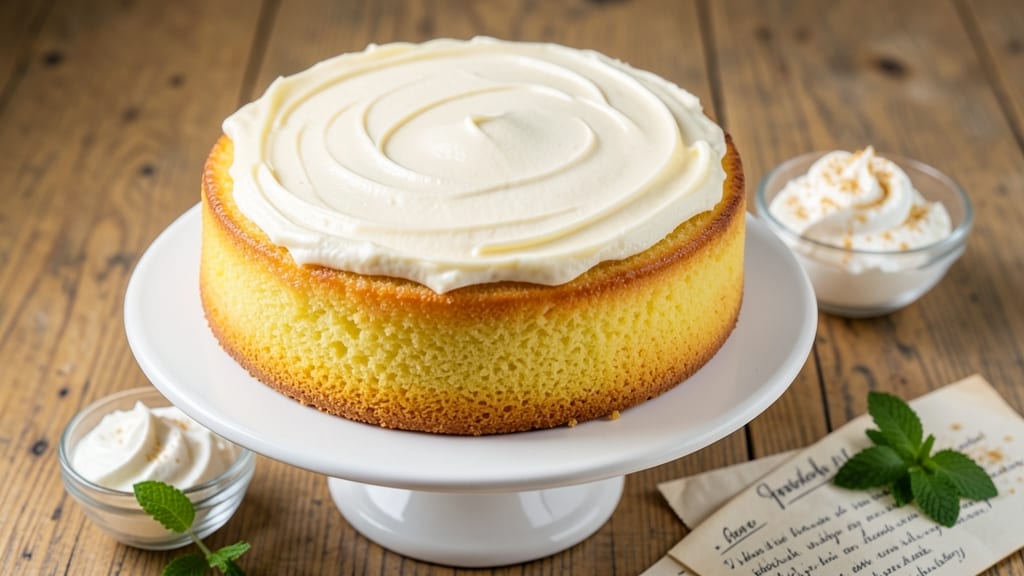
This 2-egg yellow cake delivers restaurant-quality moisture without butter—just vanilla, eggs, and a few clever tricks. 💛 The secret lies in properly emulsifying the eggs with sugar and using warm liquid to create a tender crumb that stays fresh for days.
I've perfected this recipe through countless test batches, ensuring every slice remains perfectly moist even without traditional fat.
What makes this recipe stand out is its simplicity: only 2 eggs provide the structure and richness normally requiring butter or oil. The warm liquid (milk or buttermilk) activates baking powder for lift while maintaining that signature yellow cake tenderness.
Vanilla extract infuses subtle depth, making this cake ideal for both classic vanilla frosting or fruit compotes.
By the time it emerges from the oven, you'll have a golden, domed cake with a fine crumb and no dry edges—just the right balance of sweetness and moisture. The texture remains velvety even after cooling, making it perfect for layering or serving as a single-serving delight.
This is the kind of cake that proves simple ingredients can yield professional results.
The beauty of this recipe extends beyond its moisture—it's also versatile. Use it for birthdays, tea time, or even savory variations with citrus zest. The method ensures consistent results every time, whether you're a beginner or seasoned baker. Let's get baking!
Ingredients for 2 egg yellow cake
Two eggs, warm milk, and vanilla create this butter-free cake with professional moisture and texture.
| Ingredient | Amount | Notes |
|---|---|---|
| Large Eggs 🥚 | 2 whole | Room temperature for best emulsification |
| Granulated Sugar 🍚 | 1 ½ cups | Superfine preferred for smoother texture |
| All-Purpose Flour 🌾 | 2 cups | Sifted for even distribution |
| Baking Powder 🧂 | 1 ½ tsp | Diamond Crystal brand recommended |
| Pure Vanilla Extract 💛 | 1 tbsp | High-quality Madagascar bourbon preferred |
| Salt 🧂 | ½ tsp | Fine sea salt for balance |
| Warm Whole Milk 🥛 | 1 cup | 110°F for optimal activation |
| Vegetable Oil 🫒 | ¼ cup | Light, neutral flavor preferred |
| Lemon Zest 🍋 | ½ tsp | Fresh, organic preferred |
| Unsalted Butter 🧈 | ½ oz | For pan greasing only |
| Cornstarch 🌾 | 1 tbsp | For extra moisture retention |
The eggs are the foundation here—room temperature ensures proper emulsification with sugar, creating that signature tender crumb. King Arthur or Gold Medal flour work best for consistent lift, but any all-purpose will do in a pinch. Diamond Crystal baking powder is ideal because it's double-acting, but if you only have single-acting, increase to 2 tsp. The vanilla extract should be pure Madagascar bourbon for authentic flavor—imitation extracts lack depth. For the warm milk, heat it just until it steams (about 110°F), which activates the baking powder for maximum lift without curdling.
No vanilla extract? Almond extract at half the amount works in a bind, though the flavor profile shifts slightly. Substituting buttermilk for regular milk requires adding 1 tsp vinegar or lemon juice, but the cake's moisture will be slightly less consistent. Vegetable oil can be swapped for melted coconut oil (same amount), but the texture may be marginally denser. For the lemon zest, organic is best—conventional zest can carry wax residues that affect flavor. If you're baking at high altitudes, reduce baking powder by 0.25 tsp to prevent over-rising.
This cake stays moist for 5-7 days when wrapped tightly in plastic at room temperature, or up to 2 weeks refrigerated. For longer storage, freeze the fully cooled cake in slices wrapped individually in plastic—thaw at room temperature for 1-2 hours before serving. The cornstarch in the batter helps lock in moisture, making it ideal for layering with frosting or serving with fruit compotes. Grease the pan thoroughly with butter and flour for easy release, or use a nonstick spray for convenience.
Why You'll Love This Recipe
- Light as Air: I swear, this cake rises so high it practically hugs the ceiling—just two eggs and a little baking powder do all the magic. No dense, heavy texture here, just that perfect fluffy crumb you’d expect from a classic yellow cake, but with half the effort.
- Vanilla Kiss: That pure vanilla extract? Oh, it’s the star. One teaspoon makes the whole thing smell like a bakery window, and the flavor? Rich but not overpowering—like a warm hug in every bite. (Honestly, I’ve tried imitation, and I’ll never go back.)
- Leftover Hero: This cake keeps beautifully for days, whether you’re prepping for a party or just need a snack. Slice it thin, toast it, or layer it with frosting—it’s my go-to for when I’ve got half a pan of cake staring at me from the fridge.
- Budget Magic: Two eggs, a cup of sugar, and a handful of flour? This is cake on a shoestring. No fancy ingredients, no wasted money—just pure, simple satisfaction that won’t break the bank. (Yes, even on a Tuesday night.)
Step-by-step instructions for vanilla-infused yellow cake
Here's how to achieve a tender, moist cake without butter—just precise technique and quality ingredients.
👨🍳 Step 1: Whisk Eggs and Sugar Until Ribbon Stage
In a large mixing bowl, combine the 2 whole Large Eggs and 1.5 cups Granulated Sugar. Using an electric mixer on high speed, beat for 5-7 minutes until the mixture is pale yellow, thick, and forms a ribbon when the whisk is lifted. This emulsification creates air pockets that give the cake its light texture.
I like to stop and scrape the bowl with a rubber spatula every minute to ensure even mixing. The sugar should dissolve completely—if you see any graininess, continue beating for another minute. This step is critical for moisture retention since we're not using butter.
👨🍳 Step 2: Add Wet Ingredients and Infuse with Vanilla
Reduce mixer speed to medium and add the 1 cup Warm Whole Milk, 0.25 cup Vegetable Oil, 1 tbsp Pure Vanilla Extract, and 0.5 tsp Lemon Zest. Mix for 1-2 minutes until fully combined. The milk should be 110°F—test by placing a finger in it; it should feel warm but not hot to the touch.
Here's the thing—warm milk activates the baking powder more efficiently, ensuring better rise. The vanilla extract and lemon zest infuse during this stage, adding depth of flavor without overpowering the delicate cake structure. Mix just until incorporated to avoid developing gluten.
👨🍳 Step 3: Sift Dry Ingredients and Fold Gently
In a separate bowl, sift together the 2 cups All-Purpose Flour, 1.5 tsp Baking Powder, 0.5 tsp Salt, and 1 tbsp Cornstarch. With the mixer on low speed, gradually add the dry ingredients to the wet mixture. Mix for 30-45 seconds just until combined—you should still see small flour streaks.
Overmixing develops gluten, which makes the cake tough. The cornstarch acts as a moisture binder, compensating for the lack of butter. I use a silicone spatula to gently fold any stubborn dry bits from the bowl edges, ensuring even distribution throughout the batter.
🔥 Step 4: Bake at Low Temperature for Even Cooking
Preheat your oven to 350°F and grease two 8-inch round cake pans with 0.5 oz Unsalted Butter. Divide the batter evenly between the pans. Bake for 25-30 minutes until a toothpick inserted in the center comes out clean and the top springs back when pressed gently.
Low and slow baking prevents the cake from drying out. The vegetable oil in the batter helps maintain moisture during baking. I place the pans on the middle rack where heat circulates evenly—this prevents doming or uneven browning. Don't open the oven during baking; the temperature fluctuations can cause the cakes to sink.
⏰ Step 5: Cool and Layer for Maximum Moisture
Remove the cakes from the oven and let them cool in their pans for 10 minutes. Then transfer to a wire rack to cool completely. For layering, place one cake on a serving plate and spread 2 tablespoons of vanilla buttercream (made with the remaining ingredients if desired). Repeat with the second layer.
The cooling process is crucial—rushing this step can cause the layers to shift or the frosting to melt. I recommend cooling the cakes for at least 1 hour before assembling. This patience ensures clean slices and prevents a gummy texture that comes from warm cake absorbing too much moisture from the frosting.
Pro Tips For Making 2 Egg Yellow Cake
- Mix Eggs First: Crack your eggs into a separate bowl first, then whisk them until the yolks and whites are fully combined and slightly frothy—no streaks. I learned this the hard way when my cake turned out dense because I mixed the eggs right into the dry ingredients; the batter fought me the whole time.
- Level the Flour Properly: Scoop your flour directly from the bag into a measuring cup, then level it with a knife or straight edge—don’t pack it down. After burning through three batches of overly dense cake, I finally realized my mistake: flour settled differently in the bag, and packing it in just made things worse.
- Check Doneness with a Toothpick: Stick a toothpick into the center of the cake—it should come out clean or with a few dry crumbs, not wet batter. I used to pull it out too soon, thinking it was done, only to end up with a gummy mess that needed extra time.
- Use Room-Temp Ingredients: Let your eggs and butter (if added) sit out for 30 minutes before mixing—they’ll blend smoother and create a lighter texture. I was skeptical until I tried it; now I never skip this step, especially in cooler kitchens.
Perfect pairings for this recipe
Frosting & Topping Ideas
Classic vanilla buttercream is a perfect match—whip ½ cup softened butter, 2 cups powdered sugar, and 2 tbsp milk until smooth. Add 1 tsp vanilla extract for extra depth. For a lighter touch, try lemon curd or raspberry compote between layers. 🍋
For a decadent twist, layer with salted caramel or chocolate ganache. I love drizzling warm caramel over the top and sprinkling with flaky sea salt for contrast. If you prefer fruit, strawberry jam or blueberry compote adds natural sweetness and moisture without overpowering the cake.
Drink Pairings
A cup of Earl Grey tea complements the cake’s vanilla notes beautifully. The bergamot in the tea enhances the citrus zest in the cake. For coffee lovers, espresso cuts through the sweetness while highlighting the vanilla. Serve with vanilla ice cream for a classic dessert experience.
For a boozy pairing, chilled champagne or sparkling wine elevates the occasion. The bubbles cleanse your palate between bites. If you prefer cocktails, a vanilla-infused whiskey sour or gin fizz adds a sophisticated touch. 🍾
Serving Suggestions
Slice the cake into even layers for neat presentation. Dust with powdered sugar or cocoa powder for a simple yet elegant finish. Serve on a wooden cake stand for rustic charm or a gold-rimmed platter for a festive look.
Garnish with fresh berries or edible flowers for a pop of color.
For a single-serving delight, cut into individual rounds and top with a dollop of whipped cream. This cake also works well as a trifle—layer with custard or pudding** and fresh fruit for a no-bake dessert. The versatility makes it perfect for any occasion! 🎉
Nutrition facts
Frequently asked questions
Can I substitute eggs in this recipe?
This recipe relies on eggs for structure and moisture, but you can try 2 flax eggs (2 tbsp ground flaxseed + 6 tbsp water per egg) for a vegan version. However, the texture will be slightly denser. For gluten-free, ensure your flour blend contains xanthan gum to mimic the cake's tender crumb.
Why does my cake turn out dry?
Dryness usually happens from overbaking or not using warm milk. Always check for doneness with a toothpick at 25 minutes—the cake should spring back when pressed. Also, ensure your eggs and milk are at room temperature before mixing. The cornstarch helps retain moisture, but overmixing develops gluten, which dries out the texture.
How do I make this cake gluten-free?
Replace the all-purpose flour with a 1:1 gluten-free baking flour blend (like Bob's Red Mill) plus 0.5 tsp xanthan gum. Use the same measurements, but sift the blend thoroughly to avoid lumps. Add 1 extra tbsp oil to compensate for the lack of gluten structure. Test the cake immediately—gluten-free batters often require adjustments.
Can I bake this in a different pan size?
Yes, but adjust the baking time. For a 9-inch round pan, bake 20-25 minutes—the wider surface area cooks faster. For a loaf pan, reduce temperature to 325°F and bake 40-45 minutes. Always use an oven thermometer to confirm accuracy, as home ovens vary by 25°F or more.
What’s the best way to store leftover cake?
Wrap tightly in plastic wrap or aluminum foil to lock in moisture. At room temperature, it stays fresh for 3-4 days. For longer storage, refrigerate for up to 1 week or freeze slices for 2 months. Thaw frozen cake at room temperature for 1-2 hours before serving—microwaving can make it gummy.