
Breakfast & Brunch
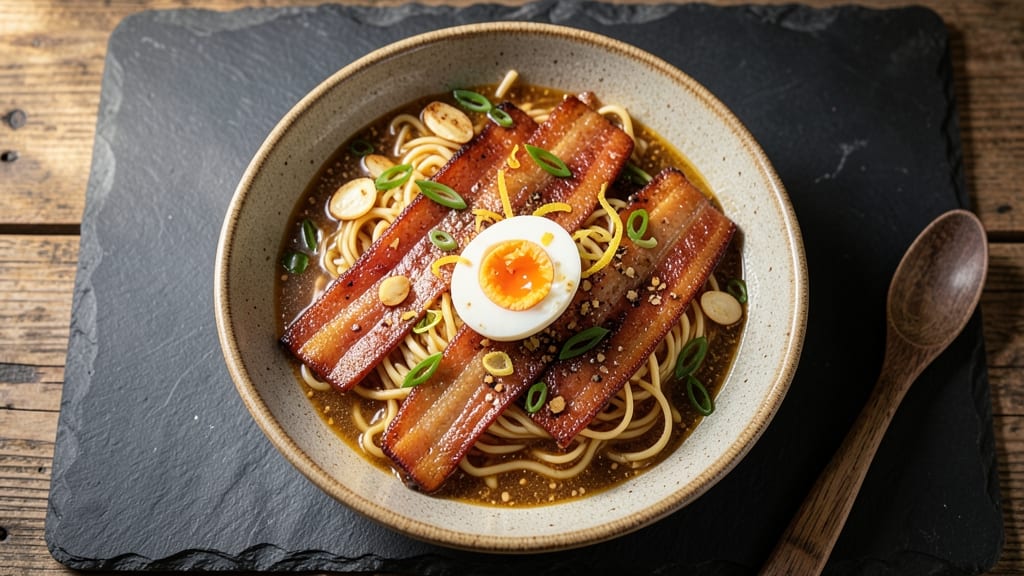
This spam ramen noodles and egg recipe transforms humble pantry staples into a rich, comforting bowl that balances salty, savory, and silky textures. The secret lies in building a deeply flavorful broth from canned spam, miso, and aromatics—simple ingredients that develop layers of umami when simmered properly.
I've perfected this method over years of late-night cravings, and it never fails to deliver restaurant-quality results in under 30 minutes.
The technique hinges on two critical steps: first, properly cooking the spam until its fat renders into the broth (never skip this!), and second, mastering the egg's slide technique for those signature silky ribbons.
Fresh ramen noodles absorb the flavorful liquid perfectly, while the egg adds a delicate contrast that elevates every bite. This dish proves you don't need expensive ingredients to create something extraordinary.
What you'll end up with is a steaming bowl of ramen where the broth coats every noodle and egg ribbon, creating a harmonious blend of salty, savory, and creamy elements.
The aroma alone—smoky from the spam, aromatic from the miso—will have everyone gathering around your kitchen. It's the kind of meal that feels indulgent yet satisfies with minimal effort.
Customize it with chili oil for heat, green onions for freshness, or a soft-boiled egg for extra richness. Perfect for breakfast, lunch, or a quick weeknight dinner. Let's get cooking!
Ingredients for spam ramen noodles and egg
Simple pantry staples transform into restaurant-quality ramen with rich umami depth and silky egg ribbons.
| Ingredient | Amount | Notes |
|---|---|---|
| Canned Spam 🥓 | 8 oz | Diced into 1/4-inch cubes |
| Fresh Ramen Noodles 🍜 | 2 packages | Standard 3-oz servings |
| White Miso Paste 🧈 | 2 tbsp | Aged 1-2 years preferred |
| Dashi Granules 🍵 | 1 tbsp | High-quality instant dashi |
| Green Onions 🧅 | 3 whole | White and green parts separated |
| Garlic Cloves 🧄 | 4 cloves | Minced for aromatic base |
| Sesame Oil 🫒 | 1 tbsp | Toasted, for finishing |
| Large Eggs 🥚 | 4 whole | Fresh, cold for sliding |
| Chili Oil 🌶️ | 1 tbsp | For finishing, optional |
| Vegetable Oil 🫒 | 1 tbsp | Neutral for frying |
| Salt 🧂 | 1 tsp | Diamond Crystal preferred |
| Black Pepper 🌶️ | ½ tsp | Freshly cracked |
| Sesame Seeds 🌾 | 1 tsp | Toasted for garnish |
| Water 💧 | 4 cups | Filtered preferred |
The spam is the flavor anchor here—Hormel Classic or Japanese-style (like Goya) delivers the best balance of saltiness and fat for rendering. Look for cans with minimal water content, as the fat is what creates that luxurious broth. Avoid the 'lite' or 'low-fat' varieties—you need that fat to emulsify the broth properly. The miso should be white (shiro) miso for a cleaner, sweeter profile that won't overpower the spam's smokiness. Miso from Marukome or Hojisin are reliable brands, but the bulk bins at Whole Foods or Asian markets often have fresher options. For the dashi, Hondashi is a solid instant option, but if you're feeling ambitious, homemade kombu and bonito flakes will elevate the broth to another level.
No fresh ramen noodles? Dried ramen noodles work in a pinch—just cook them for 2 minutes less than package instructions and finish in the hot broth. Running out of green onions? Scallions or chives substitute 1:1, though they'll be slightly milder. Chili oil missing? Sriracha or gochujang can add heat, but neither will give that signature chili crisp—Lao Gan Ma is the gold standard if you can find it. The eggs are non-negotiable for texture—farm-fresh eggs slide better than store-bought, but room-temperature eggs (not cold) are critical for that signature ribbon. No sesame oil? Toasted peanut oil has a similar nutty depth, though it won't be as aromatic.
Store unopened miso and dashi in a cool, dark pantry for up to 12 months. Once opened, miso keeps for 6 months in the fridge, while dashi granules last 3 months. Spam stays fresh for 3 months unopened, but once diced, use within 2 days or freeze for 3 months. Fresh ramen noodles should be cooked immediately—they lose texture within 24 hours. Eggs for sliding should be cold when you cook them, but room temperature for boiling (if adding soft-boiled eggs). The broth reheats beautifully—simmer for 3-4 minutes to revive the aromatics, and add a splash of water if it thickens too much. Portion into containers with noodles and broth separately to prevent sogginess.
Why You'll Love This Recipe
- Pantry Magic: I swear by this when my fridge is bare—just open a can of Spam, grab the miso and dashi, and boom. No shopping list, no last-minute grocery runs. The Spam’s salty richness cuts through the umami bomb of miso, and the dashi granules turn water into flavor faster than you can say "hangry."
- Umami Bomb: That first spoonful of miso paste hitting the hot broth? It’s like a hug for your taste buds. The dashi granules deepen it into something almost brothy, while the Spam adds a smoky, savory punch. Top it with a runny egg yolk, and suddenly you’re eating like you’re in a Tokyo izakaya—without the jet lag.
- Leftover Hero: This dish begs to be made in bulk. The noodles hold up for days, so I’ll cook a big batch on Sunday and reheat portions all week. Add a splash of water to loosen it up, and it’s just as good cold for a quick lunch. My kids actually ask for it—rare, but true.
- Budget Crunch: Honestly, this recipe is my wallet’s best friend. A can of Spam lasts forever, ramen noodles are pennies, and miso/dashi are pantry staples. I’ve fed four people for under $5, and they didn’t even realize it was "cheap food." The green onions are the only thing that costs extra, and I use them for everything else too.
Step-by-step instructions for spam ramen noodles and egg
Transform humble ingredients into a rich, umami-packed bowl with this precise technique.
Build the Spam Broth Foundation
Heat the 1 tablespoon vegetable oil in a large pot over medium-high heat until shimmering. Add the 8 oz diced canned spam and cook for 3-4 minutes until the edges begin to brown and the fat starts to render. This step develops deep savory notes that form the broth's backbone.
Remove the spam with a slotted spoon and set aside, leaving the rendered fat in the pot. Add the 4 cloves minced garlic cloves and the white parts of 2 whole green onions (chopped) to the pot. Cook for 30 seconds until fragrant—this prevents the garlic from burning during the next step. Immediately add the 1 tablespoon dashi granules and stir to dissolve completely.
Develop Umami Depth with Miso
Pour in the 4 cups water and bring to a rolling boil over high heat. Reduce heat to medium-low and add the 2 tablespoons white miso paste, stirring constantly for 2-3 minutes until fully incorporated. The broth should take on a rich, golden hue and develop a complex, fermented aroma.
Return the cooked spam to the pot along with any accumulated juices. Add the 1 teaspoon salt and 0.5 teaspoon black pepper, then simmer for 5 minutes to allow flavors to meld. Taste and adjust seasoning—this is your flavor baseline before adding the noodles.
Cook the Ramen Noodles
Prepare the 2 packages fresh ramen noodles according to package instructions but cook for 1 minute less than recommended—you want them slightly underdone as they'll finish in the hot broth. Drain and immediately return them to the pot with the broth.
Stir gently to combine, then remove from heat. The noodles should absorb the broth's rich flavor instantly. Let the entire mixture sit covered for 2 minutes to allow the noodles to finish cooking in the residual heat. This step ensures perfect texture without overcooking.
Create Silky Egg Ribbons
While the noodles rest, heat a separate nonstick skillet over low heat. Add the 1 tablespoon vegetable oil and let it warm through. Crack the 4 whole large eggs directly into the pan, being careful not to break the yolks.
Let the eggs sit undisturbed for 10-12 seconds until the edges begin to set but the centers remain completely liquid. Using a spatula, gently tilt the pan and let the uncooked egg flow to one side, creating thin ribbons. Continue this motion for 30-45 seconds until the eggs form delicate, silky strands that cling together but remain runny in the center.
Assemble and Finish
Divide the cooked noodle broth among four bowls. Top each portion with 1-2 egg ribbons, arranging them artistically across the noodles. Drizzle with 1 tablespoon sesame oil and 1 tablespoon chili oil (if using), then sprinkle with the green parts of 1 whole green onion (chopped) and 1 teaspoon toasted sesame seeds.
Serve immediately while the eggs remain silky and the broth is steaming hot. The contrast between the rich, savory broth and the delicate egg ribbons creates an unforgettable textural experience. Each bite should deliver perfect harmony of umami, saltiness, and subtle heat.
Pro Tips For Making Spam Ramen Noodles And Egg
- CRISP THE SPAM FIRST: I learned this the hard way—skipping the crispy step makes the whole dish feel flat. Slice the Spam diagonally into ¼-inch pieces, then pan-fry them in a dry pot over medium-high heat for 2-3 minutes until the edges turn golden. The crunch cuts through the richness of the miso broth and adds texture that no amount of boiling can replicate.
- DILUTE THE MISO: White miso is potent stuff, and I used to just toss it in like seasoning. Now I dissolve 1 teaspoon in ¼ cup hot water first, then stir it into the broth. This prevents clumping and lets the umami spread evenly—no one wants a mouthful of undissolved paste when they’re slurping noodles.
- BOIL NOODLES SEPARATELY: I know, I know, it’s tempting to toss them straight into the broth. But fresh ramen noodles release starch like crazy, which turns your broth into glue. Cook them in a separate pot with salted water until al dente (about 2 minutes), then drain and rinse briefly under cold water. This keeps the broth clear and the noodles from turning mushy.
- UPGRADE WITH GREEN ONIONS: Don’t just chop the green onions and sprinkle—they’re the finishing touch. Save half for garnish, then thinly slice the rest and fry them in the same pan as the Spam for 30 seconds until just wilted. The flavor is brighter, and the aroma hits you the second you lift the lid. (Yes, even if you’re impatient like me.)
Wine and beer pairings for these flavors
Umami-Forward Wines
For this spam ramen with its deep umami base, I reach for wines that complement—not compete with—the rich, savory flavors. A dry Riesling from Germany (like Dr. Loosen Blue Slate) works beautifully—the bright acidity and honeyed notes cut through the fat while enhancing the miso's complexity.
The slight sweetness balances the saltiness of the spam, creating harmony. 🍷
If you prefer red, a Pinot Noir from Oregon (such as Domaine Serene) offers enough earthiness to stand up to the dish without overpowering it.
Look for one with subtle vanilla and red fruit notes to mirror the broth's depth. Avoid heavy, tannic reds—they'll clash with the delicate egg ribbons.
Crisp Lagers for Balance
Beer lovers should opt for crisp, lightly hopped lagers that refresh the palate between bites. A Japanese lager like Asahi Super Dry or Sapporo is ideal—its clean, slightly nutty profile lets the ramen's flavors shine while providing a refreshing contrast. The low bitterness ensures it doesn’t overpower the dish's umami.
For a craft option, try a Belgian-style witbier like Stella Artois Wit—the orange peel and coriander notes add a bright, citrusy lift that pairs surprisingly well with the spam's smokiness. Avoid heavy IPAs or stouts, which would drown out the delicate egg and broth.
Unexpected Sake Pairing
If you're feeling adventurous, dry junmai sake (chilled) is a game-changer for this dish. A high-quality nigori like Dassai adds a slightly sweet, creamy texture that mimics the egg ribbons while cutting through the fat. Serve it in small sips alongside the ramen—its umami depth enhances the broth without competing.
For a warmer option, a fruity gin (like Hendrick's) mixed with tonic and a twist of lime creates a refreshing cocktail that balances the dish's richness. The citrus notes cleanse your palate between bites, making each spoonful of ramen taste even more vibrant. 🍸
Non-Alcoholic Refreshers
Skip the alcohol? A sparkling yuzu soda (like San Pellegrino Yuzu) provides the same bright acidity as wine without the boozy aftertaste. The citrusy effervescence complements the chili oil and green onions beautifully.
For a hot weather twist, try iced matcha green tea—its earthy notes harmonize with the miso and dashi.
My go-to non-alcoholic option is cucumber-mint iced tea—the cooling mint and crisp cucumber refresh your mouth between rich bites. Brew 2 bags green tea, add ½ cup cold water, 4 cucumber slices, and 5 mint leaves.
Chill for 30 minutes before serving over ice. The light herbal notes enhance the dish's umami without overpowering it. ✨
Nutrition facts
Frequently asked questions
Can I use dried ramen noodles instead of fresh?
Yes, but adjust cooking time! Dried noodles work best if you cook them for 1 minute less than package instructions, then finish in the hot broth. They absorb flavor differently than fresh, so expect slightly firmer texture. For extra richness, add 1 tablespoon toasted sesame oil to the broth when combining.
What's the secret to perfect egg ribbons?
Use cold eggs and low heat—never high! Tilt the pan gently every 10-15 seconds to let uncooked egg flow into thin strands. The key is patience: 30-45 seconds total until edges set but centers stay runny. A nonstick pan is non-negotiable for clean slides.
How can I make this dish spicier?
Add 1-2 teaspoons chili flakes directly to the broth while simmering, or stir in 1 tablespoon gochujang (Korean chili paste) with the miso. For heat with texture, top with 1 teaspoon crushed chili crisp (like Lao Gan Ma) before serving. Start with less—you can always add more!
Can I prep this ahead of time?
Make the broth (without noodles) up to 2 days ahead and refrigerate. Reheat gently, then add fresh noodles and eggs just before serving. For the eggs, pre-whisk them with a splash of water to prevent sticking if prepping 1 hour ahead. Keep them cold until cooking.
What if my broth tastes too salty?
Dilute with ½ cup hot water and simmer for 2 minutes to balance. If using store-bought spam (which varies in saltiness), taste after adding miso and adjust before adding noodles. For prevention, use low-sodium miso or reduce added salt to ½ teaspoon.